Aluminum Foil Sheet
- Home
- Aluminum Foil Sheet
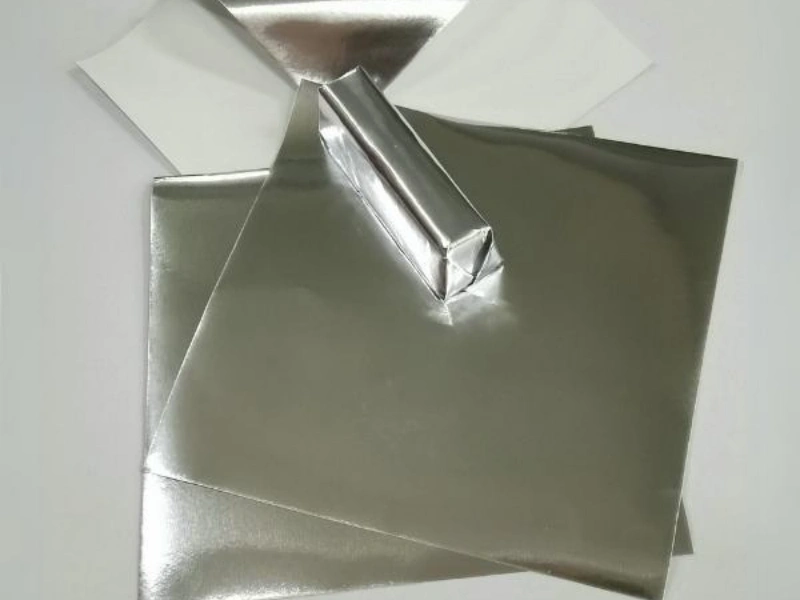
Aluminum foil sheet has become an integral part of various industries, offering unparalleled advantages and versatility in their applications. From food packaging to insulation and beyond, the demand for high-quality aluminum foil continues to soar.
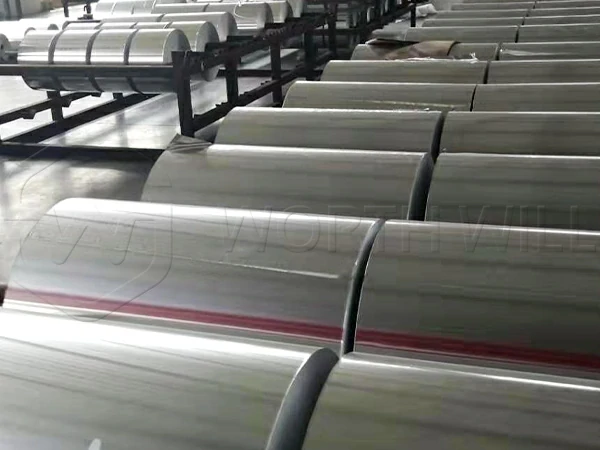
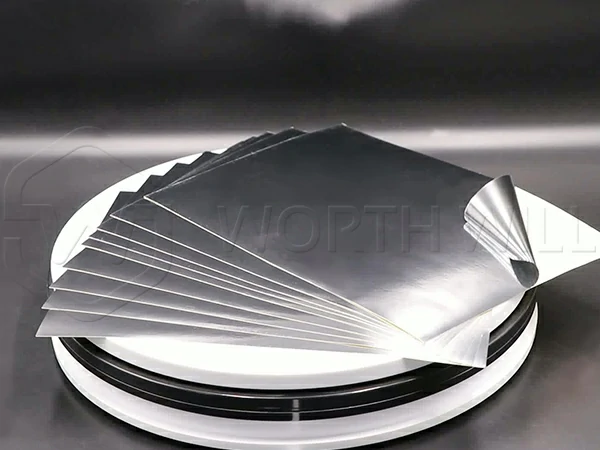
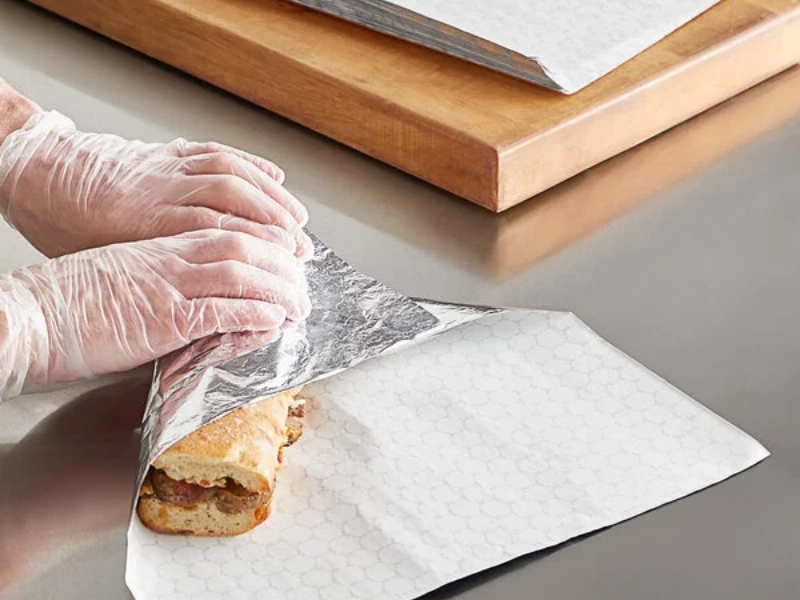
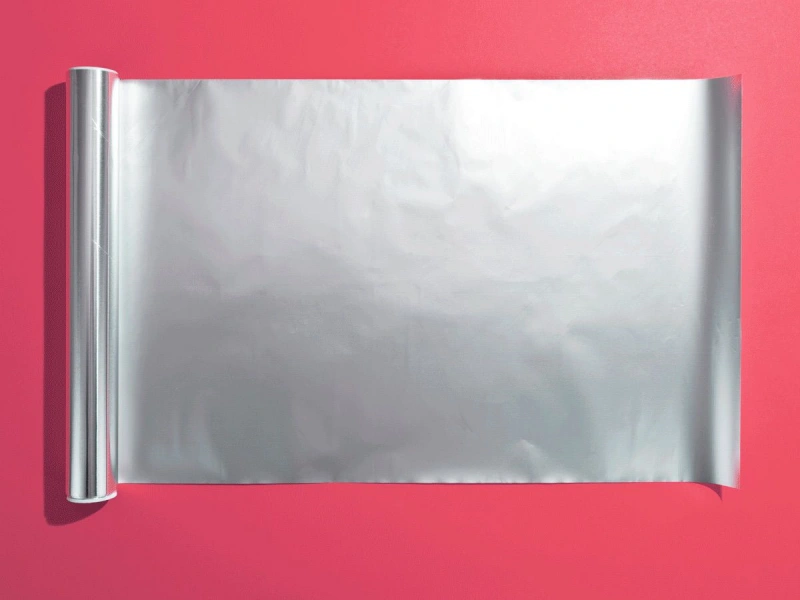
Aluminum foil sheet is a thin, flexible, and multi-purpose metal product used in homes, industries, and packaging. It offers excellent resistance to moisture, light, and heat. From kitchen wraps to insulation layers, aluminum foil sheets are widely used around the world.
Specification of Aluminum Foil Sheet
Aluminum foil sheets come in different specifications based on application:
-
Thickness: 0.006 mm to 0.2 mm
-
Width: 100 mm to 1600 mm
-
Temper: Soft (O), Half Hard (H22), Hard (H24, H18)
-
Alloy: 1100, 1235, 8011, 3003, 8079
-
Surface: One side shiny, one side matte (optional)
-
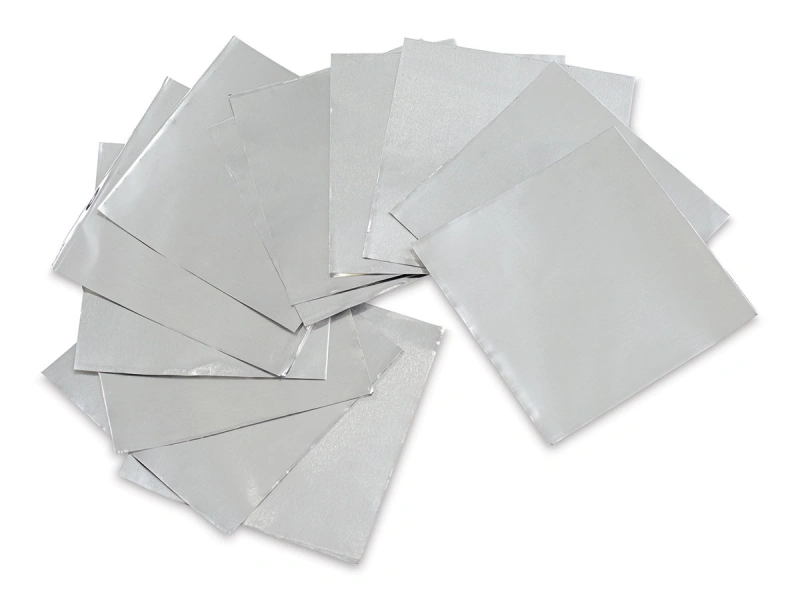
Form: Sheets, rolls, laminated sheets
Classification of Aluminum Foil Sheet
Aluminum foil sheets are often classified by their use:
-
Household Aluminum Foil Sheet – for cooking, freezing, and food storage
-
Pharmaceutical Foil Sheet – for medicine packaging
-
Insulation Aluminum Foil Sheet – for thermal and HVAC insulation
-
Industrial Aluminum Foil Sheet – used in cable wrapping, batteries, and electronics
-
Decorative Foil Sheet – used in gift wrap and labels
What is the Use of Aluminum Foil Sheet?
Aluminum foil sheet is used in many everyday and industrial applications. Common uses include:
-
Food packaging and cooking
-
Insulation for pipes and ducts
-
Wrapping for electronics and wires
-
Blister packs for tablets and capsules
-
Backing for reflective insulation
-
Aluminum foil containers for takeout
Its properties—lightweight, heat-resistant, and non-toxic—make it safe and useful.
Applications
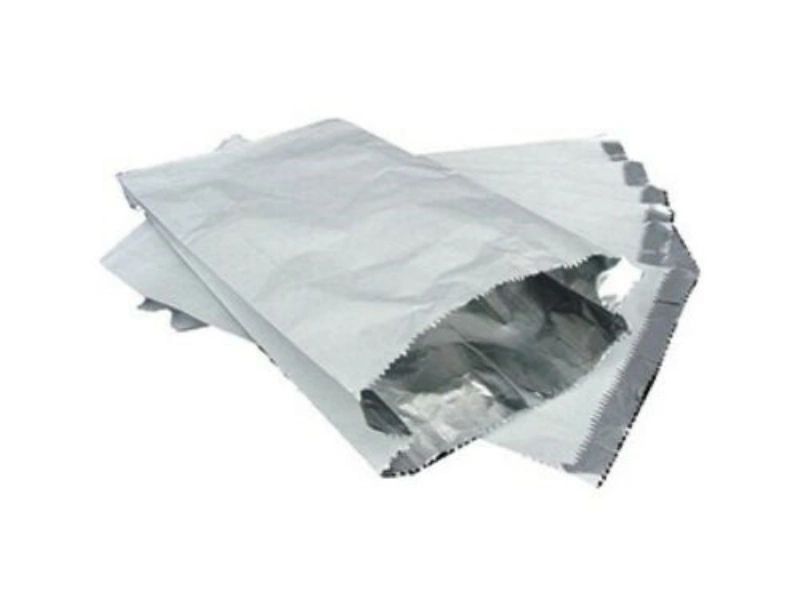
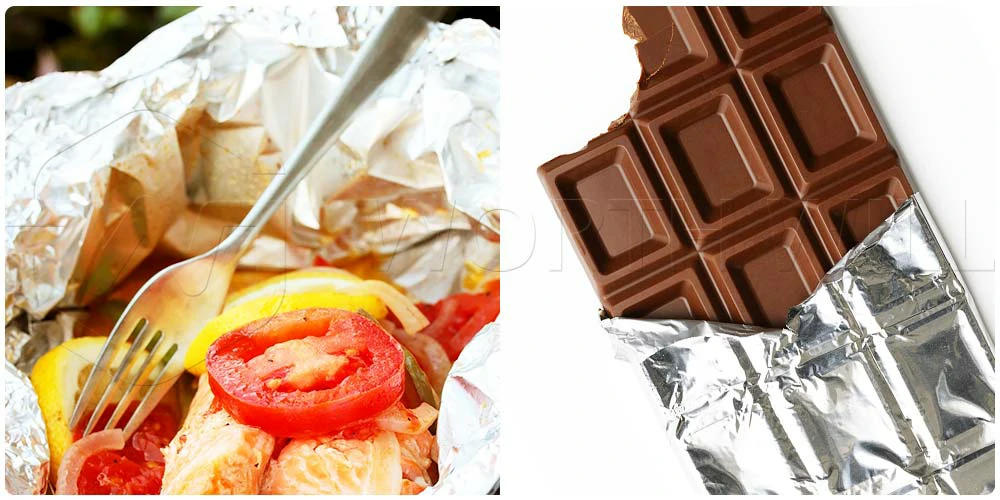
- Food Packaging: Extensively used in the food industry for packaging perishable goods, including dairy products, ready-to-eat meals, chocolates, and snacks.
- Insulation: Employed for thermal insulation in construction, acting as a radiant barrier. By reflecting heat back to its source, these sheets aid in maintaining indoor temperatures, and promotes energy efficiency in residential, commercial, and industrial buildings.
- Electronics: Applications in the electronics industry as a heat sink material. Their high thermal conductivity enables efficient heat dissipation, protecting electronic components from overheating and ensuring optimal performance.
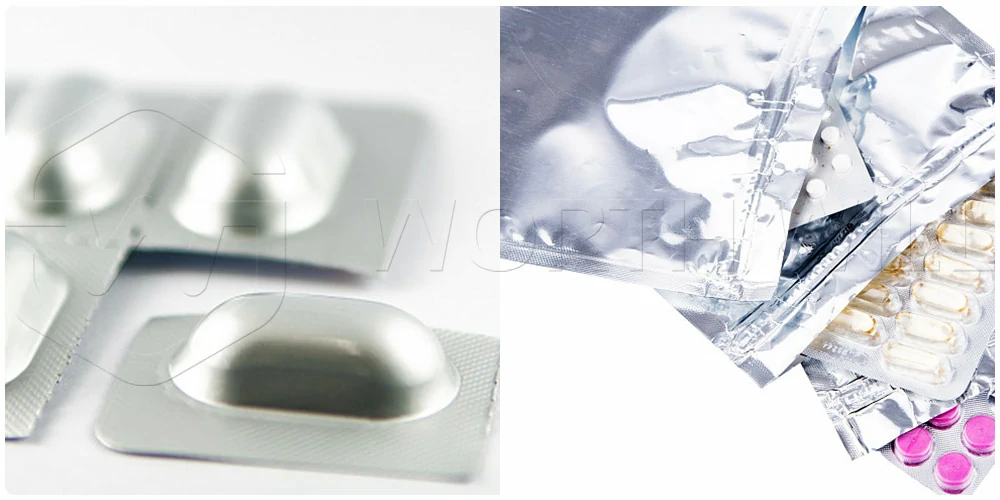
- Pharmaceutical Packaging: The pharmaceutical industry relies on aluminum foil for packaging sensitive medications. The barrier properties of aluminum foil help maintain drug efficacy by protecting against light, moisture, and external contaminants.
Advantages
- Excellent Barrier Properties: Aluminum foil sheets possess outstanding barrier properties, effectively shielding against moisture, gases, light, and contaminants.
- Heat Conductivity: Aluminum is an exceptional conductor of heat, allowing aluminum foil to provide exceptional insulation and temperature regulation. This property makes them an excellent choice for applications.
- Flexibility and Durability: With remarkably flexible, enabling them to conform to various shapes and sizes effortlessly. Moreover, aluminum foil exhibits excellent durability, making it resistant to tears, punctures, and corrosion.
- Recyclability: Aluminum is a highly recyclable material. They can be an environmentally friendly choice. Choosing aluminum foil contributes to sustainable practices, reducing carbon footprint and waste generation.
What is the Difference Between Aluminum Foil and Aluminum Sheet?
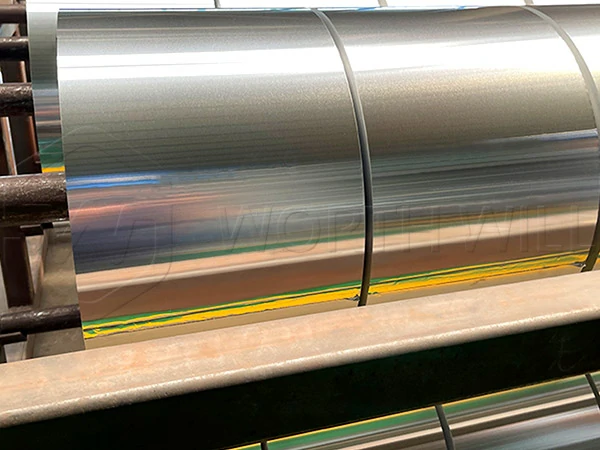
Though they are made from the same material, aluminum foil and aluminum sheet are very different in thickness and use:
| Property | Aluminum Foil Sheet | Aluminum Sheet |
|---|---|---|
| Thickness | Less than 0.2 mm | More than 0.2 mm |
| Flexibility | Very soft and bendable | Rigid |
| Use | Wrapping, packaging, insulation | Structural, construction |
| Appearance | Thin, shiny, or matte | Solid, flat panels |
Aluminum foil sheet is ideal for flexible applications, while aluminum sheets are for strength and structure.
Why Wrap Foil Around Your Feet at Night?
Some people use aluminum foil sheets to wrap their feet at night for home remedies. Although not scientifically proven, these are the claimed benefits:
-
Reduce foot pain and inflammation
-
Relieve cold symptoms
-
Improve blood circulation
It is believed that aluminum helps reflect body energy and retain heat. If trying this, make sure the foil does not cut the skin.
More Information About WORTHWILL Aluminum Foil
When it comes to sourcing premium aluminum foil, as professional manufacturer, Worthwill is the preferred partner for your aluminum foil sheet requirements:
Superior Product Quality: There adheres to stringent quality control measures, ensuring that their aluminum foil meets the highest industry standards.
Extensive Product Range: Company offers a diverse range of aluminum foil sheet option. Our product portfolio includes various thicknesses, widths, and lengths. In addition, we provide customers with the flexibility to select the most suitable solution for their specific needs.
Competitive Pricing: We understands the importance of cost-effectiveness for their customers. Our team strives to offer competitive pricing without compromising on quality.
Customer-Centric : Worthwill Aluminum prioritizes customer satisfaction depending on various demands. There are professional customization.
Should Aluminum Foil Be Shiny Side Up or Down?
Many people wonder if there’s a “right” way to use aluminum foil regarding its shiny and dull sides. The truth is, for most everyday cooking and food storage uses, it generally doesn’t matter.
Here’s why:
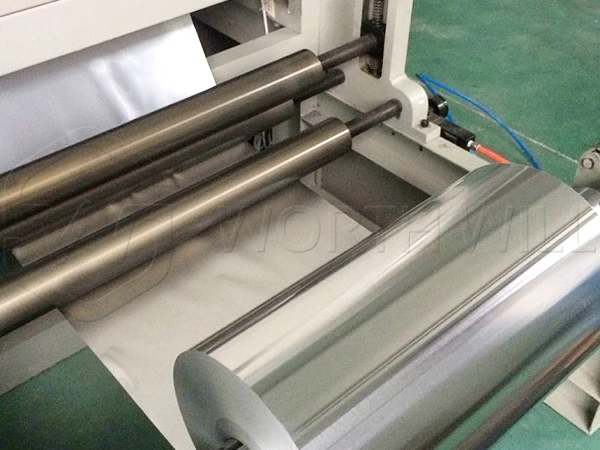
The difference in shininess between the two sides of aluminum foil is a result of the manufacturing process. During the final rolling, two layers of foil are pressed together. The side that touches the polished steel rollers becomes shiny, while the side that touches another sheet of aluminum foil becomes dull or matte.
While the shiny side reflects more heat and light, and the dull side absorbs more, this difference is very small when it comes to typical home cooking. The amount of heat reflected or absorbed is minimal and unlikely to impact your cooking results significantly.
Some people suggest:
- Shiny side facing food (dull side out): If you want to keep food warm, the shiny side could theoretically reflect heat back to the food.
- Dull side facing food (shiny side out): If you want to encourage browning or keep heat away from food, the dull side would absorb more heat, and the shiny side would reflect heat away from the food.
However, these differences are so minor that they are practically negligible in a home kitchen. The most important thing is to ensure your food is tightly sealed to prevent moisture loss and keep it fresh. So, feel free to use either side of your aluminum foil sheet with confidence!
Choosing the Right Aluminum Foil Sheet
When buying aluminum foil sheet, consider your needs:
- Standard-duty is fine for wrapping sandwiches or lining light baking pans.
- Heavy-duty aluminum foil is better for roasting large meats, grilling, or when you need extra strength and tear resistance.
Also, look at the length of the roll. Larger families or frequent cooks might benefit from buying longer rolls to save money.
Environmental Impact and Recycling of Aluminum Foil
Aluminum is a highly recyclable material, and this includes aluminum foil sheet. Recycling aluminum saves a lot of energy compared to making new aluminum. However, aluminum foil can be tricky to recycle if it’s too dirty or crinkled.
- Clean Foil: If your aluminum foil is clean and free of food residue, you can usually recycle it with other aluminum items. It’s best to ball it up into a larger lump (about the size of a golf ball or larger) to help it get sorted at the recycling facility.
- Dirty Foil: Foil with a lot of food stuck to it might not be accepted in some recycling programs, as food contaminants can affect the recycling process. Check with your local recycling guidelines.
Being mindful of how you use and dispose of aluminum foil sheet can contribute to a more sustainable environment.