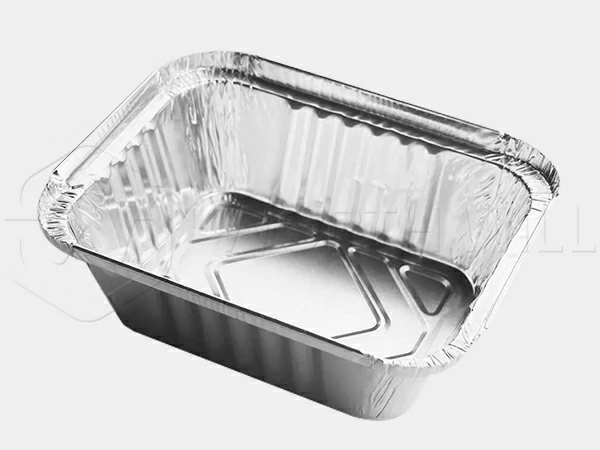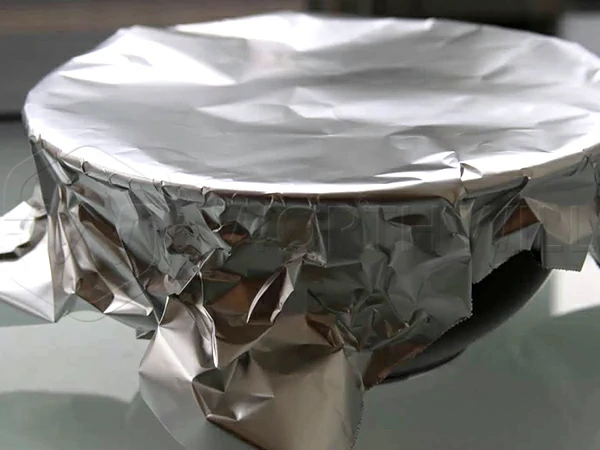
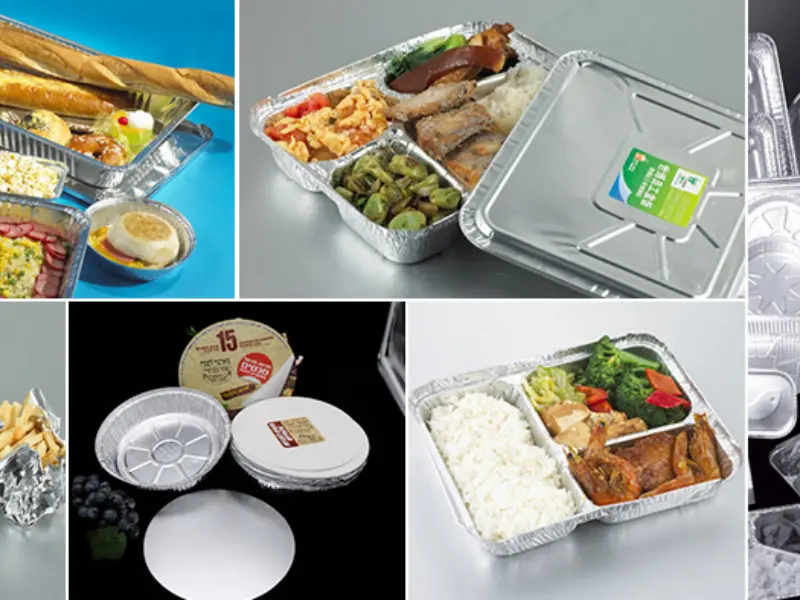
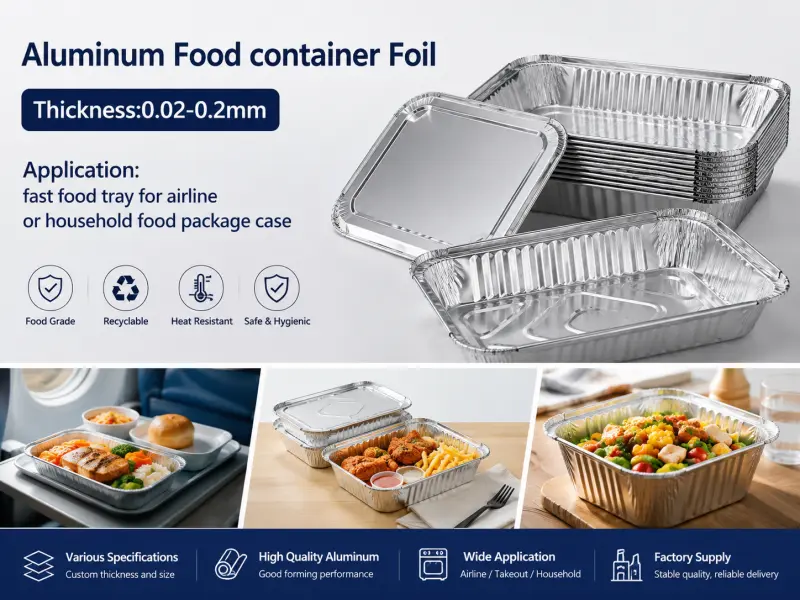
Aluminium foil container sizes have become an integral part of the food packaging industry due to their convenience, durability, and excellent heat conductivity. These containers are available in various types and sizes to cater to a wide range of culinary and storage needs.

foil container sizes
Foil Container
Foil Container
Aluminum Foil Container
foil container

Types

Rectangular Containers: These containers are the most common type and are often used for takeaway meals, meal prep, and food storage. They come in a variety of depths and sizes to accommodate different portion sizes.

Round Containers: Round aluminium foil containers are suitable for dishes that require a circular shape, such as pies, quiches, and desserts. They are available in various diameters and depths.

Oval Containers: Oval containers are ideal for serving and packaging dishes that have an elongated shape, such as roasted meats or lasagna.

Compartmentalized Containers: These containers have multiple compartments, making them perfect for serving complete meals with different components while keeping them separate.

Lids and Closures: Aluminium foil container lids are designed to provide a secure seal, preserving the freshness of the contents and preventing leakage. Lids can be flat or dome-shaped, depending on the type of container they are meant to cover.

aluminum foil container

Sizes of Aluminium Foil Containers

When it comes to sizes, aluminium foil containers are available in a diverse range to suit various culinary and packaging requirements.

The sizes can be categorized based on their dimensions, such as length, width, and depth. Here, we focus on the sizes of small aluminium foil containers with lids:

Foil Container

Small Rectangular Containers

Dimensions: Approximately 5 inches in length, 4 inches in width, and 1.5 inches in depth.

Ideal for single servings of side dishes, appetizers, or desserts.

Small Round Containers:

Diameter: Around 6 inches.

Depths may vary from 1.5 to 2 inches.

Suitable for individual servings of baked goods, such as mini pies or tarts.

Small Compartmentalized Containers:

Dimensions: Typically 6 inches in length, 5 inches in width, with divided compartments.

Perfect for packing balanced meals with separate sections for different food items.

Small Oval Containers:

Length: About 7 inches.

Width: Around 4 inches.

Depths may range from 1.5 to 2 inches.

Ideal for packaging single servings of dishes like casseroles or pastas.

Different Sizes

These are just a few examples of the sizes available in the category of small aluminium foil containers. It’s important to note that manufacturers offer a wide variety of sizes to accommodate diverse culinary creations and packaging needs.

Aluminium foil container sizes come in an array of sizes and types, allowing for versatile food packaging and presentation options.

Aluminum Food Container Foil

Why Size Matters When You Buy Foil Containers

Size affects more than capacity. It changes how many trays fit in a carton, which lid fits, how long food takes to heat, and how the meal looks to the customer.

What Size Decides

  • How much food each tray holds
  • Which lid or board cover fits
  • How many containers fit in a case or pallet
  • How fast the food heats in an oven
  • Shipping and storage cost per tray

Getting the size wrong usually means ordering again. A short check of capacity, length, width, and depth avoids that.

Quick Size Chart by Shape

This table gives a fast overview of the main shapes and where each is used.

Shape Typical Size Range Common Use
Rectangular takeaway tray 450 ml to 2000 ml Takeaway meals, deli food, ready meals
Round tray 5 in to 10 in (about 125 to 255 mm) Pies, quiches, single dishes
Square tray 6 in to 9 in (about 150 to 230 mm) Brownies, cakes, side dishes
Steam table pan Half size and full size Catering and buffets
Loaf pan 1 lb and 2 lb Bread, meatloaf, cakes
Oval or roasting pan Medium to large Roast meat, family dishes

Most buyers start with rectangular takeaway sizes, then add round and steam table sizes as the menu grows.

Aluminium Foil Containers

Capacity Conversion Guide

Suppliers quote capacity in milliliters, ounces, or cups. This table helps you compare them.

Capacity (ml) Approx. Fluid Ounces Approx. Cups Rough Meal Size
450 15 1.9 Small side or dessert
650 22 2.7 Light single meal
750 25 3.2 Standard single meal
1000 34 4.2 Large single or small shared meal
1500 51 6.3 Meal for two
2000 68 8.4 Family or party portion

Capacity is the volume the tray can hold when filled to the brim. Most food is packed a little below the rim, so real working volume is a bit lower.

Rectangular Takeaway Container Sizes

Rectangular trays are the most common foil containers. They stack well, heat evenly, and fit most lids.

Capacity Typical Outside Size (L x W x H) Best For
450 ml About 155 x 115 x 30 mm Sides, desserts, sauces
650 ml About 190 x 135 x 30 mm Rice, pasta, light meals
750 ml About 205 x 135 x 32 mm Standard takeaway meals
1000 ml About 220 x 160 x 35 mm Large meals, curry and rice
1500 ml About 250 x 185 x 40 mm Meals for two, baked dishes
2000 ml About 270 x 200 x 45 mm Family meals, lasagna, roasts

These figures are typical. A supplier may offer slightly different lengths and depths for the same capacity.

Aluminum Food Container Foil

How to Read the Size Code

  • The first number is usually capacity in milliliters
  • Length and width are measured at the top outside edge
  • Height is measured from the base to the rim
  • A lid code often matches the tray code from the same supplier

Round Foil Container Sizes

Round trays suit pies, tarts, and dishes that look better in a circle.

Diameter Metric Size Typical Depth Approx. Capacity
7 in About 180 mm 1.2 in (30 mm) About 500 ml
8 in About 205 mm 1.25 in (32 mm) About 700 ml
9 in About 230 mm 1.25 in (32 mm) About 900 ml
10 in About 255 mm 1.5 in (38 mm) About 1300 ml

The 9 inch size is the standard pie pan. Deep dish versions are made at the same diameter with higher walls.

Aluminium Foil Containers
aluminum foil tray

Small Round Sizes

Small round trays and cups are used for single desserts, tartlets, and sauces. Common sizes run from about 3 inches to 5 inches across. They are light, cheap, and handy for portion control.

Square and Oblong Pan Sizes

Square and oblong pans are popular for baking and for serving cut portions.

Pan Size Metric Size Typical Depth Approx. Capacity Common Use
8 x 8 in About 205 x 205 mm 1.5 in About 1300 ml Brownies, small cakes
9 x 9 in About 230 x 230 mm 1.75 in About 2000 ml Cakes, baked sides
9 x 13 in About 230 x 330 mm 2 in About 2800 ml Casseroles, sheet cakes

The 9 x 13 inch pan is a household favorite. It also works well for small catering orders.

Steam Table Pan Sizes for Catering

Steam table pans fit buffet heating equipment. They follow standard sizes, so they swap easily between pans and warming trays.

Pan Size Outside Size (approx.) Metric (approx.) Typical Depth Options
Full size 20.75 x 12.75 in 527 x 324 mm 2.5 in and 3.5 in
Half size 12.75 x 10.4 in 324 x 264 mm 2.5 in and 3.5 in
One-third size 12.75 x 7 in 324 x 178 mm 2.5 in

Approximate Capacity by Depth

Pan Size Depth Approx. Capacity
Half size 2.5 in About 3.5 to 4.5 qt
Half size 3.5 in About 5 to 6 qt
Full size 2.5 in About 7 to 9 qt
Full size 3.5 in About 10 to 12 qt

These are rough planning figures. Wall slope and brand design change the exact volume.

aluminum foil container

Servings Guide for Catering

Pan Approx. Side Servings
Half size, 2.5 in 8 to 10
Half size, 3.5 in 10 to 14
Full size, 2.5 in 18 to 24
Full size, 3.5 in 24 to 32

Servings depend on portion size. Heavy main dishes serve fewer people than light sides.
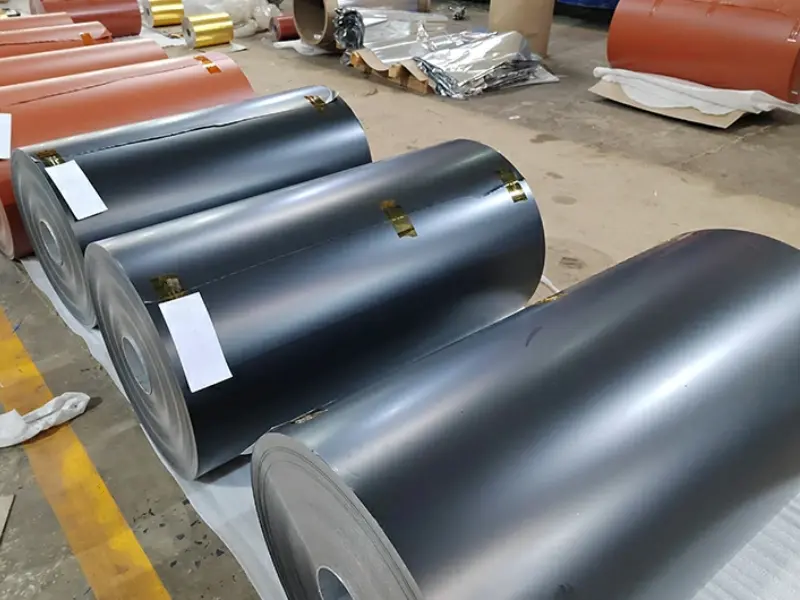
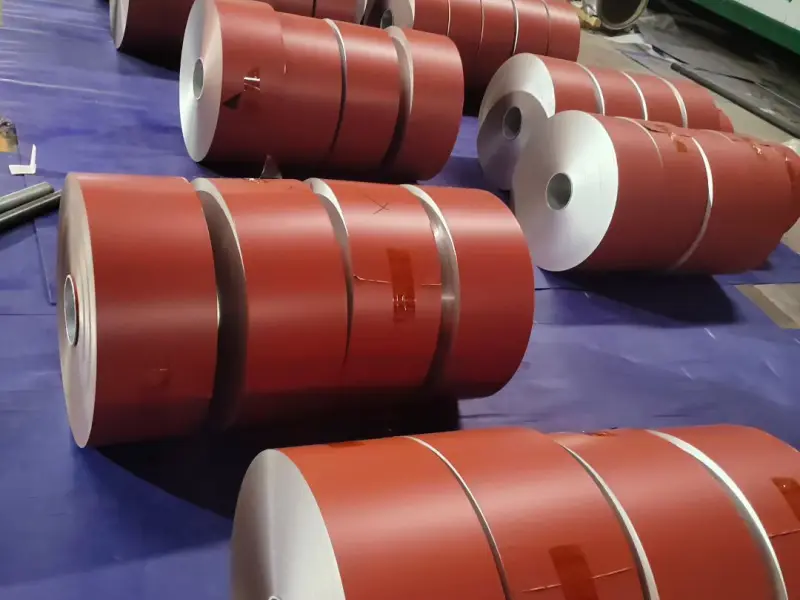
Colored Aluminum Foil Rolls

Loaf Pans, Roasters, and Specialty Shapes

Some trays are made for one job. These shapes sell steadily to bakeries and home cooks.

Specialty trays are usually priced a little higher because the molds are less common.


Shape Typical Size Common Use
1 lb loaf pan About 185 x 95 x 50 mm Small bread, pound cake
2 lb loaf pan About 215 x 115 x 65 mm Bread, meatloaf
Large roasting pan About 18 x 13 x 3 in (455 x 330 x 75 mm) Whole chicken, ham, large roast
Oval pan Medium to large Roast dishes, family meals
Divided tray 2 or 3 compartments Meal prep, school and airline meals


Depth Guide: Shallow, Medium, and Deep

Depth matters as much as length and width.

Depth Class Typical Depth Best For
Shallow About 20 to 30 mm (under 1.25 in) Pies, tarts, light desserts
Medium About 30 to 45 mm (1.25 to 1.75 in) Takeaway meals, baked sides
Deep About 50 to 90 mm (2 to 3.5 in) Casseroles, roasts, catering trays

Shallow trays heat faster and brown tops well. Deep trays hold more food but take longer to cook through.

Aluminum Foil Container Good Worthwill Supplier

Alloy and Temper Behind the Sizes

Most foil containers are stamped from soft aluminum foil. Soft temper lets the metal stretch into the mold without tearing.

Alloy Temper Role in Foil Containers
8011 O Most common container alloy, good stretch and strength
3003 O Used for heavier trays and deeper draws
1235 O Used for lids and lighter wraps

8011-O is the standard choice. 3003-O is picked when a tray needs extra strength.

aluminium foil container sizes
SRC Foil Alloys

Foil Thickness by Container Size

Bigger trays need thicker foil to stay rigid.

Container Typical Foil Thickness
Small trays and cups, under 500 ml About 0.03 to 0.05 mm
Takeaway trays, 650 to 1500 ml About 0.04 to 0.07 mm
2000 ml trays and 9 x 13 pans About 0.06 to 0.09 mm
Half-size steam pans About 0.08 to 0.12 mm
Full-size steam pans and roasters About 0.10 to 0.15 mm

Thicker foil costs more, but it holds shape under heavy or hot food.

Lid Types and Fit by Size

A tray is only useful with the right lid. Match the lid to the tray size and the way you serve food.

Lid Type Description Best For
Flat foil lid Plain foil sheet, crimped on Freezer meals, oven reheating
Board lid Paper and foil laminate Takeaway and delivery, printed branding
Plastic dome lid Clear and raised Display in deli and retail
Vented lid Small steam openings Foods that should not turn soggy

Lid Fit Tips

  • Order lids from the same supplier code as the trays
  • Check that the lid fits the tray rim, not just the nominal size
  • Test one sample before ordering a large batch
  • Foil lids crimp tighter, so allow a little time on the packing line
Aluminium Foil Containers
SRC Foil Alloys

Product Types by Structure and Use

Foil containers come in several styles. Each one pairs with a range of sizes.

Smooth Wall Containers

Flat sidewalls with a clean look. They suit bakery items and retail display.

  • Neat appearance for shelves and counters
  • Common in 450 ml to 1000 ml sizes
  • A little less rigid than ribbed trays

Ribbed Wall Containers

Sidewalls with raised ribs for strength.

  • Handle heavier and hotter food
  • Standard for takeaway, catering, and steam pans
  • Available across almost every size

Divided Containers

Trays with two or three compartments.

  • Keep sauces and sides separate
  • Common for meal prep, school meals, and airline service
  • Usually made in 750 ml to 1500 ml sizes

Baking Cups and Mini Trays

Small, light trays for single servings.

  • Used for muffins, tartlets, and portion cups
  • Sold in large packs for bakeries
  • Fit standard baking trays and ovens

Deep Catering Trays

Large, tall trays for events.

  • Fit buffet warmers and chafing racks
  • Often paired with foil or board lids
  • Made in half size and full size
SRC Foil Alloys

Rectangular vs Round vs Square

Buyers often compare shapes before choosing a size.

Factor Rectangular Round Square
Stacking and storage Excellent Good Very good
Lid availability Very wide Wide Moderate
Space use in boxes and ovens Efficient Less efficient Efficient
Look on the plate Practical Classic, good for pies Neat for cut portions
Best for Takeaway, catering Pies, tarts Brownies, baked sides

Rectangular trays save the most space. Round trays win on looks for pies and tarts.

Aluminum Foil Container Wonderful Worthwill Manufacturer

How to Measure a Foil Container

Measuring correctly helps you match lids and compare suppliers.

  • Measure length and width across the top outside edge
  • Measure height from the base to the rim
  • Check the bottom size if the tray must fit a rack or warmer
  • Fill with water to find real capacity, then compare with the listed figure
  • Test the lid on the rim before ordering large quantitiesColored Aluminum Foil

Metric vs US Size Naming

Different regions name sizes in different ways.

Region Common Way to Name Sizes Example
Europe and Asia Capacity in ml 750 ml tray
United States Pan size or capacity in oz, qt, or lb 9 x 13 in pan, 2 lb loaf pan
Catering trade Fraction of a full steam pan Half-size pan

When quoting an export order, list both metric and inch sizes. This avoids mistakes between buyers and factories.

Standard vs Heavy-Duty Containers

Factor Standard Heavy-Duty
Foil thickness Thinner Thicker
Rigidity when full Fair Very good
Cost per tray Lower Higher
Best for Light, dry, or single-serve food Hot, heavy, or liquid food

Heavy-duty trays cost more, but they prevent bending and spills when carrying full trays.

How to Choose the Right Size

→ Selling single-serve takeaway meals? A 650 ml to 1000 ml rectangular tray fits most menus. → Packing meals for two? Look at 1500 ml trays. → Baking pies or tarts? Choose a 7 to 9 inch round tray, shallow or deep to match the recipe. → Serving a buffet? Use half-size or full-size steam table pans. → Making bread or meatloaf? Pick a 1 lb or 2 lb loaf pan. → Need separate foods in one tray? Choose a divided container.
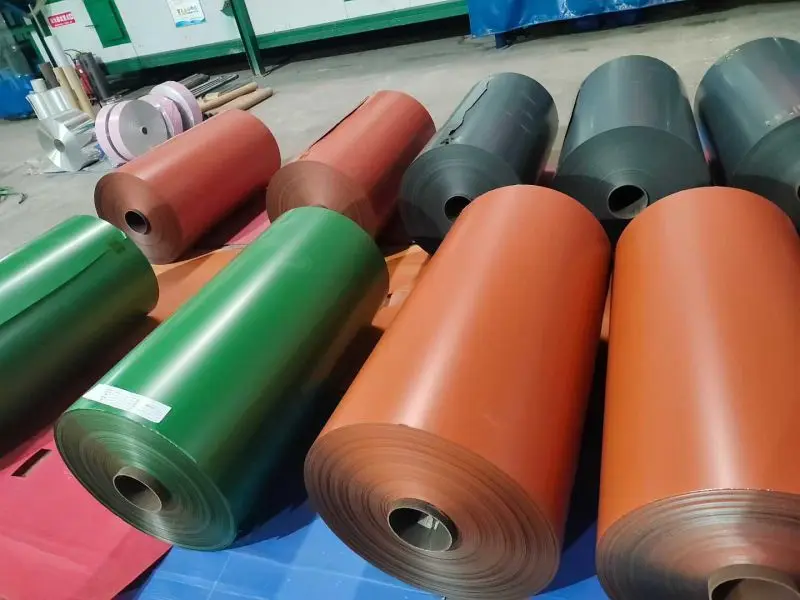
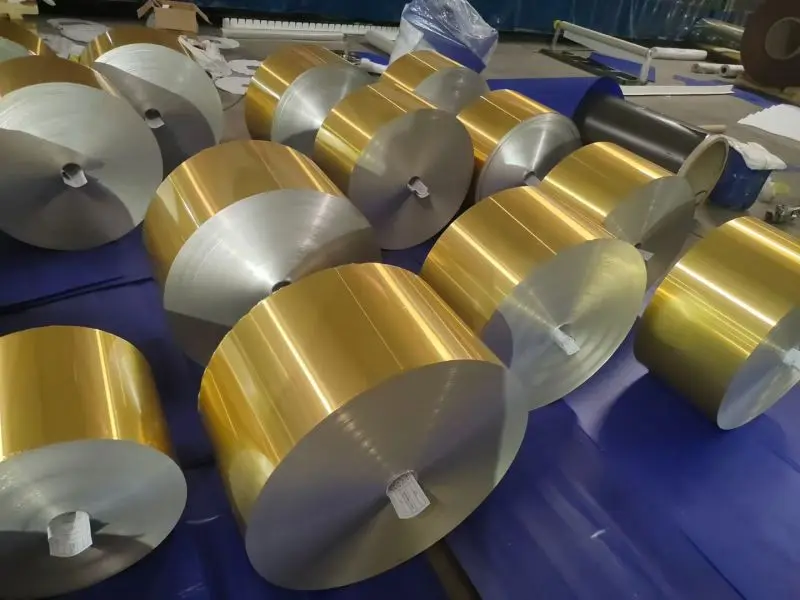
Colored Aluminum Foil

Why Getting the Size Right Pays Off

Less Food Waste

A tray that matches your portion size means less leftover and better cost control.

Better Presentation

Food fills the tray neatly, so the meal looks full and fresh.

Smoother Packing

Standard sizes stack and ship efficiently, which lowers storage and freight cost.

Easier Reordering

When you record the exact size code, lid fit, and thickness, repeat orders stay simple.

Applications

Foil containers in different sizes serve many food and non-food uses.

  • Takeaway and delivery meals
  • Catering and buffet trays
  • Bakery packaging for pies, cakes, and bread
  • Frozen and ready-meal retail packaging
  • Airline and hospital meal service
  • Home baking, roasting, and meal prep
  • Barbecue and outdoor cooking trays
  • Portion cups for sauces and desserts
  • Food donation and community kitchens

Applications by Size
Aluminium Foil Air Fryer

Size Group Common Applications
450 to 750 ml Sides, desserts, light meals
1000 to 1500 ml Main meals, meals for two
2000 ml and 9 x 13 pans Family meals, small catering
Half-size steam pans Buffet sides, medium catering
Full-size steam pans Large events, hotels, canteens
Loaf and round pans Bakeries, home baking

Ordering Checklist

Include these details when you ask for a quote.

  • Shape and capacity or pan size
  • Length, width, and depth
  • Foil alloy and thickness
  • Smooth or ribbed wall
  • Lid type and lid size
  • Quantity per carton and total quantity
  • Printing or branding needs, if any
  • Delivery locationColored Aluminum Foil

Packaging and Delivery

Foil containers are packed to avoid crushing and denting.

  • Nested in stacks inside plastic sleeves
  • Packed in corrugated cartons, often in fixed counts per carton
  • Lids packed separately or with the trays
  • Pallet wrapped for container shipping
  • MOQ and lead time depend on size, thickness, and lid type
Kitchen Foil For Food Packaging Aluminium Foil

Frequently Asked Questions

What are the most common aluminum foil container sizes?

The most common are 450 ml to 2000 ml rectangular takeaway trays, 7 to 9 inch round pie pans, 9 x 13 inch pans, and half-size and full-size steam table pans.

What size foil container is best for takeaway meals?
Pharmaceutical Aluminum Foil in India

650 ml to 1000 ml works for most single-serve meals. Use 1500 ml or larger for shared or family portions.

How big is a half-size steam table pan?

It measures about 12.75 x 10.4 inches, or roughly 324 x 264 mm. It comes in depths such as 2.5 inches and 3.5 inches.

Do all foil containers use the same lid size?

No. Lids are matched to each tray size and brand. Always order lids with the tray code, or test a sample first.

What thickness should I choose for large trays?

Large steam pans and roasters usually need thicker foil, often around 0.10 to 0.15 mm, so they stay firm when full and hot.

Can I order custom foil container sizes?

Yes, in many cases. A custom size needs a new mold, so it works best for larger order volumes. Ask the supplier about mold cost and minimum quantity.
    Contact Form

    Get In Touch

    ×
    img

      Get In Touch

      Contact Info

      Phone number

      +8615736973771

      +8615736973771

      Email address

      jane@wwalufoil.com

      jane@wwaluminum.com

      Address info

      Gongyi, Zhengzhou, Henan, China.

      WhatsApp
      Message