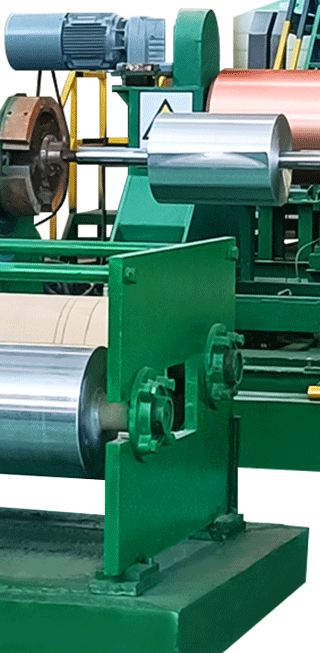
Hydrophilic aluminium fin stock is specially coated aluminum foil used in heat exchangers, air conditioners, refrigerators, and HVAC systems. Its hydrophilic coating allows water to spread evenly on the surface, preventing droplet formation and improving heat exchange efficiency. This type of aluminium fin stock is especially useful in humid environments and helps extend the life of cooling equipment.
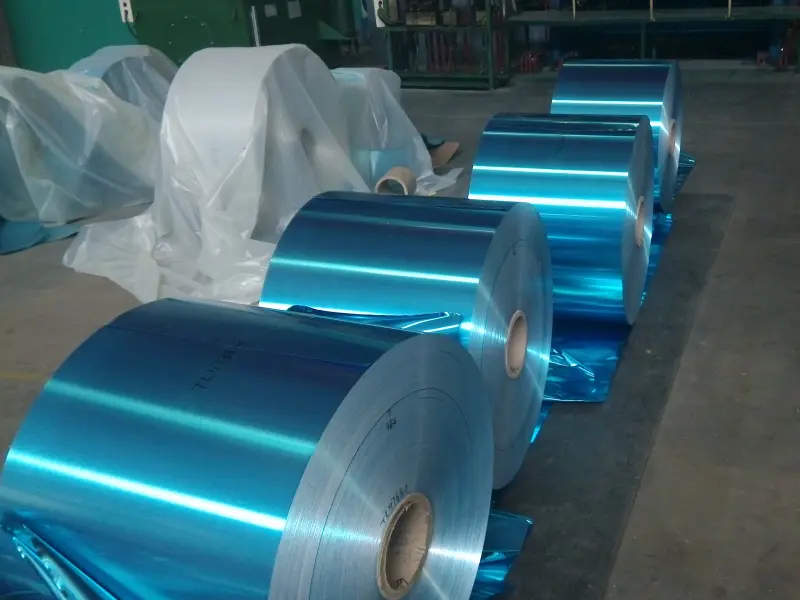
Specifications of Hydrophilic Fin Stock
- Alloys: 8011, 1100, 3102, 3003
- Temper: O, H22, H24, H26
- Thickness: 0.07 mm – 0.2 mm
- Width: 40 mm – 1450 mm
- Coating Type: Hydrophilic (blue, gold, green, or transparent)
- Surface Finish: One-side or double-side coating
- Form: Jumbo coils or slit coils
Our hydrophilic aluminum foil is manufactured to strict tolerances, ensuring consistent quality for automatic fin forming machines.
Characteristics of Fin Stock Foil
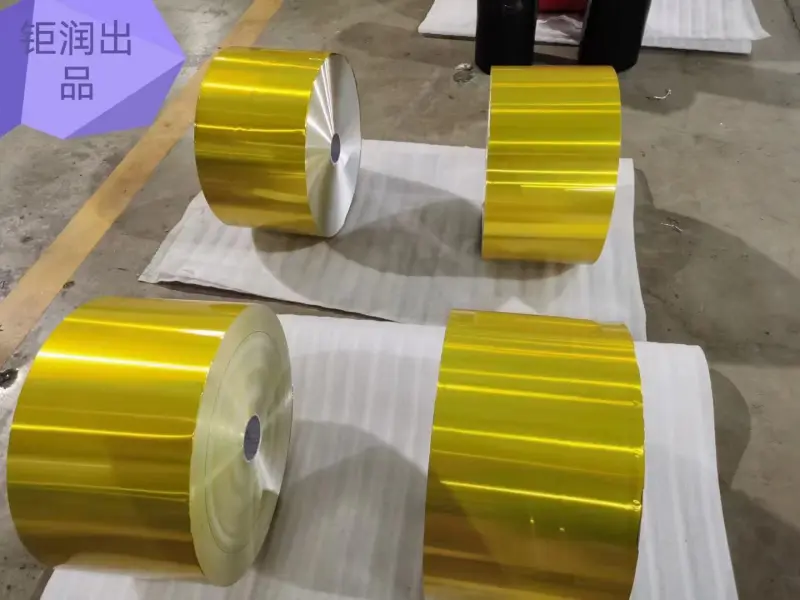
Fin stock foil is available in a wide range of sizes and specifications to meet the requirements of HVAC, refrigeration, and heat exchanger manufacturers.
Dimensional Specifications
| Property | Imperial Units | Metric Units |
|---|---|---|
| Thickness Range | 0.0039 – 0.0100 inches | 0.10 – 0.254 mm |
| Width Range (Diameter) | 1 – 47 inches | 25.4 – 1200 mm |
| Coil Inner Diameter | 3 – 6 inches | 76 – 152 mm |
| Coil Outer Diameter | Up to 24 inches | Up to 600 mm |
| Coil Weight | Up to 925 lbs | Up to 420 kg |
What Is Hydrophilic Aluminium Fin Stock?
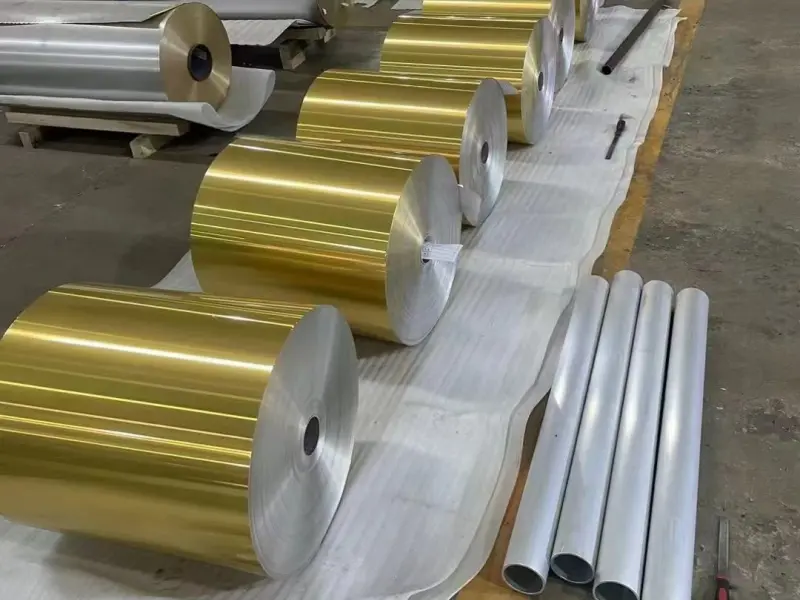
Hydrophilic fin stock is aluminium foil with a special surface treatment that enhances water absorption. This coating:
- Prevents water droplets from blocking airflow
- Reduces noise caused by dripping
- Improves defrosting speed in evaporators
- Enhances the anti-corrosion performance of aluminum
- Supports better indoor air quality in HVAC systems
Types of Hydrophilic Coating
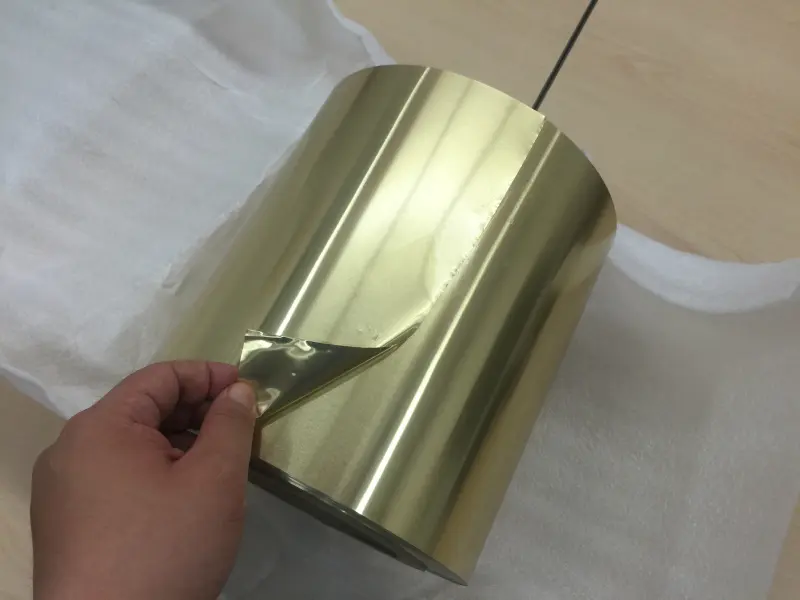
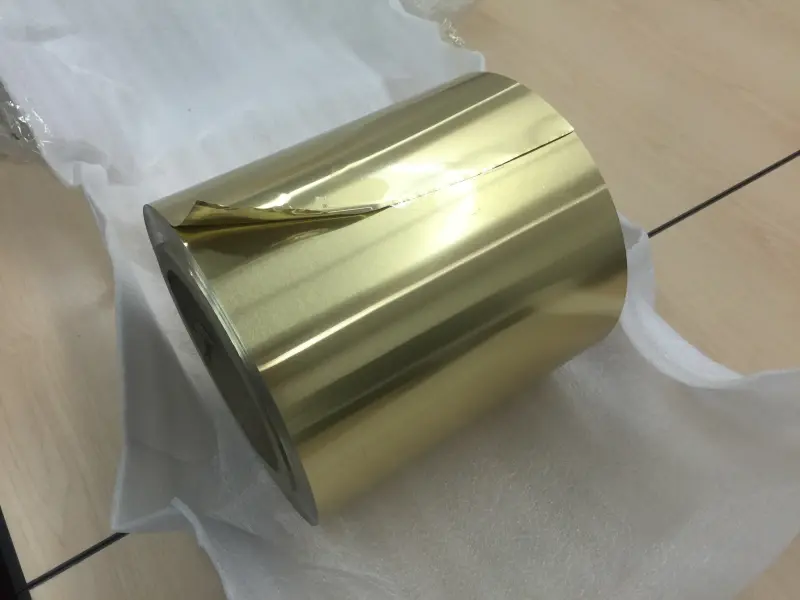
1. Blue Hydrophilic Coating
- Most common and widely used
- Good corrosion resistance and water-spreading ability
2. Gold Hydrophilic Coating
- Stronger anti-corrosion performance
- Preferred in coastal or industrial environments
3. Transparent or Green Coating
- Custom color options for branding or visual control
- Performs similarly to blue coating
Alloy Selection for Fin Stock
We offer multiple aluminium alloys based on your technical needs:
- 8011: High strength and good formability; ideal for general HVAC fin production
- 1100: Commercially pure aluminum with good ductility
- 3102: High thermal conductivity, excellent in energy-saving systems
- 3003: Good corrosion resistance, widely used in refrigeration units
Standard Sizes Available
Our hydrophilic aluminium fin stock is available in the following dimensions:
| Thickness | Width Range | Coil ID | Coil OD |
|---|---|---|---|
| 0.07–0.2 mm | 40–1450 mm | 76mm / 152mm | Max 1000mm |
Custom thickness, coating type, and slitting services are available upon request.
Applications of Hydrophilic Aluminium Fin Stock
This hydrophilic aluminium foil is commonly used in a wide range of cooling and ventilation systems:
- ❄️ Air Conditioner Heat Exchangers
- 🧊 Refrigerator Evaporator and Condenser Units
- 🌬️ HVAC Heat Transfer Coils
- 🏭 Industrial Chillers and Cooling Equipment
- 💧 Dehumidifiers and Purifiers
- 🏠 Residential and Commercial Air Cooling Systems
- 🔁 Vehicle Air Conditioning and Radiators
It is designed to enhance performance, reduce noise, and prevent mold or bacterial buildup caused by stagnant water.
Benefits of Hydrophilic Aluminium Fin Stock
- ✅ Improves water drainage in evaporator systems
- ✅ Reduces frost buildup and shortens defrost cycles
- ✅ Protects against corrosion, especially in humid climates
- ✅ Lightweight and flexible, ideal for fin-forming equipment
- ✅ Customizable coating colors and thicknesses
- ✅ Environmentally friendly and recyclable material
This coating helps increase the energy efficiency and hygiene of air systems.
Packaging and Delivery
To ensure safe delivery, our hydrophilic fin stock is packed with care:
📥 Sample rolls available for testing and development
📦 Moisture-proof plastic film wrapping
🪵 Export wooden pallets or crates
🏷️ Labeled with alloy, coating, thickness, and production date
🚛 Fast lead time: 10–20 days depending on order size
Common Alloys Used
The performance of hydrophilic aluminium fin stock is not solely dependent on its coating but also on the base aluminium alloy. Different alloys offer various mechanical properties and cost efficiencies. The most common alloys used for aluminium fin stock include:
- Alloy 1100: This is a commercially pure aluminium alloy known for its excellent corrosion resistance and high ductility. Its good thermal conductivity also makes it a reliable choice for heat exchangers.
- Alloy 3003: This is an aluminium-manganese alloy, offering good strength, formability, and corrosion resistance. It’s a very popular general-purpose alloy in the aluminium industry and widely used for aluminium fin stock due to its balanced properties. It provides more strength than 1100 series alloys.
- Alloy 8011: This is an aluminium-iron-silicon alloy, often used in foil applications due to its excellent rollability and strength.
The choice of alloy depends on the specific requirements of the heat exchanger, including strength, thermal performance, cost, and manufacturing processes.
Benefits and Advantages
The use of hydrophilic aluminium fin stock in heat exchange systems offers a multitude of benefits that lead to improved performance, longevity, and energy savings.
- Enhanced Heat Exchange Efficiency: By preventing water droplet formation, the entire surface of the fin remains available for heat transfer. This means the system can cool or heat more effectively, leading to better overall thermal performance. This is the primary advantage of choosing hydrophilic aluminium fin stock.
- Improved Airflow: When water beads up, it restricts the flow of air through the fins. The hydrophilic coating ensures water spreads and drains, maintaining clear air passages and optimal airflow. This is crucial for HVAC systems and air conditioners.
- Reduced Energy Consumption: Higher heat transfer efficiency means the system doesn’t have to work as hard or run as long to achieve the desired temperature. This directly translates into significant energy efficiency savings over the lifespan of the equipment.
- Enhanced Corrosion Resistance: The special coating acts as an additional protective layer against various corrosive elements found in the atmosphere, such as pollutants and moisture. This significantly extends the service life of the fin material and the entire heat exchanger.
- Odor and Bacteria Control: By preventing stagnant water accumulation and promoting drainage, hydrophilic fins help inhibit the growth of mold, mildew, bacteria, and fungi. This leads to cleaner air and reduces unpleasant odors, particularly important in air conditioners.
- Easier Maintenance: The smooth, anti-stick surface of hydrophilic fins makes them less prone to dust and dirt accumulation, simplifying cleaning and reducing maintenance frequency. This also contributes to better air quality.
Hydrophilic aluminium fin stock an intelligent investment for manufacturers looking to produce high-performance, durable, and energy-efficient heat exchange products.
Manufacturing Process (Brief Overview)
The production of hydrophilic aluminium fin stock involves several key steps, building upon the standard manufacturing of aluminium coils.
- Aluminium Rolling: High-purity aluminium ingots or slabs are first hot-rolled and then cold-rolled into thin sheets or coils, achieving the desired thickness for the fin material. This process ensures the material has the correct mechanical properties and surface finish.
- Surface Cleaning: Before coating, the aluminium coil undergoes thorough cleaning to remove any oils, dirt, or oxides from its surface. This step is critical for ensuring good adhesion of the hydrophilic coating.
- Coating Application: The cleaned aluminium coil then passes through a specialized coating line. Here, the liquid hydrophilic solution is precisely applied to one or both sides of the aluminium surface.
- Curing/Baking: After application, the coated coil enters a curing oven. The high temperature bakes the coating onto the aluminium surface, forming a durable, uniform, and water-loving film. This curing process is essential for the long-term effectiveness of the hydrophilic aluminium fin stock.
- Slitting and Packaging: Finally, the large coated coil is typically slit into narrower widths according to customer specifications and then carefully packaged for shipment.
This controlled manufacturing process ensures that the hydrophilic aluminium fin stock consistently meets high standards for quality, performance, and durability.
Application Areas
Hydrophilic aluminium fin stock is a critical component in a wide range of thermal management systems due where efficient heat exchange and moisture control are essential. Its unique properties make it ideal for:
- Air Conditioners:
- Residential Air Conditioners: Split units, window units, and central HVAC systems utilize hydrophilic fins in evaporators and condensers for better cooling performance and energy efficiency.
- Commercial Air Conditioning Systems: Large-scale HVAC units in offices, malls, and factories benefit from the enhanced performance and reduced maintenance.
- Refrigeration Systems:
- Commercial Refrigerators and Freezers: Used in supermarket display cases and cold storage units to maintain consistent temperatures and reduce frost buildup.
- Industrial Chillers: Important for process cooling in various industries where precise temperature control is needed.
- Dehumidifiers: The fins efficiently condense moisture from the air, making them a core component in dehumidification equipment.
- Automotive HVAC: Used in car air conditioning systems to improve cooling performance and reduce the risk of mold growth in compact spaces.
- Heat Pumps: Essential for efficient heat transfer in both heating and cooling modes, contributing to the overall energy efficiency of the system.
- Display Coolers and Vending Machines: Ensures optimal cooling performance and prevents condensation-related issues on glass surfaces.
The versatility and effectiveness of hydrophilic aluminium fin stock make it an indispensable material across numerous industries focused on climate control and thermal management.
Why Choose Hydrophilic Aluminium Fin Stock?
Choosing hydrophilic aluminium fin stock is a strategic decision for manufacturers and consumers alike. For manufacturers, it means producing more competitive products that offer superior performance and longer lifespans.
The added corrosion resistance provided by the hydrophilic coating means fewer warranty claims and higher customer satisfaction.
From a consumer perspective, systems using hydrophilic aluminium fin stock consume less energy, leading to lower electricity bills. The “anti-dirty” nature of the surface means the unit remains cleaner for longer periods, reducing unpleasant odors and maintenance hassles.
It represents a significant advancement in fin material technology, driving innovation in the HVAC systems and refrigeration industries.
What is Hydrophilic Aluminium Fin Stock?
Hydrophilic aluminium fin stock is a specially treated aluminium material designed for use in heat exchangers, particularly in air conditioning and refrigeration systems. The term “hydrophilic” means “water-loving.” This special property is achieved by applying a unique coating to the aluminium surface. This coating allows water condensation to spread evenly across the surface rather than forming droplets. This seemingly simple feature brings significant advantages to the performance and lifespan of heat exchange equipment.
Why Choose Hydrophilic Coating?
Performance Advantages
- 30% Better Drainage vs. bare aluminium
- Reduces Frost Build-Up in refrigeration
- Lowers Energy Consumption by improving heat transfer
- Self-Cleaning Effect minimizes dust accumulation
Comparison: Hydrophilic vs. Standard Fin Stock
| Feature | Hydrophilic Fin Stock | Standard Fin Stock |
|---|---|---|
| Water Behavior | Forms thin film | Forms droplets |
| Maintenance | Less frequent cleaning | Regular defrosting needed |
| Longevity | 8-12 years | 5-8 years |
| Cost | 15-20% premium | Base price |
Industry Applications
HVAC Systems
- Condenser coils (improves heat rejection)
- Evaporator fins (reduces ice accumulation)
- Air handler units (lowers humidity issues)
Refrigeration Equipment
- Commercial freezers (decreases defrost cycles)
- Walk-in coolers (better temperature consistency)
- Display cases (clear visibility, less fogging)
Specialty Uses
- Dehumidifiers (enhances moisture removal)
- Heat pump systems (improves winter performance)
- Industrial chillers (handles high condensation loads)
Frequently Asked Questions (FAQ)
Q: How does hydrophilic coating work?
A: The polar polymer coating attracts water molecules, causing condensation to spread evenly rather than forming droplets that insulate the surface.
Q: Is it safe for food refrigeration?
A: Yes – coatings meet FDA 21 CFR and EU 10/2011 standards for indirect food contact.
Q: Can it be repaired if scratched?
A: Minor scratches don’t affect performance, but major damage requires recoating by specialists.
Q: What’s the typical lifespan?
A: 8-15 years depending on:
- Environmental conditions (coastal vs. inland)
- Maintenance frequency
- Air quality (dust/chemical exposure)
Q: How to clean hydrophilic fins?
A: Use pH-neutral cleaners – avoid acids/alkalis that degrade the coating.
Ordering Guidelines
Key Selection Factors
- Alloy Choice: 1100 (general use) vs. 8011 (high strength)
- Coating Thickness: 10μm for indoor use, 15-20μm for harsh environments
- Fin Density: 12-14 FPI (fins per inch) balances airflow & efficiency
Packaging Options
- Protective interleaving between layers
- Moisture-proof wrapping for海运
- Custom slit widths (12″-60″ standards)
Why Our Hydrophilic Fin Stock?
✔ Proprietary coating formula (lasts 30% longer than competitors)
✔ Third-party tested for thermal performance
✔ Just-in-time production (no minimum order)
✔ Technical support for system design
🌊 Request samples to test performance!