Are Aluminum Foil Trays Dishwasher Safe?
The internet is full of strange hacks and tips, and one that often pops up is about putting aluminum foil in the dishwasher. From claims of shining silverware to preventing rust, these suggestions can be tempting. But before you toss that crinkled ball of foil into your next wash cycle, let’s explore what really happens and if it’s a good idea for your dishes or your appliance.
What Does Putting Aluminum Foil in the Dishwasher Do? (And What Doesn’t It Do?)
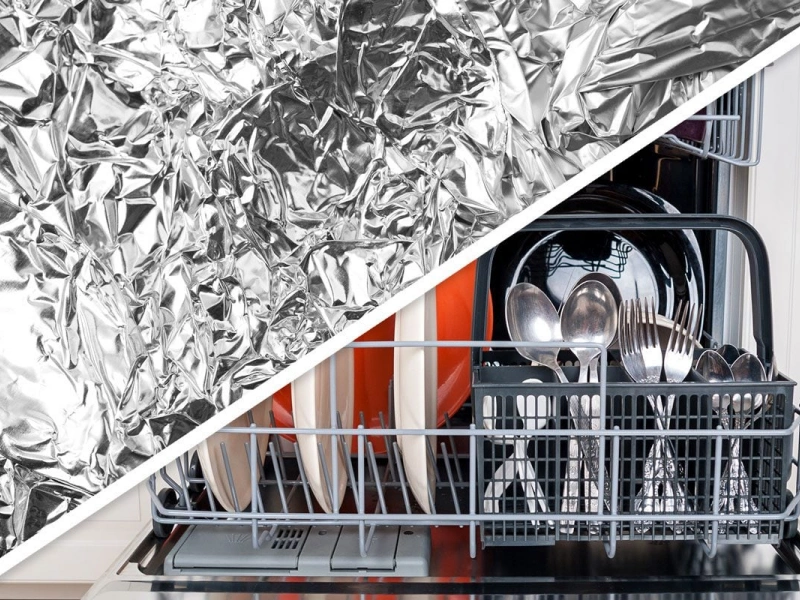
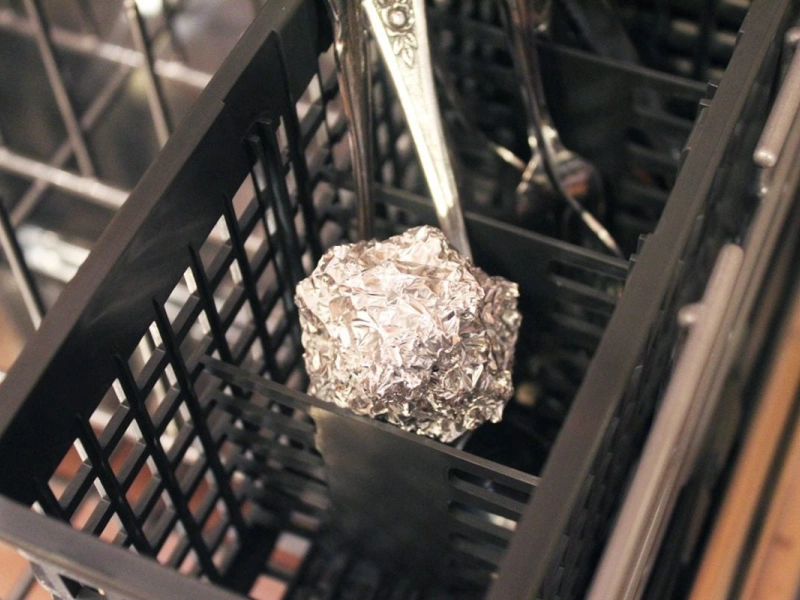
Many people hear the suggestion to put aluminum foil in the dishwasher with the belief that it will somehow make their silverware sparkle. The theory often involves a chemical reaction that is supposed to remove tarnish.
The Myth:
The common idea is that a ball of aluminum foil acts as an anode in an electrolytic reaction with other metals, like sterling silver, to remove tarnish. While such a reaction can occur outside the dishwasher (e.g., in a bath with baking soda and hot water), the dishwasher environment is very different.
The Reality:
In the harsh environment of a dishwasher – with high heat, strong detergents, and powerful water jets – aluminum foil is more likely to cause problems than solutions.
- Discoloration: The chemicals in dishwasher detergent can react with aluminum, causing it to oxidize and turn dark, dull, or even pitted. This can affect the foil itself and potentially transfer to other items.
- No Real Benefit for Silverware: The specific conditions needed for the tarnish-removing electrolytic reaction (direct contact with the silver, specific chemical bath, minimal agitation) are not present in a dishwasher. Your silverware will get clean, but not specifically polished by the foil.
- Potential Damage to the Dishwasher: Small pieces of foil can tear, break off, and get into the dishwasher’s filter or drain pump, potentially causing blockages or damage over time.
Is It Safe to Put Aluminum in the Dishwasher?
Generally, the answer is no, it is not safe or advisable to put many types of aluminum in the dishwasher. This applies to more than just crinkled foil balls.
Here’s why:
- Harsh Detergents: Most dishwasher detergents contain alkaline ingredients that are highly corrosive to aluminum. This can lead to permanent damage.
- High Temperatures: The intense heat of a dishwasher cycle can accelerate the chemical reactions that damage aluminum.
- Water Spots and Pitting: Aluminum can develop unsightly water spots, a white film, or even small pits and holes due to the aggressive washing cycle.
- Galvanic Corrosion: If aluminum items are in contact with other metals (especially stainless steel or silver) in the presence of hot water and detergent, it can lead to galvanic corrosion, where one metal corrodes faster.
Are Aluminum Foil Trays Dishwasher Safe?
This is a common question, especially for those using disposable aluminum foil trays for cooking or potlucks.
Disposable Aluminum Foil Trays:
- Not Recommended: Most disposable aluminum foil trays are designed for single use and are generally not dishwasher safe.
- They are thin and can easily warp or tear during the wash cycle.
- They are prone to the same discoloration and pitting issues as other aluminum items.
- They can also shed small pieces of aluminum, which can clog your dishwasher.
- Environmental Impact: Re-washing disposable trays also goes against their intended purpose and environmental efforts to reduce waste, as the energy and water used for cleaning might outweigh the benefit of reuse.
Reusable Aluminum Cookware (Pots, Pans, Baking Sheets):
- Check Manufacturer’s Instructions: Some anodized or specially coated aluminum cookware might be labeled as dishwasher safe, but it’s crucial to check the manufacturer’s care instructions.
- Most are Hand Wash Only: The vast majority of aluminum pots, pans, and baking sheets (especially non-anodized ones) are not dishwasher safe. They will likely dull, pit, or discolor over time, and non-stick coatings can be damaged.
The “Aluminum Ball” Myth – Beyond the Dishwasher
The idea of using an aluminum foil ball has also spread to other household appliances, often with similarly dubious results.
What Does a Ball of Aluminum Foil in the Washer Do? (Laundry)
The Myth:
Some claim that adding an aluminum foil ball to your laundry washer helps reduce static cling, soften clothes, or even help clean them better.
The Reality:
- Static Reduction: While aluminum is a conductor, a ball of foil in a tumbling washing machine is unlikely to effectively dissipate static electricity. Dryer balls (wool or plastic) are specifically designed for this purpose in the dryer, not the washer.
- No Cleaning Benefit: An aluminum foil ball offers no proven cleaning benefits for clothes. Detergent and water are what clean your garments.
- Potential Damage: A foil ball could potentially scratch the inside of your washing machine drum or even tear delicate fabrics.
Why Put Balls of Aluminum Foil in a Toilet Tank?
The Myth:
Another peculiar suggestion is to place aluminum foil balls in a toilet tank to prevent rust stains or mineral buildup.
The Reality:
- No Effect on Rust/Minerals: There’s no scientific basis for aluminum foil preventing rust or mineral buildup in a toilet tank. Rust usually comes from iron content in the water or corroding metal parts within the tank (like bolts or the fill valve mechanism).
- Potential Obstruction: A foil ball could potentially shift and interfere with the toilet’s flushing mechanism, causing blockages or malfunctions.
- Better Solutions: For rust or mineral issues, specific toilet bowl cleaners or water softeners are the correct solutions.
Best Practices for Cleaning Aluminum
Instead of relying on questionable hacks, here are the proper ways to clean different types of aluminum items:
- Disposable Aluminum Foil: Recycle it (if clean) or dispose of it. Do not wash and reuse in the dishwasher.
- Aluminum Cookware (Pots, Pans):
- Hand Wash: Use warm water, a mild dish soap, and a non-abrasive sponge or cloth.
- Avoid Steel Wool: Abrasive scrubbers can scratch and damage the surface.
- Immediate Drying: Dry aluminum items immediately after washing to prevent water spots.
- Heavily Tarnished Aluminum: For items like outdoor furniture or decorative pieces, specialized aluminum cleaners are available. Always test on an inconspicuous area first.
Aluminum Items & Dishwasher Compatibility
To make it easier, here’s a quick reference table for different types of aluminum products and their typical dishwasher safe status:
| Aluminum Item Type | Dishwasher Safe? | Reason/Recommendation |
|---|---|---|
| Crinkled Aluminum Foil Ball | No | Can cause discoloration, no benefit, potential dishwasher damage. |
| Disposable Foil Trays | No | Prone to warping, discoloration, shedding pieces, not designed for reuse. Hand wash if absolutely necessary. |
| Non-Anodized Aluminum Cookware (e.g., standard pots, pans, baking sheets) | No | High risk of dulling, pitting, discoloration. Hand wash only with mild soap. |
| Anodized Aluminum Cookware | Check Label | Some specially treated items may be safe, but confirm with manufacturer. Often still best to hand wash. |
| Aluminum Cutlery/Utensils | No | Similar to cookware, prone to discoloration and pitting. Hand wash. |
| Aluminum Drink Bottles | Check Label | Many are hand-wash only to preserve exterior finish and seals. |
| Components of Your Dishwasher (e.g., racks, spray arms) | Yes | Designed to withstand the environment, but check if parts are specifically aluminum or stainless steel. |