
What Happens If You Accidentally Eat Aluminum Foil?
Aluminum foil is a staple in kitchens worldwide, prized for its versatility in cooking, wrapping, and storing food. It’s thin, shiny, and incredibly useful for everything from roasting vegetables to keeping leftovers fresh. But what happens if a small piece accidentally finds its way into your mouth and you swallow it? While it might seem alarming, understanding the actual risks and knowing what steps to take can alleviate unnecessary worry.

What is Aluminum Foil?
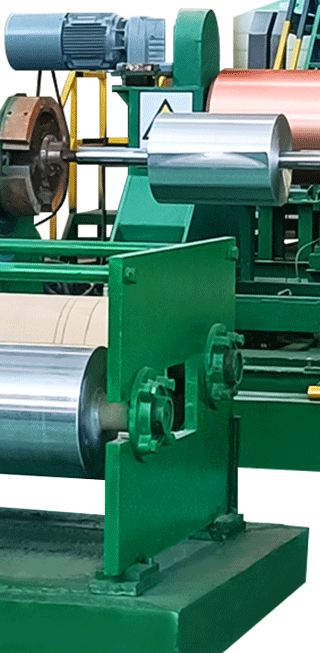
Before discussing ingestion, let’s briefly understand what aluminum foil is. It is made almost entirely from aluminum, a lightweight, silvery-white metal that is abundant in the Earth’s crust. Through a rolling process, aluminum is flattened into thin sheets, creating the foil we use daily.
Key characteristics of aluminum foil include:
- Flexibility: It can be easily shaped and molded around various items.
- Corrosion Resistance: It doesn’t rust or easily react with most foods.
- Barrier Properties: It effectively blocks light, oxygen, moisture, and odors, which helps preserve food.
- Heat Conductivity: It conducts heat well, making it ideal for cooking.
Common Household Uses for Aluminum Foil:
- Wrapping food for storage in the refrigerator or freezer.
- Lining baking sheets and pans for easier cleanup.
- Roasting meats and vegetables in the oven.
- Grilling delicate foods on the barbecue.
- Covering dishes to keep food warm.
Is Accidental Ingestion of Aluminum Foil Harmful?
When it comes to accidentally eating aluminum foil, the primary concern is generally not chemical toxicity, especially from a small piece. The human body naturally processes and eliminates tiny amounts of aluminum found in food, water, and even some medications. The risk associated with ingesting aluminum foil mainly stems from its physical properties.
Key considerations regarding harm:
- Physical Injury: The biggest danger comes from the foil’s potential to be sharp or jagged, especially if crumpled. This could cause cuts or scratches in the mouth, throat, esophagus (food pipe), or further down the digestive tract.
- Choking Hazard: For young children or if a larger piece is swallowed, there’s a risk of it getting lodged in the airway, leading to choking. This is the most immediate and serious threat.
- Obstruction: While rare for small pieces, a larger chunk of foil could potentially cause a blockage in the digestive system, although the flexible nature of foil makes this less likely than with rigid objects.
It’s important to differentiate between accidental, single ingestion of a small piece of foil and chronic exposure to high levels of aluminum, which is an entirely different medical concern. For a one-time incident, the body’s natural processes are usually capable of handling it.
Immediate Concerns and Symptoms After Swallowing Foil
If you or someone else has accidentally eaten aluminum foil, it’s crucial to observe for any immediate symptoms. Most often, if the piece is small and smooth, it will pass through the digestive system without incident. However, certain signs warrant immediate attention.
Symptoms to watch for include:
- Choking: Difficulty breathing, gasping, inability to speak or cry, blue lips or skin. This is an emergency.
- Pain: Sharp pain in the mouth, throat, chest, or abdomen.
- Difficulty Swallowing: A sensation that something is stuck.
- Vomiting: Especially if it contains blood or is persistent.
- Coughing or Gagging: Persistent coughing or gagging after ingestion.
- Blood in Stool: Indicating potential internal injury.
- Abdominal Discomfort: Persistent or severe stomach ache or cramping.
If any of these severe symptoms occur, particularly choking or significant pain, seek medical help immediately.
What to Do If You Swallowed Aluminum Foil
Your actions should depend on the size of the foil and the symptoms observed.
- Stay Calm: Panic can make the situation worse. Take a deep breath and assess.
- Small, Smooth Piece, No Symptoms:
- In most cases, a tiny, smooth piece of foil will pass through the digestive system without any problems.
- Monitor the individual closely for the next few days for any of the symptoms listed above.
- Ensure they continue to eat and drink normally, as fiber and fluids can help the object pass.
- Large or Sharp Piece, or Any Symptoms:
- Do not try to induce vomiting. This could cause further injury to the esophagus or throat, especially if the foil has sharp edges.
- Do not give laxatives.
- Seek medical attention immediately. Contact an emergency number (e.g., 911 or your local equivalent) or go to the nearest emergency room. This is especially critical if there’s choking, severe pain, difficulty breathing, or bleeding.
- For children, always err on the side of caution and consult a doctor, even if the piece seems small, as their airways and digestive tracts are smaller and more delicate.
A doctor might perform imaging tests (like X-rays, although aluminum foil isn’t always clearly visible) or an endoscopy to locate and potentially remove the foil if it’s causing problems.
Long-Term Effects of Accidental Ingestion
For a single, accidental ingestion of a small piece of aluminum foil, there are generally no known long-term effects. The human body is designed to pass small foreign objects through the digestive system. Most often, the foil will be excreted within a few days, unnoticed.
The concern regarding aluminum toxicity typically relates to chronic, high-level exposure through environmental factors, certain medications (like antacids), or specific medical conditions, not a one-off incident with household foil. Therefore, you do not need to worry about long-term aluminum poisoning from accidentally eating a small piece of foil.
Prevention: Keeping Safe with Aluminum Foil
Preventing accidental ingestion is always the best approach. Here are some simple tips:
- Supervise Children: Keep aluminum foil out of reach of infants and toddlers, who might explore objects by putting them in their mouths.
- Mindful Food Preparation: Be careful when wrapping food or tearing foil, ensuring no small pieces accidentally fall into the food.
- Check Food Before Eating: Always take a quick look at your food, especially if it was wrapped in foil, to ensure no fragments are present.
- Proper Disposal: Dispose of used foil promptly and securely to prevent curious pets or small children from accessing it.
Common Myths vs. Facts about Ingesting Aluminum Foil
Let’s clear up some common misconceptions about accidentally eating aluminum foil:
| Myth | Fact |
|---|---|
| Aluminum foil is highly toxic if swallowed. | While pure aluminum can be toxic in large amounts, the small amount in a piece of foil is generally not chemically toxic upon accidental ingestion. The risk is primarily physical. |
| It will get stuck in your intestines forever. | Most small, foreign objects, including aluminum foil, pass through the digestive system within a few days. The body’s natural processes are usually efficient. |
| You must make yourself vomit immediately. | Never induce vomiting. This can cause more harm, especially if the foil has sharp edges, potentially cutting the esophagus on the way back up. |
| Eating foil will cause aluminum poisoning. | A single accidental ingestion of a small piece is highly unlikely to cause aluminum poisoning. This is a concern for chronic, high-level exposure over time. |
Different Forms and Specifications of Aluminum Foil
While discussing aluminum foil, it’s interesting to note its various forms and specifications. These differences usually relate to their intended use rather than their risk if ingested, but they represent the “digitalized types” and “specifications” often discussed.
| Type of Aluminum Foil | Approximate Thickness | Common Use Cases | Key Feature |
|---|---|---|---|
| Standard Household | 0.016 mm | Wrapping, general cooking, light duty | Most common, versatile for everyday kitchen tasks |
| Heavy-Duty | 0.024 mm | Grilling, roasting, freezer storage, industrial | More robust, less prone to tearing or puncturing |
| Non-Stick Foil | 0.016 mm | Baking, delicate foods, easy release | Special coating prevents food from sticking |
| Restaurant/Commercial | 0.024 – 0.030 mm | Catering, large-scale cooking, professional use | Wider rolls, higher tensile strength, bulk packaging |
| Pop-up Foil Sheets | 0.016 mm | Food service, quick wrapping, sandwich packing | Pre-cut, interleaved sheets for convenience |
These various types illustrate how manufacturers adapt aluminum foil for different needs, each designed for specific performance. Regardless of the type, the advice for accidental ingestion remains consistent.
What to Do: A Quick Reference for Symptoms and Actions
It’s always best to be prepared. Here’s a quick guide for potential symptoms and recommended actions:
| Symptom | Recommended Action |
|---|---|
| No symptoms, small and smooth piece ingested | Monitor closely for 2-3 days. Encourage normal eating/drinking. |
| Choking, severe breathing difficulty, inability to speak | Call emergency services immediately (e.g., 911 or local equivalent). Perform Heimlich maneuver if trained. |
| Severe pain in mouth, throat, chest, or abdomen | Seek urgent medical attention at an emergency room. |
| Persistent vomiting, especially with blood | Seek urgent medical attention at an emergency room. |
| Persistent coughing or gagging | Consult a doctor if it doesn’t resolve quickly. May indicate irritation or partial obstruction. |
| Blood in stool | Seek urgent medical attention. |
| Persistent abdominal discomfort or cramping | Consult a doctor if symptoms are severe or do not improve. |
| Fever accompanying other symptoms | Consult a doctor, as this could indicate an infection or complications. |
What Happens If You Accidentally Eat Aluminum Foil?
accidentally eating aluminum foil is a scenario that typically causes more alarm than actual harm. For a small, smooth piece, it’s highly likely to pass through your system without any complications. The primary risks are physical injuries like choking or cuts, rather than chemical toxicity. Always prioritize safety by keeping foil out of reach of small children and inspecting your food carefully. If a significant amount is ingested, if the piece is sharp or large, or if any worrying symptoms develop, always err on the side of caution and seek immediate medical attention. Your health and peace of mind are paramount.


Leave a Comment
You must be logged in to post a comment.