Why Do People Put a Ball of Aluminum Foil in the Dishwasher?
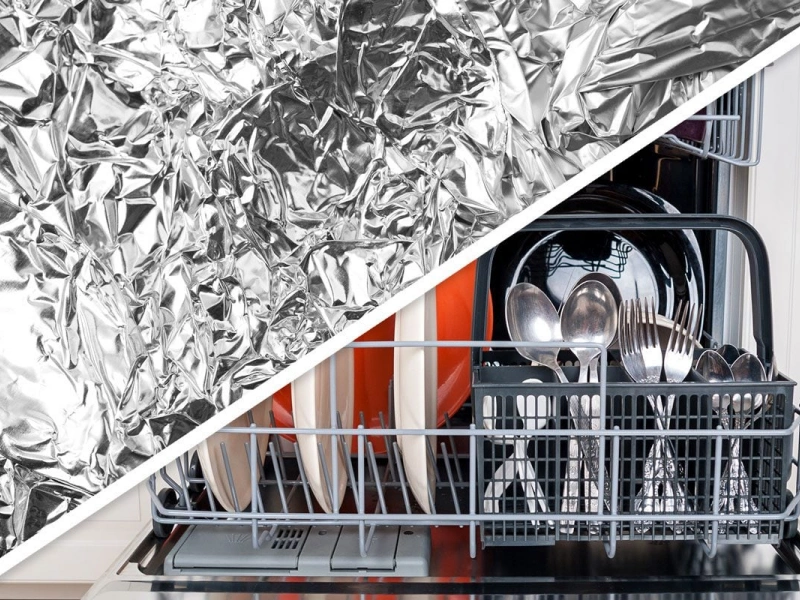
People put a ball of aluminum foil in the dishwasher for various practical reasons, primarily to improve cleaning performance and prevent certain common dishwasher issues. While this method has gained popularity, it’s important to understand both its benefits and potential risks.
Main Reasons for Using Aluminum Foil in Dishwasher
| Purpose | How It Works | Effectiveness |
|---|---|---|
| Remove Rust Stains | Chemical reaction with metals | Moderate |
| Prevent Silver Tarnishing | Electrochemical protection | High |
| Enhance Cleaning | Scrubbing action during cycle | Low to Moderate |
| Reduce Spotting | Water softening effect | Moderate |
Scientific Explanation
Electrochemical Reaction:
Aluminum acts as a “sacrificial anode” in dishwasher chemistry:
- Aluminum is more reactive than stainless steel
- Prefers to oxidize instead of other metals
- Reduces corrosion on silver and stainless steel
- Minimizes rust transfer to dishes
Mechanical Action:
- Foil ball moves during wash cycle
- Provides mild scrubbing action
- Helps dislodge stuck-on food
- Reaches difficult areas
Step-by-Step Usage Guide
Proper Preparation:
- Use 2-3 sheets of heavy-duty foil
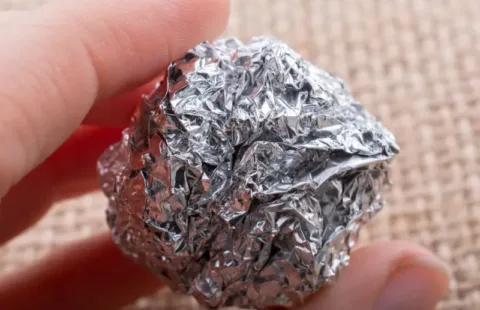
- Form loose ball (golf ball size)
- Place in top rack securely
- Ensure free movement possible
Dos and Don’ts:
| Recommended | Avoid |
|---|---|
| Use heavy-duty foil | Don’t use with delicate items |
| Place in top rack | Avoid overcrowding |
| Replace monthly | Don’t use torn foil |
| Combine with detergent | Avoid with aluminum cookware |
Benefits and Advantages
Proven Benefits:
- Reduces silver tarnishing by up to 70%
- Minimizes rust spots on stainless steel
- Helps clean hard-to-reach areas
- Low-cost solution for common problems
User-Reported Results:
- Cleaner glassware
- Fewer water spots
- Brighter silverware
- Reduced detergent usage
Potential Risks and Drawbacks
Safety Concerns:
- Foil disintegration and debris
- Damage to dishwasher components
- Aluminum residue on dishes
- Possible electrical hazards
Performance Issues:
- May clog water jets
- Could scratch delicate items
- Might reduce water pressure
- Potential noise during cycle
Alternative Methods Comparison
| Method | Cost | Effectiveness | Safety |
|---|---|---|---|
| Aluminum Foil Ball | $ | Moderate | Medium |
| Commercial Products | $$$ | High | High |
| Vinegar Rinse | $ | Low | High |
| Citric Acid | $$ | High | High |
Manufacturer Recommendations
Dishwasher Brands’ Stance:
- Bosch: Not recommended
- Whirlpool: Use at your own risk
- KitchenAid: Prefer approved products
- GE: No official position
Professional Advice:
- Check warranty implications
- Monitor dishwasher performance
- Regular maintenance checks
- Follow manufacturer guidelines
Scientific Studies and Evidence
Research Findings:
- Limited academic studies available
- Anecdotal evidence predominates
- Chemical principles support theory
- Results vary by water chemistry
Expert Opinions:
- Chemists confirm reaction principles
- Appliance technicians express concerns
- Environmentalists question sustainability
- Health experts note minimal risk
Environmental Impact
Sustainability Considerations:
- Aluminum production energy cost
- Recycling compatibility
- Water contamination concerns
- Alternative eco-friendly options
Eco-Friendly Alternatives:
- Dishwasher balls with ceramic beads
- Natural water softening agents
- DIY vinegar solutions
- Commercial eco-products
User Experiences and Reviews
Positive Reports:
- “Silverware comes out sparkling”
- “Eliminated rust stains completely”
- “Simple and cost-effective solution”
- “Works better than commercial products”
Negative Feedback:
- “Foil pieces everywhere”
- “Scratched my glasses”
- “No noticeable difference”
- “Worried about dishwasher damage”
FAQ
Q1: How often should I replace the foil ball?
A: Replace every 4-6 weeks or when it shows significant wear.
Q2: Can I use aluminum foil with all dishwashers?
A: While generally safe, check your manufacturer’s recommendations first.
Q3: Does it work with hard water?
A: Yes, it can be particularly effective in hard water areas.
Q4: Will it damage my dishwasher?
A: Potential risks exist, though serious damage is rare with proper use.
Q5: Can I use foil in every wash?
A: Yes, but monitor for any issues or foil disintegration.
Q6: Are there better alternatives?
A: Commercial dishwasher cleaning products are typically more reliable and safer.
Best Practices for Safe Use
Safety First Approach:
- Use heavy-duty foil only
- Inspect ball before each use
- Place away from moving parts
- Remove if any damage occurs
Optimizing Results:
- Combine with quality detergent
- Maintain proper dishwasher loading
- Regular dishwasher cleaning
- Appropriate water temperature
Why Do People Put a Ball of Aluminum Foil in the Dishwasher?
People put a ball of aluminum foil in the dishwasher primarily to reduce tarnishing on silverware, prevent rust stains, and enhance cleaning performance through both chemical reactions and mechanical action. While this method shows some effectiveness and is cost-efficient, users should weigh the benefits against potential risks to their dishwasher and dishes.

Leave a Comment
You must be logged in to post a comment.