Aluminium Foil for Cooking
- Home
- Aluminium Foil for Cooking
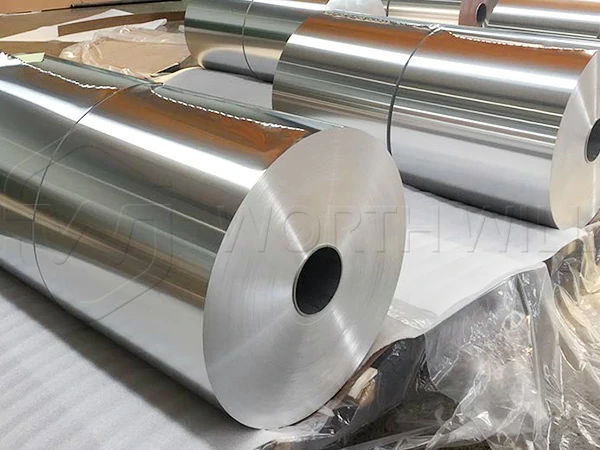
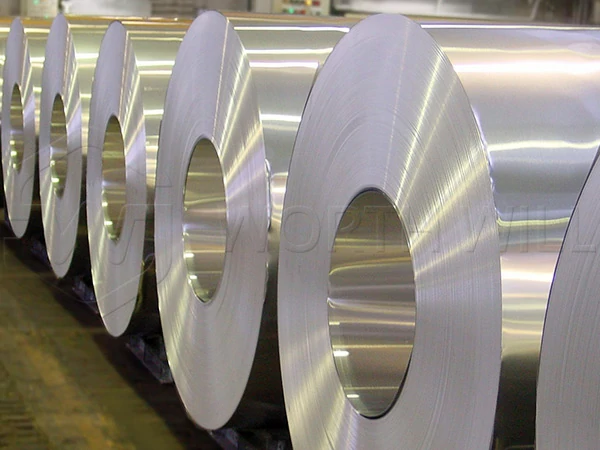

Aluminium Foil for Cooking is a versatile and commonly used material in the kitchen. It has popularity for its various applications, particularly in cooking and food preparation.
Application
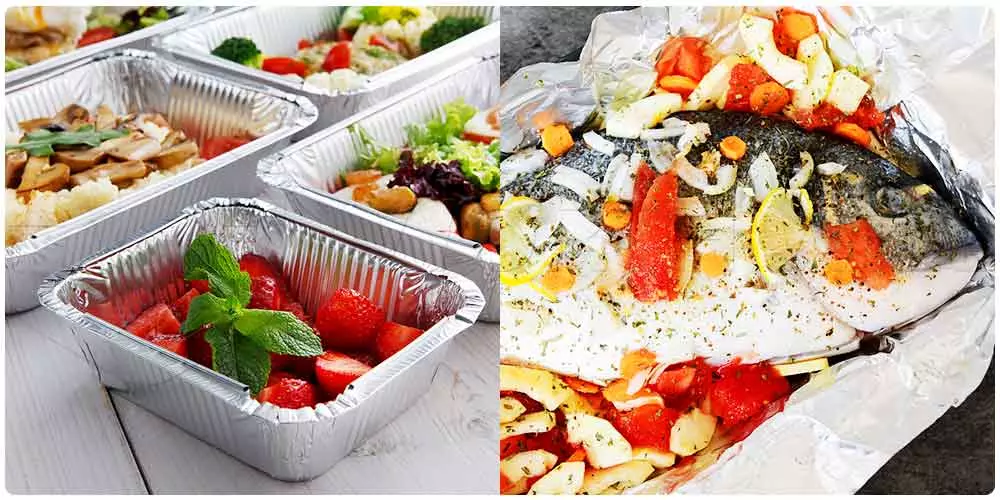
Numerous applications in cooking due to its unique properties. Here are some common uses:
- Food Storage: Aluminium foil acts as an excellent barrier against moisture, air, and light. So it is ideal for preserving the freshness and flavor.
- Wrapping and Grilling: Used to wrap food before grilling, baking, or roasting. It helps to retain moisture, enhance flavor, and prevent the food from sticking to the grill or baking pan.
- Oven and Grill Liner: Placing aluminium foil on oven or grill racks can simplify cleaning by collecting drippings and food particles. It also helps to distribute heat evenly.
- Insulation and Heat Reflection: Used to insulate dishes during cooking to promote even heating. It can also reflect heat back onto the food, aiding in faster and more efficient cooking.
Advantages
Heat Conductivity: Aluminium foil conducts heat efficiently, allowing for faster and more uniform cooking.
Versatility: Aluminium foil is flexible and into various shapes to suit different cooking needs.
Preservation of Food Quality: The protective barrier provided by aluminium foil helps to prevent the loss of moisture, flavor, and aroma in cooked food.
Is it Safe to Cook with Aluminum Foil in the Oven?
Cooking with aluminium foil is generally considered safe when used appropriately. However, there are a few precautions to keep in mind:
Avoid Direct Contact with Acidic or Salty Foods: Acidic or highly salty foods, such as tomatoes, citrus fruits, or marinades containing vinegar, may cause a chemical reaction with the aluminium foil, resulting in the transfer of aluminium to the food. It is advisable to use a barrier, such as parchment paper, when cooking such foods.
Proper Handling and Storage: Avoid using damaged or crumpled aluminium foil, as it may release small pieces of foil into the food. Store aluminium foil in a cool, dry place away from moisture and strong odors to maintain its integrity.
Use as a Cooking Aid: Aluminium foil should not be used as a cooking surface for direct contact with open flames or high heat sources.
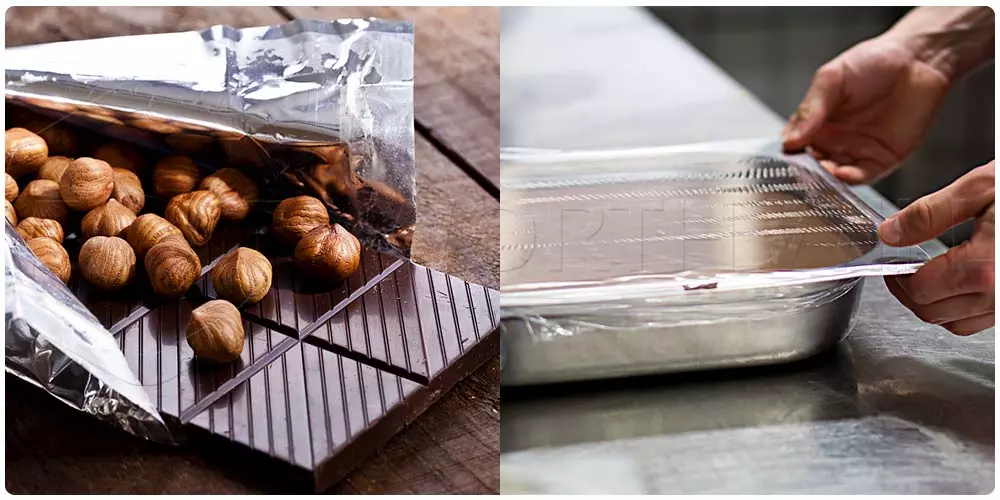
Which Side of Aluminium Foil to Use for Cooking?
Aluminium foil typically has a shiny and a dull side. However, there is no significant difference between the two in terms of performance.
Both sides has the interchangeably use for cooking purposes without affecting the outcome of the dish.
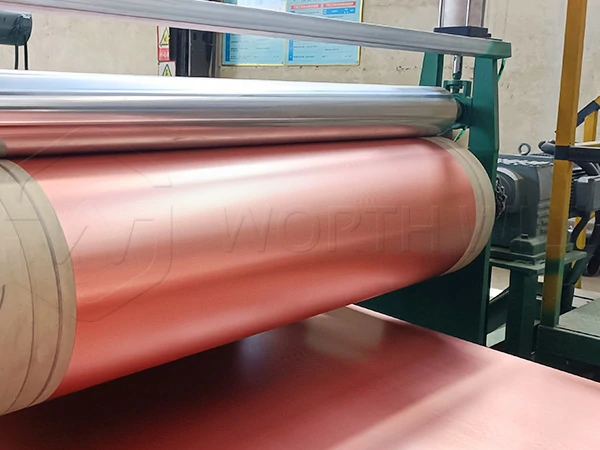
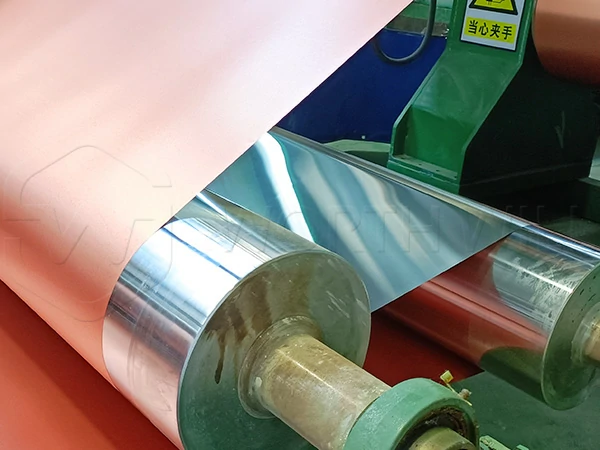
Factory & Equipment
How to Use Aluminium Foil in the Oven?
When using aluminium foil in the oven, follow these guidelines for safe and effective usage:
Preheat the oven as required by the recipe.
Cut a piece of aluminium foil large enough to wrap or cover the food item adequately.
If desired, lightly grease the dull side of the foil to prevent sticking.
Place the food item in the center of the foil and fold the edges to create a secure seal.
Ensure that the foil is not in direct contact with the heating elements or flames to prevent melting or fire hazards.
Follow the recommended cooking time and temperature for the recipe.
After cooking, carefully remove the foil-wrapped food from the oven, being mindful of the hot steam released when opening the packet.
Why To Operate Aluminum Foil For Cooking?
Aluminum foil is a valuable tool in the kitchen, offering a range of applications and advantages for cooking. When used correctly and with proper precautions, it provides convenience, helps maintain food quality, and aids in efficient cooking.
By adhering to safety guidelines and using aluminium foil as a cooking aid rather than a cooking surface, you can enjoy its benefits while ensuring a safe and enjoyable culinary experience.
Aluminum’s Versatility: From Industrial Sheets to Kitchen Foil
Aluminum is a truly useful metal. While we talk about the specialized aluminum sublimation mirror sheet for industrial uses, aluminum is also very common in our homes. Think about the everyday aluminum foil in your kitchen. Many people have questions about using aluminum foil safely. Let’s answer some common questions about this common aluminum product.
Which Side of the Aluminum Foil Should Touch the Food?
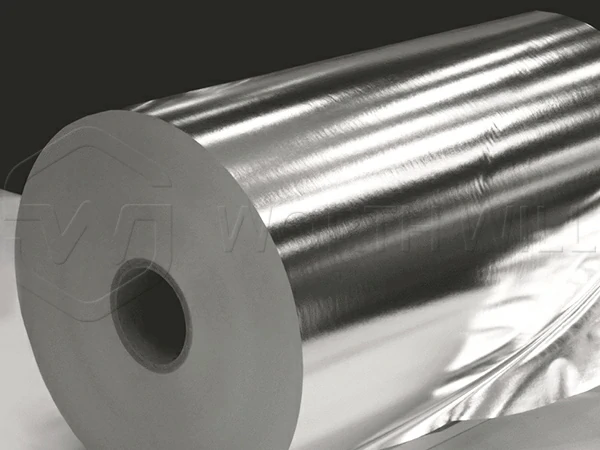
This is a very common question. Most aluminum foil has one shiny side and one dull side. The truth is, it usually does not matter which side touches the food. Both sides work the same way for cooking and heat transfer. The difference in how shiny they are comes from how the foil is made. During making, two layers of foil are pressed together. The side touching the machine’s rollers becomes shiny, and the side touching another foil layer becomes dull. So, when using aluminum foil for cooking, either side is fine.
Which Aluminum Foil is Best for Cooking?
The “best” aluminum foil depends on what you are cooking.
- Standard duty foil: This is good for everyday cooking, wrapping leftovers, and lining baking pans.
- Heavy duty foil: This is thicker and stronger. It’s better for grilling, roasting big foods, or lining pans for very messy dishes. It does not tear as easily.
- Non-stick foil: This has a special coating on one side to stop food from sticking. It’s great for baking and roasting sticky foods.
For most kitchen needs, a good quality standard or heavy-duty aluminum foil is excellent.
Is Reynolds Wrap Aluminum Foil Safe?
Yes, Reynolds Wrap aluminum foil is widely considered safe for cooking and storing food. It meets food safety rules. Aluminum is a natural element found in food, water, and air. Small amounts can move into food, especially with acidic foods, but the amounts are usually very low and safe for most people. Using Reynolds Wrap aluminum foil as directed is safe for daily cooking.
Why is Tin Foil Not Used Anymore?
Many people still say “tin foil,” but what they are using is actually aluminum foil. Tin foil was used a long time ago, mostly in the early 1900s. However, tin had some problems. It was more expensive, could leave a metallic taste on food, and was not as flexible or strong as aluminum. Aluminum foil became popular in the mid-1900s because it was cheaper, lighter, stronger, and did not add a taste to food. So, while the name “tin foil” stayed, it has been replaced by much better aluminum foil for many decades.