Understanding the Right Way to Use Aluminium Foil in the Oven
Aluminium foil is one of the most common kitchen tools used for baking, roasting, and covering food. However, many people wonder: is it safe to put aluminium foil in the oven?
This guide explains the safe ways to use foil, common mistakes to avoid, and how different types and thicknesses of aluminium foil perform under heat.
What Is Aluminium Foil?
Aluminium foil is a thin sheet of aluminum metal, usually ranging from 0.006 mm to 0.2 mm thick.
It is heat-resistant, flexible, and helps in even heat distribution during cooking or baking.
| Parameter | Specification |
|---|---|
| Material | Pure Aluminum (AA 8011 / 1235 / 3003) |
| Thickness | 0.006 mm – 0.2 mm |
| Width Range | 100 mm – 600 mm |
| Temperature Resistance | Up to 660°C (1220°F) |
| Surface Finish | Bright / Matt |
| Common Type | Household foil, heavy-duty foil, catering foil |
Is It Safe to Put Aluminium Foil in the Oven?
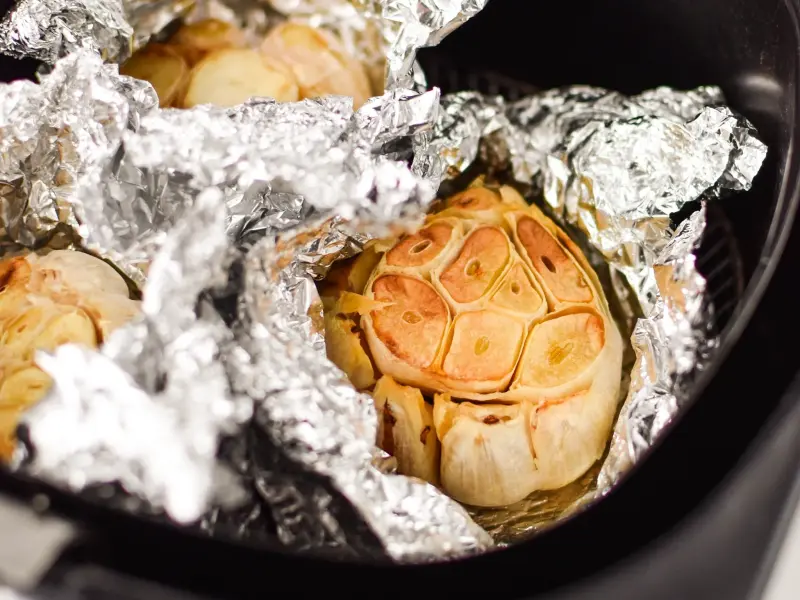
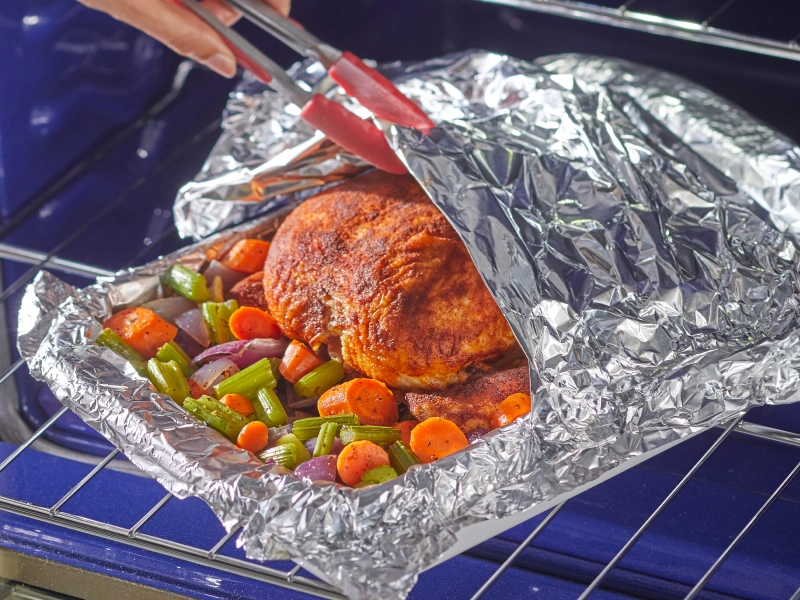
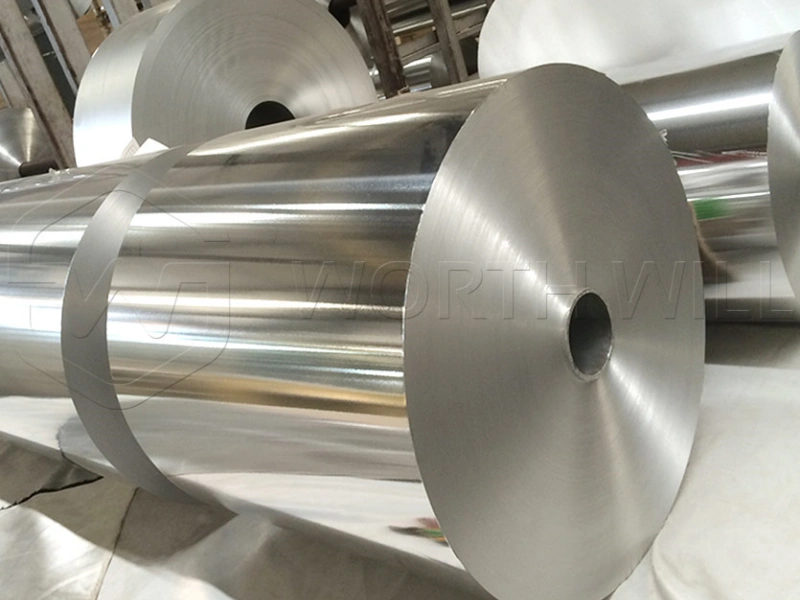
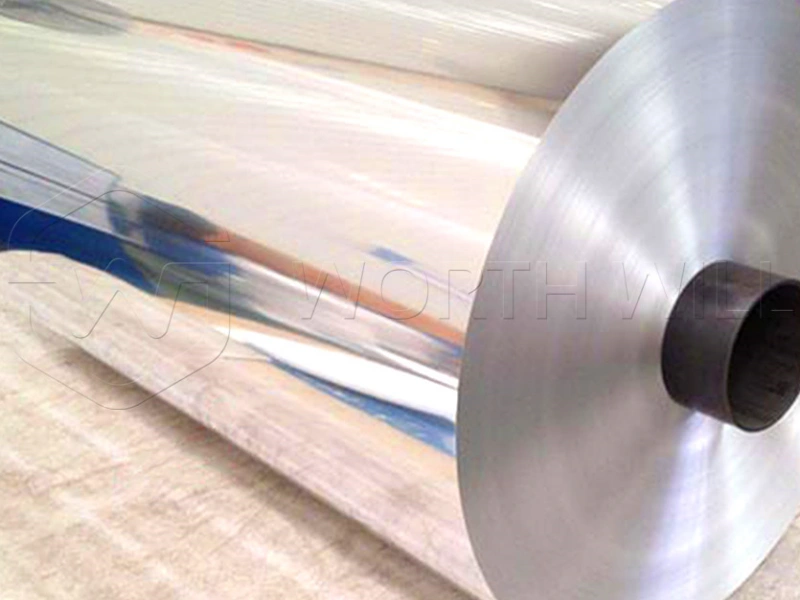
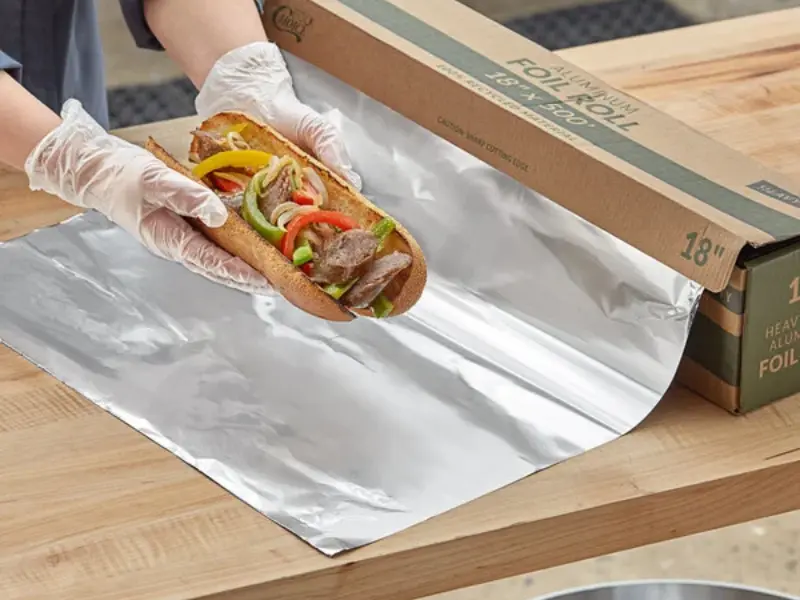
Yes, it is generally safe to use aluminium foil in the oven, as long as you follow certain precautions.
Aluminium foil can withstand high temperatures up to 600°C (1112°F) before it starts to melt or deform.
Safe Uses Include:
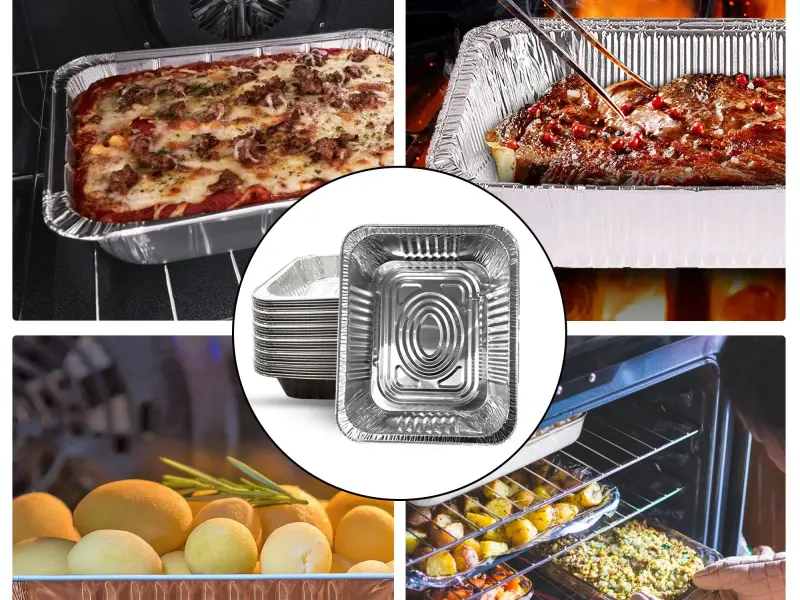
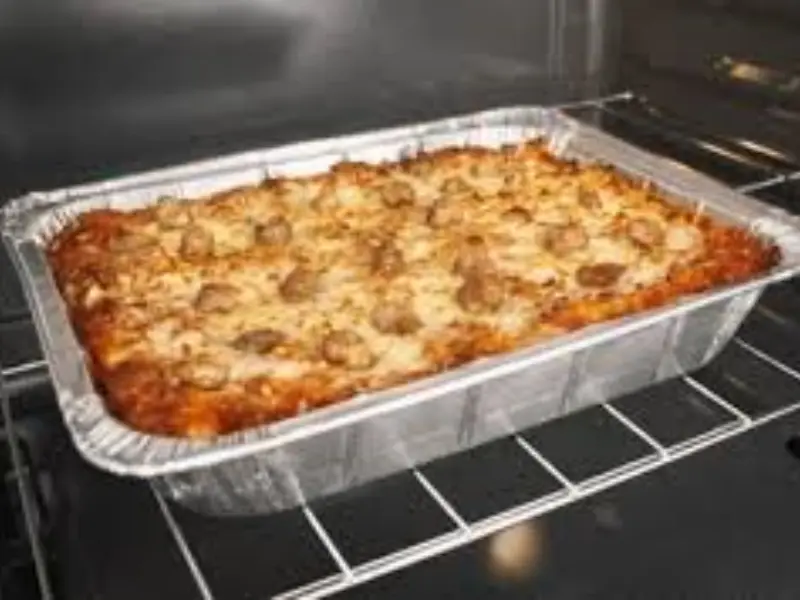
- Lining baking trays for easy cleanup
- Wrapping food to retain moisture
- Covering dishes to prevent over-browning
- Baking potatoes or roasting vegetables
- Making foil packets for fish or chicken
Avoid Using Foil To:
- Cover the oven floor (it blocks airflow and damages heating elements)
- Touch oven walls or electric coils
- Cook acidic foods (like tomatoes or vinegar-based dishes) directly on foil – this may cause reaction and discoloration
Why Do People Use Aluminium Foil in the Oven?
People use aluminum foil in ovens because it offers several practical benefits:
| Benefit | Description |
|---|---|
| Heat Reflection | Helps evenly cook food by reflecting heat |
| Easy Cleanup | Prevents oil and crumbs from sticking to trays |
| Moisture Retention | Keeps food juicy when wrapped tightly |
| Food Protection | Prevents burning or over-browning on top |
Types of Aluminium Foil for Oven Use
| Type | Thickness (mm) | Best Use |
|---|---|---|
| Standard Foil | 0.009 – 0.02 | Baking, reheating, covering dishes |
| Heavy-Duty Foil | 0.025 – 0.04 | Roasting meat, grilling, lining oven racks |
| Non-Stick Foil | 0.02 – 0.03 | Prevents food from sticking |
| Embossed Foil | 0.03 – 0.04 | Catering, commercial baking |
Heavy-duty foil is recommended for higher temperatures and long baking times.
At What Temperature Does Aluminium Foil Melt?
| Property | Value |
|---|---|
| Melting Point | 660°C (1220°F) |
| Oven Safe Temperature | ≤ 450°C (842°F) |
| Thermal Conductivity | 235 W/m·K |
| Density | 2.7 g/cm³ |
So, under normal oven conditions (150–250°C), aluminum foil remains completely stable and safe.
Tips for Using Aluminium Foil in the Oven
Follow these simple steps for safe use:
- Use foil on baking trays or under dishes to catch drips
- Wrap food loosely to allow heat circulation
- Avoid direct contact with heating elements
- Use heavy-duty foil for roasting meats or lining racks
- Always use food-safe aluminium foil (not decorative foil)
Common Mistakes to Avoid
| Mistake | Why to Avoid It |
|---|---|
| Covering oven bottom | Blocks airflow and damages elements |
| Using foil on microwave mode | Can cause sparks or fire |
| Wrapping acidic food tightly | Causes corrosion and discoloration |
| Reusing old foil | May tear easily and contaminate food |
Can Aluminium Foil Be Toxic in the Oven?
No, aluminium foil is not toxic when used correctly.
However, when exposed to acidic or salty foods at very high temperatures, a small amount of aluminum may leach into food.
To minimize this:
- Avoid cooking acidic foods on foil directly
- Use parchment paper as a barrier
- Choose coated or food-grade foil
Applications of Aluminium Foil in the Oven
Household Uses
- Baking cookies and pastries
- Roasting chicken, beef, or vegetables
- Wrapping leftovers for reheating
Commercial and Industrial Uses
- Food service packaging
- Catering trays and lids
- Restaurant kitchen liners
- Airline meal containers
Different Sizes and Rolls Available
| Type | Width | Length | Thickness |
|---|---|---|---|
| Household Roll | 300 mm | 10 m – 30 m | 0.012 mm |
| Heavy-Duty Roll | 450 mm | 30 m – 100 m | 0.025 mm |
| Catering Roll | 600 mm | 50 m – 150 m | 0.03 mm |
| Jumbo Industrial Roll | 1000 mm | 100 – 300 m | 0.04 mm |
FAQ – Aluminium Foil in Oven
Q1: Can I line the oven with aluminium foil?
No. It blocks airflow and can cause uneven cooking. Always line trays instead.
Q2: Can aluminium foil catch fire in the oven?
No, foil doesn’t catch fire under normal oven use. It melts only above 660°C.
Q3: Can I reuse aluminium foil?
Yes, if it’s clean and not torn, foil can be reused safely.
Q4: Is aluminium foil recyclable?
Yes, 100% recyclable. Clean and dry foil can be placed in recycling bins.
aluminium foils in the oven For Sale
Using aluminium foil in the oven is safe and convenient when done correctly.
It helps with even heat distribution, easy cleanup, and moisture retention during cooking.
Always choose the right type of foil—standard for light baking and heavy-duty foil for roasting—and avoid covering the oven bottom.
With these safety tips, you can make the most out of aluminium foil for baking, roasting, and reheating with no risks.