Aluminum Foil Container
- Home
- Aluminum Foil Container
Aluminum foil container have as a popular choice in the food packaging industry because of their versatility, convenience, and sustainability. The foil containers are incredibly versatile.
Advantages
Aluminum foil containers offer a multitude of benefits, including versatility, sustainability, and reduced environmental impact. Their ability to adapt to different food packaging needs and their preservation properties.
Types
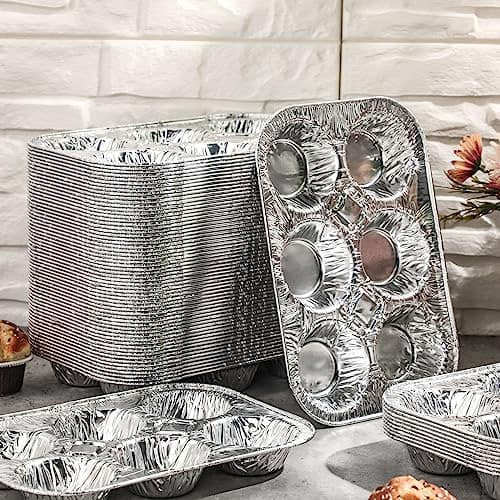
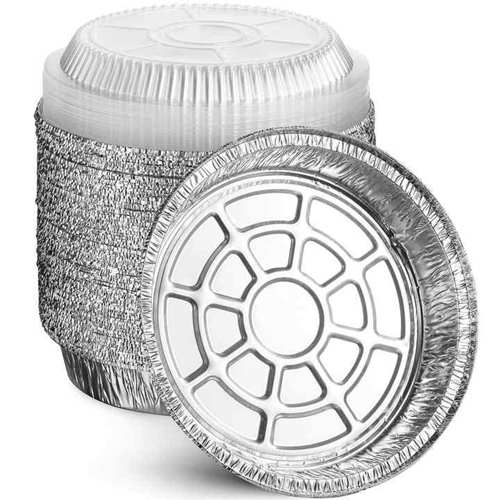
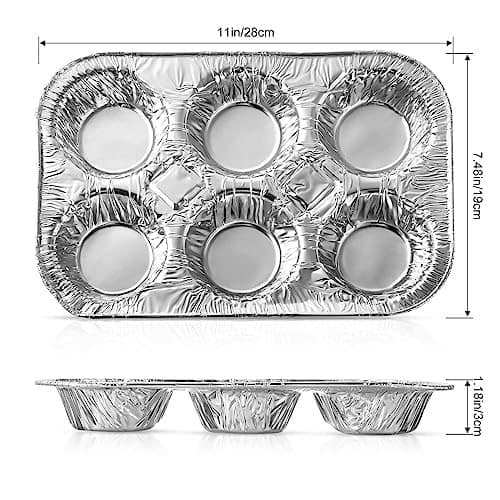
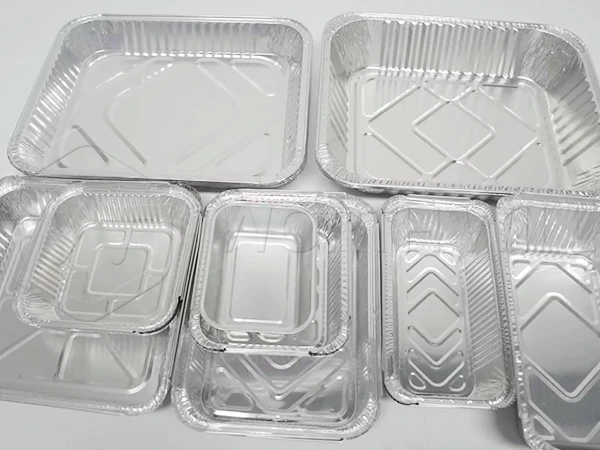
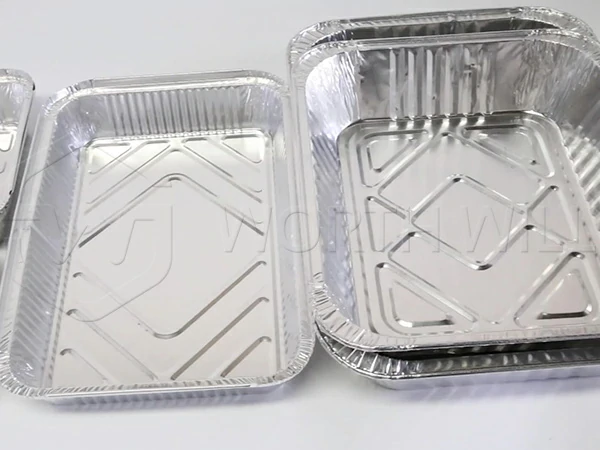
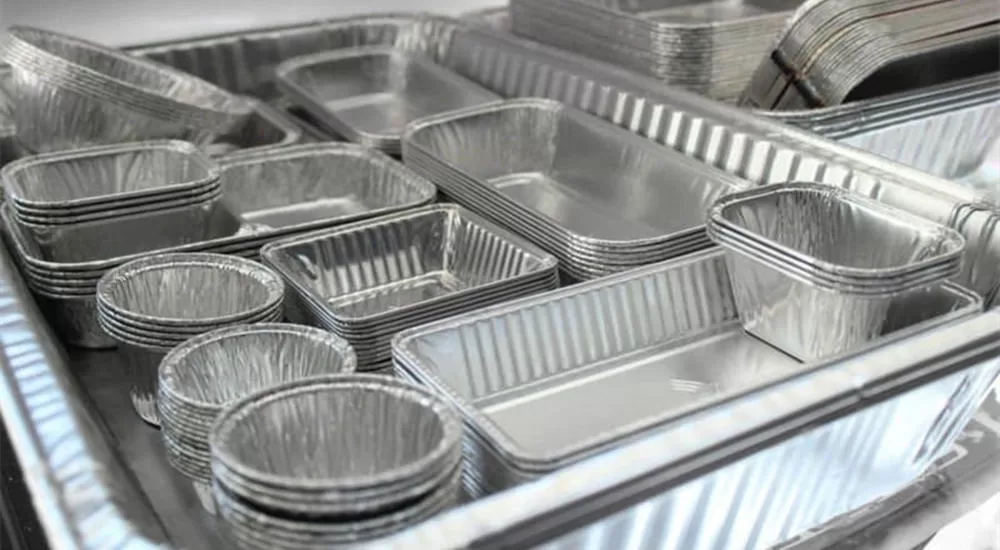
They’re for a wide range of food storage and packaging needs. They come in various shapes and sizes, including trays, pans, and lids, offering flexibility in accommodating diverse food items.
From takeout meals and catering events to leftovers and freezing meals, aluminum foil containers provide a convenient solution.
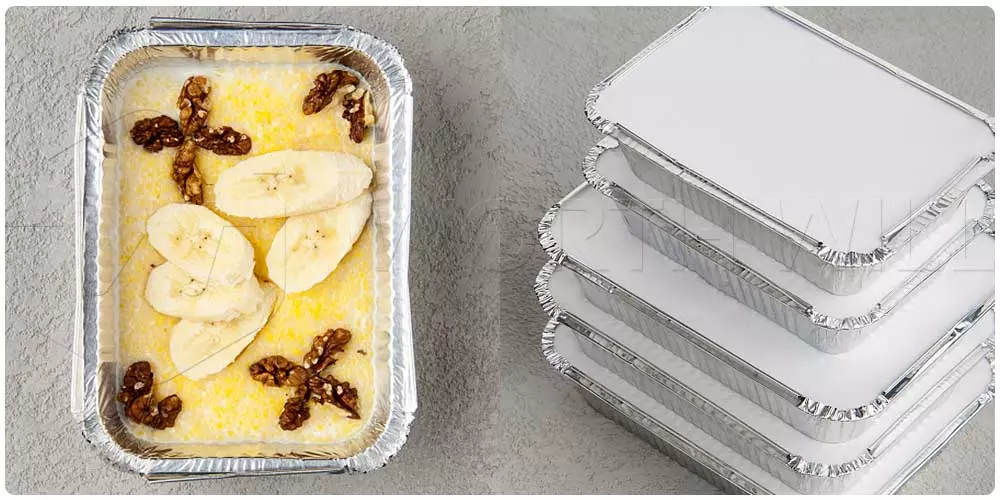
Their lightweight yet sturdy construction allows for easy handling, stacking, and transportation. Moreover, aluminium foil containers can can ensure food freshness and preventing leaks or spills.
Their ability makes them ideal for both conventional ovens and microwaves. It’s good to enable convenient reheating without the need for transferring food to another dish.
In addition to their versatility, aluminium foil containers are popularfor their sustainability attributes.
Aluminum is a recyclable material. These containers can has recycled repeatedly without losing their quality.
The recycling process requires only a fraction of the energy required to produce new aluminum, making it an environmentally friendly choice.
Furthermore, they contribute to reducing food waste
They help preserve the freshness and extend the shelf life of food, minimizing spoilage and spoilage-related waste.
The exceptional heat conductivity of aluminum promotes even cooking. It helps in maintaining the taste, texture, and nutritional value of food.
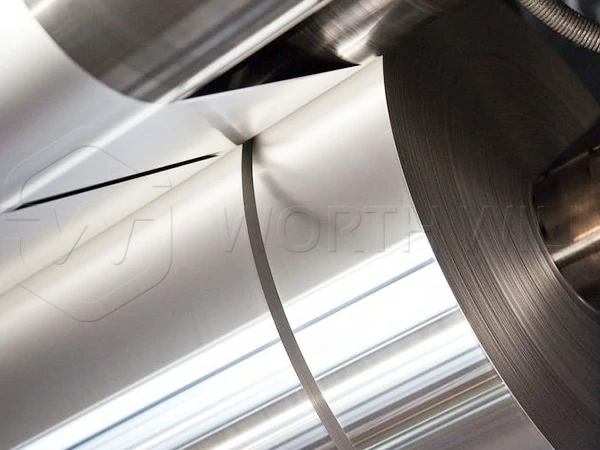
Classification of Aluminum Foil Containers
Aluminum foil containers come in various shapes, sizes, and designs, each suited for specific purposes. Understanding this classification helps in choosing the right container for the job.
- By Shape:
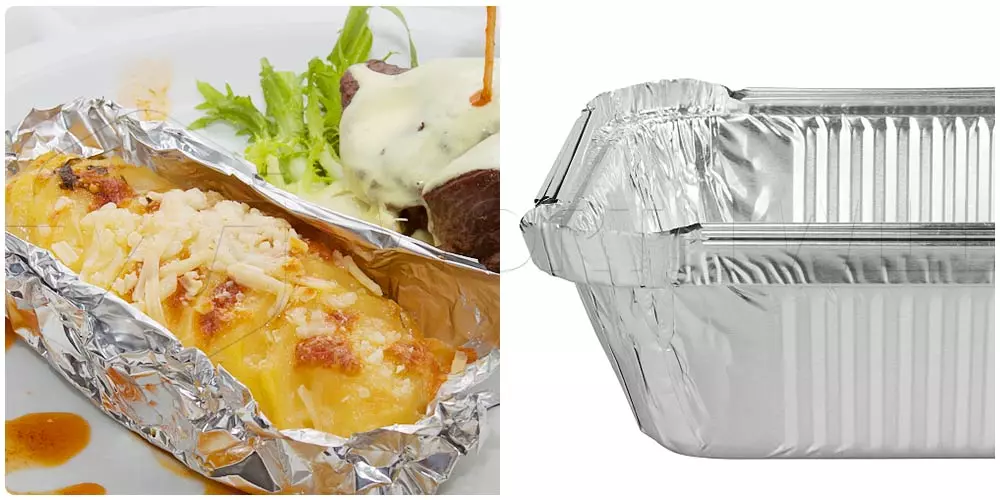
- Rectangular Containers: Most common for casseroles, lasagna, and general meal prep. These are often used as aluminum baking pans or for catering.
- Round Containers: Ideal for pies, cakes, tarts, and individual servings of dishes like stews or pasta.
- Square Containers: Good for smaller portions, brownies, or side dishes.
- Oval Containers: Often used for roasts or whole poultry, providing an elegant presentation.
- By Depth:
- Shallow Containers: Perfect for pizzas, cookies, or foods that need crisping.
- Deep Containers: Excellent for large roasts, substantial casseroles, or liquids like soups and stews.
- By Usage:
- Take-out Containers: Widely used by restaurants for food delivery services, keeping food warm and fresh.
- Airline Catering Trays: Specifically designed for in-flight meals, often with multiple compartments.
- Bakery Trays: Used for baking and presenting bread, muffins, and pastries.
- Supermarket Trays: For packaging fresh meat, poultry, and vegetables.
Each type of aluminum food container is crafted to meet the diverse demands of food storage and presentation.
Compared to other packaging materials, aluminum foil containers are impermeable to moisture, light, oxygen, and other external factors that can degrade food quality.
This protective barrier helps prevent food contamination and extends the shelf life of perishable goods.
Aluminium Foil Container Sizes
Aluminum foil containers come in various sizes to accommodate different purposes and serving requirements.
Small Square or Rectangular Containers: These are typically used for individual food portions or single-serving items like desserts, side dishes, or small snacks. Common dimensions are around 5 inches (length) x 4 inches (width) x 1.5 inches (depth).
Medium Square or Rectangular Containers: These are suitable for larger individual portions or for storing leftovers. Common dimensions are around 7 inches (length) x 5 inches (width) x 2 inches (depth).
Large Square or Rectangular Containers: These are designed for larger servings, family-sized portions, or catering purposes. Common dimensions are around 9 inches (length) x 7 inches (width) x 2.5 inches (depth).
Round Containers: These are often used for items like cakes, pies, and other circular food items. Common diameters are around 9 inches, 10 inches, or 12 inches, with varying depths.
Steam Table Pans: These larger, deeper aluminum pans are commonly used for catering and buffet-style service. They come in various sizes like full-size (20.75 inches x 12.81 inches), half-size (12.81 inches x 10.38 inches), third-size, and quarter-size pans.
Keep in mind that the dimensions mentioned above are approximate and can vary depending on the specific demands. Always check the product specifications or consult with the supplier to get.
Welcome to have an inquiry us!
Application of Aluminum Foil Container
Some of the applications of aluminum foil containers are:
Aviation Catering – Used to pack meals for in-flight catering services. These containers are lightweight and durable.
Takeaway Food – Ideal for takeaways from restaurants, food vendors, and food trucks. These containers can keep food warm for longer periods and prevent leakage of sauces and gravies.
Baking and Cooking –Commonly used for baking and cooking a wide range of dishes. These containers can withstand high temperatures and are safe to use in ovens and microwaves.
Food Storage – Used for storing food in the fridge or freezer. These containers are airtight and keep food fresh for longer periods.
Catering and Buffet – Ideal for catering services and buffets. These containers are easy to transport, store, and serve food. They are also cost-effective, reduce waste, and provide hygienic food service.
Choosing the Right Aluminum Foil Container
Selecting the appropriate aluminum foil container involves considering several factors to ensure it meets your specific requirements.
- Size and Capacity: Determine the volume of food you need to store or cook. Containers range from small individual servings to large catering trays.
- Shape: Match the shape to your food item. Rectangular for lasagna, round for pies, etc.
- Gauge (Thickness): Thicker gauges offer more rigidity and durability, ideal for heavy items or extensive handling. Thinner gauges are perfect for lightweight, disposable uses.
- Lid Options: Many containers come with matching aluminum foil lids or clear plastic domes. Lids help retain heat, prevent spills, and protect food from contamination. For food storage solutions, lids are crucial.
- Rim Style: Different rim styles (e.g., full curl, hemmed) affect the container’s rigidity and how well a lid seals.
By considering these points, you can find the best aluminum trays and containers for your needs, ensuring optimal performance and convenience.
Are Aluminum Foil Containers Environmentally Friendly?
The environmental impact of packaging is a growing concern, and aluminum foil containers stand out for their strong sustainability credentials. They are highly recyclable aluminum, making them a good choice for sustainable packaging.
- Infinite Recyclability: Aluminum can be recycled an infinite number of times without losing its quality. This means an aluminum food container can be melted down and reformed into new containers, beverage cans, or other aluminum products again and again.
- Energy Savings: Recycling aluminum requires significantly less energy (up to 95% less) compared to producing primary aluminum from raw materials. This drastically reduces energy consumption and greenhouse gas emissions.
- Reduced Waste: Using recyclable aluminum helps divert waste from landfills, contributing to a more circular economy.
While they are often disposable, their high recyclability rate and the energy savings associated with recycling make aluminum foil containers a more environmentally conscious choice compared to many other single-use packaging materials. Always encourage customers to recycle these containers after use to maximize their eco-friendly potential.