Aluminum Foil Dishwasher
Aluminum foil dishwasher usage requires special attention to maintain product quality and ensure safety.
While many modern aluminum products are dishwasher-safe, careful attention to detergents, temperature, and loading arrangements ensures longevity and maintains appearance.
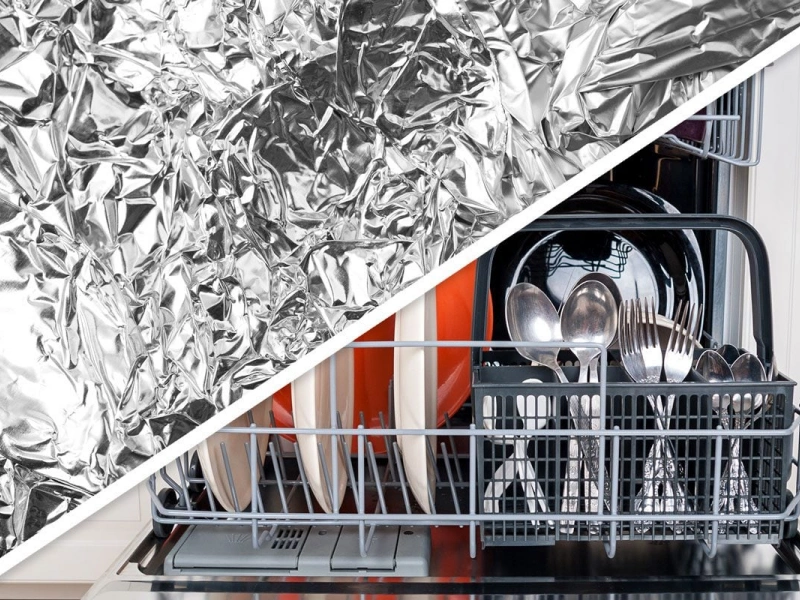
Can Aluminum Foil Go in the Dishwasher?
While aluminum foil itself shouldn’t be washed in dishwashers, many aluminum foil products and containers are dishwasher-safe when properly manufactured. Understanding the differences helps prevent damage and maintain product integrity.
Key Considerations:
- Material thickness and coating
- Dishwasher detergent composition
- Water temperature and cycle selection
- Product design and manufacturing quality
Dishwasher-Safe Aluminum Products
| Product Type | Maximum Temperature | Cycle Recommendation | Lifespan |
|---|---|---|---|
| Anodized Aluminum | 80°C (176°F) | Normal cycle | 2-3 years |
| Coated Aluminum | 70°C (158°F) | Gentle cycle | 1-2 years |
| Hard Anodized | 90°C (194°F) | Heavy duty | 3-5 years |
| Aluminum with Non-stick | 60°C (140°F) | Light wash | 1-2 years |
Cleaning Guidelines and Best Practices
Preparation Steps:
- Remove large food particles manually
- Check for damage or corrosion
- Separate from other metals
- Use upper rack when possible
Detergent Selection:
| Detergent Type | Aluminum Compatibility | Recommendation |
|---|---|---|
| Phosphate-free | Excellent | Highly recommended |
| Chlorine-free | Good | Recommended |
| Lemon-scented | Poor | Avoid |
| Abrasive | Very poor | Never use |
Common Problems and Solutions
| Problem | Causes | Solutions |
|---|---|---|
| Discoloration | Hard water, high heat | Use rinse aid, lower temperature |
| Pitting | Chemical reaction | Change detergent type |
| Cloudiness | Mineral buildup | Vinegar rinse occasionally |
| Dark spots | Electrolysis | Separate from other metals |
Product Compatibility Chart
Safely Washable:
- Hard-anodized aluminum cookware
- Commercial aluminum containers
- Anodized aluminum utensils
- Coated aluminum bakeware
Not Recommended:
- Thin aluminum foil
- Uncoated aluminum products
- Decorative aluminum items
- Aluminum with glued components
Maintenance and Care Tips
Regular Maintenance:
- Inspect for coating damage monthly
- Hand wash when heavily soiled
- Dry immediately after washing
- Store properly to prevent scratches
Preventive Measures:
- Avoid mixing with stainless steel
- Use mild detergents only
- Don’t overload dishwasher
- Regular dishwasher cleaning
Technical Specifications
| Parameter | Recommended Range | Risk Factors |
|---|---|---|
| Water Temperature | 50-70°C | Above 80°C causes damage |
| pH Level | 6.5-7.5 | High alkalinity harmful |
| Cycle Duration | <90 minutes | Prolonged exposure risky |
| Detergent Amount | Manufacturer recommended | Excess causes corrosion |
Safety Precautions
Dishwasher Loading:
- Place aluminum items securely
- Avoid contact with other metals
- Use plastic-coated racks
- Ensure proper water circulation
Chemical Safety:
- No bleach or strong acids
- Avoid dishwasher salts
- Use aluminum-safe detergents
- Rinse thoroughly after washing
FAQ
Q1: Can I wash aluminum foil in the dishwasher?
A: No, regular aluminum foil is too thin and will disintegrate. Only specially designed aluminum products are dishwasher-safe.
Q2: Why does aluminum turn black in dishwasher?
A: This is usually caused by chemical reactions with alkaline detergents or contact with other metals.
Q3: What’s the best way to clean aluminum cookware?
A: Hand washing is generally safer, but if using dishwasher, choose gentle cycle and mild detergents.
Q4: How do I prevent aluminum discoloration?
A: Use phosphate-free detergents, avoid high temperatures, and dry immediately after washing.
Q5: Can all aluminum products go in dishwasher?
A: No, only products specifically marked as dishwasher-safe should be cleaned this way.
Q6: What temperature is safe for aluminum?
A: Generally keep below 70°C, though hard-anodized aluminum can withstand higher temperatures.
Environmental Considerations
Water Conservation:
- Full loads only
- Energy-efficient cycles
- Proper loading techniques
- Regular maintenance
Chemical Impact:
- Choose eco-friendly detergents
- Avoid phosphates and chlorine
- Proper dosage measurement
- Natural cleaning alternatives
Troubleshooting Guide
Common Issues:
- White spots: Hard water residue
- Dark stains: Metal transfer
- Dull appearance: Coating damage
- Rough surface: Chemical erosion
Solutions:
- Use water softener
- Separate metal types
- Hand wash damaged items
- Replace if severely corroded
Leave a Comment
You must be logged in to post a comment.