Can You Laminate Aluminum Foil?
Laminated aluminum foil has wide applications in packaging, insulation, and industrial applications. Many buyers want to know whether aluminum foil can be laminated and what benefits laminated foil brings.
What Is Laminated Aluminum Foil?
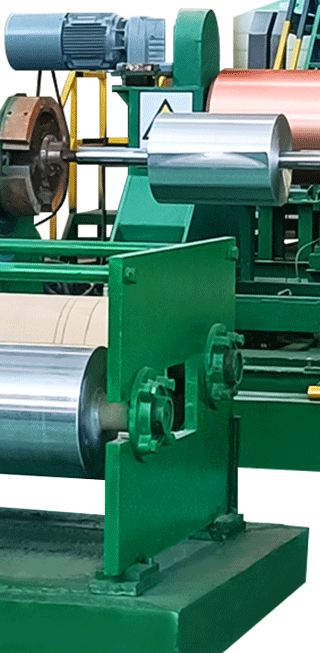
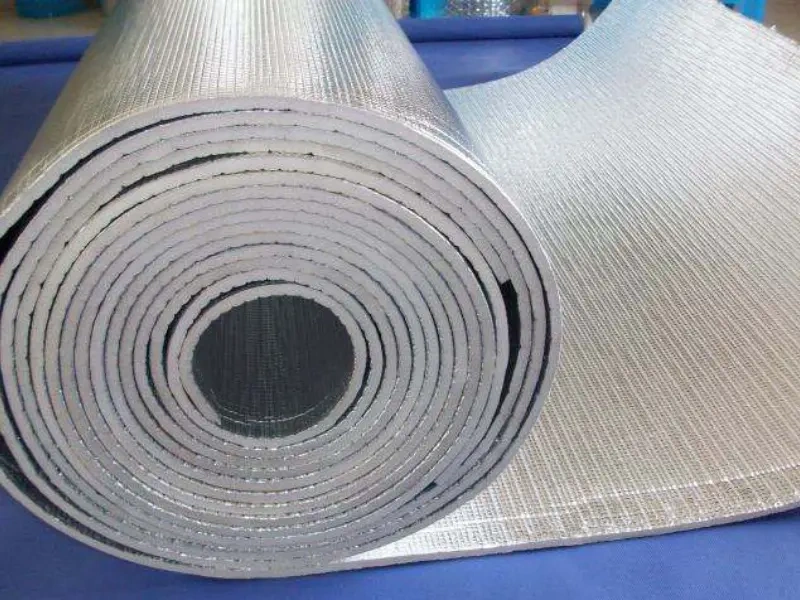
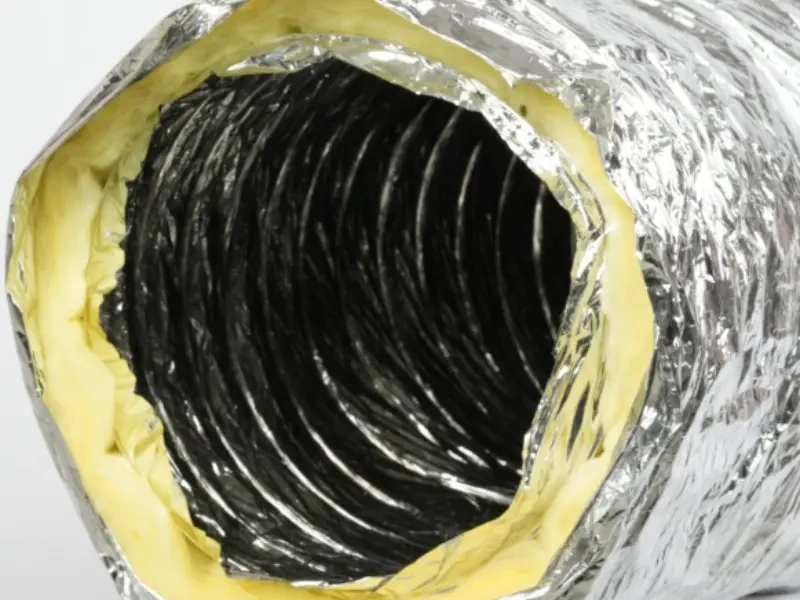
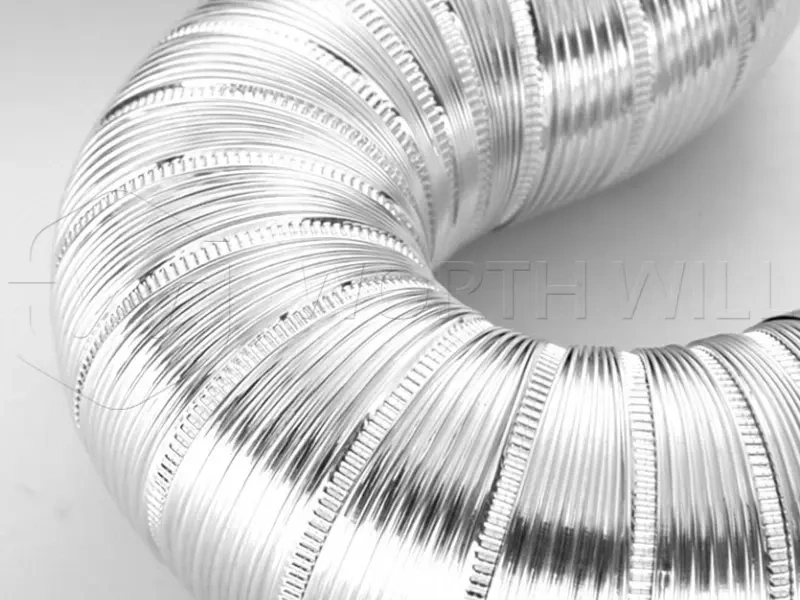
Laminated aluminum foil is a composite material made by bonding aluminum foil with films such as PET, PE, PVC, paper, or woven fabric. The lamination process improves mechanical strength, moisture resistance, and barrier performance.
Why Aluminum Foil Is Suitable for Lamination
- High barrier to moisture, light, and oxygen
- Lightweight and flexible
- Easy to bond with plastics and paper
- Stable under heat and pressure
Keyword inserted naturally: laminated aluminum foil, laminate aluminum foil, aluminum foil lamination.
How Is Aluminum Foil Laminated?
The lamination process typically uses heat, adhesive, or extrusion.
Heat Lamination
Foil and film are bonded with controlled temperature and pressure.
Adhesive Lamination
A thin adhesive layer connects foil with paper or plastic layers.
Extrusion Lamination
Molten resin is extruded between foil and substrate.
Common Structures of Laminated Aluminum Foil
Small specification table for quick reference:
| Structure | Description |
|---|---|
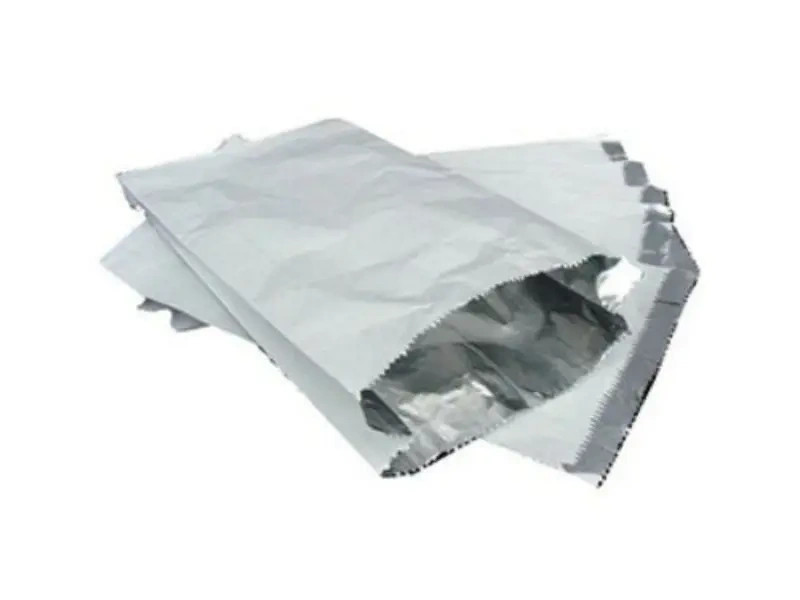
| Alu + PET | High barrier, used for food pouches |
| Alu + PE | Heat-sealable, suitable for packaging bags |
| Alu + Paper | Strong stiffness, used for labels & insulation |
| Alu + Woven Cloth | Used for building insulation |
Types of Laminated Aluminum Foil
Food Packaging Laminated Foil
Designed for high barrier and hygiene.
Insulation Laminated Foil
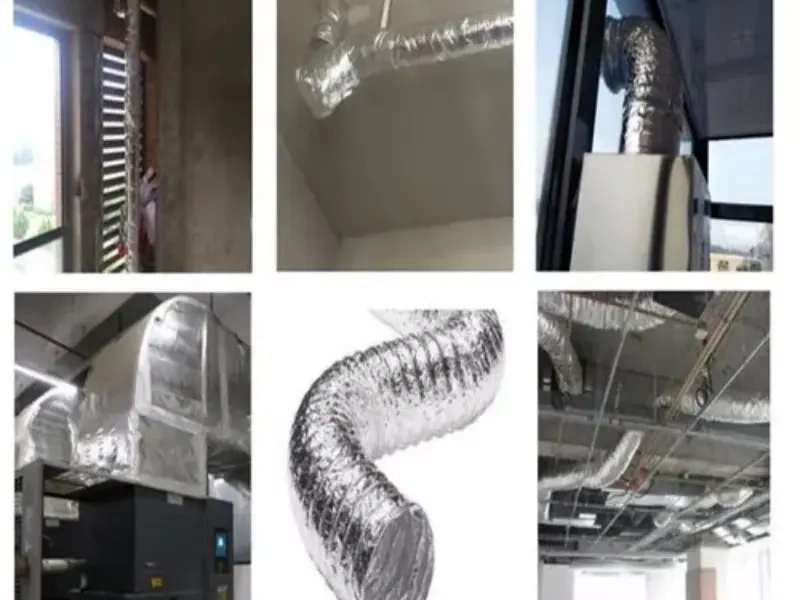
Used in HVAC, reflective insulation, and construction.
Industrial Laminated Foil
Designed for cables, waterproofing membranes, and chemical packaging.
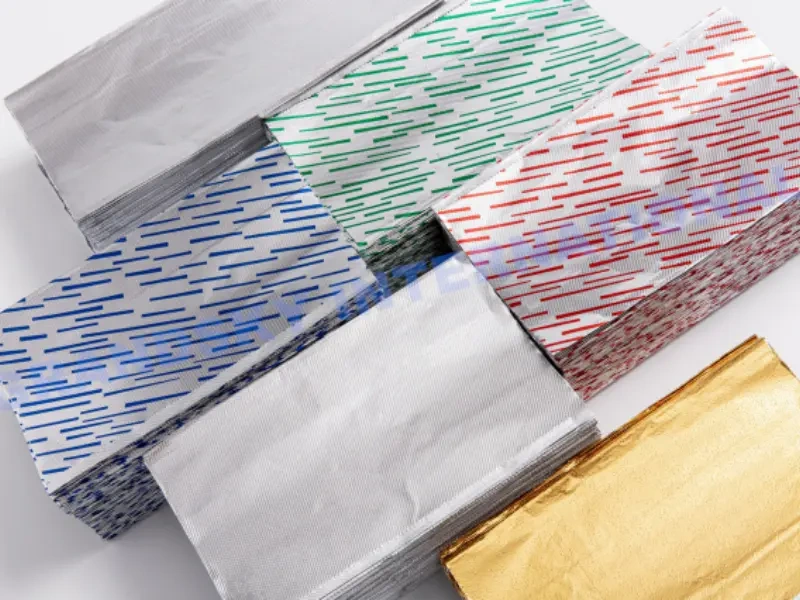
Custom Laminated Foil
OEM and thickness customization based on customer needs.
Specifications of Laminated Aluminum Foil
| Item | Range |
|---|---|
| Aluminum Alloy | 8011 / 1235 / 8079 |
| Thickness | 0.006 – 0.03 mm |
| Width | 20 – 1600 mm |
| Laminate Thickness | 10 – 150 microns |
| Bonding Strength | ≥ 1.0 N/15mm (depends on structure) |
Benefits of Laminated Aluminum Foil
Superior Barrier Protection
- Blocks moisture
- Prevents oxidation
- Extends shelf life
Mechanical Strength
- Stronger than single-layer foil
- Better puncture resistance
Heat Resistance
Suitable for hot filling, pasteurization, and high-temperature sealing.
Lightweight
Reduces transportation and packaging costs.
Applications of Laminated Aluminum Foil
- Food pouches & snack packaging
- Medicine blister packaging
- Vacuum packaging bags
- Heat insulation material
- AC duct & HVAC systems
- Cable shielding & waterproofing
- Cosmetic sachets
- Automotive heat barriers
Can You Laminate Aluminum Foil at Home?
Technically yes, but it is not recommended for professional use.
Home lamination machines cannot reach industrial lamination pressure and bonding strength. Lamination is best done in a factory environment with controlled heat, pressure, and adhesives.
Why Choose Professional Laminated Aluminum Foil?
Higher Durability
Factory lamination ensures proper bonding without delamination.
Custom Specifications
Thickness, width, structure, and roll size can be adjusted.
Better Performance
Industrial-grade materials guarantee long-term stability.
Laminated Aluminum Foil vs. Regular Foil
| Feature | Regular Foil | Laminated Foil |
|---|---|---|
| Barrier | Good | Excellent |
| Strength | Moderate | Strong |
| Moisture Resistance | Medium | Very high |
| Applications | Daily use | Industrial & packaging |
| Customization | Limited | Fully customizable |
Is Laminated Aluminum Foil Safe for Packaging?
Yes. Laminated aluminum foil has wide applications in food and pharmaceutical packaging due to its barrier performance and safety. All laminated materials meet international food-contact standards when produced correctly.
Can You Laminate Aluminum Foil?
So, can you laminate aluminum foil? Yes. Laminated aluminum foil is a strong, protective, and versatile material used across packaging, construction, and industrial fields. Its multi-layer structure improves barrier performance, durability, and thermal resistance. For optimal quality, laminated foil should be by professional manufacturers that can ensure stable bonding, consistent specifications, and high barrier performance.

Leave a Comment
You must be logged in to post a comment.