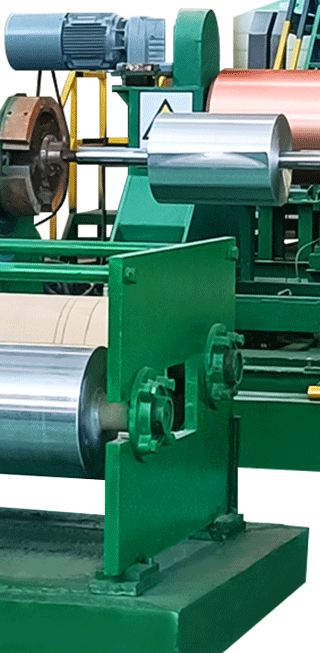
Barrier-coated aluminum foil is aluminum foil with a protective layer applied to one or both sides. This coating enhances sealing performance, chemical resistance, and barrier properties. The base foil provides excellent protection against moisture, oxygen, and light. The coating adds functional benefits for specific applications.
Common coating types include heat-seal lacquers, primers, epoxy coatings, and protective polymers. Each coating serves a distinct purpose in packaging and industrial applications.
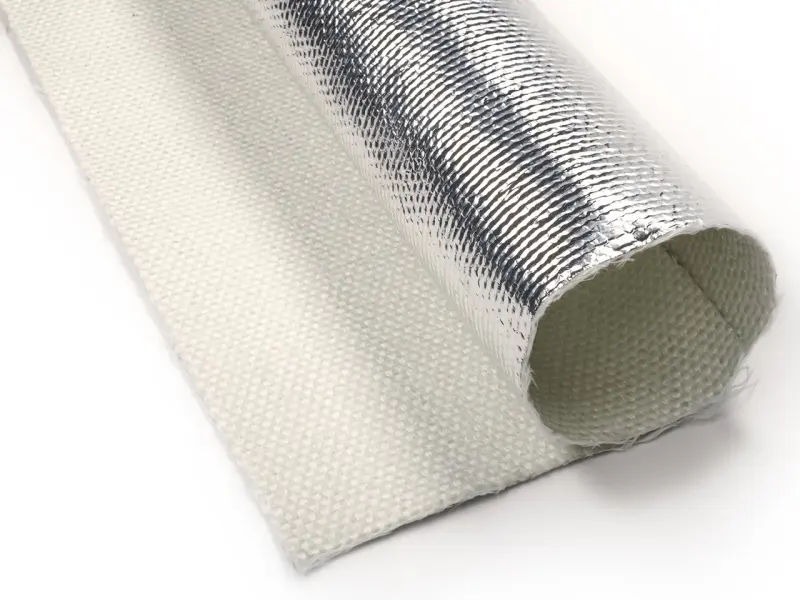
Base Foil Alloy Types
8011 Alloy Foil
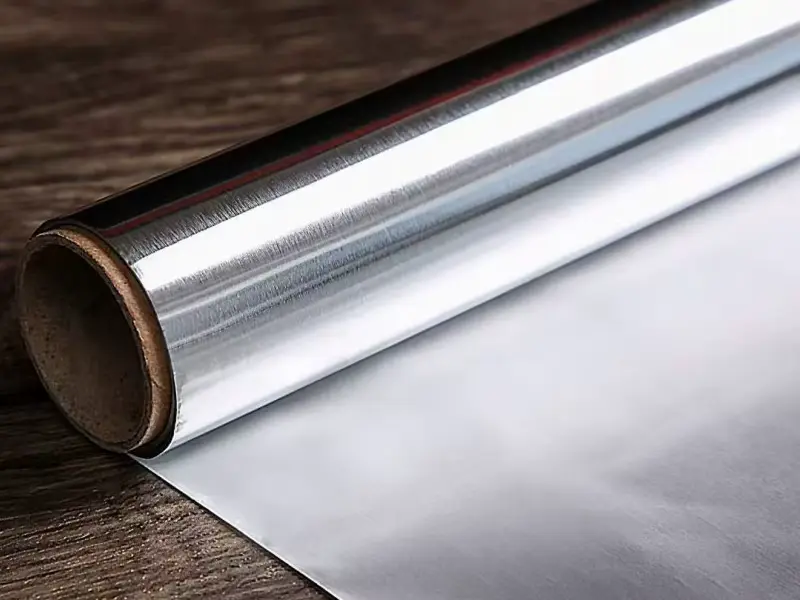
8011 alloy is the most common base material for barrier-coated foil. It contains iron and silicon as main alloying elements. This alloy offers excellent formability and reliable barrier properties. It works well for pharmaceutical blister packs, food lidding, and flexible packaging.
Typical thickness ranges from 20 microns to 60 microns. The O temper provides soft, formable material. H18 temper offers rigid material for flat applications.
1235 Alloy Foil
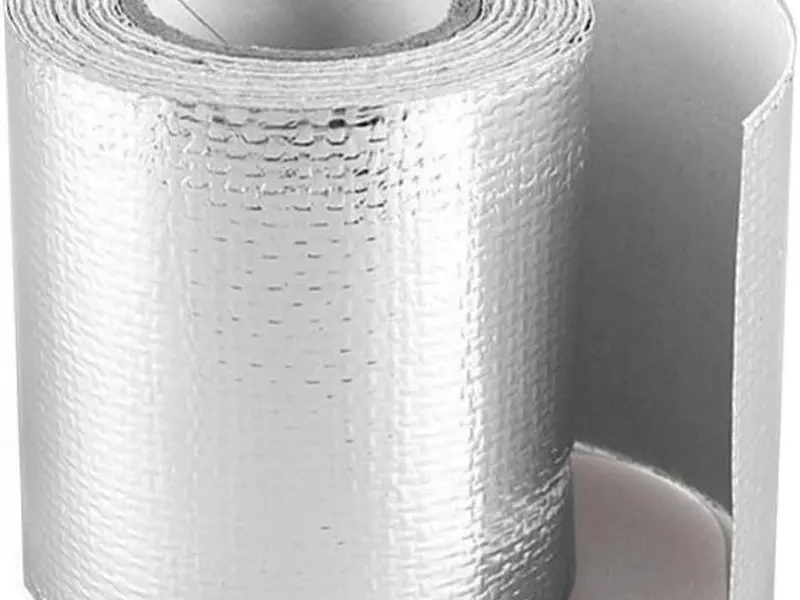
1235 alloy provides high purity aluminum with minimal impurities. It delivers superior barrier performance for sensitive products. This alloy is ideal for pharmaceutical-grade applications where absolute protection is critical.
Thickness typically ranges from 10 microns to 25 microns. The soft temper ensures easy forming and sealing.
8079 Alloy Foil
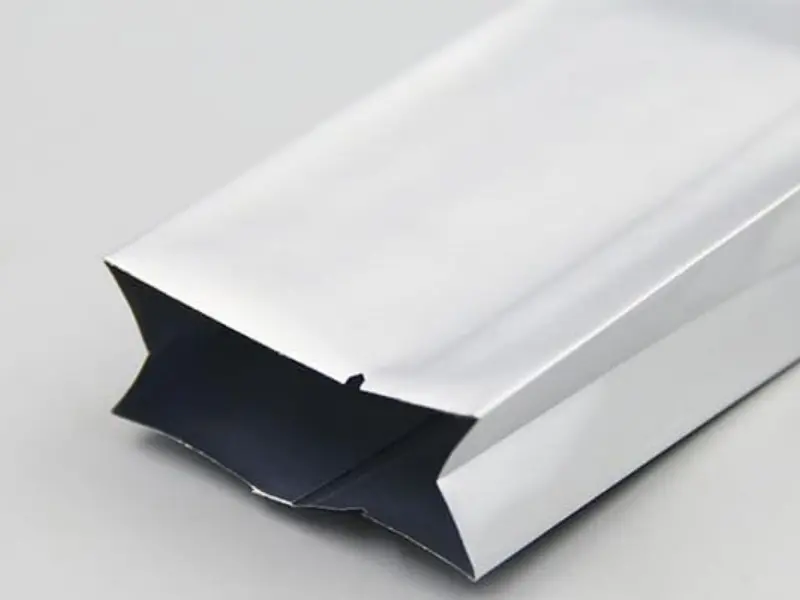
8079 alloy offers high strength with excellent barrier properties. It contains iron as the main alloying element. This alloy suits applications requiring higher mechanical strength.
Standard thickness ranges from 20 microns to 50 microns. It performs well in cold-form blister applications.
Coating Types and Properties
Heat-Seal Lacquer Coatings
Heat-seal lacquer coatings enable the foil to bond with plastic containers under heat and pressure. These coatings activate at specific temperatures to create airtight seals.
| Coating Type | Activation Temperature | Seal Strength | Common Uses |
|---|---|---|---|
| Vinyl-based | 120–150°C | High | General blister packs |
| Acrylic-based | 140–170°C | Medium | Food lidding, dairy cups |
| Polyester-based | 160–200°C | Very high | Retort applications |
| Polypropylene | 130–160°C | Medium | PP container sealing |
Primer Coatings
Primer coatings improve adhesion for printing inks and laminating adhesives. They create a uniform surface for subsequent layers.
| Primer Type | Coating Weight | Function | Applications |
|---|---|---|---|
| Polyurethane | 1–3 g/m² | Ink adhesion | Printed lidding foil |
| Acrylic | 1–2 g/m² | Print base | Decorative packaging |
| Epoxy | 2–4 g/m² | Chemical resistance | Aggressive contents |
Protective Coatings
Protective coatings shield the aluminum from chemical attack and corrosion. They extend shelf life and maintain product integrity.
| Coating Type | Thickness | Resistance | Applications |
|---|---|---|---|
| Epoxy-phenolic | 5–15 microns | Acid, alkali | Bottle caps, chemical packaging |
| Polyester | 3–8 microns | Moisture, UV | Outdoor applications |
| Polyamide | 4–10 microns | Puncture, abrasion | Heavy-duty packaging |
Barrier-Enhancing Coatings
Advanced coatings add extra barrier layers for critical applications.
| Coating Type | Barrier Improvement | Transparency | Uses |
|---|---|---|---|
| AlOx (Aluminum oxide) | Oxygen, moisture | Clear | High-barrier flexible packaging |
| SiOx (Silicon oxide) | Gas barrier | Clear | Transparent barrier films |
| PVDC | Moisture, oxygen | Translucent | Pharmaceutical packaging |
Product Types by Application
1. Pharmaceutical Blister Lidding Foil
This foil features heat-seal coating on the inner side. The outer side may have primer for printing. It seals to PVC, PVDC, or PCTFE blister films.
Standard specifications:
- Thickness: 20–25 microns
- Coating weight: 4–6 g/m²
- Alloy: 8011 or 1235
- Temper: O (soft)
2. Cold-Form Blister Foil
Cold-form foil uses thicker base material with specialized coatings. It forms deep cavities without cracking. The coating prevents delamination during forming.
Standard specifications:
- Thickness: 45–60 microns
- Coating: Protective epoxy or primer
- Alloy: 8021 or 8079
- Temper: O (soft)
3. Heat-Seal Lidding Foil
This foil seals yogurt cups, juice bottles, and food containers. The coating matches the container material for reliable sealing.
Standard specifications:
- Thickness: 30–40 microns
- Coating: Acrylic or vinyl-based
- Alloy: 8011
- Temper: H14 or H24
4. Peelable Lidding Foil
Peelable foil features easy-open coating formulation. It provides tamper evidence while allowing clean removal.
Standard specifications:
- Thickness: 25–35 microns
- Coating: Modified acrylic
- Peel strength: 3–8 N/15mm
- Alloy: 8011
5. Retort Lidding Foil
Retort foil withstands high-temperature sterilization. The coating maintains integrity during 121°C processing.
Standard specifications:
- Thickness: 35–50 microns
- Coating: High-temperature polyester
- Heat resistance: Up to 150°C
- Alloy: 8011 or 3003
Key Specifications by Application
| Application | Foil Thickness | Coating Weight | Seal Temperature | Shelf Life |
|---|---|---|---|---|
| Pharmaceutical blister | 20–25 microns | 4–6 g/m² | 140–180°C | 24–36 months |
| Food lidding | 30–40 microns | 3–5 g/m² | 120–160°C | 12–18 months |
| Cold-form blister | 45–60 microns | 5–8 g/m² | N/A | 36+ months |
| Strip packaging | 20–30 microns | 4–6 g/m² | 140–170°C | 24 months |
| Retort packaging | 35–50 microns | 6–10 g/m² | 180–220°C | 18–24 months |
Application Areas
Barrier-coated aluminum foil serves multiple industries:
- Pharmaceutical Packaging: Blister packs, strip packs, sachets, bottle seals
- Food Industry: Yogurt lids, ready-meal trays, snack packaging, coffee capsules
- Beverage Industry: Juice bottle seals, milk powder can liners, wine capsules
- Cosmetics: Cream jar seals, sample sachets, premium packaging
- Chemical Products: Pesticide packaging, industrial seals, agrochemical containers
- Electronics: Moisture barrier bags, component packaging, anti-static shields
Quality Standards and Certifications
| Standard | Description |
|---|---|
| FDA 21 CFR 177.1390 | Food contact compliance |
| USP <661> | Pharmaceutical packaging safety |
| EU 10/2011 | European food contact materials |
| ISO 15378 | Pharmaceutical packaging materials |
| ASTM B479 | Aluminum foil specifications |
| DMF Type III | Drug master file compliance |
Why Choose Barrier-Coated Aluminum Foil?
This material offers distinct advantages:
- Reliable Sealing: Creates airtight, tamper-evident seals
- Chemical Protection: Prevents interaction between foil and product
- Enhanced Barrier: Additional layers improve moisture and gas protection
- Print Compatibility: Accepts high-quality printing for branding
- Process Efficiency: Works with high-speed packaging lines
- Regulatory Compliance: Meets global safety standards
Ordering Guide
When ordering barrier-coated aluminum foil, specify these parameters:
| Parameter | Your Selection |
|---|---|
| Base Alloy | 8011, 1235, 8021, 8079 |
| Thickness | 10–60 microns |
| Temper | O, H14, H18, H24 |
| Coating Type | Heat-seal, primer, protective |
| Coating Weight | 3–10 g/m² |
| Seal Substrate | PVC, PP, PET, PS, paper |
| Surface Finish | Bright, matte, printed |
| Roll Width | 100–900 mm |
Storage and Handling Tips
- Store rolls at 15–25°C with 40–60% relative humidity
- Keep away from direct sunlight and moisture
- Handle with clean gloves to prevent contamination
- Use within 12 months of production
- Check coating integrity before processing
- Follow first-in-first-out inventory rotation
Barrier-Coated Aluminum Foil supplier
Barrier-coated aluminum foil combines the inherent protection of aluminum with functional coatings for specific needs. Various coating types match different sealing requirements and chemical environments. Whether you need pharmaceutical-grade blister lidding or food container seals, barrier-coated aluminum foil provides reliable performance.
Contact suppliers with your application details. They can recommend the right alloy, coating type, and specifications for your packaging line.