3003 vs 8011 Aluminum Foil
3003 vs 8011 Aluminum Foil 3003 and 8011 aluminum foil serve different purposes. Both are popular for packaging and container applications. However, their chemical compositions create distinct performance characteristics.
3003 belongs to the 3000 series. It uses manganese as the main alloying element. 8011 belongs to the 8000 series. It uses iron and silicon as primary additives .
Chemical Composition
The table below shows the key differences in chemical makeup:
| Element | 3003 Aluminum Foil | 8011 Aluminum Foil |
|---|---|---|
| Aluminum (Al) | 96.0–98.0% | 97.5–99.0% |
| Manganese (Mn) | 1.0–1.5% | 0.2–0.5% |
| Iron (Fe) | 0.7–1.0% | 0.6–1.0% |
| Silicon (Si) | ≤0.6% | 0.5–1.5% |
| Copper (Cu) | ≤0.2% | 0.05–0.2% |
3003 relies on manganese for strength. 8011 uses iron and silicon for balanced properties .
Strength Comparison
Tensile Strength
3003 aluminum foil offers higher tensile strength than 8011. This makes it more rigid and better for structural applications.
| Temper | 3003 Tensile Strength | 8011 Tensile Strength |
|---|---|---|
| O (Soft) | 80–135 MPa | 60–110 MPa |
| H14 | 140–180 MPa | 120–150 MPa |
| H18 | 170–200 MPa | 150–180 MPa |
| H24 | 140–190 MPa | 120–170 MPa |
Yield Strength
3003 maintains higher yield strength across all tempers. It resists deformation better under load .
| Temper | 3003 Yield Strength | 8011 Yield Strength |
|---|---|---|
| H24 | 55–90 MPa | 35–60 MPa |
Hardness
3003 is harder and more dent-resistant. 8011 is softer and more flexible .
| Alloy | Hardness (HB) |
|---|---|
| 3003 | 50–60 |
| 8011 | 30–45 |
Formability and Elongation
8011 aluminum foil stretches more before breaking. This makes it better for deep drawing and complex forming .
| Property | 3003 | 8011 |
|---|---|---|
| Elongation (H24) | Lower | Higher |
| Deep Drawing | Moderate | Excellent |
| Forming Complexity | Good | Very Good |
3003 works well for simple shapes. 8011 handles intricate designs without tearing .
Corrosion Resistance
3003 offers excellent corrosion resistance. The manganese content creates a protective oxide layer. This makes it suitable for acidic foods and harsh environments .
8011 provides good corrosion resistance. It meets most packaging requirements. However, 3003 performs better in challenging conditions .
| Environment | 3003 Performance | 8011 Performance |
|---|---|---|
| Acidic foods | Excellent | Good |
| Moisture exposure | Excellent | Good |
| Salt exposure | Good | Moderate |
| General packaging | Good | Excellent |
Cost Comparison
8011 aluminum foil is more cost-effective for large-scale production. It uses cheaper alloying elements. Iron and silicon cost less than manganese .
| Cost Factor | 3003 | 8011 |
|---|---|---|
| Raw Material | Higher | Lower |
| Rolling Efficiency | Moderate | Higher |
| Energy Consumption | Higher | Lower |
| Overall Production Cost | Higher | Lower |
8011 achieves higher rolling speeds with fewer breaks. This reduces production costs per ton .
Product Types and Specifications
3003 Aluminum Foil Products
Container Foil (H24 Temper)
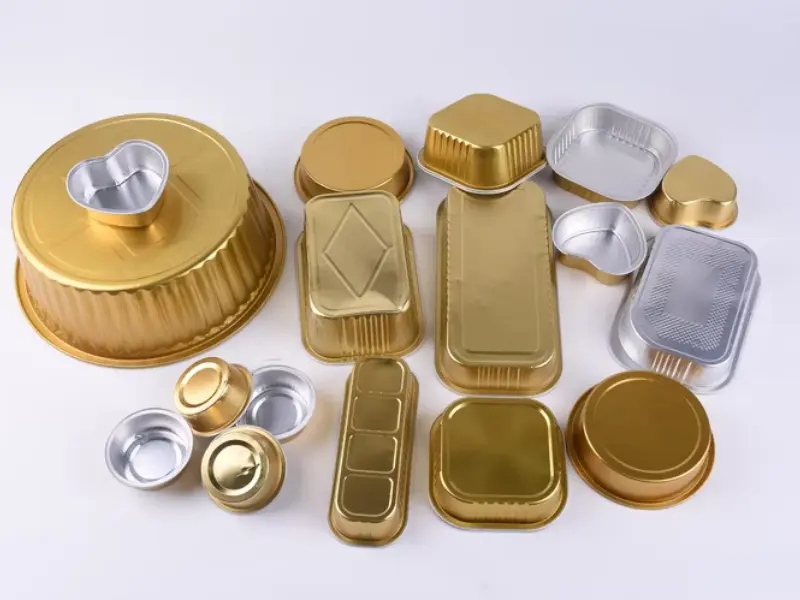
- Thickness: 0.03–0.20 mm
- Width: 200–1200 mm
- Uses: Food containers, lunch boxes, baking trays
- Features: High strength, shape retention
Cookware Foil
- Thickness: 0.05–0.30 mm
- Temper: H18 or O
- Uses: Non-stick pans, pot lids, heat exchangers
- Features: Heat resistance, durability
Industrial Foil
- Thickness: 0.10–0.50 mm
- Temper: H24, H26
- Uses: HVAC components, insulation, pressure vessels
- Features: Structural strength, corrosion resistance
8011 Aluminum Foil Products
Household Foil (O Temper)
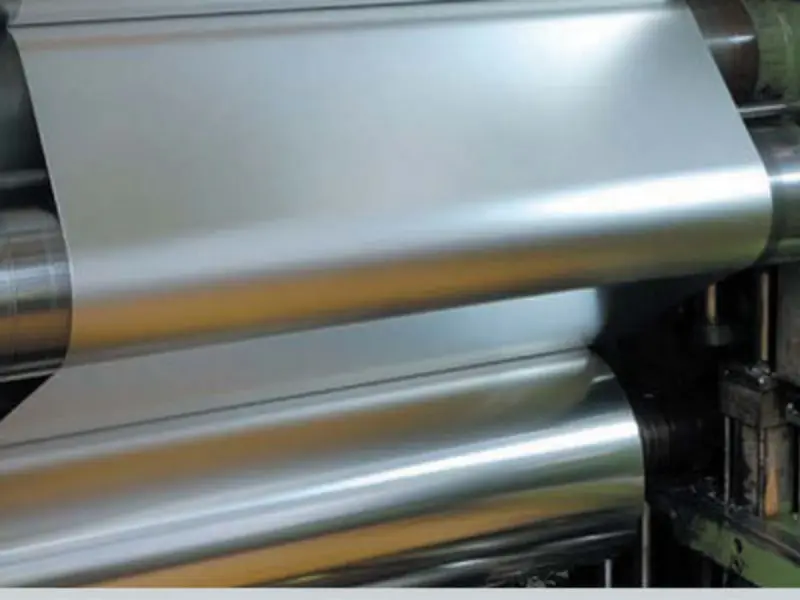
- Thickness: 0.009–0.025 mm
- Width: 250–600 mm
- Uses: Food wrapping, baking, storage
- Features: Soft, easy to tear, flexible
Pharmaceutical Foil (H18 Temper)
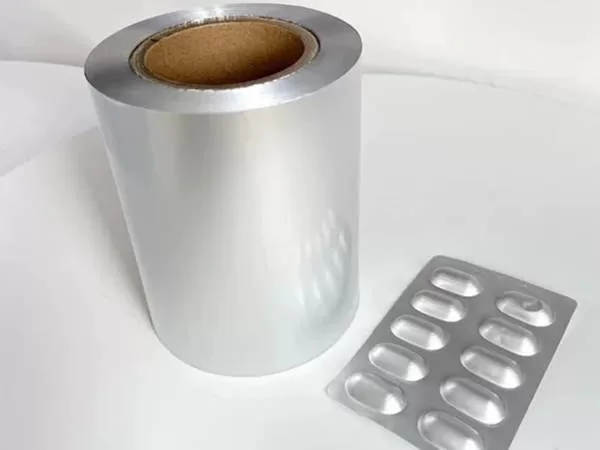
- Thickness: 0.020–0.050 mm
- Width: 100–900 mm
- Uses: Blister packs, strip packaging, medicine seals
- Features: Pinhole-free, high barrier, clean surface
Container Foil (H22/H24 Temper)
- Thickness: 0.03–0.10 mm
- Width: 200–1000 mm
- Uses: Disposable food containers, airline trays
- Features: Good formability, cost-effective
Lidding Foil
- Thickness: 0.025–0.040 mm
- Temper: H16 or H18
- Uses: Yogurt lids, juice bottle seals, dairy cups
- Features: Heat-sealable, printable surface
Application Areas
3003 Aluminum Foil Applications

- Food Containers: Lunch boxes, takeout trays, airline meal containers
- Cookware: Non-stick pan bases, pot lids, cooking utensils
- Industrial: Heat exchangers, radiator fins, pressure vessels
- Building: Insulation facing, roofing components, wall panels
- Automotive: Heat shields, decorative trim, air conditioning parts
8011 Aluminum Foil Applications
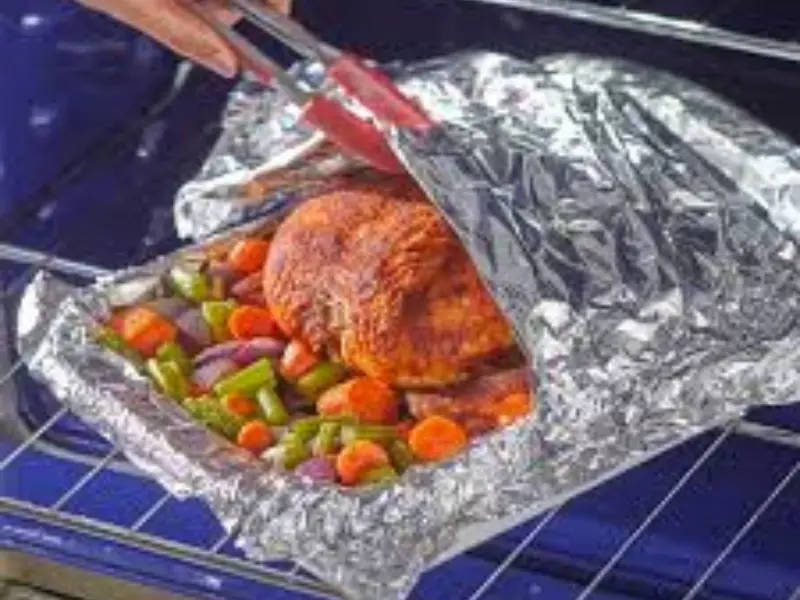
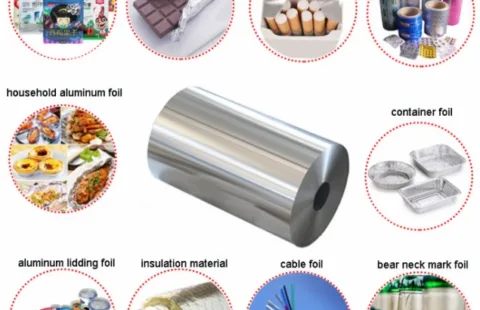
- Food Packaging: Household wrapping, flexible pouches, snack bags
- Pharmaceutical: Blister packs, strip foils, medicine bottle seals
- Dairy: Yogurt lids, butter wraps, cheese packaging
- Tobacco: Cigarette inner liners, moisture barriers
- Household: Kitchen foil, baking sheets, food storage
Temper Selection Guide
| Temper | 3003 Characteristics | 8011 Characteristics |
|---|---|---|
| O (Soft) | Moderate strength, good formability | Very soft, excellent flexibility |
| H14 | Half-hard, better strength | Medium hardness, balanced properties |
| H18 | Hard, high strength | Hard, good for lidding |
| H22 | Quarter-hard, good for drawing | Soft with some strength |
| H24 | Half-hard, container grade | Half-hard, general packaging |
| H26 | Three-quarter hard, rigid | Less common |
Quality Standards
Both alloys meet international standards for food contact and packaging:
| Standard | Description |
|---|---|
| ASTM B209 | Aluminum sheet and plate specification |
| FDA 21 CFR 177.1390 | Food contact compliance |
| EU 10/2011 | European food contact materials |
| ISO 9001 | Quality management systems |
| RoHS | Environmental compliance |
How to Choose: 3003 vs 8011 Aluminum Foil
Choose 3003 Aluminum Foil When You Need:
- Higher structural strength
- Better dent resistance
- Shape retention under load
- Resistance to acidic contents
- Cookware and heat exchange applications
- Industrial container applications
Choose 8011 Aluminum Foil When You Need:
- Lower material cost
- Better deep drawing capability
- Higher elongation for complex shapes
- Pharmaceutical-grade cleanliness
- General food packaging
- High-speed production efficiency
Summary Comparison Table
| Feature | 3003 Aluminum Foil | 8011 Aluminum Foil |
|---|---|---|
| Main Alloying Element | Manganese | Iron + Silicon |
| Tensile Strength | Higher | Moderate |
| Yield Strength | Higher | Lower |
| Elongation | Lower | Higher |
| Hardness | Harder | Softer |
| Corrosion Resistance | Excellent | Good |
| Cost | Higher | Lower |
| Deep Drawing | Moderate | Excellent |
| Best For | Containers, cookware | Packaging, lidding |
3003 vs 8011 Aluminum Foil Alloy for Sale
3003 vs 8011 aluminum foil each serve specific markets. In addition, 3003 offers superior strength and rigidity. It works best for containers and cookware. 8011 provides better formability at lower cost. It dominates food and pharmaceutical packaging.
Your choice depends on application requirements. Consider strength needs, forming complexity, corrosion exposure, and budget constraints. Both alloys deliver reliable performance when matched to the right use case.
Leave a Comment
You must be logged in to post a comment.