Gold VS Silver Aluminum Foil
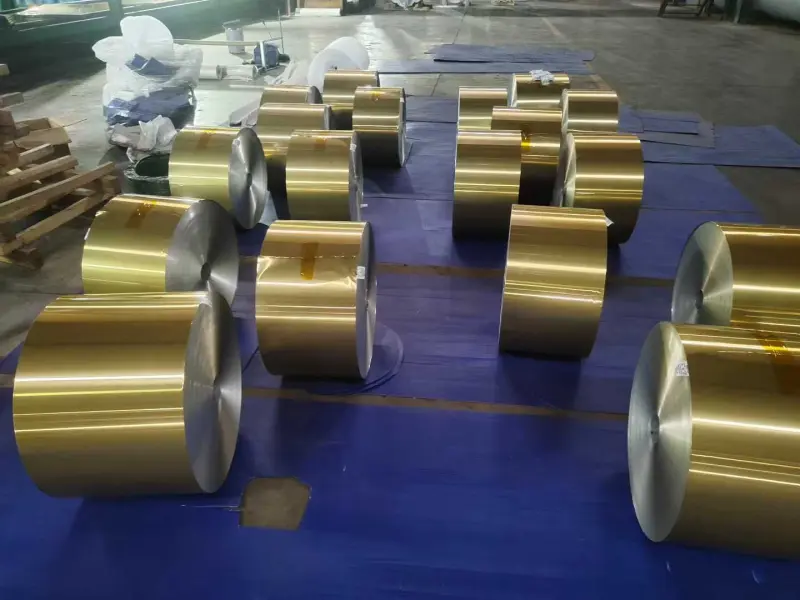
Gold VS Silver Aluminum Foil Aluminum foil comes in two classic colors: gold and silver. Both are made from the same material but have different surface treatments. Each color serves different purposes in the kitchen and for decorative applications.
Gold foil and silver foil look different but perform similarly. The main difference is the finish. This guide explains what each type does best and when to use them.
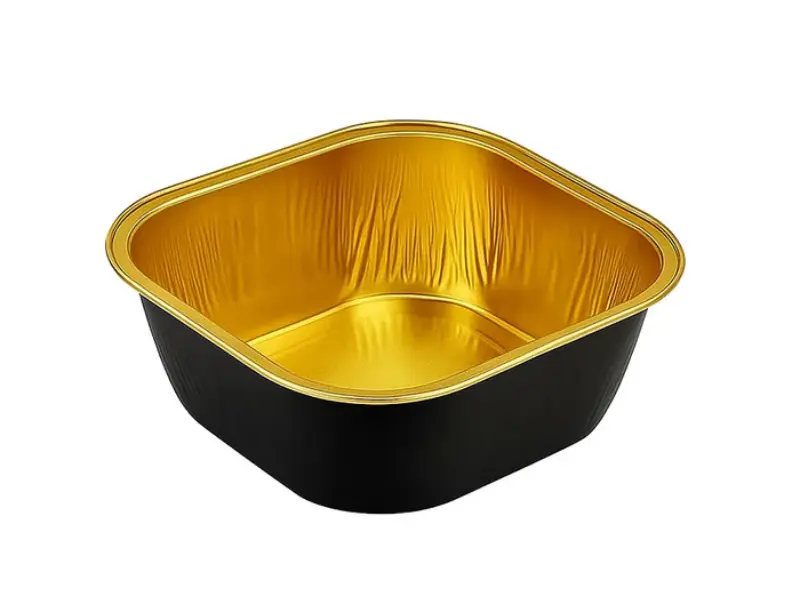
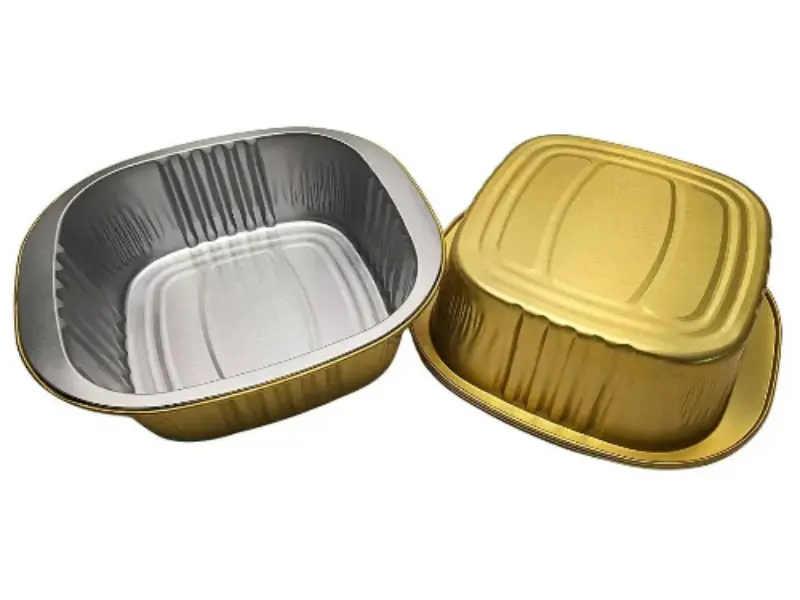
Understanding the Difference: Gold vs Silver
Surface Treatment Basics
| Aspect | Gold Foil | Silver Foil |
|---|---|---|
| Surface | Shiny on one side, matte on other | Shiny on both sides |
| Reflectivity | Medium reflective | Highly reflective |
| Heat Reflection | Good | Excellent |
| Cost | Slightly higher | Standard |
| Appearance | Warm, golden tone | Bright, metallic tone |
| Best For | Food service, wrapping | Cooking, heat reflection |
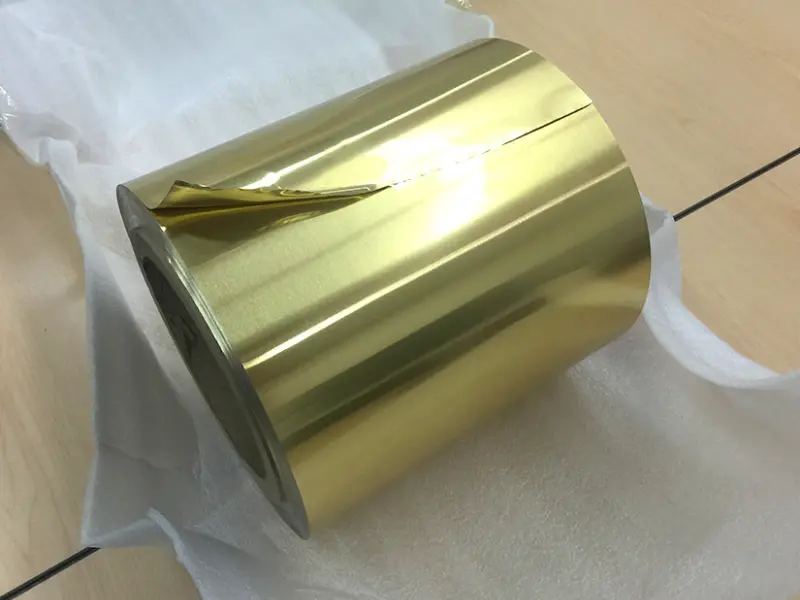
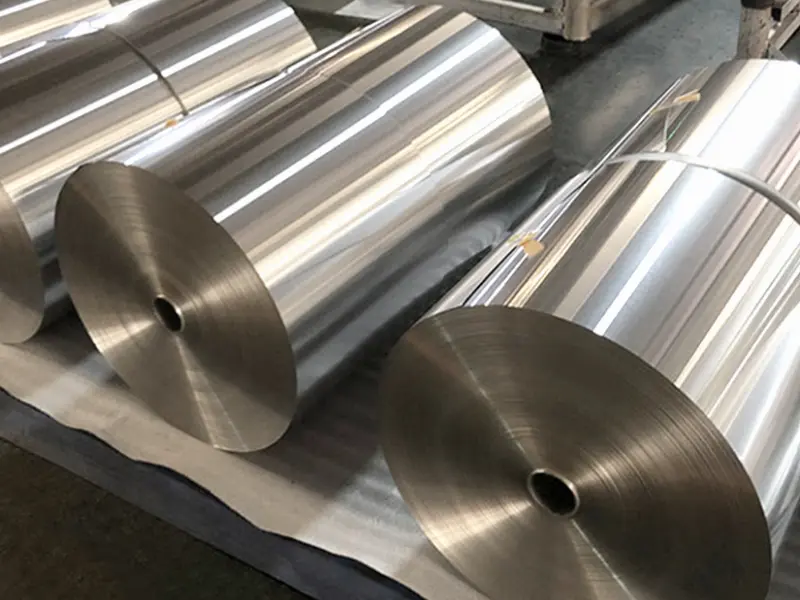
Gold foil has a shiny side and a dull side. The shiny side is the result of the rolling process. Silver foil is reflective on both sides, making it better for heat-intensive cooking.
The dull side of gold foil is less likely to stick to food. This makes it better for wrapping tasks. The bright side of silver foil reflects more heat, so it works better in the oven.
Product Types and Specifications
Standard Gold Aluminum Foil
Standard gold foil is the most common type. It comes in rolls of various widths. The thickness ranges from 0.01 mm to 0.02 mm. This is the everyday foil people use in their kitchens.
| Width | Length | Thickness | Per Roll |
|---|---|---|---|
| 300 mm | 50 m | 0.014 mm | Single roll |
| 450 mm | 50 m | 0.014 mm | Single roll |
| 600 mm | 100 m | 0.016 mm | Bulk |
| 750 mm | 100 m | 0.016 mm | Bulk |
Standard gold foil rolls fit most home use cases. They are affordable and easy to find. Home cooks use them for wrapping leftovers and covering dishes.
Heavy Duty Gold Aluminum Foil
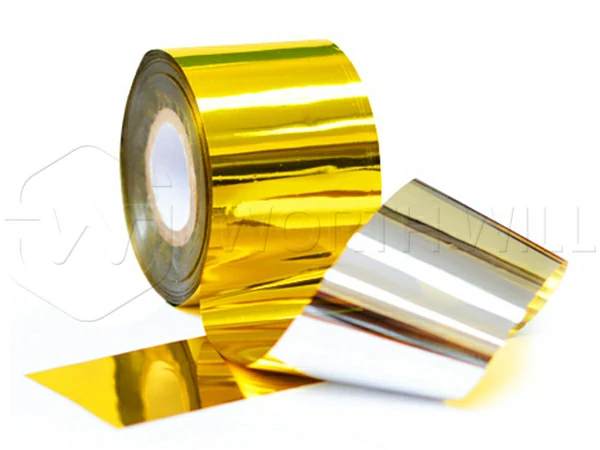
Heavy duty gold foil is thicker and stronger. The thickness is 0.019 mm to 0.025 mm. This foil does not tear easily and handles rough use better.
Heavy duty foil works well for wrapping large items and messy foods. It stands up to repeated folding and unfolding. Professional kitchens and caterers often choose this type.
| Width | Length | Thickness | Strength |
|---|---|---|---|
| 300 mm | 50 m | 0.020 mm | Extra strong |
| 450 mm | 50 m | 0.020 mm | Extra strong |
| 600 mm | 75 m | 0.025 mm | Heavy duty |
| 750 mm | 100 m | 0.025 mm | Heavy duty |
The heavier gauge means less waste. You use less foil per wrap and tear fewer sheets. This saves money over time, even though the upfront cost is higher.
Gold Aluminum Foil for Food Wrap
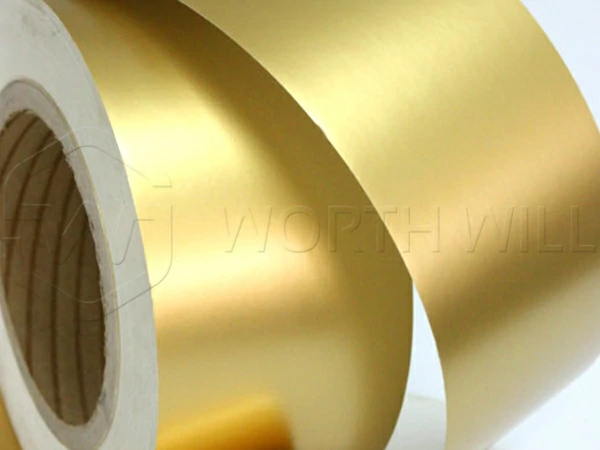
Food wrapping foil needs to be strong and safe. Gold foil designed for food wrapping has special qualities. It does not react with acidic foods. It keeps food fresh longer.
This type comes in convenient dispenser boxes. Tear lines make it easy to cut clean sheets. The rolls fit standard foil dispensers.
| Type | Thickness | Features |
|---|---|---|
| Standard food wrap | 0.014 mm | Budget option |
| Premium food wrap | 0.016 mm | Better durability |
| Heavy duty wrap | 0.020 mm | Professional grade |
| Extra wide wrap | 0.016 mm | Fits large dishes |
Food wrap foil comes in rolls between 300 mm and 900 mm wide. Wider rolls reduce the number of sheets needed for large items. They work well for catering and food service businesses.
Gold Aluminum Foil for Cooking
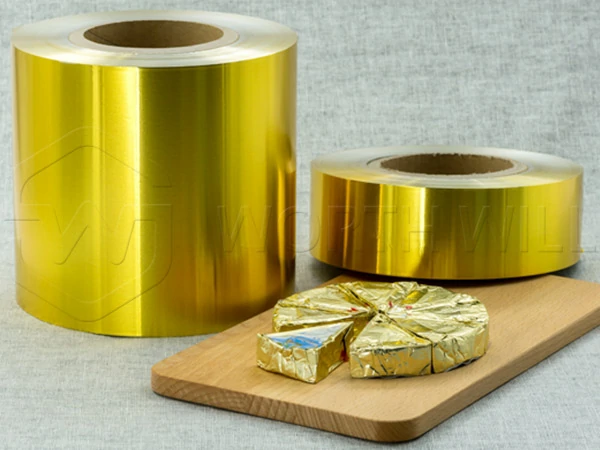
Cooking foil needs to handle heat without breaking. Gold foil for cooking is formulated to withstand high temperatures. It does not stick to food as easily as silver foil.
Many home cooks prefer gold foil because the matte side is less reflective. This gives more even cooking in some cases. The foil does not cause hot spots on the food.
| Use | Best Thickness | Temperature |
|---|---|---|
| Baking | 0.016 mm | Up to 200°C |
| Roasting | 0.020 mm | Up to 220°C |
| Grilling | 0.020 mm | Up to 250°C |
| Steaming | 0.014 mm | Up to 150°C |
For cooking applications, thicker foil (0.020 mm) is better. Thin foil (0.014 mm) can tear when you move hot food around.
Gold Embossing Foil

Embossing foil is designed for decorative and printing applications. It has a smooth, uniform surface that accepts ink and decorative patterns well.
Gold embossing foil is popular in printing shops, bakeries, and gift wrapping businesses. The foil can be stamped with logos, text, or designs. It adds a premium look to products.
| Application | Thickness | Features |
|---|---|---|
| Paper embossing | 0.012 mm | Thin, delicate |
| Box printing | 0.016 mm | Standard |
| Label printing | 0.014 mm | Flexible |
| Cake decoration | 0.015 mm | Food safe |
Embossing foil comes in rolls and sheets. Sheet sizes range from 100 mm × 100 mm to 1000 mm × 1000 mm. This gives flexibility for different decorative projects.
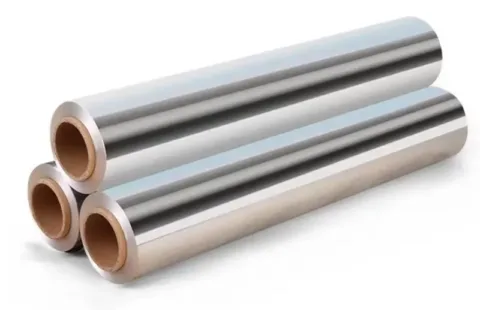
Gold Aluminum Foil Roll
Aluminum foil rolls are the standard form for most applications. Rolls come in different widths and lengths to suit various needs.
Standard rolls fit into home dispensers. Jumbo rolls are for commercial and industrial use. Rolls can be custom wound to specific widths and diameters.
| Roll Type | Width | Core | Applications | |—|—|—| | Standard | 300-450 mm | 2 inch | Home kitchen | | Premium | 600 mm | 2 inch | Professional | | Jumbo | 750-900 mm | 3 inch | Catering, food service | | Custom | Any width | Custom | Industrial applications |
Most retailers stock 300 mm and 450 mm rolls. These fit standard dispensers and are easy to handle. Wider rolls like 600 mm or 750 mm are available from wholesale suppliers.
Silver Aluminum Foil Options
Standard Silver Aluminum Foil
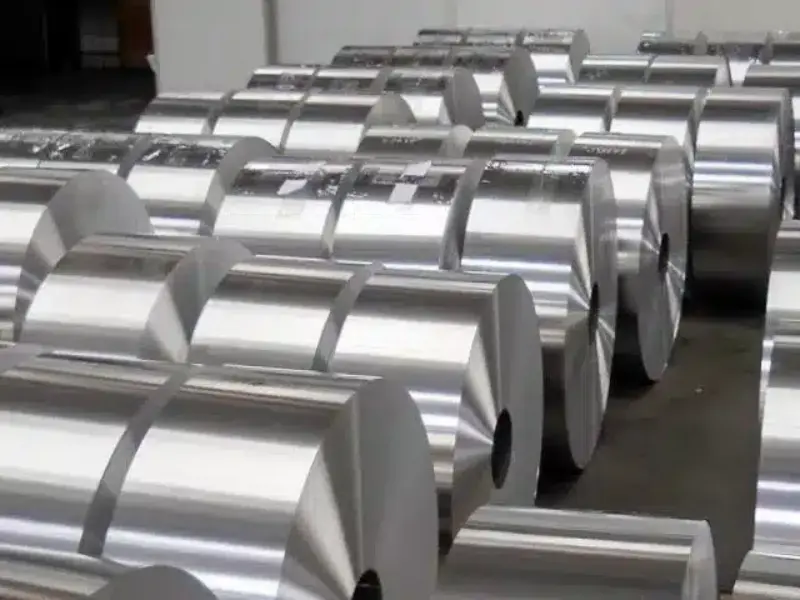
Silver foil is the classic choice for cooking. Both sides are shiny and reflective. This makes it ideal for heat applications.
Silver foil is slightly cheaper than gold foil. It reflects heat better, so food cooks more evenly in some cases. The bright finish is familiar to most people.
| Feature | Benefit |
|---|---|
| Both sides shiny | More heat reflection |
| Better for oven use | Even browning |
| Lower cost | Budget friendly |
| Easier to see | Brighter surface |
Silver foil works best when you want to wrap hot food or use it in the oven. The high reflectivity prevents over-browning on tops of dishes.
Heavy Duty Silver Aluminum Foil
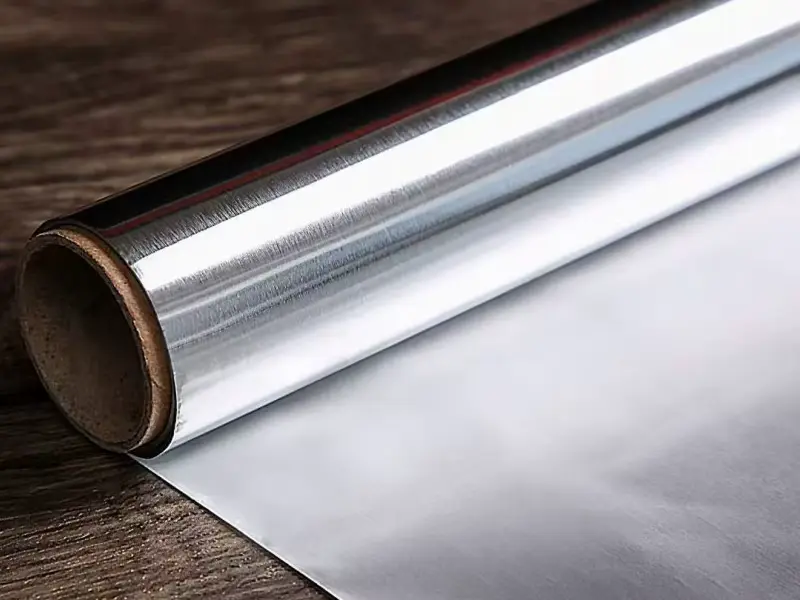
Heavy duty silver foil is thicker than standard. It handles the toughest jobs. The thickness is 0.020 mm to 0.025 mm.
This foil is strong enough for wrapping whole roasted chickens or large baked goods. It does not tear when you work with hot food. Professional bakers and chefs prefer this grade.
| Thickness | Use Case | Durability |
|---|---|---|
| 0.020 mm | General heavy use | Very good |
| 0.025 mm | Industrial kitchens | Excellent |
| 0.030 mm | Food service centers | Maximum |
Heavy duty silver foil costs more upfront but lasts longer. Less foil is wasted because it tears less often. Businesses that use large quantities save money with this option.
Material Composition and Standards
Aluminum Purity
Both gold and silver foil are made from aluminum alloys. Most foil uses 99.7% pure aluminum. The remaining 0.3% is other metals that add strength.
| Component | Standard Foil | Premium Foil |
|---|---|---|
| Aluminum (Al) | 99.7% | 99.8% |
| Iron (Fe) | 0.10% | 0.05% |
| Silicon (Si) | 0.10% | 0.10% |
| Manganese (Mn) | 0.05% | 0.02% |
Higher aluminum content means better corrosion resistance. Premium foils stay fresher longer when stored. They are also less likely to react with acidic foods.
Thickness Grades
Foil thickness determines its strength and flexibility. Thinner foil is easier to fold but tears more easily. Thicker foil is durable but harder to work with.
| Grade | Thickness (mm) | Use |
|---|---|---|
| Ultra thin | 0.010 – 0.012 | Decorative, light wrapping |
| Standard | 0.014 – 0.016 | Everyday cooking and wrapping |
| Heavy duty | 0.019 – 0.025 | Professional use, rough handling |
| Extra heavy | 0.025 – 0.030 | Industrial, food service centers |
Most home cooks use standard thickness (0.014-0.016 mm). Professional kitchens use heavy duty (0.019-0.025 mm). Industrial applications may require even thicker foil.
Key Applications
Food Wrapping and Storage
Gold VS Silver Aluminum Foil both preserve food freshness. They block light and air from reaching food. This slows down spoilage and keeps flavors intact.
Best practices for food wrapping:
- Wrap bread and baked goods in foil to keep them soft
- Use foil to cover leftovers in containers
- Wrap cheese and cold cuts tightly to prevent drying
- Store butter in foil to prevent flavor transfer
- Keep nuts and coffee beans fresh longer in foil
Gold foil is preferred for food storage because the matte side does not stick to moist foods. Silver foil works too but may require a release agent like cooking spray.
Cooking and Baking
Both types work in ovens and on grills. The main difference is heat reflection. Silver foil reflects more heat. Gold foil reflects less but offers more even heat distribution.
Cooking applications include:
- Wrapping fish and vegetables for steaming packets
- Covering baked goods to prevent over-browning
- Lining baking pans and sheet trays
- Wrapping roasted meats to keep them warm
- Grilling delicate items like vegetables and fish
Heavy duty foil is recommended for high-heat cooking. Standard foil works fine for lower-temperature applications like gentle steaming.
Food Service and Catering
Restaurants and catering companies use large quantities of foil every day. Heavy duty gold and silver foil are industry standards.
Caterers use foil to:
- Line serving platters and warmers
- Wrap catered food for transport and storage
- Cover hot dishes during service to retain heat
- Line prep tables for easy cleanup
- Wrap individual portions for takeout
Jumbo rolls and commercial packs reduce waste and cost per unit. Most food service businesses buy foil by the case or pallet.
Decoration and Embossing
Gold embossing foil is popular for premium applications. Bakeries use it to decorate cakes and pastries. Gift wrapping businesses use it for luxury packaging.
Decorative uses include:
- Stamping logos on chocolate and candy
- Creating decorative liners for bakery boxes
- Wrapping high-end chocolates and truffles
- Adding gold or silver accents to cakes
- Making gift wrap and luxury packaging
Embossing foil is food safe when used on food products. It adds a professional, upscale appearance to items. The gold finish is especially popular for premium baked goods.
Household Uses
Home cooks find many uses for foil beyond basic wrapping. Gold and silver foil each have their place in the kitchen.
Common household applications:
- Covering leftover food in dishes
- Wrapping sandwiches and snacks for lunch
- Lining casserole dishes before baking
- Shaping into packets for steaming
- Covering food in the microwave (carefully)
- Protecting oven bottoms from spills
Standard thickness foil (0.014-0.016 mm) is perfect for most home uses. It is cheap, easy to find, and versatile enough for nearly any task.
Comparison: Gold vs Silver Foil
| Factor | Gold Foil | Silver Foil |
|---|---|---|
| Heat reflection | Medium | High |
| Food stick-on | Less likely | More likely |
| Appearance | Warm tone | Bright metallic |
| Best for wrapping | Yes | Good |
| Best for cooking | Good | Yes |
| Cost | Slightly higher | Standard |
| Durability | Same | Same |
| Food safety | Equal | Equal |
When to choose gold foil: Use gold foil when wrapping food for storage or display. The matte side is less sticky. Gold looks nicer on finished dishes.
When to choose silver foil: Use silver foil when cooking in the oven or grilling. The reflective surface distributes heat evenly. Silver foil is slightly cheaper.
Standard Specifications
Roll Dimensions
| Parameter | Standard | Jumbo |
|---|---|---|
| Width | 300-450 mm | 600-900 mm |
| Length | 50-100 m | 100-150 m |
| Core diameter | 2 inch (51 mm) | 3 inch (76 mm) |
| Roll weight | 0.5-1.5 kg | 2-4 kg |
Packaging Options
| Package Type | Quantity | Best For |
|---|---|---|
| Single roll | 1 roll | Small households |
| Family pack | 2-3 rolls | Regular families |
| Bulk pack | 6-12 rolls | Small businesses |
| Case | 24-36 rolls | Restaurants, caterers |
Storage and Shelf Life
Aluminum foil lasts a long time when stored properly. Keep it in a cool, dry place away from direct sunlight.
Storage tips:
- Store in original packaging to maintain freshness
- Keep away from moisture to prevent oxidation
- Avoid extreme temperature changes
- Store flat to prevent crimping
- Keep away from strong odors
- Use within 2-3 years for best quality
Both Gold VS Silver Aluminum Foil maintain quality for years. The main concern is preventing the edges from getting creased or bent.
Food Safety Information
All food-grade aluminum foil is safe for direct contact with food. It does not react with most foods or leach harmful chemicals.
Safe uses:
- Wrapping and storing all types of food
- Cooking at standard oven temperatures (up to 220°C)
- Contact with acidic foods (tomatoes, citrus)
- Contact with salty foods
- Contact with hot food
Precautions:
- Avoid very high temperatures above 250°C
- Remove foil before microwaving (use appropriate covers)
- Do not use foil with certain acidic spices for extended storage
- Keep foil away from chlorine and bleach
Professional food-grade foil meets strict safety standards. It is tested for food contact compliance in most countries.
Frequently Asked Questions
Q: Can I use gold and silver foil interchangeably? A: Yes, mostly. Both are safe and work similarly. Silver foil reflects heat better. Gold foil is less sticky for food storage.
Q: What thickness should I choose for heavy-duty use? A: For heavy-duty applications, choose 0.020 mm or thicker. Standard thickness (0.014-0.016 mm) works for everyday use.
Q: Is embossing foil food safe? A: Yes, food-grade embossing foil is safe for direct food contact. Always check the packaging for food safety certification.
Q: Why is gold foil more expensive than silver? A: Gold foil has a special finish that requires extra processing. The matte side is more desirable for certain applications, so demand is higher.
Q: Can I recycle aluminum foil? A: Yes, aluminum foil is fully recyclable. Check with your local recycling program for guidelines.
Q: How much foil is in a standard roll? A: A standard 450 mm × 50 m roll contains about 22.5 square meters of foil.
Buying Guide
For Home Use
Buy standard thickness (0.014-0.016 mm) rolls in 300-450 mm widths. Family packs of 2-3 rolls offer better value than single rolls. Gold foil is better if you wrap food often.
For Professional Kitchens
Heavy duty foil (0.020 mm) in 600-750 mm widths is best. Buy in bulk cases for volume discounts. Mix gold and silver foil based on specific applications.
For Food Service
Jumbo rolls (750-900 mm) in heavy duty thickness are most economical. Commercial food service suppliers offer competitive pricing for large orders. Standard orders are 24-36 rolls per case.
For Decorative Use
Buy embossing foil in sheets if doing small projects. Roll format is better for larger volume work. Choose premium thickness (0.015-0.016 mm) for detailed stamping.
Gold VS Silver Aluminum Foil
Gold VS Silver Aluminum Foil is essential kitchen tools. The Gold VS Silver Aluminum Foil excels at food storage and decorative applications. Silver foil is best for cooking and heat-intensive tasks.
Both types are safe, affordable, and versatile. Standard thickness works for most home uses. Heavy duty foil is worth the extra cost for professional kitchens and frequent users.
The difference between the two comes down to surface finish and personal preference. Either choice delivers dependable performance for food wrapping, cooking, and storage needs.
Need gold or silver aluminum foil for your kitchen or business? Contact us for wholesale pricing, bulk orders, and custom specifications.
Leave a Comment
You must be logged in to post a comment.