Pharmaceutical Aluminum Foil in India
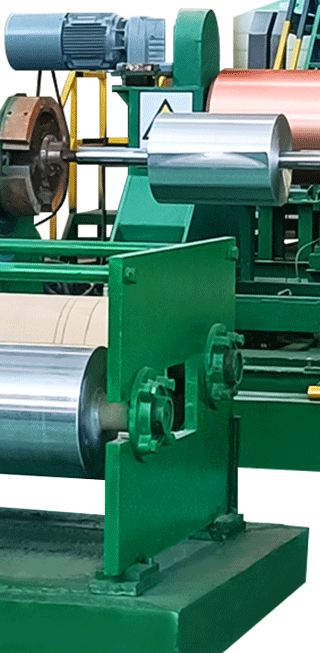
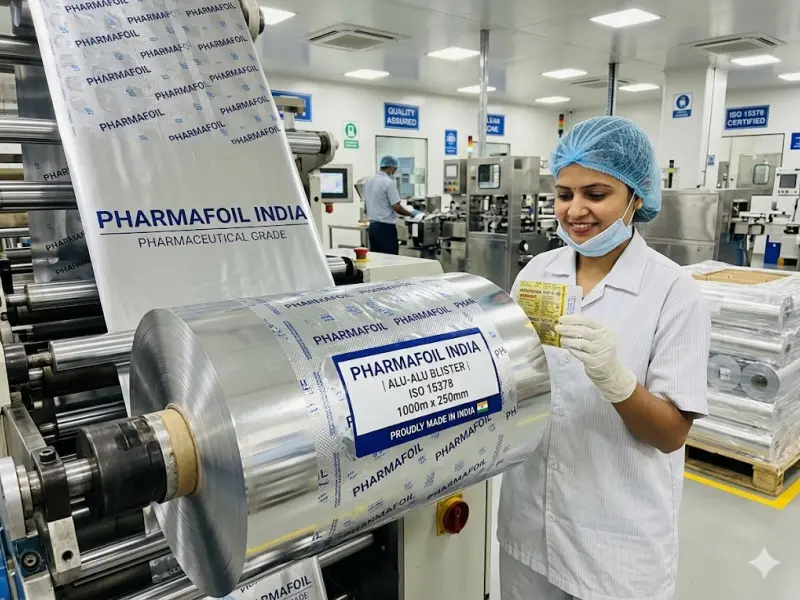
Pharmaceutical Aluminum Foil in India is a high-purity aluminum material made specifically for drug packaging. Unlike standard household foil, pharma-grade foil must meet strict quality rules set by international regulators. It protects tablets, capsules, and powders from damage caused by moisture, light, oxygen, and and germs .
Manufacturers in India produce large volumes of this foil for both local use and export. The country has a strong base of raw materials and skilled labor for rolling and coating processes.
Why Indian Pharmaceutical Foil Matters
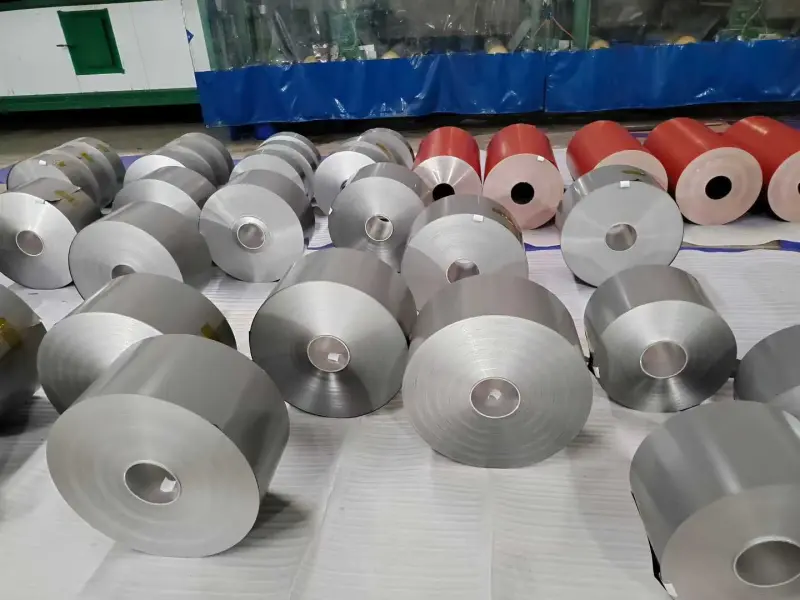
India is one of the largest suppliers of pharmaceutical packaging materials worldwide.
The local industry supports both domestic drug makers and global brands . Indian-made pharma aluminum foil often costs less than European or American alternatives while meeting the same quality standards.
The local climate also helps. Hot weather in many parts of India means drugs need strong barrier packaging to stay stable. Aluminum foil solves this problem directly .
Common Alloy Grades Used in India
Different alloys serve different drug packaging needs.Here are the main grades you will find in the Indian market.
Alloy 8011 aluminum foil
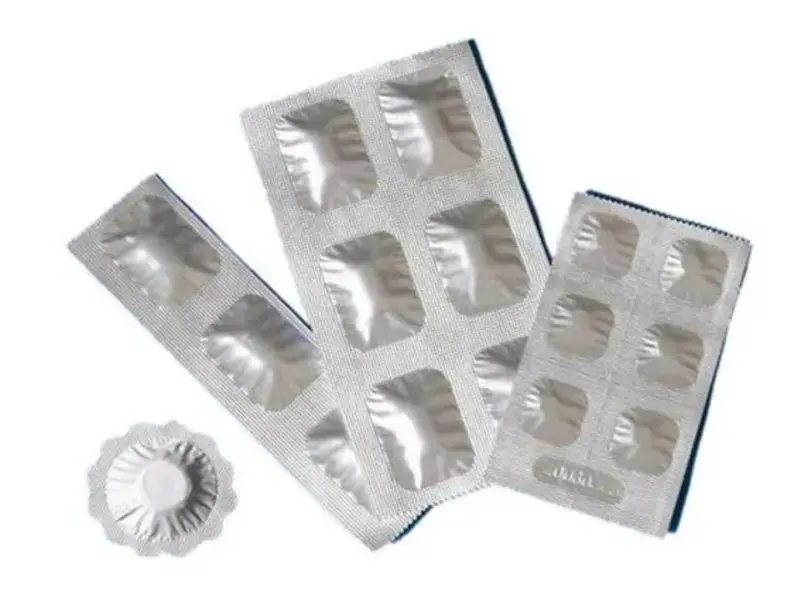
Alloy 8011 is the most common choice for blister lidding foil. It contains iron and silicon as main additions. This gives good strength and formability for cold forming. 8011-H18 temper is the standard for push-through blister packs .
Alloy 8021 aluminum foil
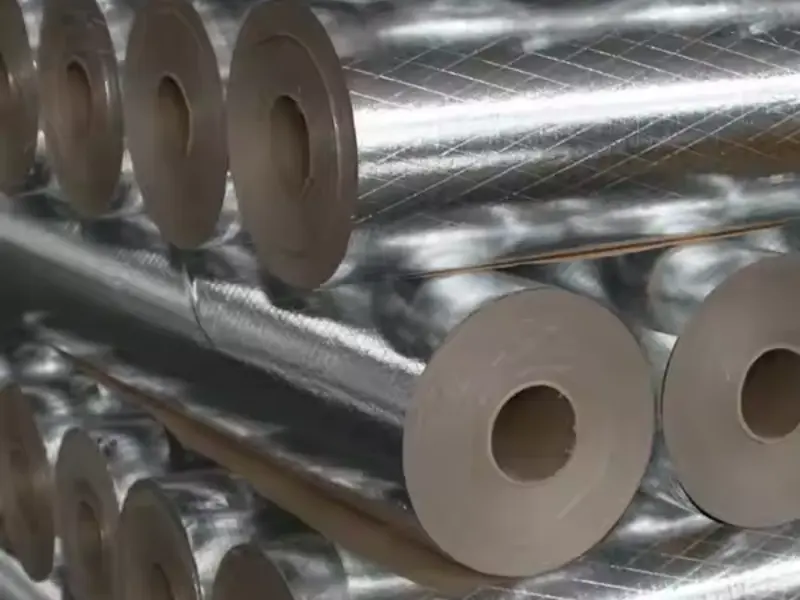
Alloy 8021 has fewer trace elements and higher purity than 8011. It offers better barrier properties and fewer pinholes. This makes it ideal for drugs that are highly sensitive to moisture or oxygen .
Alloy 8079 aluminum foil
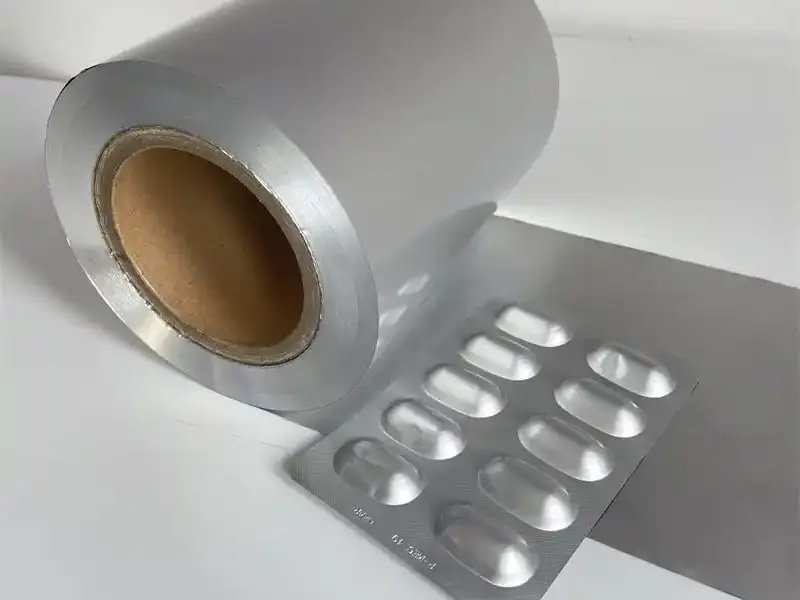
Alloy 8079 works well for both pharmaceutical and food blister packaging. It has fine grain structure which helps deep drawing and forming complex shapes .
Alloy 1235 aluminum foil
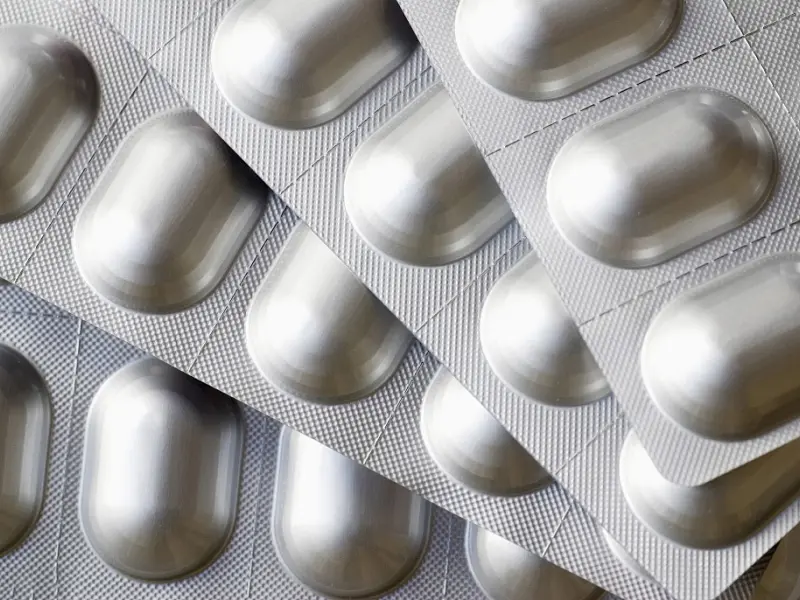
Alloy 1235 is a commercially pure grade with at least 99.35% aluminum. It is softer and more ductile than 8011. Some strip pack and cold-forming applications use this grade .
Alloy 1050 aluminum foil
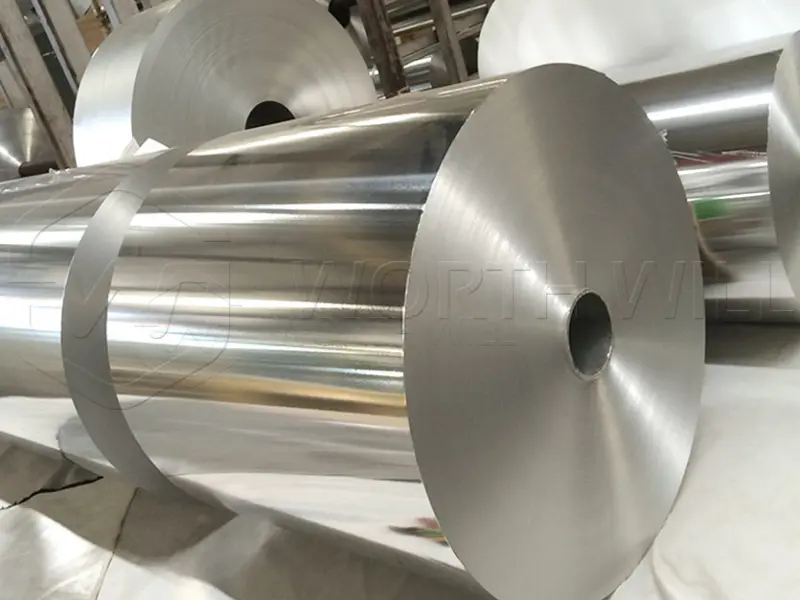
Alloy 1050 contains at least 99.5% aluminum. It offers excellent corrosion resistance and is easy to form. It is common for non-cold-formed blister packs .
| Alloy Grade | Main Elements | Strength Level | Best Use |
|---|---|---|---|
| 8011 | Iron, Silicon | Medium | Blister lidding, general pharma |
| 8021 | Higher purity | Medium-high | Moisture-sensitive drugs |
| 8079 | Fine grain structure | Medium | Deep drawing, food-pharma combo |
| 1235 | Pure aluminum | Low | Strip packs, soft forming |
| 1050 | Pure aluminum | Low | Non-cold-formed blister packs |
Temper Designations Explained
The temper tells you how hard the foil is and how it behaves during forming.
H18 Temper
H18 means fully strain-hardened. The foil is stiff and strong. It is the standard temper for cold-formed blister lidding foil .
H19 Temper
H19 is also strain-hardened but slightly harder than H18. Some high-speed lines use this temper for better handling .
Soft Temper
Soft temper means the foil is fully annealed. It is very flexible and easy to form. Strip pack foil often uses this temper .
O Temper
O temper is fully soft and dead annealed. It has maximum formability. This is used when foil must wrap around complex shapes without cracking .
| Temper | Hardness | Formability | Typical Application |
|---|---|---|---|
| O | Very soft | Excellent | Strip packs, deep forming |
| Soft | Soft | Very good | Strip packs, sachets |
| H18 | Hard | Limited | Blister lidding |
| H19 | Very hard | Limited | High-speed blister lines |
Types of Pharmaceutical Aluminum Foil
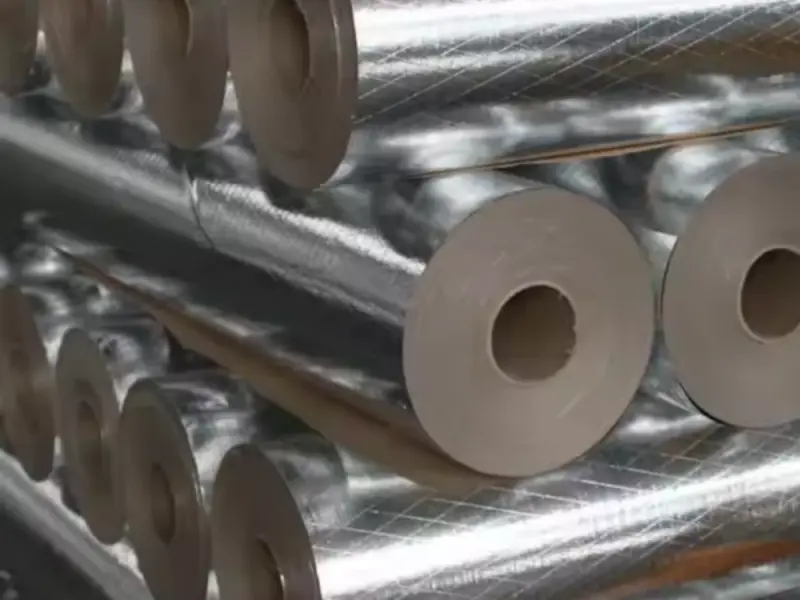
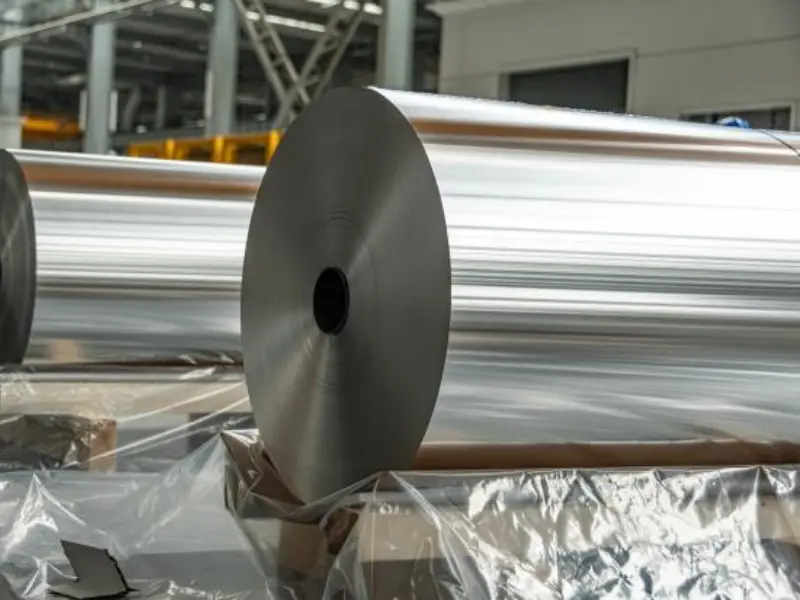
Indian suppliers offer several types of pharma-grade foil for different packaging formats.
Blister Pack Foil
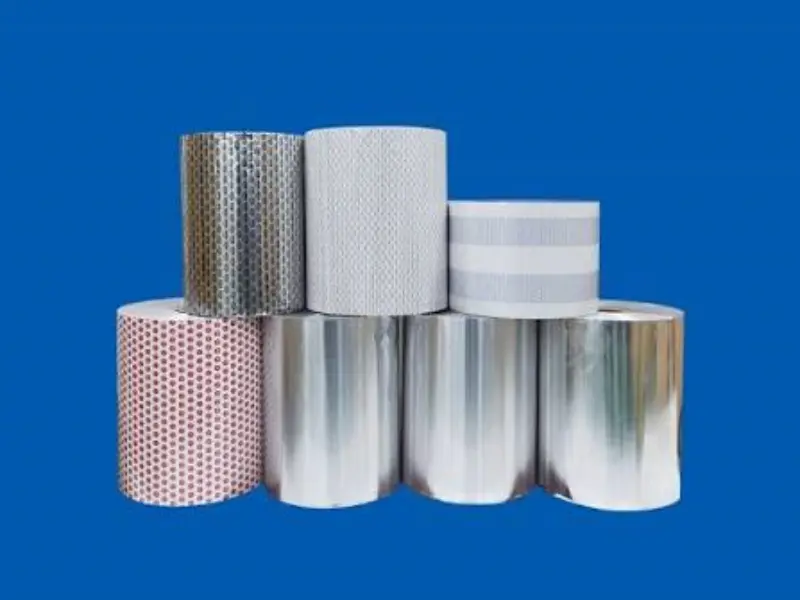
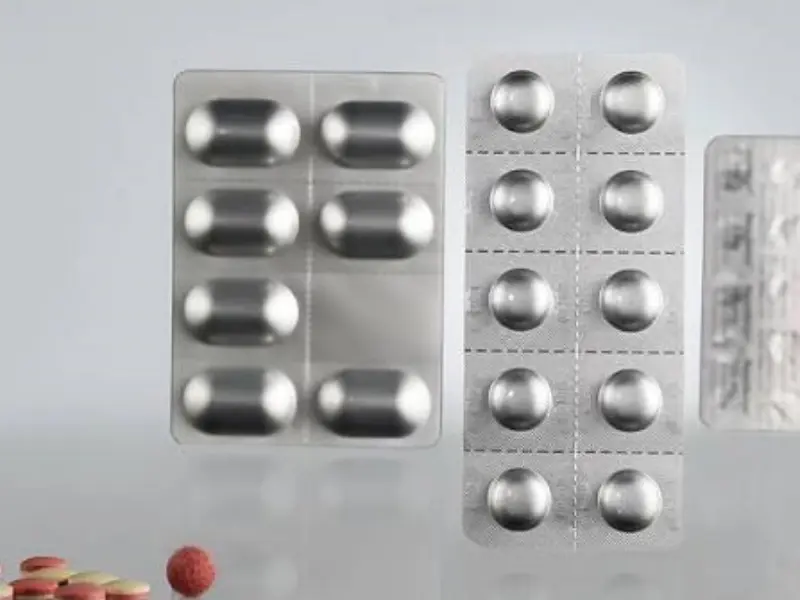
Blister pack foil is the lidding material sealed onto plastic blister cavities. Patients push through the foil to get the tablet. It usually comes in 20 to 30 micron thickness .
Strip Pack Foil
Strip pack foil wraps individual tablets or capsules between two foil layers. It is thicker than blister foil, often 30 to 50 microns. This format protects drugs from light and moisture .
Cold Form Aluminum Foil
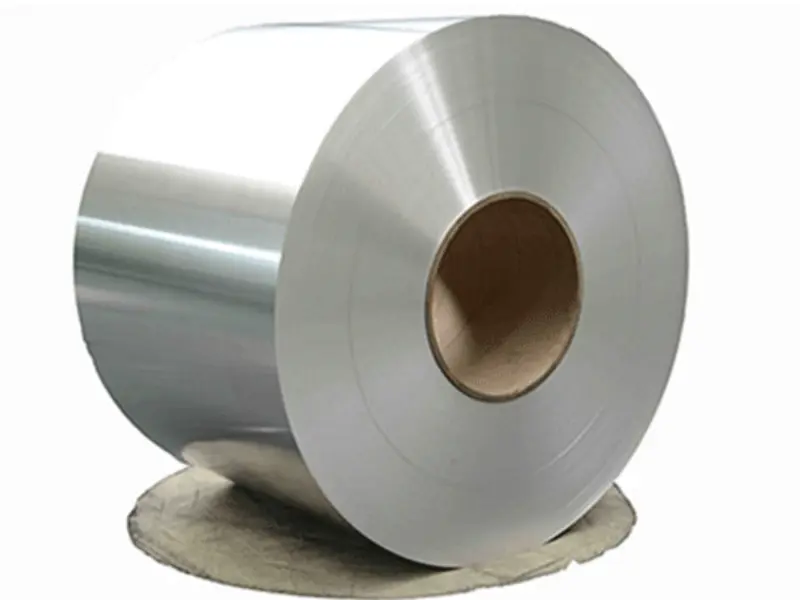
Cold form foil is also called alu-alu foil. It forms the blister cavity itself rather than just the lidding. It offers the highest barrier against water vapor and oxygen. It is used for very sensitive drugs .
Sachet Foil
Sachet foil laminates aluminum with plastic or paper. The aluminum layer is usually 6 to 20 microns thick. used for powders and granules .
Lidding Foil
Lidding foil seals jars, bottles, and containers. It is thicker, often 30 to 50 microns, with heat-seal coating on one side .
Alu-Alu Foil
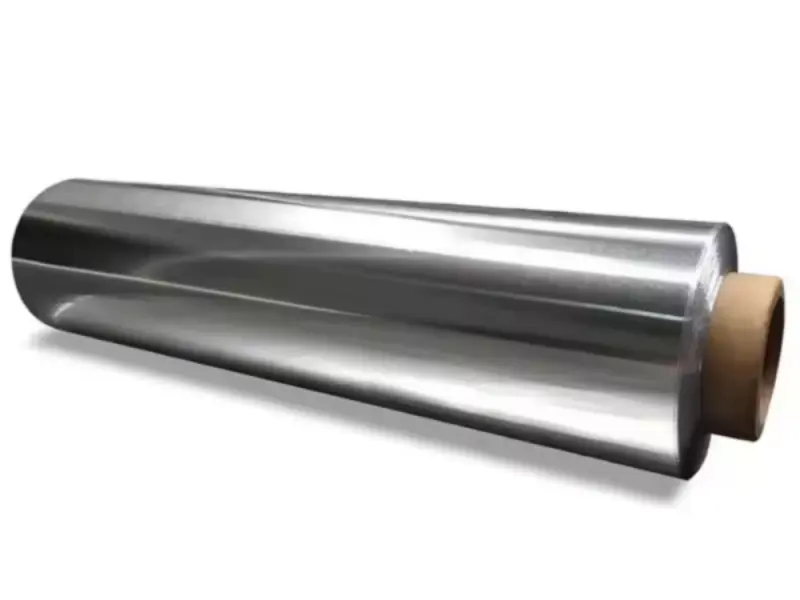
Alu-alu foil is a multi-layer laminate of aluminum and plastic. used for high-barrier blister packaging. It replaces PVC in cold-forming applications .
| Foil Type | Thickness Range | Structure | Best For |
|---|---|---|---|
| Blister Pack Foil | 20–30 µm | AL/HSL | Tablets, capsules |
| Strip Pack Foil | 30–50 µm | Soft aluminum | Powders, sensitive tablets |
| Cold Form Foil | 120–160 µm | OPA/AL/PVC | High-barrier drugs |
| Sachet Foil | 6–20 µm | AL/PE or AL/Paper | Powders, granules |
| Lidding Foil | 30–50 µm | AL/HSL | Bottles, jars, vials |
| Alu-Alu Foil | 140–180 µm | OPA/AL/PVC | Tropical climate drugs |
Standard Thickness Specifications
Pharmaceutical aluminum foil in India follows common global ranges.Custom sizes are available from most suppliers.
Standard Thickness Ranges
The standard thickness for blister foil is 0.02 mm to 0.04 mm . Strip pack foil is usually 0.03 mm to 0.05 mm. Cold form foil is much thicker at 0.14 mm to 0.18 mm because it forms the cavity itself .
Width Options
Standard roll widths are 200 mm to 1300 mm. Suppliers can slit rolls to smaller widths based on customer needs .
| Thickness Range | Typical Use |
|---|---|
| 0.020–0.025 mm | Light blister packs, low-dose tablets |
| 0.025–0.030 mm | Standard blister lidding |
| 0.030–0.040 mm | Strip packs, heavy tablets |
| 0.140–0.180 mm | Cold form alu-alu cavity |
Surface Coatings and Treatures
Raw foil needs extra layers to work properly in packaging machines.
Heat-Seal Lacquer
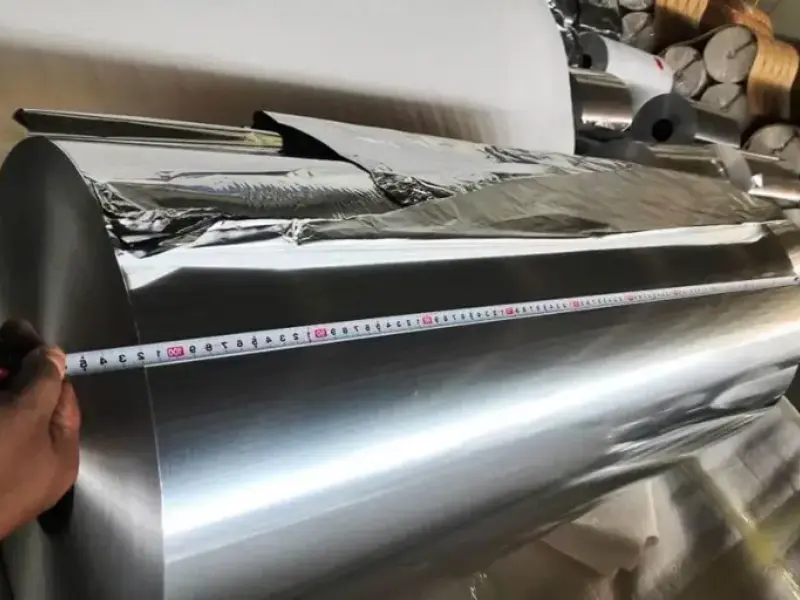
Heat-seal lacquer is a coating applied to one side of the foil. It melts under heat to bond foil to plastic films like PVC or PVDC. This is essential for blister sealing .
Primer Coatings
Primer helps ink stick to the foil surface. Printed blister packs need this layer for clear batch numbers and branding .
Protective Coatings
Some foils get extra protective layers to stop reactions between aluminum and active drug ingredients .
OPA Layer
OPA is oriented polyamide film used in cold-form laminates. It protects the outer surface and helps printing .
| Coating Type | Function | Best For |
|---|---|---|
| Heat-seal lacquer | Bonding to plastic | Blister packs, strip packs |
| Primer | Print adhesion | Printed blister packs |
| Protective | Stop drug interaction | Reactive drug formulas |
| OPA | Outer protection | Cold form alu-alu |
Key Quality Tests
Indian suppliers follow international tests to prove foil quality.
Pinhole Test
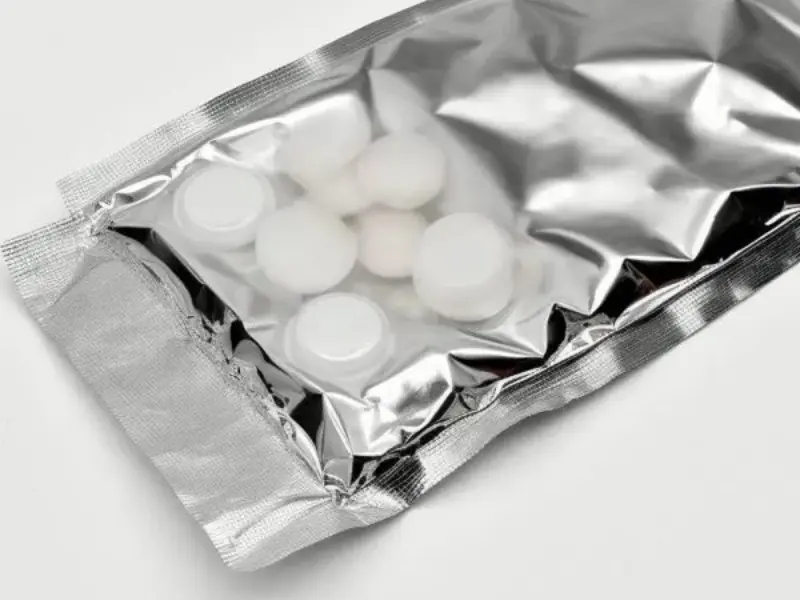
Pinholes are tiny holes in foil that break barrier protection. Fewer pinholes mean better protection. 8021 alloy has lower pinhole rates than 8011 .
Tensile Strength Test
This measures how hard the foil pulls before it breaks. Blister foil needs 60 to 110 MPA .
Elongation Test
Elongation measures how much foil stretches before breaking. Pharma foil needs at least 1% elongation .
Wetability Test
Wetability grades from A to D. Grade A means the foil surface is clean and ready for coating without extra cleaning .
Barrier Performance
Suppliers test oxygen and water vapor transmission rates. ASTM D3985 checks oxygen barrier. ASTM E96 checks moisture barrier .
| Test Name | Standard | What It Checks |
|---|---|---|
| Pinhole | Visual/automated count | Barrier integrity |
| Tensile strength | ASTM E8 | Breaking strength |
| Elongation | ASTM E8 | Stretch before break |
| Wetability | Grade A–D | Surface cleanliness |
| Oxygen barrier | ASTM D3985 | Oxygen protection |
| Moisture barrier | ASTM E96 | Humidity protection |
Applications in the Indian Pharma Market
Pharmaceutical aluminum foil serves many purposes across the drug industry.
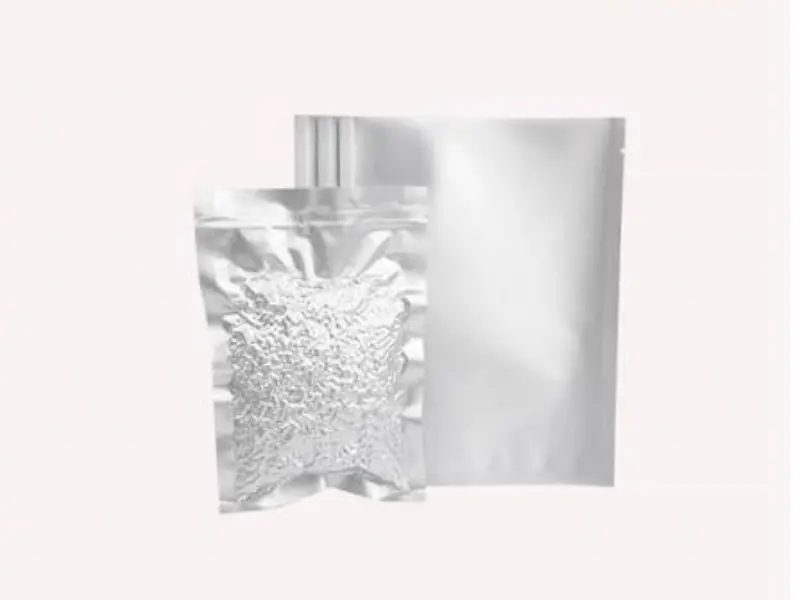
Solid Dosage Packaging
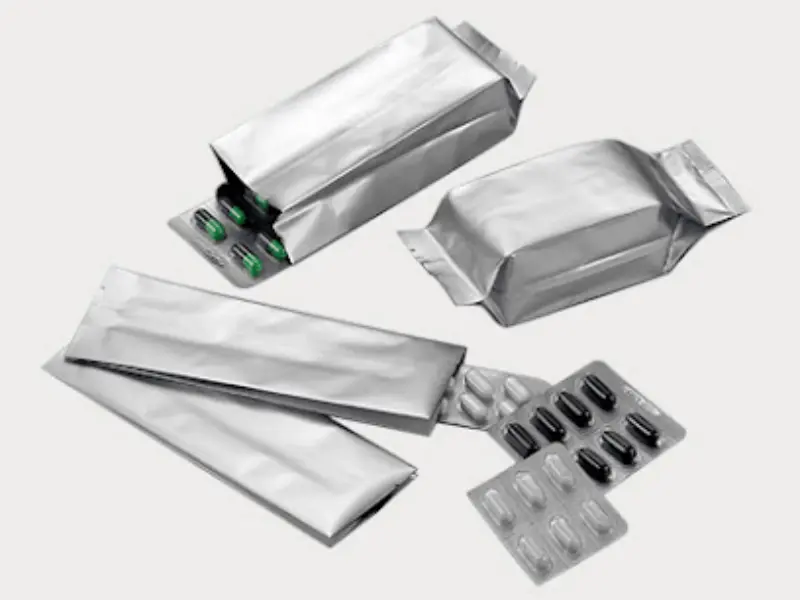
- Blister packs for tablets and capsules
- Strip packs for sensitive or bulk drugs
- Sachets for powders and granules
Injectable and Liquid Packaging
Portion cups for unit-dose liquids
Seals for vials and ampoules
Lidding for oral liquid bottles
Specialty Pharma
- Transdermal patch backing foil
- Inhaler dose packaging
- Diagnostic kit packaging
OTC and Consumer Health
- Vitamin blister packs
- Pain relief patch packaging
- Cough lozenge strip packs
How to Choose the Right Pharmaceutical Aluminum Foil in India
Picking the correct foil depends on your drug product needs.
Step 1: Define Barrier Needs
Ask what the drug must avoid. Moisture-sensitive drugs need cold form alu-alu or 8021 alloy blister foil. Light-sensitive drugs Need opaque foil with full light block .
Step 2: Select the Alloy
For standard tablets 8011-H18 works well. For High-barrier needs pick 8021-H18 or cold form foil. For Strip packs use 1235 or soft temper .
Step 3: Pick the Thickness
Thin 20-micron foil works for Low-dose tablets. Go thicker to 30 microns for heavy or sharp-edged tablets. Cold form needs 140 microns or more .
Step 4: Choose the Coating
Standard blister packs need heat-seal lacquer. Printed packs need primer for batch codes. Cold form needs OPA/AL/PVC laminate structure .
Step 5: Confirm Supplier Quality
Check ISO 9001 and ISO 14001 certificates. Ask for batch test reports and tensile strength and barrier data .
Regulatory Standards in India
Indian manufacturers follow both local and international rules.
Indian Pharmacopoeia
The Indian Pharmacopoeia sets quality standards for drug packaging materials used in India .
BIS IS 16011
BIS IS 16011 is the Indian standard for aluminum and aluminum alloy foil for pharmaceutical packaging. It covers 20 to 40 micron foils for bare and coated types .
USP Class VI
USP Class VI tests check that foil materials do not harm living cells. This proves safety for direct drug contact .
ISO 15378
ISO 15378 is the international standard for primary packaging materials for medicinal products. It covers quality management and risk control .
| Standard | Scope | Relevance |
|---|---|---|
| BIS IS 16011 | Indian foil specification | Foil thickness, alloy range |
| USP Class VI | Cell toxicity test | Drug safety |
| ISO 15378 | Quality management | Supplier reliability |
| ASTM D3985 | Oxygen transmission | Barrier proof |
| ASTM E96 | Moisture vapor transmission | Shelf life support |
Customization Options
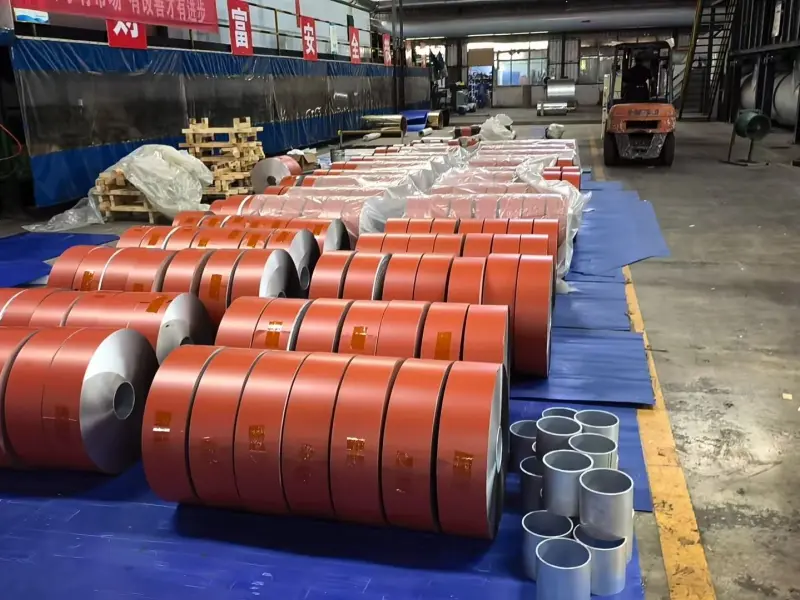
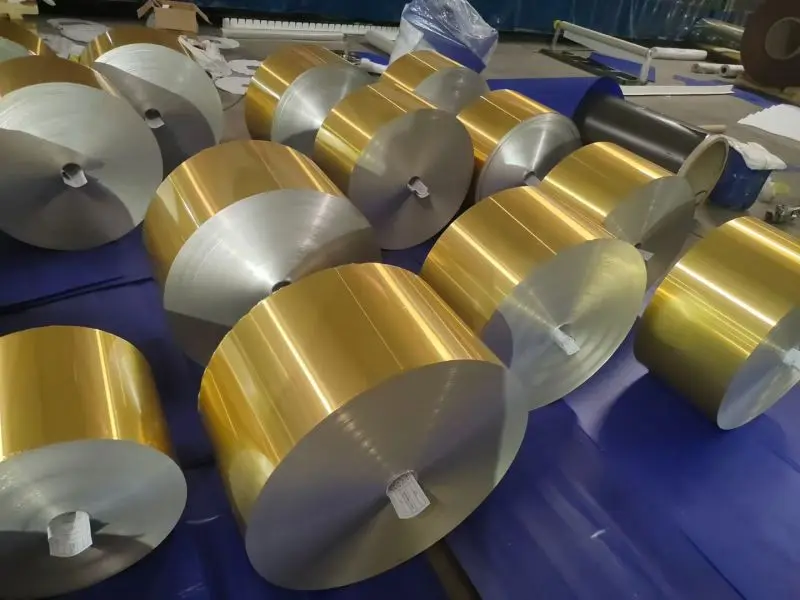
Indian Pharma foil suppliers offer many custom services.
Cut-to-Size
Rolls can be slit to exact widths needed for specific blister lines. This reduces waste and improves line speed.
Printing and Branding
Suppliers offer batch coding, logos, and dosage instructions printed directly on foil. Methods include UV flexo and gravure printing.
Cold Forming Support
Some suppliers provide pre-formed Cold form foil cavities. Complex shapes can be made for specific tablet sizes .
Color Matching
Powder coatings and print colors can match specific RAL codes for brand identity [^41].
Storage and Handling Tips
To keep pharma aluminum foil in good condition before use, follow these steps.
- Store rolls in a dry room at 20 to 25 degrees Celsius
- Keep away from direct sunlight and salt spray
- Use separator sheets between stacked rolls to avoid scratches
- Handle with clean gloves to prevent oil stains
- Check roll edges for damage before loading onto machines
Where to Buy Pharmaceutical Aluminum Foil in India
India has many established Pharma foil manufacturers and distributors.
Local Manufacturers
Companies in Ahmedabad, Vasai, and Mumbai produce large volumes of blister and strip pack foils . Many have GMP and ISO and SGS certificates.
Specialized Pharma Packaging Suppliers
Some firms focus only on pharmaceutical packaging. They offer technical support for blister line setup and trouble-shooting and validation help [^31].
Direct from Manufacturers
For large volume orders buying direct from mills lowers cost per kilogram. Lead times may be longer but customization is wider [^31].
Price Factors
The cost of pharmaceutical aluminum foil in India changes based on several points.
Alloy Grade
Pure grades like 1235 and 1050 cost less than high-barrier 8021 alloy or cold form laminates.
Thickness
Thicker foil needs more material and longer rolling time. Prices rise with thickness.
Coating Complexity
Standard heat-seal lacquer is cheapest. Primer plus print-ready coating adds cost. Cold form OPA/AL/PVC laminate is most expensive .
Order Volume
Bulk orders usually get better per-kilogram prices. Small custom jobs have higher setup charges.
Environmental Benefits
Aluminum is 100 percent recyclable without quality loss. Pharma foil scrap from cutting can be remelted and new rolls. The light weight also reduces transport emissions compared to glass or steel alternatives [^34].
Pharmaceutical aluminum foil in India for sale
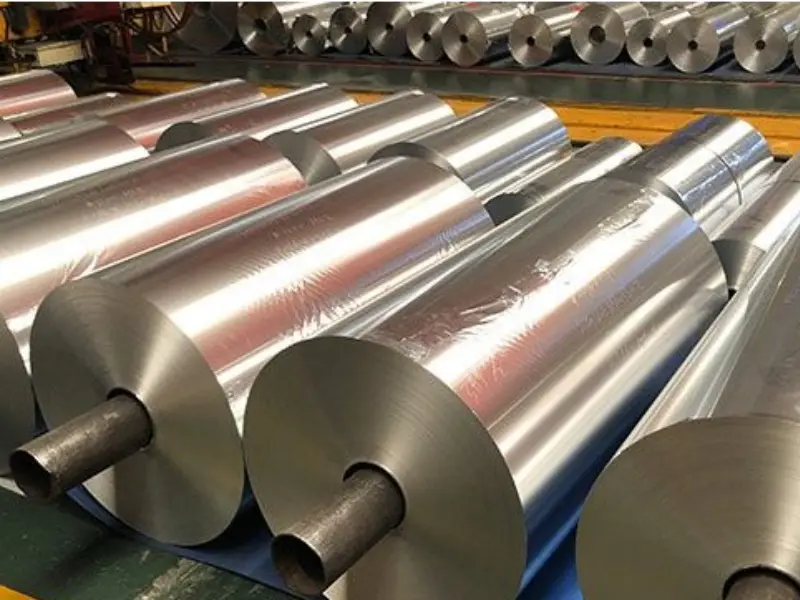
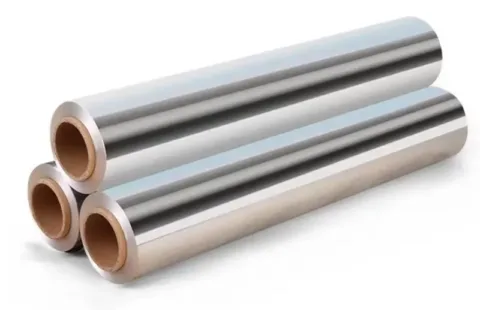
Pharmaceutical aluminum foil in India is a mature industry with many alloy, temper, and coating choices. Whether you need PTP blister lidding, strip packs, or cold form alu-alu, Indian suppliers can deliver.
Work with a supplier who understands barrier science and can advise on alloy choice and thickness, and coating. With the right pharmaceutical aluminum foil, your drug product gets protection, shelf life, and patient safety in one package.
Leave a Comment
You must be logged in to post a comment.