Aluminium Foil for Sealing
Aluminium foil for sealing plays a key role in modern packaging. It keeps food fresh, prevents leaks, and blocks contaminants. From small bottles to large containers, foil seals protect products across many industries.
Why Use Aluminium Foil for Sealing
Foil seals offer several advantages over plastic or cork closures. They create a tight barrier against air, moisture, and bacteria. The material is lightweight yet strong. It works with heat, induction, or pressure sealing methods. Many producers now prefer aluminium foil for bottle sealing because it extends shelf life and improves product safety.
Unlike plastic liners, foil does not absorb odors or chemicals. It withstands high temperatures during the sealing process. These traits make it ideal for pharmaceuticals, food, and cosmetics.
Common Alloy Types for Sealing Foil
Not all foil uses the same alloy. The metal mix affects flexibility, strength, and heat response. Here are the main options:
| Alloy | Aluminum Content | Key Traits | Best For |
|---|---|---|---|
| 8011 | 97% plus iron and silicon | Soft, easy to tear, good formability | Food containers, cup seals |
| 1235 | 99.35% pure | Very soft, high flexibility, clean surface | Pharmaceutical blister packs |
| 8079 | High purity with iron | Excellent barrier, moisture resistant | Laminated pouch seals |
| 3003 | Manganese alloy | Stronger, slightly stiffer | Heavy container lids |
| 1145 | 99.45% pure | Good conductivity, easy to weld | Induction sealing liners |
Alloy 8011 dominates the food packaging market. It forms easily and accepts heat sealing without tearing. Alloy 1235 works better for medical and cosmetic products that need ultra-clean surfaces.
Foil Thickness for Different Jobs
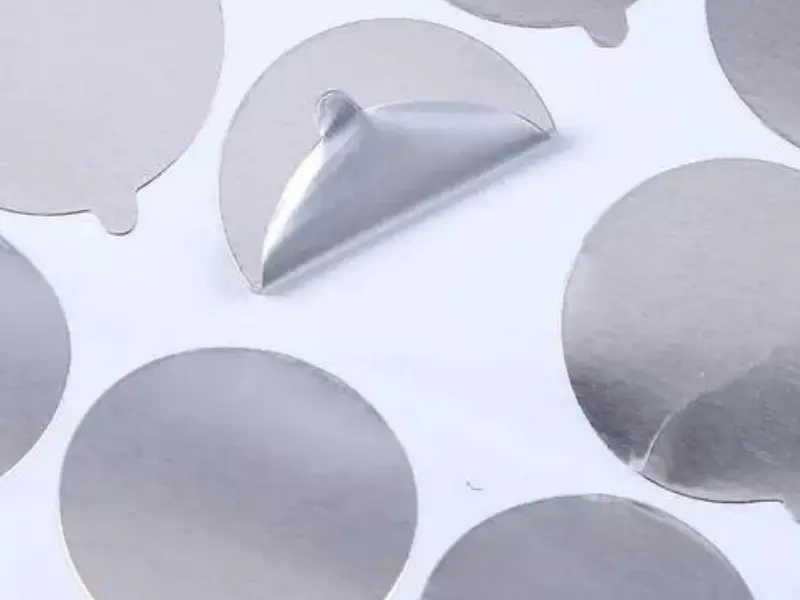
Thickness determines how the foil behaves during sealing. Thicker foil needs more heat and pressure. Thin foil seals faster but offers less protection.
| Thickness | Microns | Inches | Typical Use | Sealing Method |
|---|---|---|---|---|
| Ultra thin | 6-9 | 0.00024-0.00035 | Chocolate wrapping, inner liners | Manual pressure |
| Thin | 10-15 | 0.0004-0.0006 | Single-serve cups, yogurt lids | Heat seal |
| Standard | 20-25 | 0.0008-0.001 | Bottle seals, jar liners | Induction or heat |
| Medium | 30-40 | 0.0012-0.0016 | Container sealing, tub lids | Heat or pressure |
| Thick | 50-80 | 0.002-0.003 | Heavy-duty drums, bulk bins | Hot plate seal |
| Extra thick | 100-150 | 0.004-0.006 | Industrial closures, export packs | Specialized equipment |
Most aluminium foil for cup sealing uses 20 to 30 micron material. This range balances ease of sealing with adequate protection. Thicker foil works better for products that travel long distances or face rough handling.
Temper and Hardness States
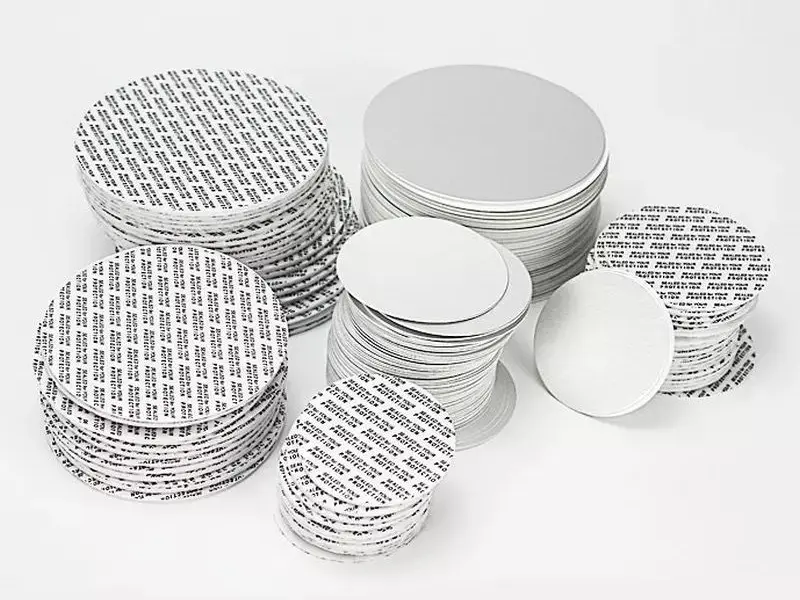
Temper code tells you how the foil was processed. It affects softness and tear strength.
| Temper | State | Softness | Tear Ease | Typical Use |
|---|---|---|---|---|
| O | Soft annealed | Very soft | Very easy | Peelable seals, easy-open lids |
| H14 | Half hard | Medium soft | Moderate | Standard bottle liners |
| H18 | Full hard | Stiff | Hard to tear | Structural seals, drum closures |
| H22 | Quarter hard | Slightly soft | Easy | Container sealing with some rigidity |
| H24 | Half hard, strain hardened | Medium | Moderate | Multi-layer laminated seals |
Soft annealed foil (O temper) dominates consumer packaging. Consumers can peel it off without tools. Harder tempers suit industrial applications where the seal must stay intact during shipping.
Sealing Methods Compared
Different products need different sealing techniques. The table below shows how methods compare:
| Method | How It Works | Speed | Best For | Equipment Cost |
|---|---|---|---|---|
| Heat sealing | Direct heat melts adhesive layer | Moderate | Cups, tubs, flat containers | Low to medium |
| Induction sealing | Electromagnetic heat bonds foil to rim | Fast | Bottles, jars, screw caps | Medium to high |
| Pressure sealing | Mechanical force presses foil in place | Slow | Small batches, custom shapes | Very low |
| Ultrasonic sealing | Vibration creates friction heat | Fast | Delicate products, thin films | High |
| Vacuum sealing | Air removal plus heat seal | Moderate | Food preservation, long storage | Medium |
Heat sealing machine for aluminium foil remains the most common choice for small to mid-size operations. It requires less setup than induction systems and handles many container shapes. Induction sealing works better for high-speed bottling lines.
Aluminium Foil Sealing Machine for Bottles
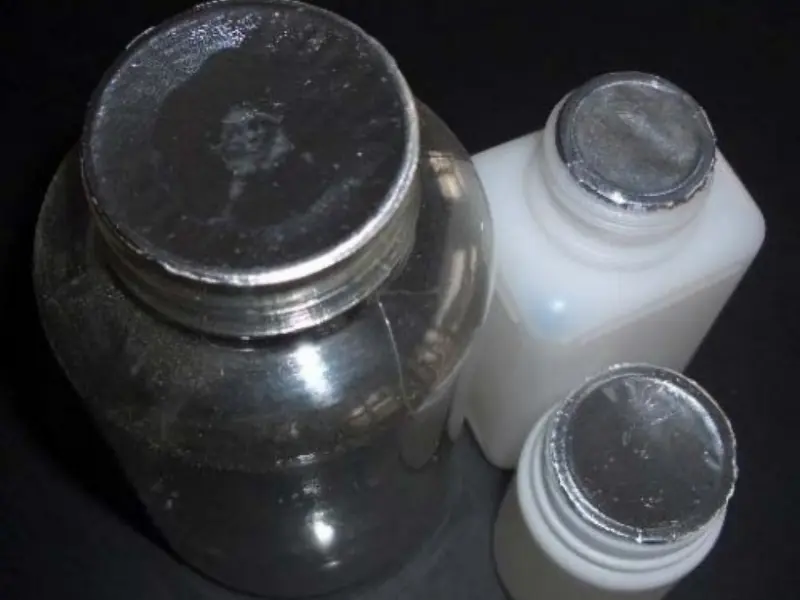
Bottle sealing demands precision. The foil must match the neck size and material. Here are common machine types:
Handheld Induction Sealers
These units suit small workshops and startups. An operator holds the sealer over each bottle cap. The machine generates a magnetic field that heats the foil liner. The process takes one to two seconds per bottle. Prices range from two hundred to eight hundred dollars. They work with plastic and glass bottles up to 120 millimeters in diameter.
Automatic Rotary Sealers
Large factories use rotary systems. Bottles move on a conveyor belt through a sealing station. The machine processes hundreds of bottles per minute. It senses bottle height and adjusts automatically. These systems cost ten thousand dollars or more. They pair well with aluminium foil for hdpe bottle sealing because HDPE responds well to induction heat.
Benchtop Heat Sealers
These compact units fit on a worktable. An operator places the bottle under a heated plate. The plate descends, applies heat and pressure, then lifts. Cycle time runs three to five seconds. They cost between five hundred and two thousand dollars. Best for aluminium foil for container sealing where the opening is flat and wide.
Product Types and Specifications
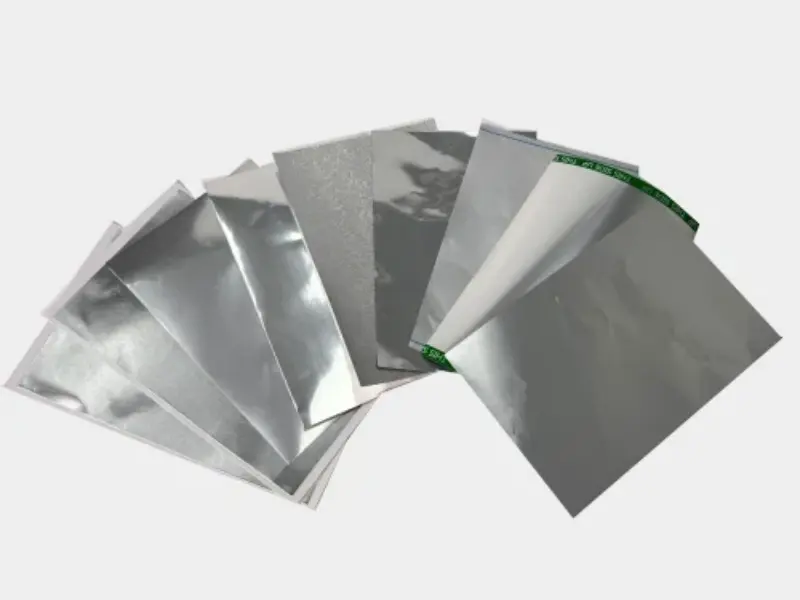
Pre-cut Liner Discs
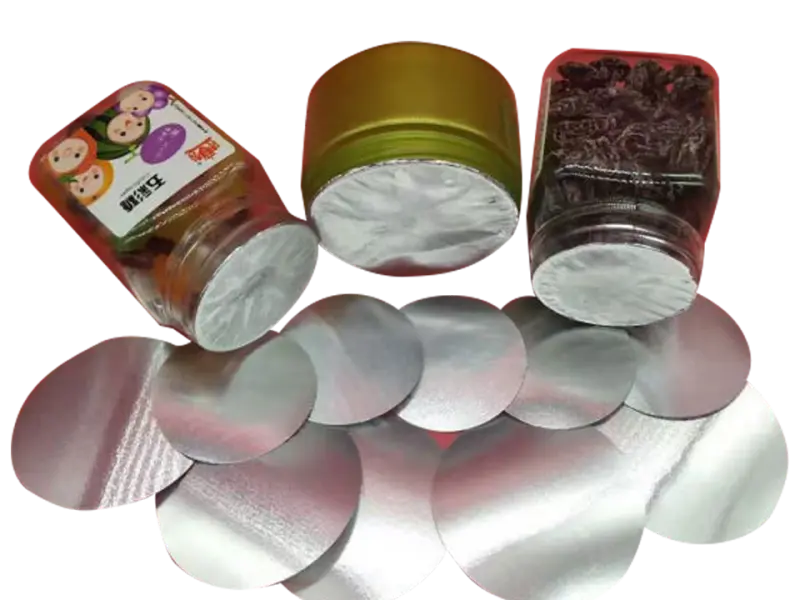
These are round foil pieces ready to drop into caps. They come in diameters from 15 to 120 millimeters. Thickness ranges from 0.2 to 1.0 millimeter including the backing layer. Common structures include foil-paper-wax or foil-polymer-foam. The wax or polymer layer melts during sealing to create the bond. Pre-cut discs save time because workers do not measure or cut foil manually.
Roll Stock for Cut-and-Seal
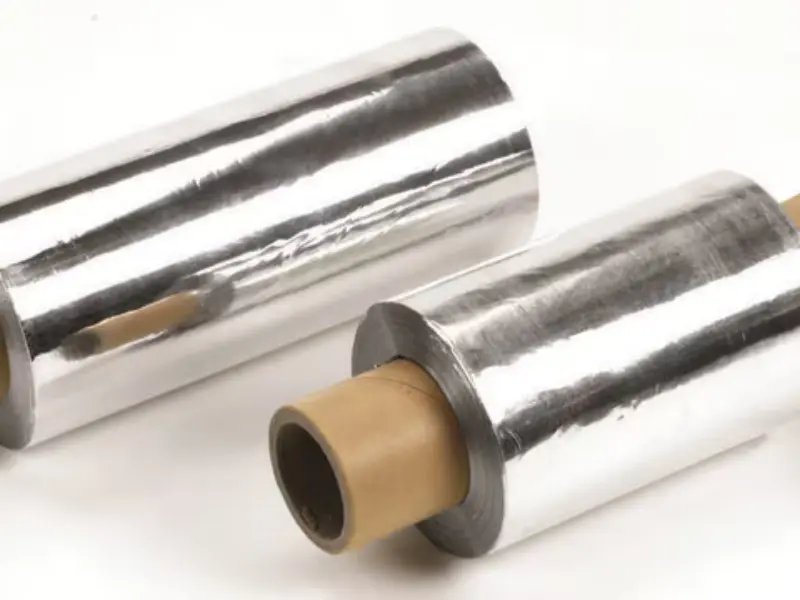
Some operations buy foil in rolls. Widths vary from 50 to 600 millimeters. Length can reach several thousand meters per roll. The operator cuts pieces to size before sealing. This approach suits custom container shapes or frequent size changes. Roll stock costs less per seal than pre-cut discs but needs more labor.
Laminated Foil Sheets
Multi-layer sheets combine aluminium with paper, plastic, or foam. A typical laminate stacks like this: aluminium foil (12 micron), polyethylene adhesive (15 micron), pulp board (0.5 millimeter). The board adds stiffness for easy handling. The polyethylene provides the sealing surface. These sheets work well for aluminium foil paper for sealing on glass jars and plastic tubs.
Peelable vs Weldable Seals
Peelable seals use a weak adhesive layer. The consumer can pull the foil off without tools. Weldable seals fuse the foil directly to the container rim. They need a knife or strong pull to open. Pharmaceutical products often use weldable seals for tamper evidence. Food products prefer peelable seals for convenience.
Printed Foil Seals
Some foil carries branding or instructions. Printing happens before lamination. Common designs include logos, batch codes, and “peel here” arrows. Printed foil adds cost but improves brand recognition. It works best on thicker foil where the ink does not crack during sealing.
Container Material Compatibility
Not all foils work with all container materials. The table below shows common pairings:
| Container Material | Foil Type | Sealing Method | Key Consideration |
|---|---|---|---|
| HDPE plastic | Induction liner with polymer layer | Induction | Heat must not warp the neck |
| PET plastic | Two-piece foil-polymer liner | Induction or heat | PET tolerates higher heat than HDPE |
| Glass | Foil-paper-wax laminate | Heat seal | Glass does not heat from induction |
| PP plastic | PP-compatible polymer layer | Heat seal | PP needs specific adhesive chemistry |
| Metal can | Pure foil or foil-foam | Pressure or heat | Metal conducts heat quickly |
| Paper cup | Thin foil with PE coating | Heat seal | PE layer must match cup coating |
Aluminium foil for hdpe bottle sealing requires special attention. HDPE melts at low temperatures. The sealing process must heat the foil liner without deforming the bottle neck. Induction machines with precise power control solve this problem.
Key Applications
- Dairy products: Yogurt cups, cream tubs, and milk bottle seals
- Beverages: Juice bottles, sports drinks, and nutritional supplements
- Pharmaceuticals: Pill bottles, liquid medicine containers, and blister packs
- Cosmetics: Cream jars, lotion bottles, and serum vials
- Food sauces: Ketchup bottles, salad dressing containers, and condiment cups
- Chemicals: Cleaning solutions, automotive fluids, and industrial compounds
- Spices and powders: Seasoning jars, protein powder tubs, and supplement containers
- Edible oils: Olive oil bottles, cooking oil jugs, and specialty oil tins
- Honey and syrups: Squeeze bottles, wide-mouth jars, and dispenser caps
- Ready meals: Microwave trays, soup cups, and pasta bowls
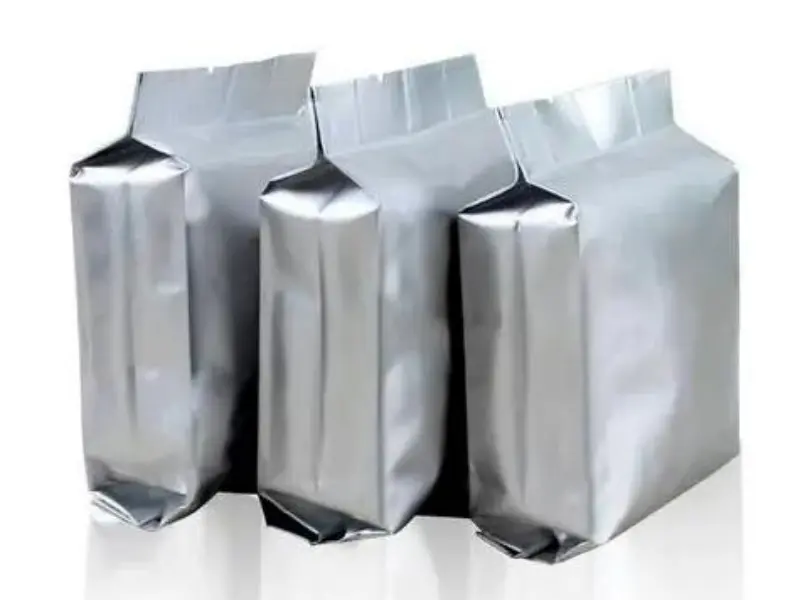
How to Seal Aluminium Foil Bags
Bags need a different approach than rigid containers. The process depends on bag material and contents.
Flat Heat Sealing
Lay the bag opening across a heated bar. Press the bar closed for two to five seconds. The heat melts the inner plastic layer, fusing the two sides. This method works for aluminium foil paper for sealing on pouch-style bags. Temperature usually ranges from 120 to 180 degrees Celsius. Thicker bags need more time and heat.
Impulse Sealing
An impulse sealer sends a burst of electric current through a wire. The wire heats instantly then cools. This prevents burning thin foil layers. It suits bags with mixed materials like foil-paper-plastic laminates. The seal width ranges from 2 to 10 millimeters. Wider seals offer better strength but need more energy.
Vacuum Sealing Steps
For products that need air removal, follow these steps. Place the bag in the vacuum chamber. Close the lid. The machine removes air then seals the opening. Vacuum sealing extends shelf life for coffee, nuts, and dried foods. It works best with bags that have a textured channel for air escape.
Common Mistakes to Avoid
Too much heat burns the foil layer. Too little heat leaves weak seals. Dirty sealing surfaces cause gaps. Wrinkles in the foil create leak paths. Always test a few samples before full production runs.
Quality Checks for Sealed Products
Good seals pass several tests. Visual inspection looks for wrinkles, bubbles, or incomplete contact. Leak testing submerges sealed containers in water and checks for bubbles. Peel strength testing measures the force needed to remove the seal. Drop testing simulates shipping stress. Each industry sets its own pass levels. Food and drug makers follow strict standards.
Storage and Handling Tips
Keep foil rolls in a dry place. Humidity above 60 percent can corrode the metal surface. Store away from chemicals that might react with aluminium. Handle with clean gloves to avoid oil transfer. Keep rolls vertical to prevent edge damage. Use within twelve months of purchase for best sealing performance.
FAQ: Frequently Asked Questions
What thickness works best for bottle seals?
Twenty to thirty microns works for most bottles. This range seals quickly and provides enough barrier protection. Thicker foil suits products with long shelf life or rough shipping conditions.
Can I use one foil type for all container materials?
No. Each plastic type needs a compatible adhesive layer. HDPE, PET, and PP each respond to different bonding chemistry. Glass needs a wax or heat-seal layer because induction does not heat glass. Always match the foil liner to the container material.
How do I choose between heat and induction sealing?
Heat sealing works for flat, wide openings like cups and tubs. It needs less equipment investment. Induction sealing suits round bottle necks and high-speed lines. It creates stronger seals on plastic bottles. Consider your container shape, speed needs, and budget.
Why does my foil seal wrinkle after application?
Wrinkles usually mean uneven pressure or temperature. Check that the sealing head sits flat against the container rim. Adjust heat settings if the foil shrinks too fast. Make sure the foil size matches the opening exactly. Oversized foil bunches up during sealing.
Is aluminium foil for sealing safe for food contact?
Yes. Food-grade foil meets safety standards in most countries. Look for certifications like FDA compliance or EU food contact approval. The foil itself is inert. Any risk comes from the adhesive or polymer layer. Choose liners labeled food-safe for edible products.
What is the difference between foil and film seals?
Foil seals use a thin metal layer. They block light and oxygen completely. Film seals use plastic only. They are cheaper and clearer but let some gas through. Foil works better for products sensitive to light or oxidation. Film suits products where consumers want to see contents.
How fast can an aluminium foil sealing machine for bottles run?
Handheld units process a few bottles per minute. Semi-automatic machines handle thirty to sixty bottles per minute. Fully automatic rotary sealers reach two hundred or more bottles per minute. Speed depends on bottle size, foil type, and machine design.
Can I seal aluminium foil bags without a machine?
Small batches can use a household iron or hair straightener. Set to medium heat. Press the bag opening between the hot plates for five seconds. This works for aluminium foil paper for sealing on simple pouches. For commercial use, a proper sealer gives consistent results and higher output.
Why do some seals fail during shipping?
Failed seals often trace back to three causes. First, the seal temperature was too low. Second, the container rim had oil or dust. Third, the foil adhesive was incompatible with the container material. Review each factor if you see seal failures in the field.
What is the shelf life of sealed foil liners?
Unsealed liners in original packaging last about two years. After that, the adhesive layer may lose effectiveness. Store in cool, dry conditions away from sunlight. Sealed containers with foil closures stay fresh for the product’s intended shelf life, often six months to two years.
Aluminium foil for sealing for 8011 and 1235
Aluminium foil for sealing offers a reliable way to protect products. The right choice depends on container material, product type, and production speed. Alloy 8011 and 1235 cover most needs. Thickness between twenty and forty microns balances cost and performance. Heat sealing and induction sealing each suit different setups.
Whether you need aluminium foil for cup sealing or heavy container closures, test samples before full orders. Match the foil liner to your container material. Calibrate your heat sealing machine for aluminium foil to the correct temperature and pressure. With proper setup, foil seals keep products safe from production to consumer.
Start by defining your container type, production volume, and budget. Then select the foil alloy, thickness, and sealing method that fits. The combination of quality foil and correct technique creates seals that last.
Leave a Comment
You must be logged in to post a comment.