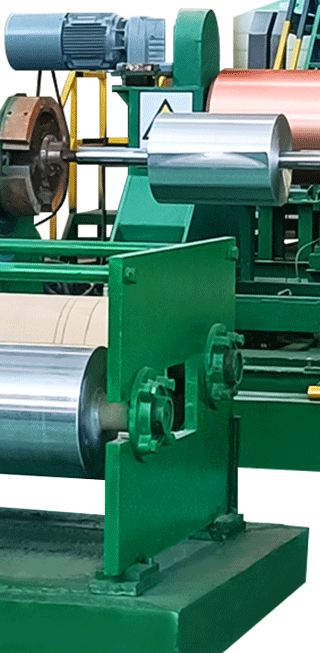
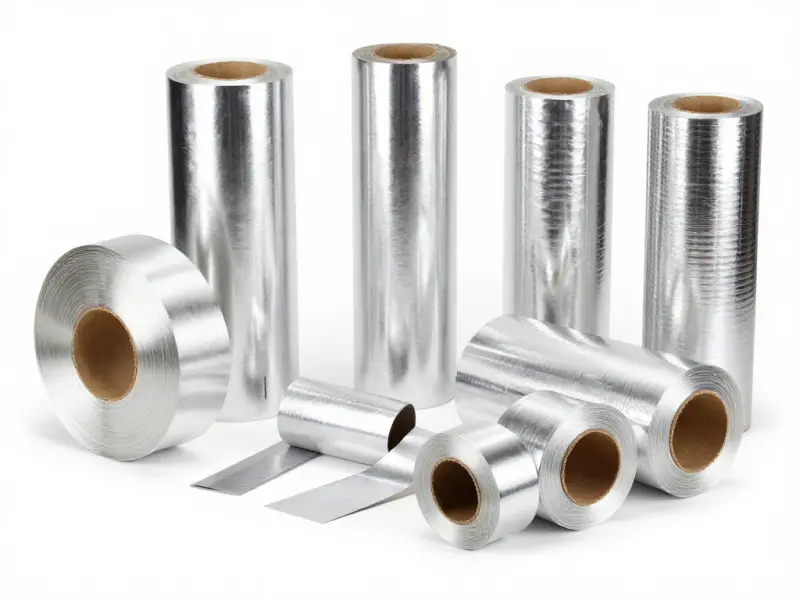
Aluminium foil roll is a thin metal sheet material used across many industries. The rolls come in various widths and thicknesses to meet different needs. Manufacturers produce these rolls from pure aluminum or special alloys. The material offers excellent barriers against light, moisture, and air. This makes it perfect for packaging and food storage.
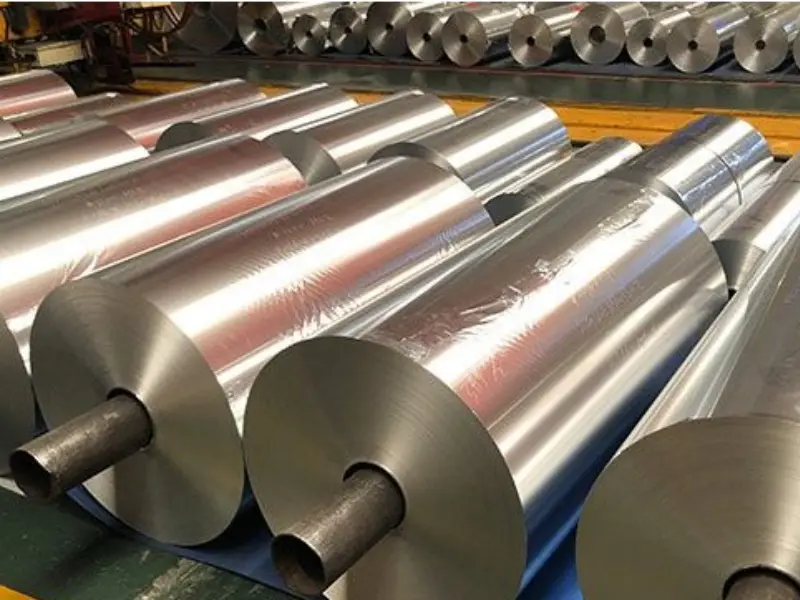
Aluminium foil roll products are lightweight yet strong. They resist corrosion and maintain their shape under pressure. The material is flexible enough to wrap around objects but sturdy enough for industrial applications. Businesses worldwide rely on these rolls for daily operations.
The versatility of aluminium foil rolls makes them essential in modern production. From small workshops to large factories, companies use these materials regularly. The cost-effectiveness combined with high performance attracts buyers from various sectors.
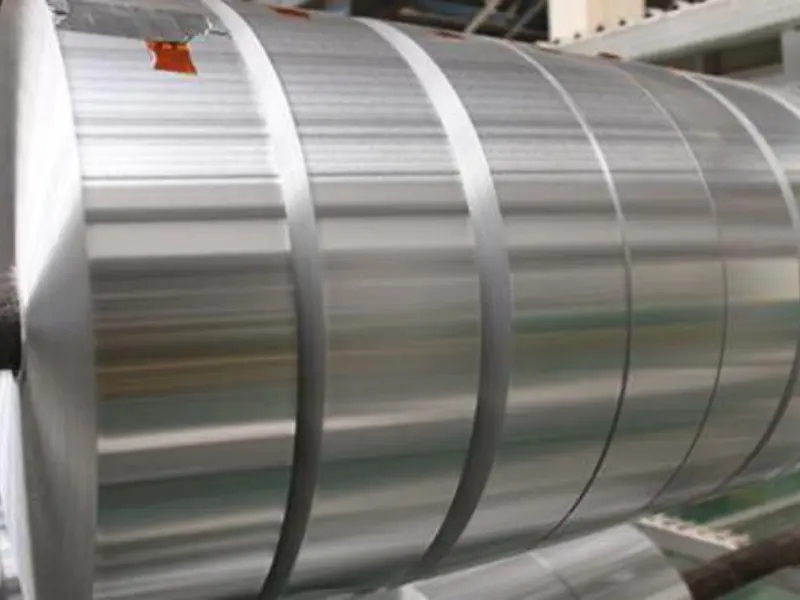
Why Aluminium Foil Rolls Matter Today
Modern industries depend on quality packaging solutions. Aluminium foil roll supplies help protect products during storage and transport. Food companies use them to preserve freshness and extend shelf life. Medical facilities rely on these rolls for sterilization and protection. Construction teams apply them for insulation purposes.
The demand for reliable aluminium foil roll materials continues to grow. Environmental awareness pushes manufacturers to produce recyclable options. The lightweight nature reduces shipping costs significantly. These advantages make aluminium foil roll the preferred choice for many applications.
Investing in proper aluminium foil roll products ensures product quality. It protects investments and maintains customer satisfaction. Businesses recognize the value of using premium materials.
Core Features of Aluminium Foil Roll
Durability and Strength
Quality aluminium foil roll materials resist tears and punctures. The metal structure provides excellent tensile strength. Even thin gauges maintain performance under normal conditions. This durability means fewer replacements and lower overall costs.
The strength of aluminium foil roll comes from its atomic structure. Aluminum naturally forms protective oxide layers. This prevents rust and degradation over time. Industrial applications benefit from this natural protection.
Flexibility and Workability
Aluminium foil roll can wrap around curved objects easily. The material bends without cracking or splitting. This flexibility makes it ideal for complex packaging needs. Workers can shape it quickly without specialized tools.
The workability of aluminium foil roll saves time in production. Machines process it efficiently at high speeds. Manual work also remains simple and straightforward. These advantages reduce labor costs significantly.
Barrier Properties
Excellent barrier protection defines quality aluminium foil roll products. The material blocks light completely, keeping contents fresh. Moisture cannot penetrate through intact foil. This protection extends product life substantially.
The barrier properties of aluminium foil roll work at molecular levels. Aluminum atoms are tightly packed. Oxygen and other gases cannot pass through easily. Food stays fresher longer when properly wrapped.
Heat Resistance
Aluminium foil roll handles high temperatures without melting. It conducts heat efficiently for cooking and baking. The material remains stable in freezers and ovens. This thermal stability makes it reliable for food preparation.
Industrial ovens use aluminium foil roll regularly. The material withstands temperatures up to 600°C. It reflects heat effectively, saving energy costs. Many manufacturing processes depend on this heat resistance.
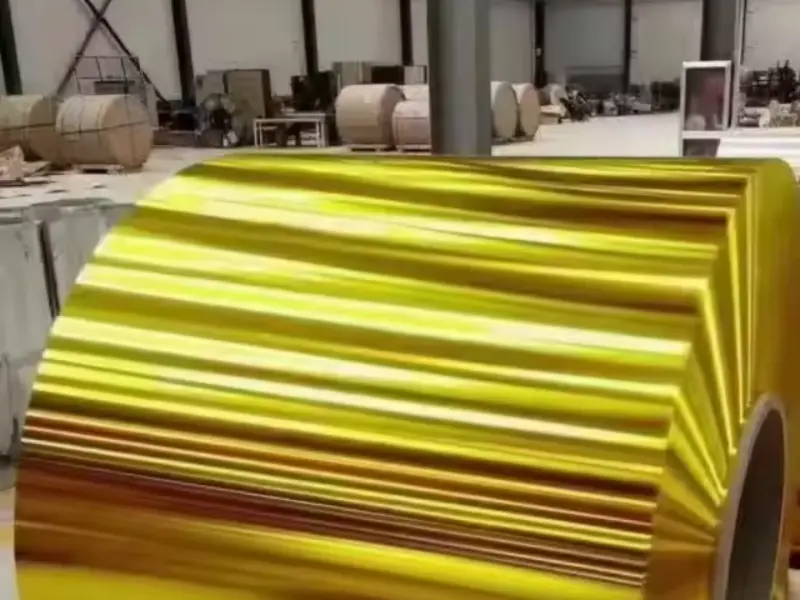
Alloy Types and Composition
Pure Aluminum Series
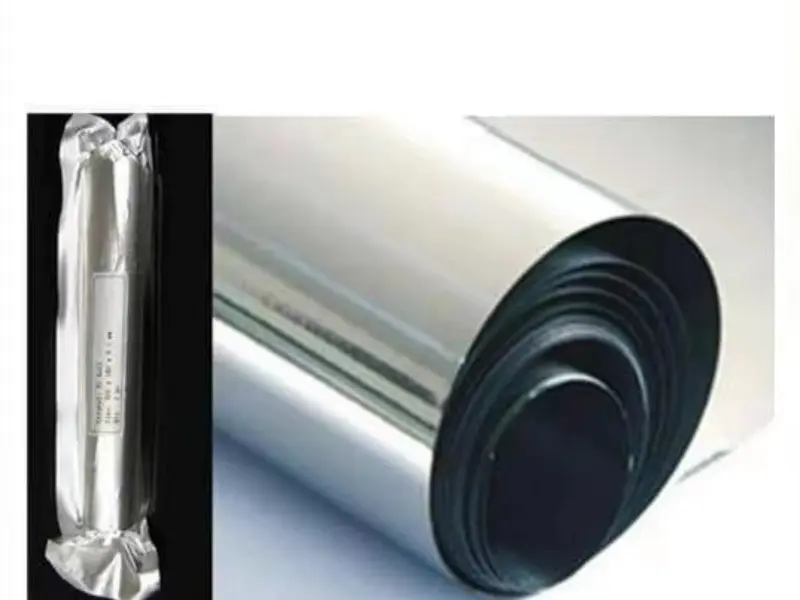
Pure aluminum foil roll contains 99.9% aluminum with minimal additions. This type offers excellent flexibility and corrosion resistance. It works well for general packaging applications. Cost remains reasonable for most budgets.
The properties of pure aluminum make it food-safe. No harmful substances leach into wrapped products. Hospitals and restaurants prefer this type for direct food contact. The material meets international safety standards.
Alloy 1235-H19
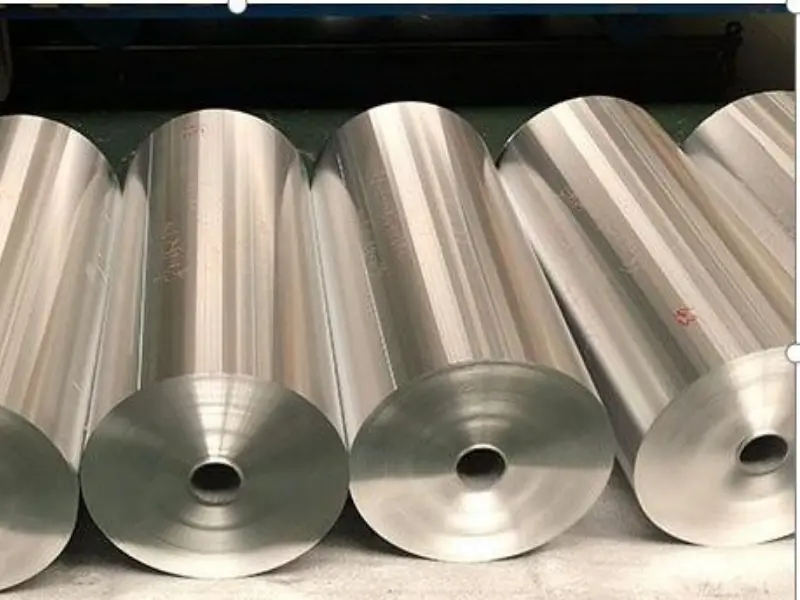
This common aluminium foil roll alloy balances strength and workability. The “1235” designation indicates composition and purity levels. The “H19” marking shows hardness rating and processing history. This combination creates reliable performance.
Alloy 1235-H19 offers good tensile strength without excessive brittleness. The hardness level suits most industrial applications. Many converters choose this type as their standard. It provides consistent results across batches.
Alloy 3003-H19
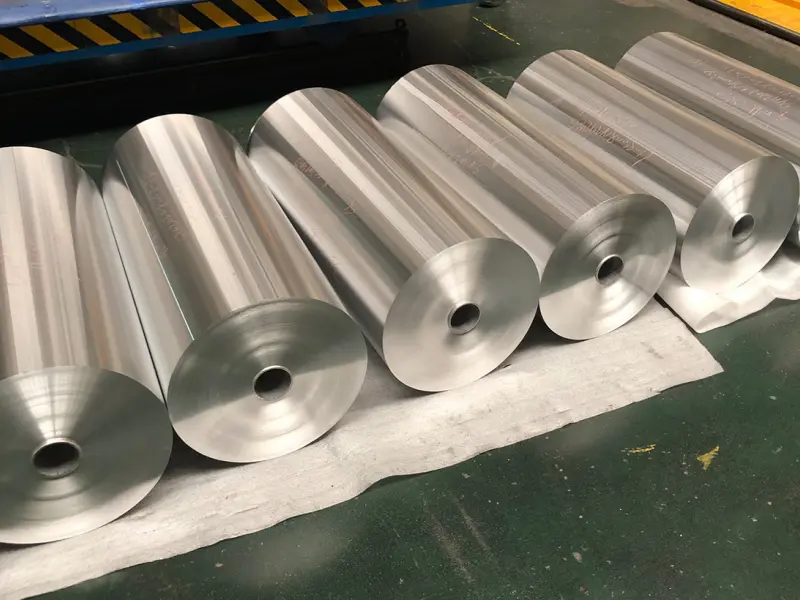
The 3003 alloy contains manganese additions for enhanced strength. Aluminium foil roll made from 3003 resists punctures better. The material costs slightly more than pure types. Performance improvement justifies the price difference.
This alloy works well for heavier packaging requirements. Construction applications often use this grade. The added durability makes it popular for commercial uses. Many manufacturers stock 3003-H19 regularly.
Alloy 8011-H16
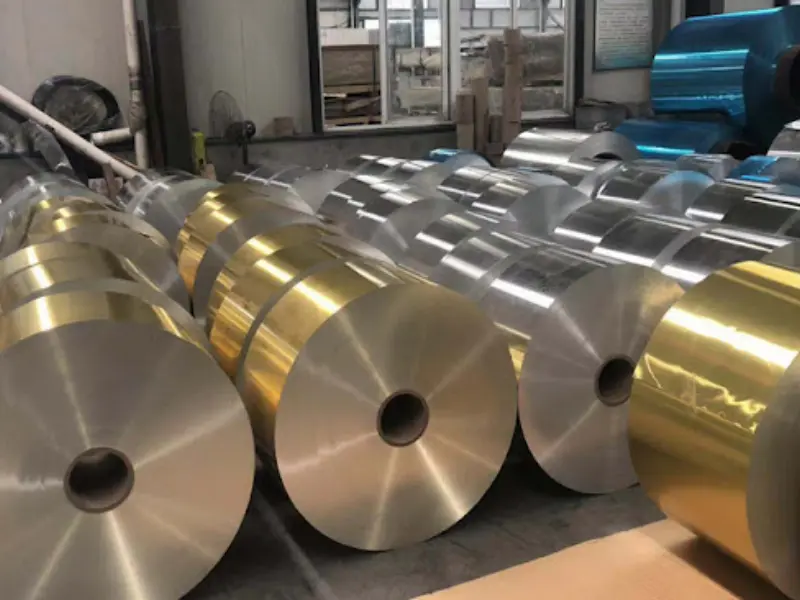
The 8011 alloy includes iron elements for maximum hardness. Aluminium foil roll using 8011 handles rough conditions. Industrial and pharmaceutical applications prefer this grade. The strength comes at moderate cost increase.
The 8011-H16 variant offers specific temper characteristics. The material maintains performance under stress. Pressure vessels and container applications use this alloy. Its reliability makes it worth the investment.
Thickness and Gauge Specifications
| Gauge | Microns (μm) | Thickness (mm) | Common Uses | Strength Level |
|---|---|---|---|---|
| 8 | 50 | 0.050 | Standard packaging | Medium |
| 10 | 62.5 | 0.0625 | Food wrapping | Medium |
| 12 | 75 | 0.075 | Cooking sheets | Medium-High |
| 14 | 87.5 | 0.0875 | Industrial use | High |
| 16 | 100 | 0.100 | Heavy packaging | High |
| 18 | 112.5 | 0.1125 | Construction | Very High |
| 20 | 125 | 0.125 | Container use | Very High |
| 24 | 150 | 0.150 | Structural use | Maximum |
Light Gauge Options (50-75 microns)
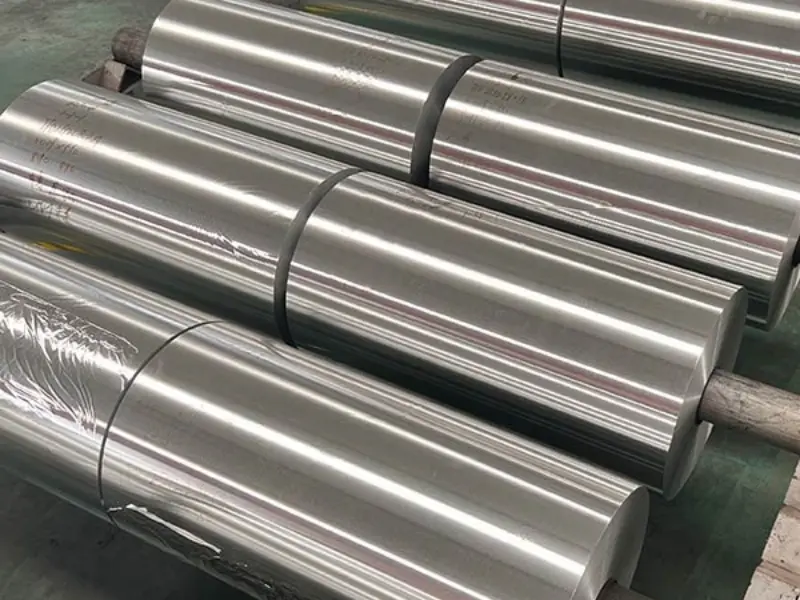
Thin aluminium foil roll is perfect for wrapping and covering food. The material costs less than thicker versions. It works well for disposable applications. Households and food service businesses use this most often.
Light gauge products offer excellent flexibility. You can crumple them for storage without damage. The thinness lets air circulate slightly while blocking moisture. This makes them ideal for certain food storage needs.
Medium Gauge Choices (87.5-100 microns)
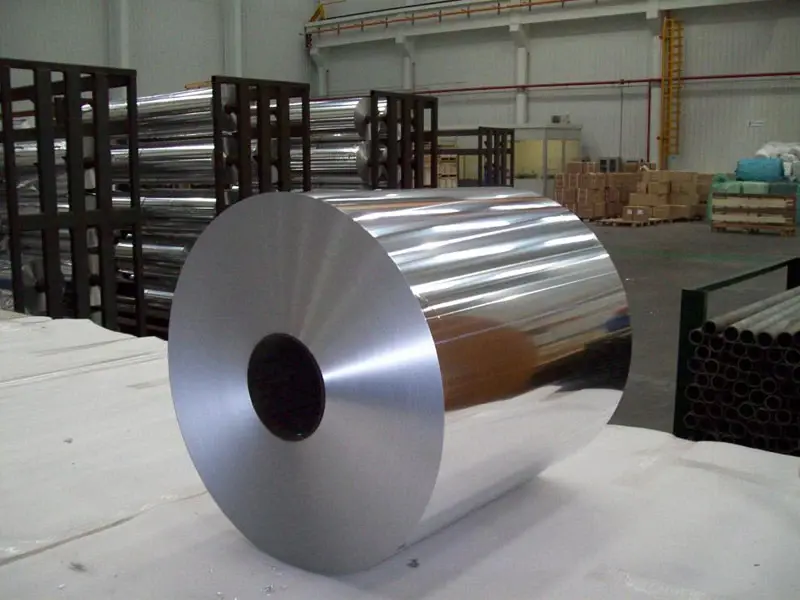
Medium thickness aluminium foil roll provides better durability. The material resists tears during handling and application. Industrial packaging often requires this thickness. It offers the best balance between protection and cost.
Medium gauge options work for both hot and cold applications. Baking and freezing both use this thickness commonly. The strength prevents holes during normal use. Many businesses standardize on this thickness.
Heavy Gauge Variants (112.5-150 microns)
Thick aluminium foil roll handles demanding applications. The material withstands mechanical stress and pressure. Construction insulation uses heavier gauges regularly. Industrial manufacturing often requires maximum protection.
Heavy gauge products last longer in rough conditions. The durability justifies higher costs for critical applications. Specialized equipment processes this thickness. The investment pays off through extended product life.
Width and Roll Specifications
Standard Roll Widths
| Width (mm) | Common Uses | Industry Type |
|---|---|---|
| 100mm | Laboratory use | Research/Hobby |
| 200mm | Small packaging | Retail/Catering |
| 300mm | Food service | Restaurants/Cafes |
| 450mm | Industrial packing | Manufacturing |
| 600mm | Large operations | Commercial |
| 750mm | Heavy packaging | Industrial/Construction |
| 900mm | High-volume use | Factories/Warehouses |
| 1200mm | Maximum efficiency | Large-scale operations |
Compact Roll Formats
Small width aluminium foil roll suits retail stores and small restaurants. The rolls fit standard dispensers easily. Storage requires minimal space. Weight remains manageable for daily use. These sizes work perfectly for food wrapping and covering.
Industrial Roll Sizes
Large width formats suit factories and commercial kitchens. The rolls reduce changeover time between batches. Bulk purchasing options lower per-unit costs. Industrial buyers appreciate the efficiency gains.
Custom Dimensions
Special widths can be produced for specific equipment. Converters often order customized sizes. Minimum order quantities apply to custom work. The investment returns through operational efficiency.
Roll Length Options
The length of an aluminium foil roll affects usage and storage. Standard options range from compact to bulk quantities.
Compact Rolls (25-50 meters)
Smaller length rolls suit retail kitchens and home use. They fit standard wall-mounted dispensers. Storage takes minimal space. The price point attracts budget-conscious buyers. Perfect for testing products before bulk purchase.
Standard Rolls (100-250 meters)
Mid-size rolls balance convenience and economy. Most commercial kitchens use this length. The weight remains manageable for staff. Frequent changeover happens less often. This represents the most popular choice for many buyers.
Bulk Rolls (500-1000 meters)
Long length rolls reduce operational costs significantly. Industrial users prefer bulk quantities. Storage and handling require proper equipment. Wholesale pricing makes bulk attractive. Material waste decreases with longer rolls.
Jumbo Rolls (2000+ meters)
Maximum length options suit large factories. These massive rolls require specialized handling equipment. Per-meter costs drop substantially. Ideal for high-volume continuous production. Major converters and manufacturers rely on jumbo supplies.
Surface Characteristics
Standard Bright Surface
Aluminium foil roll with bright finish reflects light well. The surface appears shiny and professional. This type works for most applications. Customers expect this finish for general use.
The bright surface provides good appearance for retail products. Light reflection improves visibility. The finish achieves through standard rolling processes. Cost remains economical.
Dull or Matte Finish
Matte aluminium foil roll reduces glare and reflection. The surface appears less shiny but still professional. Food service prefers this finish for aesthetic reasons. The finish adds perceived quality.
Dull finish surfaces hide fingerprints better. Less cleaning is required to maintain appearance. The process adds minimal cost. Many premium applications choose this option.
Embossed Patterns
Textured aluminium foil roll offers unique surfaces. Patterns can be decorative or functional. The texture improves grip and handling. Special patterns reduce slipping on conveyor systems.
Embossed surfaces add visual interest to packaging. Brands use this for premium product appearance. The texture serves practical purposes too. Processing costs increase slightly for textured options.
Treated Surfaces
Treated aluminium foil roll has special coatings. Lacquer or varnish layers add protection. Enhanced barrier properties result from treatments. Chemical resistance improves dramatically.
Special coatings suit specific applications. High-temperature requirements benefit from treatment. Moisture barrier properties intensify. The added cost justifies itself through performance gains.
Production Temper and Hardness Levels
O (Annealed) Temper
Soft condition aluminium foil roll offers maximum flexibility. The material bends easily without cracking. This temper suits wrapping and forming applications. Cost advantages come with lower hardness.
O temper foil works when flexibility matters most. It crumples easily for storage. Gentle handling is still necessary to avoid tears. Food wrapping commonly uses this condition.
H16 Temper (Half-Hard)
Moderately hard aluminium foil roll provides balanced properties. The material resists tears better than soft types. Bending still works but requires more force. Most commercial applications use this temper.
H16 offers excellent middle-ground characteristics. Industrial machinery processes it efficiently. The hardness level suits most converting operations. This represents the industry standard.
H19 Temper (Full-Hard)
Maximum hardness characterizes H19 aluminium foil roll. The material resists punctures very well. Bending becomes difficult without cracking. Only heavy-duty applications typically use this hardness.
Full-hard foil requires specialized equipment to work with. The strength properties maximize under stress. Container manufacturing often specifies H19. The cost premium reflects superior performance.
H23 Temper (Quarter-Hard)
Slight hardness increase from original defines H23 condition. This temper offers subtle performance changes. The material remains relatively flexible. Some converters prefer this balance.
H23 temper occupies a niche between soft and hard options. Specific manufacturing processes favor this condition. The properties suit particular applications perfectly. It represents a specialized choice.
Comparison: Different Aluminium Foil Roll Types
| Feature | Pure Aluminum | Alloy 1235 | Alloy 3003 | Alloy 8011 |
|---|---|---|---|---|
| Purity Level | 99.9% | 99.35% | 97-99% | 95-97% |
| Cost | Lowest | Low | Medium | Higher |
| Tensile Strength | Low | Medium | Medium-High | Very High |
| Corrosion Resistance | Excellent | Excellent | Good | Good |
| Flexibility | Maximum | High | Medium | Lower |
| Food Contact Safe | Yes | Yes | Yes | Limited |
| Temperature Resistance | Excellent | Excellent | Excellent | Superior |
| Common Applications | Wrapping | Packaging | Industrial | Heavy-Duty |
| Processing Ease | Easy | Easy | Moderate | Challenging |
| Recyclability | Full | Full | Full | Full |
Applications Across Industries

Food and Beverage Sector
Packaging and Storage
Aluminium foil roll protects food products during storage and transport. The barrier properties keep food fresh longer. Moisture and oxygen cannot penetrate the material. Temperature fluctuations don’t affect wrapped items.
Food manufacturers use large volumes of foil rolls regularly. Bakeries wrap baked goods for sale. Restaurants cover prepared foods in kitchens. Households wrap leftovers for refrigeration.
Cooking and Food Preparation
Professional kitchens depend on aluminium foil roll for daily operations. Chefs use it to line pans and baking sheets. The material conducts heat evenly for consistent cooking. It prevents sticking without additional oils.
Catering companies wrap prepared meals for delivery. The foil keeps food at proper temperatures. Restaurant pizza boxes include foil liners. Ice cream shops use rolls for serving containers.
Beverage Packaging
Drink manufacturers use foil layers in flexible packaging. Juice boxes and pouches include foil barriers. Wine and spirits sometimes use foil seals. Coffee and tea bags often contain foil laminations.
Healthcare and Medical Applications
Sterilization and Protection
Hospitals and clinics use aluminium foil roll for equipment protection. Surgical instruments wrap in foil before sterilization. The material withstands autoclaving temperatures. Sterile fields maintain integrity with foil barriers.
Medical device manufacturers use foil extensively. Packaging maintains sterility until use. Radiation sterilization works through foil. Pharmaceutical companies apply foil for moisture protection.
Pharmaceutical Packaging
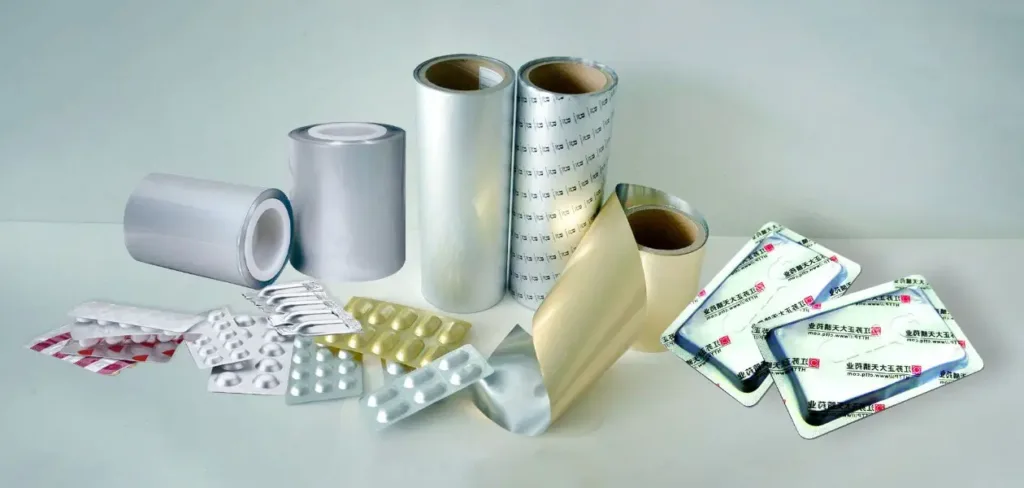
Medicine bottles receive foil-lined caps. Blister packs contain foil backing. Moisture-sensitive medications require foil protection. Expiration dates print on foil surfaces. Light-sensitive drugs stay protected from UV exposure.
Industrial Manufacturing
Insulation Systems
Construction companies use aluminium foil roll for thermal insulation. Buildings incorporate foil in wall assemblies. HVAC systems use foil ducts for air distribution. The material reflects radiant heat effectively.
Aerospace manufacturers employ foil for thermal protection. Space vehicles require reliable insulation. Aircraft cabins use foil layers. Temperature control depends on proper foil installation.
Electrical Applications
Transformer manufacturing uses foil extensively. Capacitor production requires precise foil layers. Power distribution equipment contains foil shields. Electromagnetic interference reduction depends on foil barriers.
Electronics manufacturers wrap sensitive components in foil. Static electricity protection matters in electronics assembly. Microchip manufacturing includes foil in processing. Computer cooling systems sometimes incorporate foil elements.
Chemical Processing
Chemical plants use foil-lined vessels for reactions. Corrosive substances require protective linings. Temperature control in chemical processes employs foil. Barrier properties prevent contamination.
Petrochemical refineries use foil in various applications. Heat exchangers sometimes contain foil elements. Insulation of pipes uses foil wrapping. Protection against atmospheric corrosion requires foil barriers.
Construction and Building
Thermal Insulation
Builders install foil-faced insulation batts in walls. Attic insulation often includes reflective foil layers. Radiant barriers use foil to reflect heat. Energy efficiency improves with proper foil installation.
Commercial buildings require extensive foil insulation. LEED certification sometimes involves foil use. Moisture barriers often incorporate foil components. Vapor control in building envelopes depends on foil.
Roofing Materials
Flat roof systems incorporate foil membranes. Metal roofing sometimes uses foil underlayment. Ice dam prevention involves foil barriers. Waterproofing includes foil components.
Fire Protection
Fire-resistant barriers sometimes contain foil layers. Fireproofing systems may incorporate foil. Smoke barriers often use foil components. Safety codes sometimes require foil elements.
Automotive Industry
Heat Shielding
Car manufacturers use foil for engine heat protection. Underbody shielding prevents thermal damage. Brake system protection involves foil barriers. Fuel tank insulation uses foil layers.
Thermal management in vehicles requires foil barriers. Electrical components need heat protection. Noise reduction sometimes involves foil layers. Vibration dampening may include foil elements.
Lightweight Solutions
Foil-based composites reduce vehicle weight. Weight reduction improves fuel efficiency. Electric vehicles benefit from foil insulation. Battery protection sometimes uses foil barriers.
Renewable Energy
Solar Installation
Solar panel backing sometimes uses foil. Thermal solar systems incorporate foil elements. Heat transfer in solar collectors involves foil. Insulation of solar pipes uses foil wrapping.
Wind Energy
Wind turbine components sometimes use foil. Insulation in turbine nacelles may include foil. Electrical insulation involves foil components. Moisture protection requires foil barriers.
Consumer Products
Household Use
Kitchen foil remains the most recognizable form. Home cooks wrap food regularly. Baking and cooking depend on foil. Storage of leftovers uses foil rolls.
Home insulation projects often include foil. Crafts and repairs use foil materials. Cleaning applications employ crumpled foil. DIY projects frequently involve foil.
Arts and Crafts
Artists use foil for decorative projects. School craft projects incorporate foil. Holiday decorations often include foil elements. Costume making sometimes uses foil.
Production Standards and Quality Control
International Standards Compliance
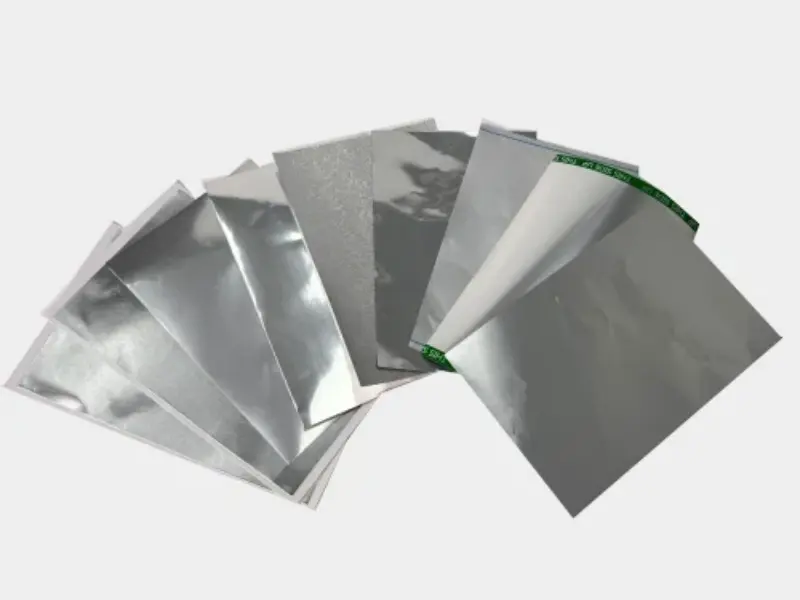
ISO standards govern aluminium foil roll production. These standards ensure consistent quality worldwide. Manufacturers test thickness and tensile strength. Surface defects are measured and minimized.
Quality control laboratories run continuous tests. Samples from each production batch undergo inspection. Thickness tolerances stay within specified ranges. Tensile strength meets minimum requirements.
Thickness Tolerance
Manufacturers maintain strict thickness measurements. Tolerances typically range from ±3-5% of target thickness. Laser micrometers monitor thickness continuously. Automated systems reject out-of-spec material.
Consistent thickness ensures predictable performance. Customers receive reliable products every time. Waste reduction results from precise control. Equipment calibration happens regularly.
Surface Inspection
Visual inspection identifies surface defects. Pinholes and punctures are unacceptable. Dust particles and contamination are removed. Wrinkles and creases limit usability.
Automated systems scan entire roll lengths. High-speed cameras detect defects. Computer vision systems flag problems immediately. Defective sections are cut out and recycled.
Performance Testing
Tensile strength tests verify material properties. Burst strength measurements ensure puncture resistance. Elongation tests confirm flexibility. Tear resistance measurements matter for many applications.
Environmental testing simulates real-world conditions. Temperature cycling tests verify stability. Moisture barrier testing confirms protective properties. Chemical resistance tests suit specialized applications.
Certification Requirements
International certifications verify manufacturing quality. ISO 9001 certification ensures quality management. Food safety certifications matter for food contact. Environmental certifications address sustainability.
Third-party labs conduct independent verification. Certificates document compliance with standards. Customers can verify authenticity easily. Regulatory compliance becomes provable.
Storage and Handling Guidelines
Proper Storage Conditions
Dry environments prevent moisture absorption. Temperature stability protects material properties. Away from direct sunlight extends shelf life. Clean storage areas prevent contamination.
Rolls stored horizontally resist deformation. Vertical storage only works short-term. Humidity control between 40-60% works best. Climate-controlled warehouses ensure consistency.
Handling Best Practices
Forklifts should use proper pallet handling. Rolls must not be dropped or thrown. Sharp objects can puncture foil layers. Gloves protect both material and handlers.
Careful unloading prevents roll damage. Operators need proper training for safe handling. Transportation requires secure packaging. Fragile handling notices help transportation workers.
Shelf Life Considerations
Aluminium foil doesn’t expire under proper storage. The material remains stable indefinitely. Coated varieties should be used within 2-3 years. Sealed packaging extends storage life considerably.
Proper labeling tracks production dates. Rotation systems ensure first-in-first-out practices. Regular inventory checks prevent waste. Damaged packages should be replaced promptly.
Environmental Impact and Sustainability
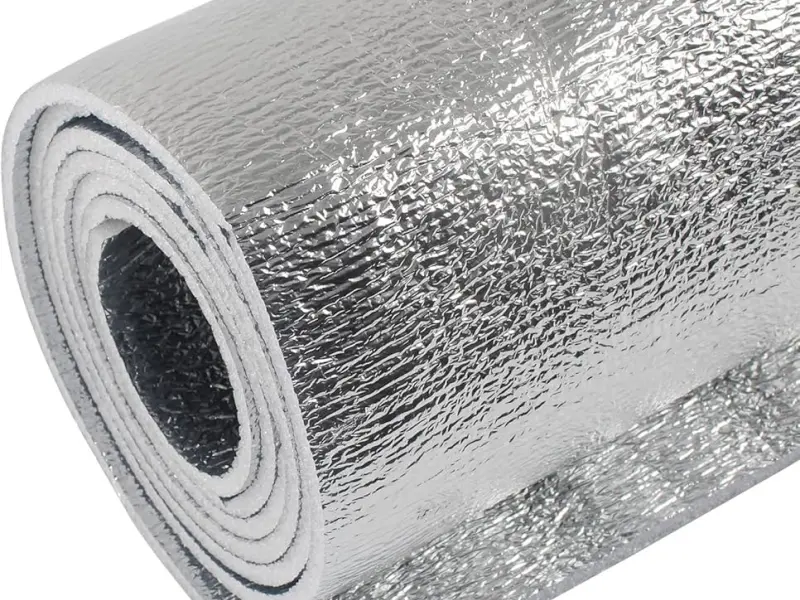
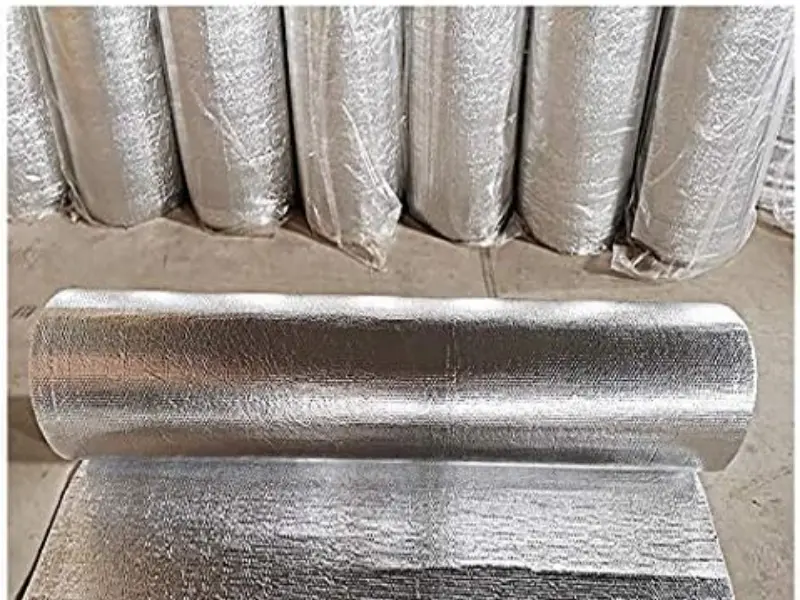
Recyclability
Aluminium is infinitely recyclable without quality loss. Recycling requires only 5% of original energy. Recycled content reduces environmental burden. Many rolls contain recycled aluminium.
Scrap collection systems recover material waste. Recycling facilities process foil efficiently. Closed-loop recycling programs minimize waste. Customers appreciate sustainability efforts.
Energy Efficiency
Aluminium production involves significant energy use. Renewable energy sources increasingly power plants. Energy-efficient processes reduce carbon footprint. Technological improvements continue reducing consumption.
Transportation efficiency matters for final delivery. Bulk shipments reduce per-unit environmental cost. Local sourcing minimizes transportation distance. Direct supply reduces intermediate handling.
Waste Reduction
Manufacturing processes minimize material loss. Scrap becomes valuable recycling feedstock. Packaging waste decreases with efficient handling. Reduced packaging materials lower environmental impact.
Compliance and Certifications
Environmental management systems guide production. Carbon footprint tracking enables improvement. Sustainability reporting increases transparency. Third-party audits verify environmental claims.
Size and Format Options
Household Sizes
| Size | Length | Width | Best For | Price Range |
|---|---|---|---|---|
| Small Box | 25m | 300mm | Home use | Budget |
| Standard Box | 50m | 300mm | Regular cooking | Moderate |
| Large Roll | 75m | 300mm | Frequent cooking | Moderate-High |
| Family Pack | 100m | 300mm | Large household | Economic |
Small packages suit occasional users. Standard boxes work for regular households. Large rolls reduce per-meter costs. Family packs offer best value for frequent users.
Commercial Formats
| Format | Dimensions | Volume | Industry | Cost Per Unit |
|---|---|---|---|---|
| Kitchen Roll | 450mm width | 100m | Restaurants | Medium |
| Industrial Reel | 600mm width | 500m | Manufacturing | Lower |
| Jumbo Roll | 900mm width | 1000m | Large factories | Lowest |
| Custom Size | Variable | Custom | Specific needs | Variable |
Commercial rolls suit regular high-volume use. Industrial reels serve manufacturing needs. Jumbo options maximize economies of scale. Custom sizes address unique requirements.
Cost-Benefit Analysis
Purchase Considerations
Buying in bulk reduces per-unit costs significantly. Long-term contracts secure favorable pricing. Volume discounts reward large purchases. Early payment often includes discounts.
Quality affects total cost of ownership. Premium products last longer and work better. Cheap materials may cause equipment problems. Balance quality and price appropriately.
Return on Investment
Efficient packaging reduces product loss. Waste prevention saves money directly. Equipment compatibility matters for long-term use. Training workers improves application efficiency.
Energy savings result from proper insulation. Thermal efficiency reduces operational costs. HVAC systems run more effectively. Building heating and cooling costs decrease.
Economic Comparison
| Aspect | Budget Grade | Standard Grade | Premium Grade |
|---|---|---|---|
| Price per Roll | Low | Moderate | Higher |
| Quality Consistency | Variable | Good | Excellent |
| Durability | Shorter | Moderate | Extended |
| Application Effectiveness | Limited | Good | Superior |
| Total Cost | Higher | Moderate | Lower |
| Customer Satisfaction | Low | High | Very High |
Budget grades work for temporary applications. Standard grades suit most regular use. Premium grades justify costs through performance. Consider total cost, not just purchase price.
Technical Performance Specifications
Tensile Strength Values
| Alloy Type | O Temper | H16 Temper | H19 Temper |
|---|---|---|---|
| Pure Aluminum | 40-50 MPa | 70-100 MPa | 110-160 MPa |
| Alloy 1235 | 50-60 MPa | 80-110 MPa | 130-180 MPa |
| Alloy 3003 | 60-80 MPa | 110-140 MPa | 160-200 MPa |
| Alloy 8011 | 70-90 MPa | 140-170 MPa | 200-250 MPa |
Higher tensile strength indicates greater durability. Hard tempers resist tearing and puncturing. Soft tempers allow easier forming and bending. Application requirements determine ideal selection.
Barrier Properties
The barrier effectiveness of aluminium foil roll is exceptional. Light transmission is zero when intact. Oxygen transmission rate reaches near zero. Moisture vapor transmission barely registers on scales.
Chemical resistance varies by alloy type. Acidic foods require careful selection. Alkaline substances don’t damage properly chosen foil. Alcohol and oils present no problems. Salt content demands consideration in food storage.
Thermal Properties
Thermal conductivity of aluminum is approximately 160-200 W/mK. Reflectivity for infrared radiation exceeds 95%. Heat transfer occurs rapidly through foil layers. These properties suit heating and insulation applications.
Ordering and Customization
Minimum Order Quantities
Standard products typically have no minimums for small quantities. Bulk pricing starts at certain thresholds. Custom orders require minimum quantities. Most manufacturers accept orders of 1-2 pallets.
Negotiating terms helps with large purchases. Direct manufacturers may offer better rates. Distributor markups vary considerably. Long-term relationships often improve pricing.
Lead Times
Standard stock items ship within 5-7 business days. Custom orders require 2-4 weeks typically. Rush orders available at premium pricing. Planning ahead ensures on-time delivery.
Production scheduling affects delivery times. Peak seasons have longer lead times. Off-season orders process more quickly. Communication with suppliers is important.
Customization Options
Width modifications suit specific equipment. Length adjustments accommodate storage needs. Alloy selection matches application requirements. Temper changes address performance needs.
Coating applications add specialized features. Printed labels increase branding appeal. Embossed surfaces create texture. Custom packaging enhances presentation.
Common Applications by Industry
Food Production and Processing
Bakeries wrap bread and pastries daily. Meat processors use foil for packaging. Seafood industries rely on foil barriers. Dairy companies use foil in many products.
Candy and chocolate makers use foil extensively. Coffee roasters wrap beans in foil. Spice companies use foil for freshness. Herb and supplement packaging includes foil.
Quick Service Restaurants
Fast food chains use enormous foil quantities. Sandwich shops wrap items constantly. Pizza places line boxes with foil. Chicken restaurants wrap portions in foil.
Taco stands wrap items for serving. Hot dog vendors use foil wrapping. Food trucks depend on foil supplies. Delivery services rely on foil protection.
Hospitality Services
Hotels wrap amenities in foil. Resorts use foil in kitchens extensively. Casinos employ foil in dining operations. Cruise ships stock massive foil quantities.
Airlines use foil-lined meal containers. Catering companies wrap prepared foods. Event venues use foil for various purposes. Club kitchens use foil regularly.
Retail and Wholesale
Grocery stores sell foil products to consumers. Restaurant supply shops stock commercial foil. Industrial suppliers serve manufacturers. Online retailers offer foil in all sizes.
Dollar stores carry budget foil products. Warehouse clubs offer bulk purchasing. E-commerce platforms expand foil availability. Direct-to-consumer sales grow steadily.
Frequently Asked Questions
Choosing the Right Thickness
What thickness should I order for food wrapping?
Standard 12-14 gauge foil works well for most food wrapping. Thinner types (8-10 gauge) suit delicate foods. Heavier options protect fragile items better. Consider intended use when selecting.
Which thickness works best for heavy-duty industrial use?
Industrial applications typically require 18-24 gauge foil. Heavy gauge provides maximum protection. The material resists punctures and tears effectively. Specialized equipment can process heavy foil.
Temperature and Heat Resistance
How hot can aluminium foil roll get before damage occurs?
Aluminium foil can tolerate temperatures up to 600°C. Most cooking applications stay well below this limit. Household ovens rarely exceed 250°C. Industrial processes may approach higher temperatures.
Is aluminium foil suitable for freezer storage?
Yes, foil works perfectly for freezer storage. The material remains flexible in cold temperatures. Ice crystals don’t damage foil integrity. Moisture barrier properties improve in cold conditions.
Food Safety Concerns
Is aluminium foil safe for direct food contact?
Food-grade aluminium foil is completely safe for food contact. Pure aluminum and approved alloys meet safety standards. Acidic foods require some caution. Properly wrapped foods suffer no ill effects.
Should I avoid using foil with acidic or salty foods?
Extended contact with highly acidic foods can create small reactions. Citric acid and vinegar represent higher concerns. Salt content is less problematic. Short-term wrapping causes no significant issues.
Barrier Properties
How effective is the moisture barrier in aluminium foil?
Aluminium foil provides nearly complete moisture barriers. Properly wrapped items maintain freshness for extended periods. The barrier blocks oxygen effectively too. This combination preserves most foods excellently.
Can oxygen penetrate through intact aluminium foil roll?
No, oxygen cannot penetrate intact foil layers. The barrier is essentially complete. Only damaged areas allow gas passage. This makes foil ideal for oxygen-sensitive items.
Handling and Storage
How should I store rolls to prevent deterioration?
Store rolls in cool, dry environments. Keep away from direct sunlight exposure. Maintain humidity between 40-60% if possible. Horizontal storage prevents deformation.
What is the shelf life of aluminium foil?
Unopened foil lasts indefinitely under proper storage. The material itself doesn’t degrade with time. Coated varieties should be used within 2-3 years. Proper packaging extends storage significantly.
Environmental Questions
Is aluminium foil recyclable?
Yes, aluminium foil is fully recyclable. Recycling requires only 5% of original energy. Recycled content is increasingly common. Most recycling programs accept foil.
What makes aluminium foil environmentally friendly?
Infinite recyclability without quality loss is key. Energy efficiency in recycling saves resources. Reducing waste means less landfill impact. Using recycled content improves environmental footprint.
Purchasing Decisions
Should I buy bulk or smaller packages?
Bulk purchases reduce per-unit costs significantly. However, storage space matters. Expiration isn’t an issue for basic foil. Consider frequency of use and storage capacity.
Where can I find the best prices on foil rolls?
Warehouse clubs offer excellent bulk pricing. Direct manufacturers provide good rates. Online suppliers often undercut retail prices. Comparing suppliers helps find best deals.
Product Performance
Why do some foil products work better than others?
Quality control and alloy selection matter greatly. Better products maintain consistency. Surface quality affects application ease. Higher tensile strength improves durability.
How do I know if foil is high quality?
Check thickness consistency across the roll. Surface should be smooth without major defects. Tensile strength tests verify durability. Manufacturing certifications indicate quality.
Specific Applications
Can I use regular foil in industrial ovens?
Yes, but heavy-gauge foil performs better. Industrial ovens run at high temperatures. Commercial-grade foil withstands frequent use. Professional users prefer thicker materials.
Is there special foil for high-altitude cooking?
Regular foil works at all altitudes. Cooking times may need adjustment. Moisture retention properties remain unchanged. Altitude affects cooking, not foil performance.
Custom Orders
Can I order custom sizes?
Yes, most manufacturers offer custom cutting. Minimum orders typically apply. Custom widths and lengths are available. Pricing reflects special handling needs.
What lead time should I expect for custom orders?
Standard customs take 2-4 weeks typically. Rush services cost extra. Bulk custom orders may take longer. Discussing timelines helps manage expectations.
Industry Expert Insights
Manufacturing Perspectives
Industry leaders recognize foil quality importance. Consistency matters for automated processes. Equipment compatibility guides purchasing decisions. Long-term supplier relationships are valued.
Manufacturers prefer reliable suppliers. Consistent delivery schedules improve operations. Quality guarantees reduce waste. Technical support proves valuable.
Environmental Innovations
Sustainable practices continue improving. Recycled content usage increases yearly. Energy-efficient production reduces footprint. Green certifications guide consumers.
Future innovations promise better sustainability. Biodegradable alternatives are researched. Reduced-weight foils are being developed. Environmental consciousness shapes industry direction.
Market Trends
Demand continues growing globally. Asia-Pacific markets expand rapidly. E-commerce transforms distribution channels. Customization services become standard.
Premium products gain market share. Sustainability drives purchasing decisions. Direct relationships bypass traditional channels. Technology improves production continuously.
Comparison with Alternative Materials
Aluminium vs. Plastic Film
| Characteristic | Aluminium Foil | Plastic Film |
|---|---|---|
| Barrier Performance | Superior | Good |
| Heat Resistance | Excellent | Limited |
| Recyclability | Infinite | Challenging |
| Cost | Moderate | Lower |
| Flexibility | High | Higher |
| Environmental Impact | Lower | Higher |
| Food Safety | Excellent | Good |
| Storage Life | Indefinite | Limited |
Aluminium exceeds plastic in most performance areas. Plastic costs less initially. Long-term value favors aluminium. Environmental concerns favor aluminium strongly.
Aluminium vs. Paper
Paper offers low cost and recyclability. However, barrier properties are weak. Moisture penetrates paper easily. Temperature resistance is poor. Foil outperforms in most applications. Paper works only for specific uses.
Aluminium vs. Wax-Coated Materials
Wax coatings provide moisture barrier similar to foil. However, heat resistance is limited. Wax may leach into foods under heat. Aluminium remains superior for cooking. Wax-coated paper costs less but performs worse.
Product Selection Guide
For Food Service Operations
Choose commercial-grade foil rolls in bulk. 450-600mm width fits standard equipment. H16 temper provides good balance. Standard or dull finish suits professional kitchens.
Purchasing by the pallet offers best pricing. Direct supplier relationships save money. Consistent supply ensures operations continue. Quality matters for customer satisfaction.
For Household Use
Standard retail packages work perfectly. 300mm width fits typical kitchens. 50-75m length suits regular use. Budget to moderate pricing suits households.
Kitchen dispensers store foil conveniently. Family packs offer good value. Both bright and dull finishes work. Most households prefer thinner gauges.
For Industrial Manufacturing
Industrial-grade foil meets exact specifications. 600-900mm widths suit manufacturing. Heavy gauges provide durability. Specific alloys meet application needs.
Direct purchase from manufacturers works best. Technical specifications matter greatly. Large-volume contracts secure pricing. Long-term relationships ensure supply.
For Specialized Applications
Custom specifications address unique requirements. Specialty coatings add protection. Embossed surfaces provide functionality. Specific alloys meet performance needs.
Minimum order quantities apply to specialty products. Lead times extend for custom work. Technical consultation helps optimization. Premium pricing reflects specialized nature.
Getting Started with Aluminium Foil Roll
First-Time Buyer Guide
Start with standard products and sizes. Calculate actual usage amounts. Compare available suppliers carefully. Request samples for quality evaluation.
Establish supplier relationships for better pricing. Negotiate volume discounts. Secure consistent delivery. Build long-term partnerships.
Scaling Up Operations
Increase order volumes gradually. Monitor usage patterns carefully. Adjust sizes as needed. Invest in bulk storage capacity.
Negotiate better rates with volume growth. Explore direct manufacturer relationships. Consider contracts for stability. Implement inventory management systems.
Moving to Industrial Quantities
Bulk purchasing from manufacturers becomes viable. Custom specifications become economical. Technical support becomes essential. Quality control procedures formalize.
Equipment investment may be necessary. Staff training ensures proper usage. Safety protocols become important. Waste management systems develop.
Regional Availability and Distribution
North American Market
Abundant supply throughout the region. Multiple manufacturers serve the market. Distribution channels are well-developed. Pricing varies by region and supplier.
Quick delivery available from local distributors. Direct manufacturers offer competitive rates. Retail options work for small quantities. Industrial suppliers serve major buyers.
European Market
Strong manufacturing base supports supply. Sustainability focus shapes products. Regulatory compliance varies by country. Distribution is well-established.
Quality standards are consistently high. Recycling programs are comprehensive. Direct supplier access is available. Bulk purchasing is standard.
Asian Markets
Rapid growth in demand and supply. Cost advantages attract buyers. Quality improvements continue steadily. Manufacturing capacity is expanding.
Direct factory purchasing possible. Export options are growing. Shipping logistics are improving. Market consolidation is occurring.
Future of Aluminium Foil Roll
Technological Innovations
Thinner gauges maintain performance levels. Specialized coatings improve functionality. Automated production increases consistency. Environmental processes reduce impact.
Smart packaging concepts are emerging. Active barrier systems are developing. Printable foil surfaces are advancing. Integrated solutions are appearing.
Market Growth Projections
Food packaging demand continues rising. Industrial applications expand worldwide. Construction use is steady. Automotive needs remain strong.
Emerging markets show rapid growth. Sustainability drives market changes. Premium products gain share. Recycled content becomes standard.
Sustainability Developments
Increased recycled content in products. Circular economy principles guide production. Reduced-weight foils perform equally. Green manufacturing becomes standard.
Renewable energy powers plants increasingly. Carbon-neutral production is targeted. Zero-waste facilities are emerging. Eco-certifications proliferate.