Why Home Cooks Reach for Foil First
For Aluminium Foil Air Fryer, Air fryers changed how families cook dinner. They crisp food with hot air instead of deep oil. But cleaning the basket after every batch gets old fast.
That is where aluminium foil air fryer products step in. A simple sheet or shaped tray blocks grease, catches crumbs, and turns cleanup into a thirty-second job.
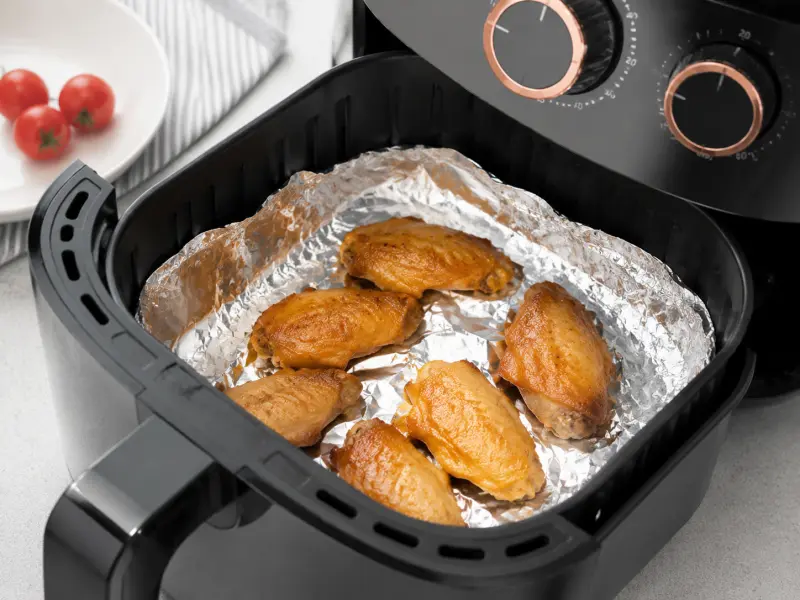
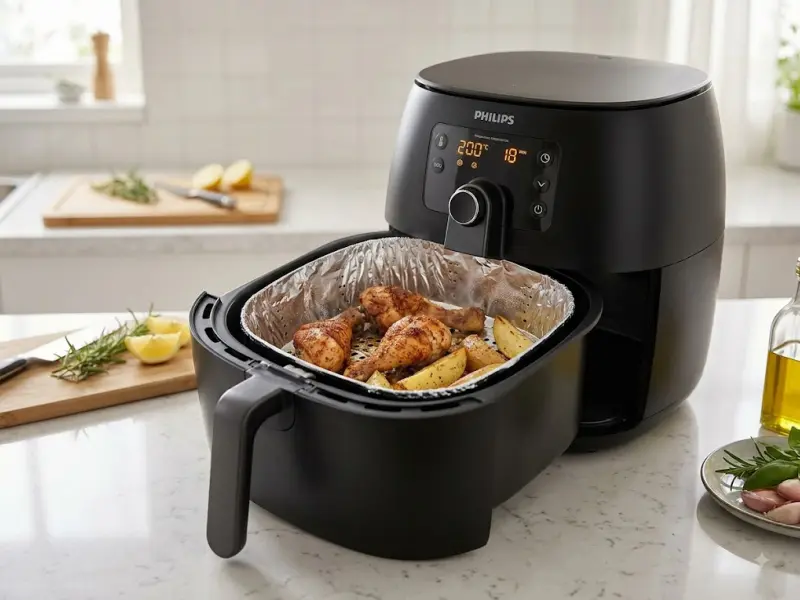
Not every foil works the same way. Some rolls are too thin and tear when you lift hot food.
Some trays block airflow and leave fries soggy.
The right aluminium foil for air fryer use matches the machine, the food, and the temperature.
This guide breaks down the specs so you can buy once and cook smarter.
Alloy Breakdown: The Metal Behind the Sheet
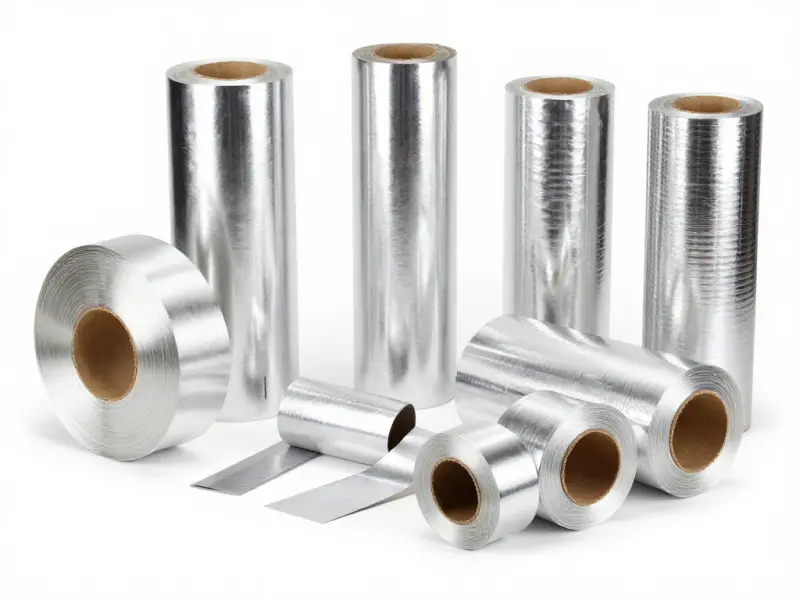
Food-grade aluminium foil starts as an alloy. The recipe changes strength, flexibility, and heat behavior.
8011 Alloy: The Kitchen Standard
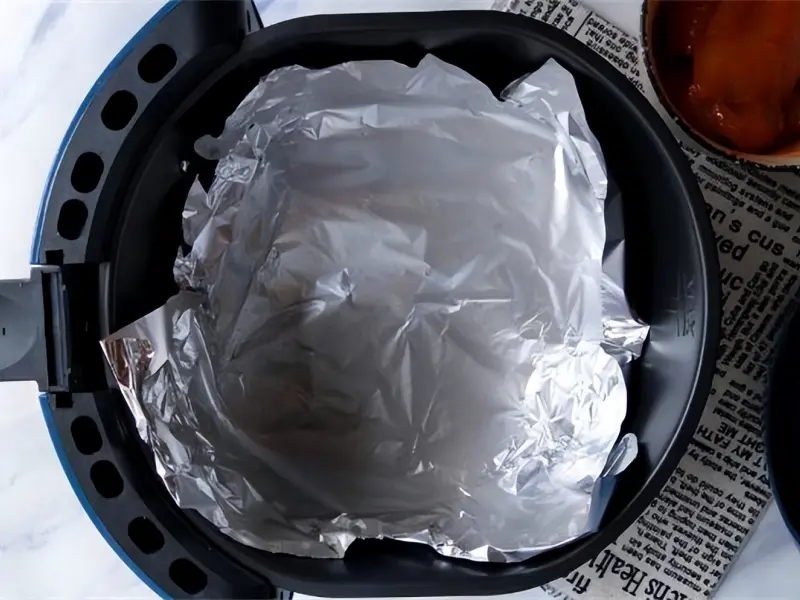
8011 is the most common alloy for aluminium foil air fryer rolls and trays. It contains iron and silicon. This mix makes the foil strong at thin gauges. It resists tearing when you wrap chicken wings or shape a pouch for fish. It also handles oven-level heat without degrading.
1235 Alloy: High Purity for Direct Contact
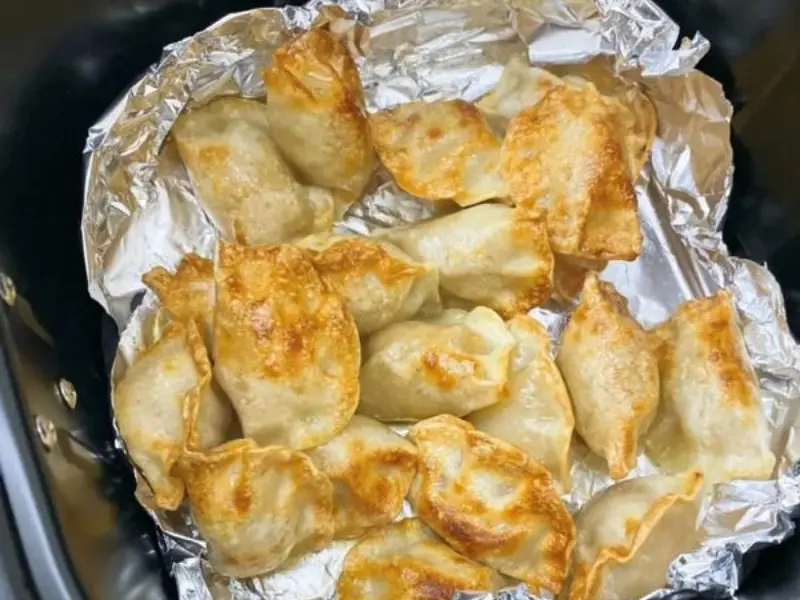
1235 is nearly pure aluminium. It is softer than 8011 and more formable. You will find it in premium foil liners and pre-cut sheets that need to fold neatly around odd-shaped foods. The high purity level means less risk of metallic taste transfer.
3003 Alloy: Thicker Tray Material
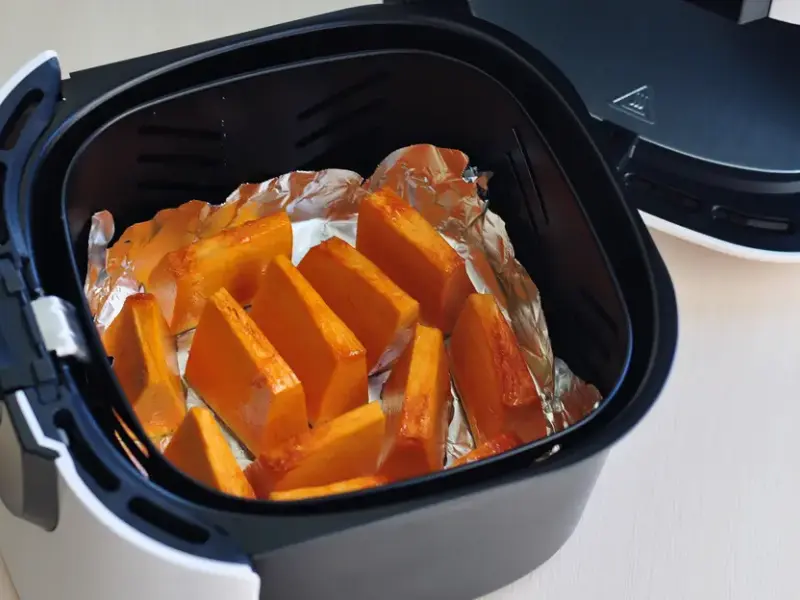
Some rigid aluminium foil air fryer trays use 3003 instead of standard foil alloys. The manganese in 3003 adds stiffness. These trays hold their shape under heavy ribs or a whole chicken. They cost more than soft foil but can be washed and reused several times.
| Alloy | Purity | Strength | Flexibility | Best Air Fryer Form |
|---|---|---|---|---|
| 8011 | 98.5%+ Al | Medium | Good | Rolls, sheets, standard trays |
| 1235 | 99.35%+ Al | Lower | Excellent | Pre-cut liners, wrapping foil |
| 3003 | 97%+ Al | Higher | Moderate | Rigid reusable trays, pans |
Temper States: Soft Foil vs Stiff Foil
The temper tells you how the metal was treated after rolling. This changes how the foil feels in your hands.
O Temper: Dead Soft
O temper foil is fully annealed. It is the softest option. It wraps around food like cloth. Most household aluminium foil air fryer rolls use O temper because it molds to any basket shape without springing back.
H18 Temper: Extra Strength
H18 is work-hardened. It holds a crease and resists punctures. You see H18 in pre-formed trays and heavy-duty foil pouches. It is less common for standard rolls but useful when you need the foil to stand up like a pan.
| Temper | Feel | Best Use |
|---|---|---|
| O | Very soft, clingy | Wrapping, lining, general cooking |
| H14 | Slightly stiffer | Molded liners, shaped walls |
| H18 | Rigid, holds form | Pre-formed trays, heavy pouches |
Thickness Guide: Microns, Gauge, and Real Feel
Thickness is where buyers get confused. Different markets use different numbers. Here is a clear map.
| Thickness (microns) | Thickness (mm) | Common Name | Feel | Best For |
|---|---|---|---|---|
| 9 µm | 0.009 | Standard duty | Very thin, tears easily | Light wrapping, short cooks |
| 11 µm | 0.011 | Regular duty | Thin but workable | General lining, veggies |
| 14 µm | 0.014 | Heavy duty | Strong, resists tears | Meats, saucy foods |
| 18 µm | 0.018 | Extra heavy | Very tough | Reusable liners, ribs |
| 25 µm | 0.025 | Super heavy | Rigid, pan-like | Standalone trays, baking |
For most air fryer tasks, 11 to 14 micron foil is the sweet spot. It is thick enough to lift out without tearing but thin enough to let heat pass through. If you plan to reuse the same liner three or four times, step up to 18 micron.
Perforated vs Solid Foil: The Airflow Battle
Air fryers need moving air. A solid sheet of foil blocks the holes in the basket. That traps steam and kills crispiness. Perforated foil solves this problem.
Perforated Aluminium Foil
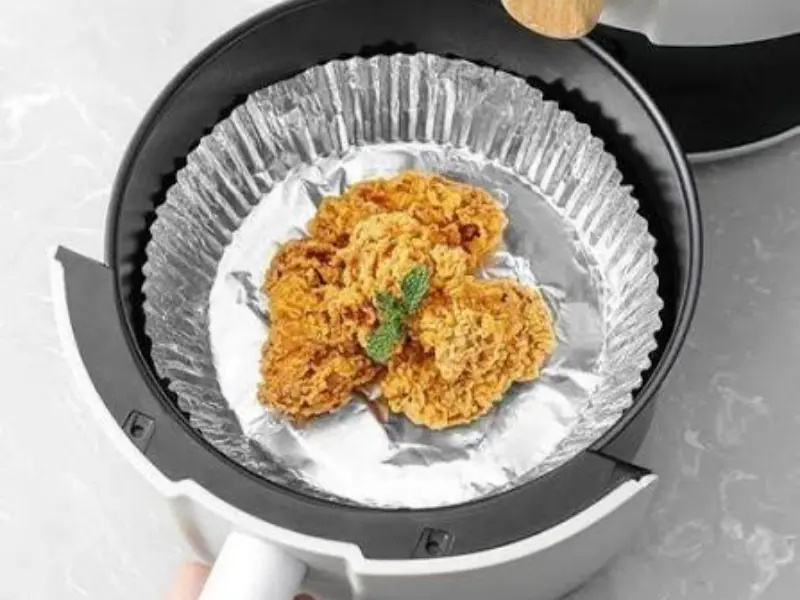
Tiny laser or needle holes cover the sheet. Hot air moves up through the holes, hits the food, and circulates back down. Perforated aluminium foil air fryer liners keep fries crunchy and wings crispy. The holes also let grease drip away from the food.
Solid Aluminium Foil
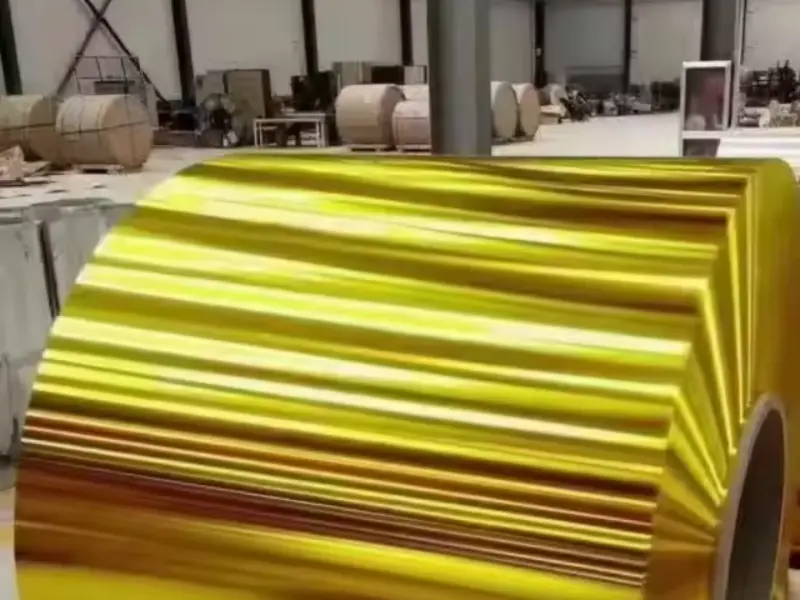
Solid foil has no holes. It is better for foods that need moisture lock. Think salmon, casseroles, or marinated vegetables. The solid sheet acts like a tiny steam oven inside the basket. It also blocks drips from reaching the basket, which means zero scrubbing.
| Feature | Perforated Foil | Solid Foil |
|---|---|---|
| Airflow | Excellent | Blocked |
| Crispiness | High | Lower |
| Grease drainage | Yes | No |
| Best foods | Fries, nuggets, wings | Fish, veggies, saucy dishes |
| Cleanup | Easy | Easiest |
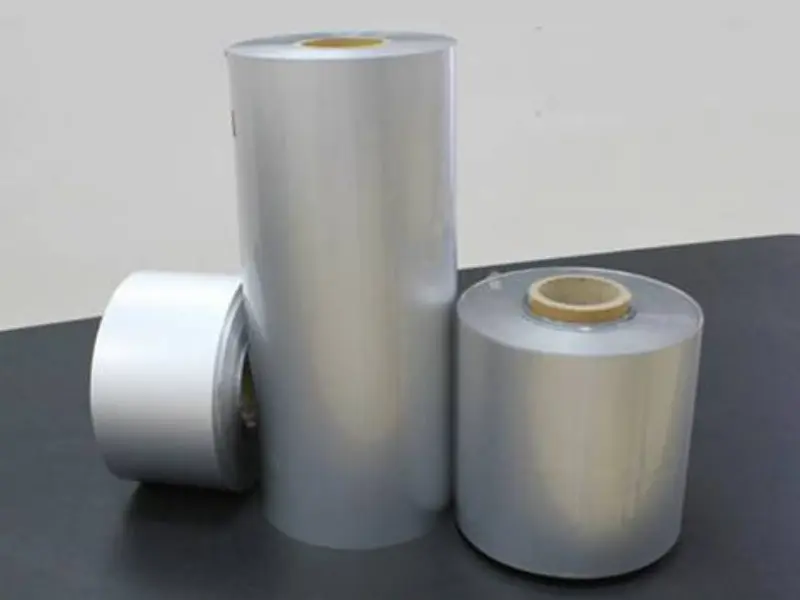
Product Types: More Than Just a Roll
Manufacturers have turned basic foil into several formats that fit different air fryer habits.
Rolls
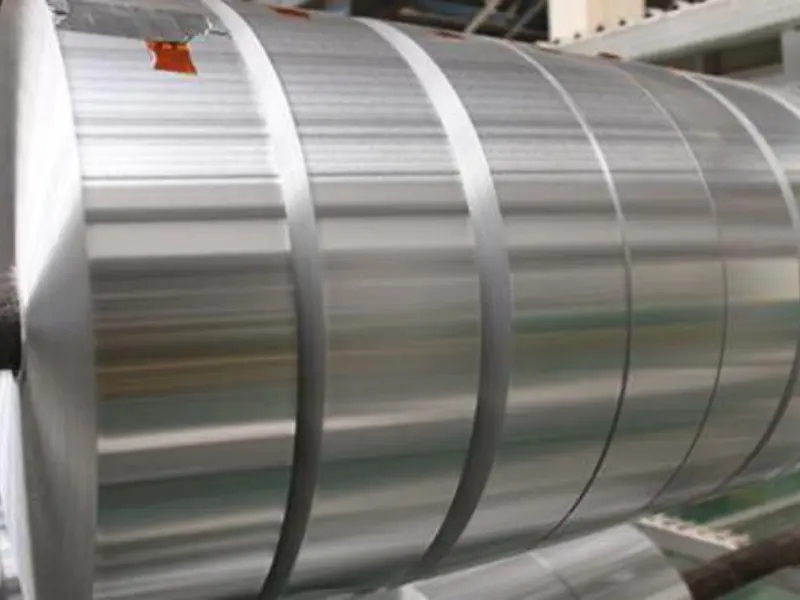
The classic box with a serrated edge. You tear off the length you need. Rolls are cheap and flexible. The downside is that you must cut or fold them to fit your basket. Standard widths are 30 cm and 45 cm.
Pre-Cut Sheets
These are stacked squares or rectangles in a pop-up box. Common sizes are 20 × 20 cm, 25 × 25 cm, and 30 × 30 cm. They save time. No tearing. No jagged edges. Pre-cut sheets are popular for busy home cooks and small cafes.
Round Foil Trays
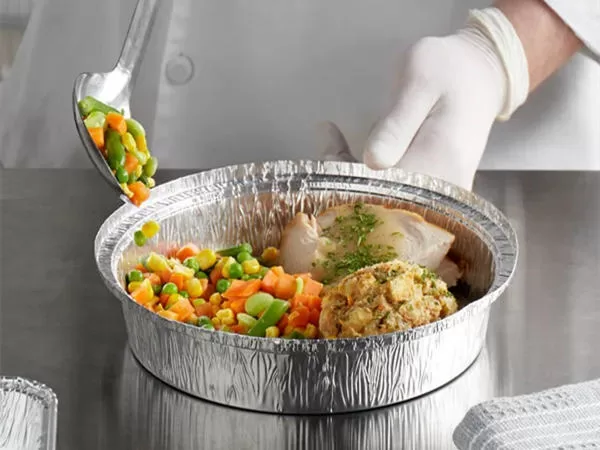
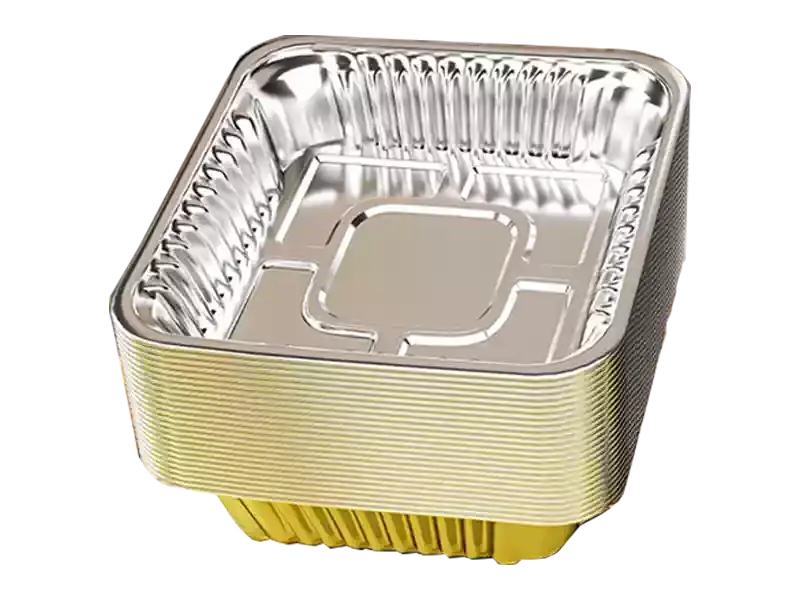
Shallow bowls made entirely of foil. They range from 15 cm to 22 cm in diameter. Round aluminium foil air fryer trays fit basket-style fryers perfectly. They hold saucy foods, small casseroles, and baked eggs without leakage.
Rectangular Foil Pans
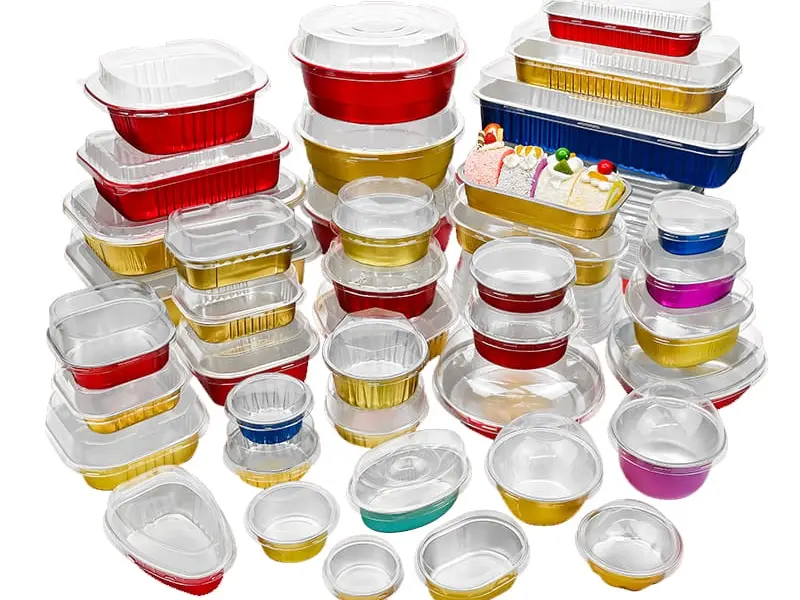
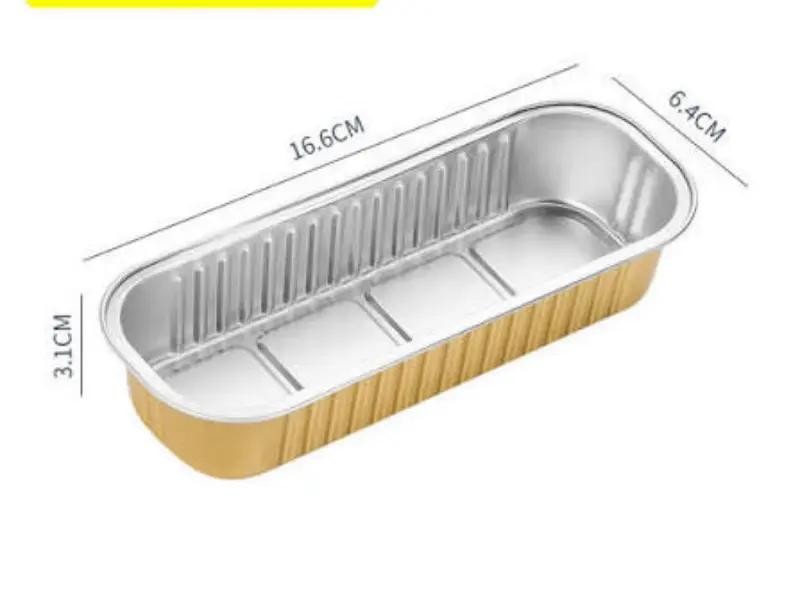
These look like mini loaf pans or brownie trays. They work well in oven-style air fryers with flat racks. You can bake banana bread, meatloaf, or lasagna in them. Typical sizes are 15 × 10 cm and 20 × 15 cm.
Foil Pouches and Bags
Pre-formed bags with a fold-over top. You drop in seasoned meat and seal the edge. The pouch traps juices and flavor. Great for fish, shrimp, and mixed veggie packs.
Non-Stick Coated Foil
One side carries a food-safe silicone coating. Food slides right off. Cleanup is almost nothing. This type costs more than plain foil but is worth it for sticky foods like glazed chicken or caramelized vegetables.
| Product Type | Shape | Reusable? | Best For |
|---|---|---|---|
| Roll | Continuous sheet | No | Custom sizing, general use |
| Pre-cut sheet | Square/rectangle | No | Quick lining, no scissors |
| Round tray | Bowl | Sometimes | Basket fryers, saucy food |
| Rectangular pan | Loaf/brownie | Sometimes | Oven-style fryers, baking |
| Pouch/bag | Envelope | No | Steaming, flavor locking |
| Non-stick roll/sheet | Flat with coating | No | Sticky marinades, easy release |
Size Matching: Foil Dimensions vs Basket Dimensions
Using the wrong size creates problems. Too small and grease misses the edge. Too big and the foil blocks the fan.
| Air Fryer Capacity | Basket Diameter (approx.) | Foil Size to Use |
|---|---|---|
| 2–3 liters | 16–18 cm | 18 cm round tray or 20 cm sheet |
| 3–5 liters | 20–22 cm | 20 cm round tray or 25 cm sheet |
| 5–7 liters | 24–26 cm | 25 cm round tray or 30 cm sheet |
| Oven-style (flat rack) | 25 × 30 cm rack | 25 × 30 cm sheet or pan |
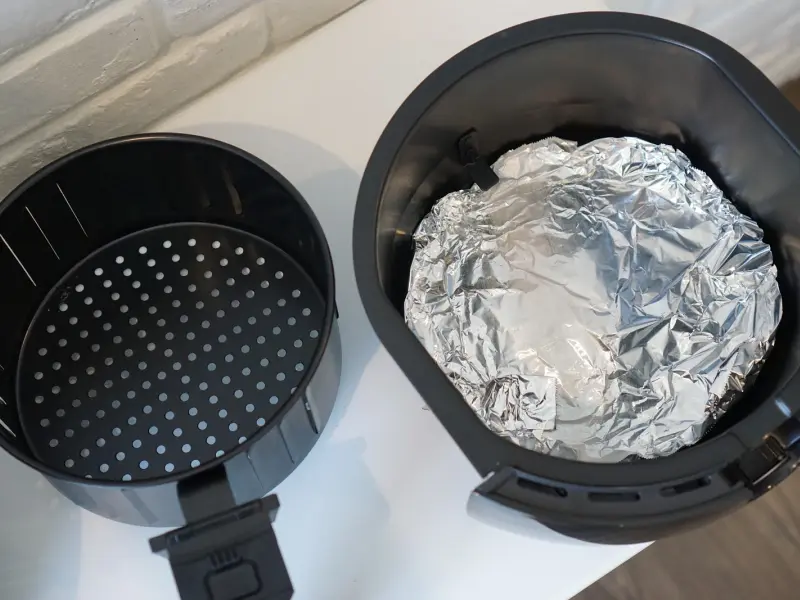
Always leave a gap between the foil edge and the basket wall. Air needs to circulate around the sides. Never cover the entire basket bottom with a solid sheet that extends up the walls.
Aluminium Foil vs Parchment Paper: Side by Side
Many cooks wonder which liner to buy. Here is the honest comparison.
| Factor | Aluminium Foil | Parchment Paper |
|---|---|---|
| Heat limit | 350°C+ | 220°C typical |
| Moisture lock | Excellent | Poor |
| Crispiness help | Poor if solid | Good if perforated |
| Reusable | Sometimes | No |
| Cost per use | Low | Medium |
| Acidic food safety | Can react | Neutral, safe |
| Moldability | Excellent | None |
| Grease containment | Excellent | Moderate |
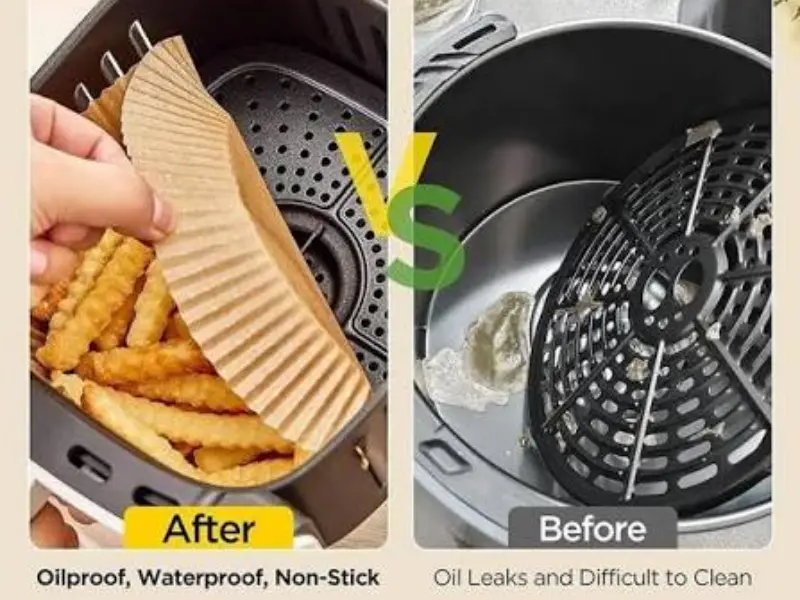
Use foil when you want to block drips, lock moisture, or shape a custom liner. Use parchment when you want easy release and you are cooking below 200°C. For the best of both worlds, some brands sell parchment-lined foil. The paper side touches the food. The foil side blocks grease.
Common Mistakes That Ruin Results
Even good foil can cause problems if you use it wrong.
- Covering the whole basket with solid foil. This blocks airflow and steams the food. Cut the foil smaller or use perforated liners.
- Letting foil touch the heating element. It can burn, melt, or spark. Keep a safe gap.
- Cooking acidic foods on bare foil. Tomatoes, citrus, and vinegar can eat through thin foil and add a metallic taste.
- Using too little foil. Small pieces fly around the basket and may hit the fan. Weigh the foil down with food.
- Reusing torn foil. Holes let grease into the basket. If the liner rips, replace it.
Temperature Limits: How Hot Is Too Hot?
Air fryers typically run between 150°C and 200°C. Some models hit 230°C. Good news: aluminium foil air fryer products can handle far more.
| Alloy | Safe Max Temp | Melting Point | Notes |
|---|---|---|---|
| 8011 | 350°C | 660°C | Standard for all kitchen foil |
| 1235 | 350°C | 660°C | Same limit, softer feel |
| 3003 trays | 300°C | 660°C | Coating on tray may limit heat |
The foil itself will not melt in a home air fryer. However, thin foil can scorch if it touches the heating element. Keep the foil at least two centimeters below the element. Also, acidic foods like tomatoes or lemon can react with bare aluminium at high heat. Use parchment or a non-stick coated foil for those dishes.
Real-World Uses in the Kitchen
Aluminium foil air fryer products handle more than just frozen fries. Here are the top ways home cooks put them to work:
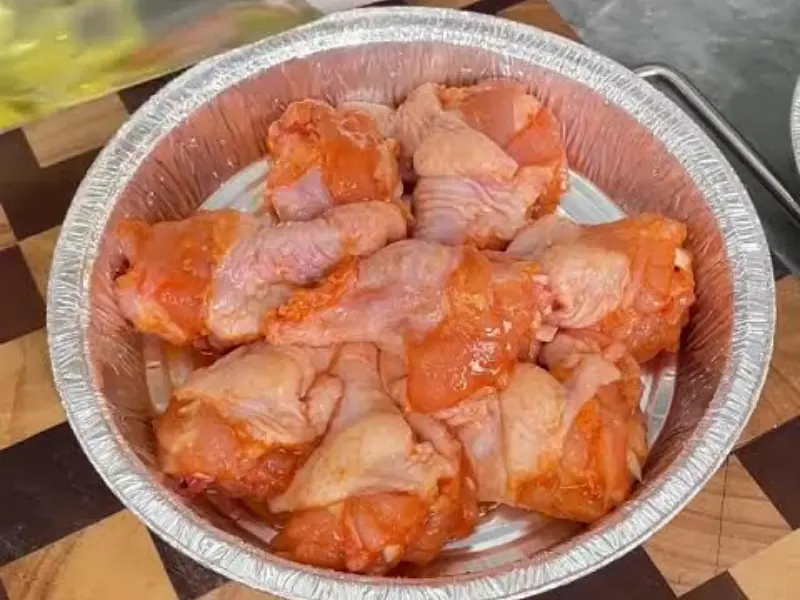
- Chicken wings and drumsticks – line the basket, toss the bones when done
- Breaded fish fillets – prevents sticking and keeps breadcrumbs crisp
- Roasted vegetables – foil pouches lock in herbs and oil
- Baked potatoes – wrap in foil for soft skin, leave open for crispy skin
- Leftover pizza – reheats evenly without drying the cheese
- Homemade fries – perforated liner keeps them crunchy
- Marinated steak tips – foil catches the sauce so the basket stays clean
- Garlic bread – foil reflects heat for even browning
- Small cakes and brownies – rectangular foil pans fit oven-style fryers
- Stuffed peppers – foil trays hold the filling and prevent tipping
- Reheating fried foods – restores crispness better than a microwave
- Camping and RV meals – pre-made foil packets cook fast in portable fryers
Frequently Asked Questions
Can I put aluminium foil in any air fryer?
Yes, but the type matters. Basket-style fryers work best with pre-cut sheets or round trays. Oven-style fryers handle rectangular pans and flat sheets. Always check your manual for warnings about liners.
Is it safe to cover food completely with foil in an air fryer?
You can, but the food will not crisp. Complete coverage blocks airflow. If you want a crispy finish, leave the top open or use perforated foil.
What thickness of foil works best?
11 to 14 microns is ideal for most home cooking. It is strong enough to lift food out without tearing. For heavy meats or reuse, choose 18 microns.
Will aluminium foil melt in a 200°C air fryer?
No. Aluminium melts at 660°C. A 200°C air fryer is safe. The danger is not melting. The danger is blocking airflow or letting the foil touch the heating element.
Can I reuse foil liners?
Heavy-duty trays and thick sheets can be washed and reused two or three times if they are not torn. Standard thin foil should be discarded after one use.
Why do my fries get soggy when I use foil?
You are probably using solid foil instead of perforated. Solid foil traps steam. Switch to perforated aluminium foil air fryer liners or poke holes in the sheet yourself.
Is non-stick foil worth the extra cost?
If you cook sticky foods like glazed chicken or caramelized onions, yes. The silicone coating releases food easily. For simple roasting, plain foil is fine.
Can I use foil for acidic foods like tomato sauce?
Bare foil reacts with acid. It can leave dark spots and a metallic taste. Use parchment paper or a ceramic dish for acidic sauces.
How do I stop foil from flying around the basket?
Use a piece large enough to cover the bottom but not the walls. Weigh it down with food before you start the fan. Never preheat an empty basket with a loose foil sheet inside.
Are foil trays better than foil sheets?
Trays hold liquid and shaped foods like casseroles. Sheets are better for flat foods like fries and nuggets. Keep both on hand.