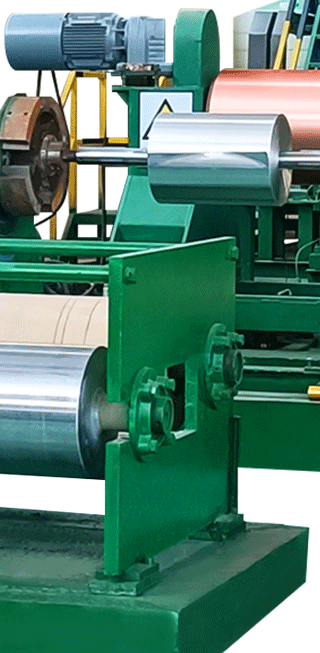
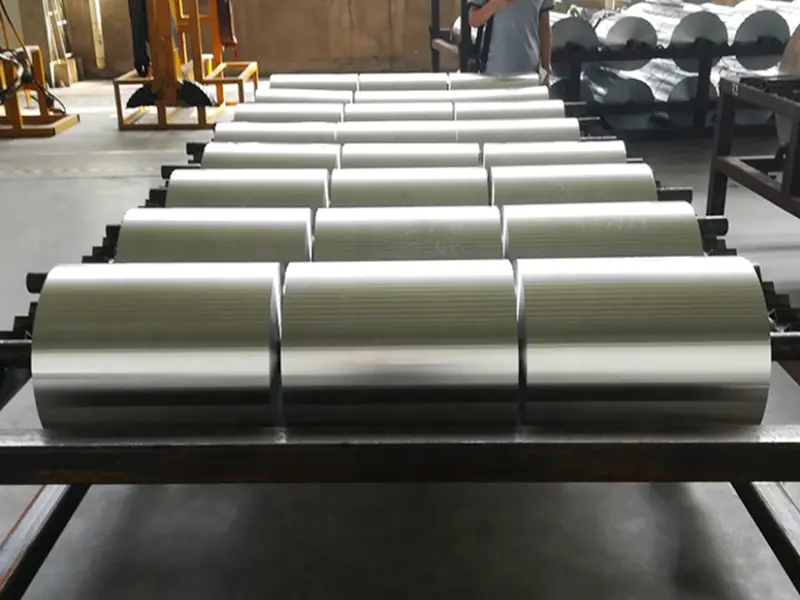
Industrial Foil vs Household Foil
Industrial Foil vs Household Foil may look similar, but they are made for very different jobs.
Household foil is mainly used in kitchens. It is thin, easy to tear, and usually sold in small rolls. Industrial foil is made for production, packaging, insulation, electrical products, heat transfer, cable protection, and many other applications.
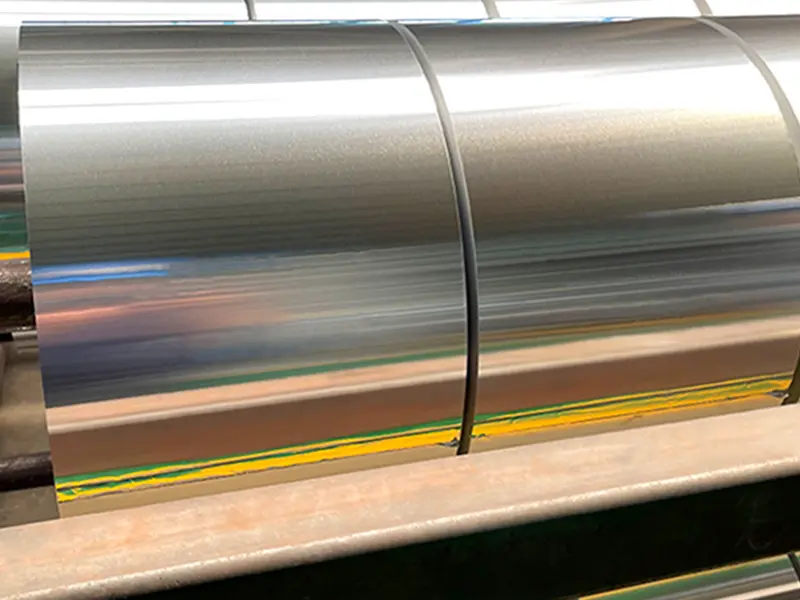
The main differences are not only thickness and roll size. Alloy, temper, surface condition, width, inner diameter, tolerance, and production requirements can also be different.
For buyers, choosing the right aluminium foil starts with the application.
Simple selection:
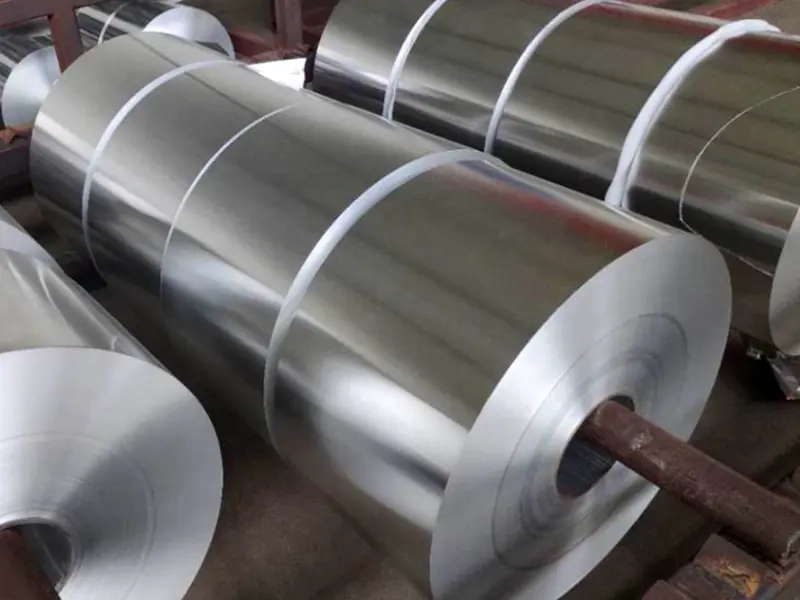
Kitchen use → Household foil
Food factory → Food packaging foil
Insulation → Industrial insulation foil
Cable protection → Cable foil
Battery production → Battery foil
Pharmaceutical packaging → Blister foil
Container production → Container foil
Large production line → Jumbo aluminium foil roll
What Is the Difference Between Industrial Foil and Household Foil?
The biggest difference is the intended use.
Household foil is designed for consumers. It is normally supplied in convenient widths and lengths. The focus is easy handling and daily kitchen use.
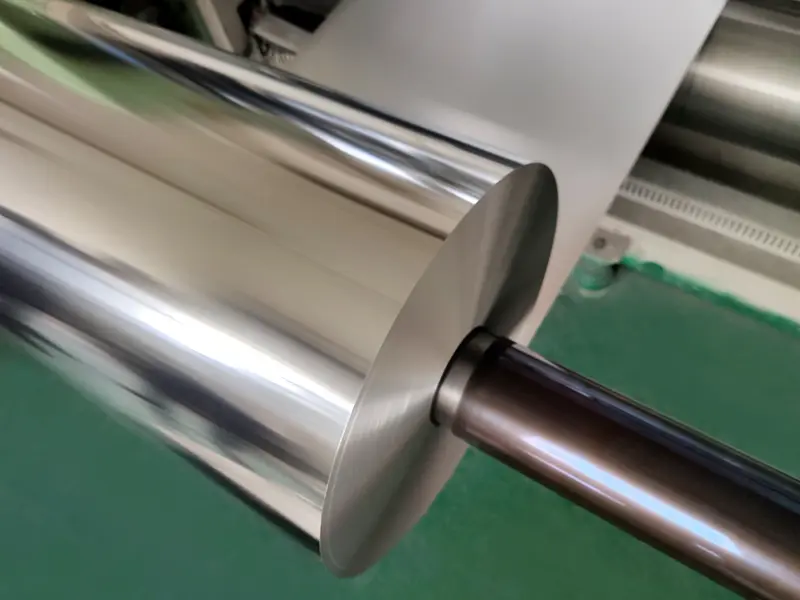
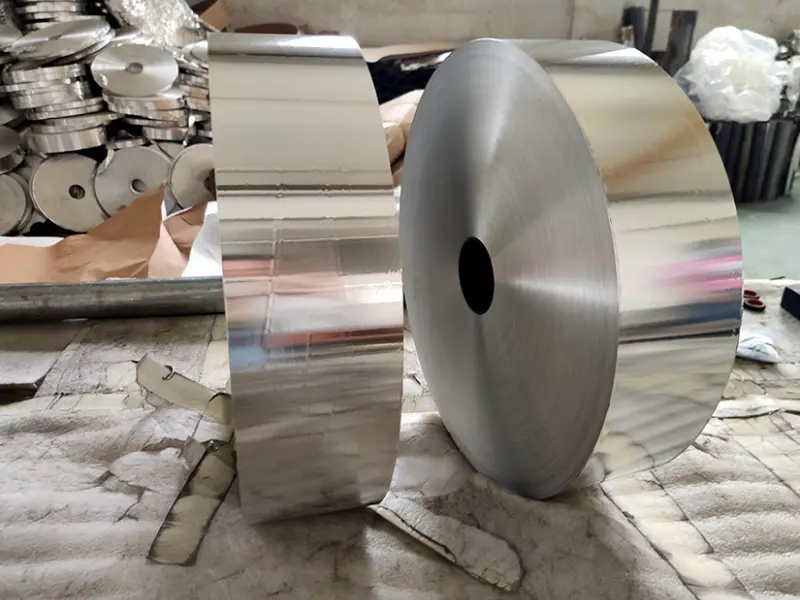
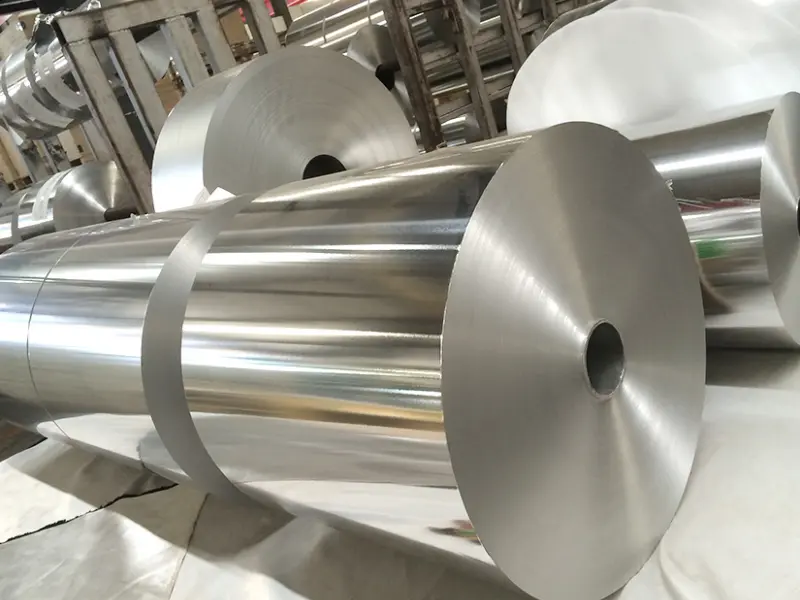
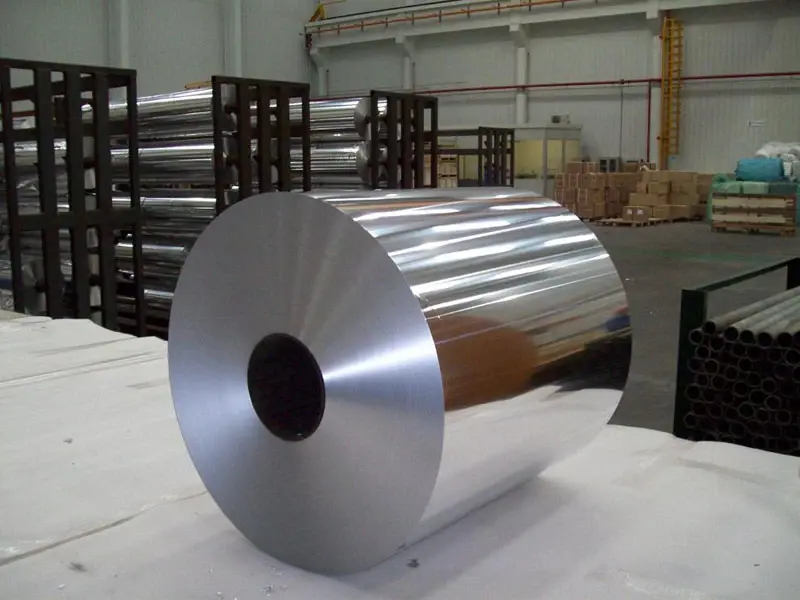
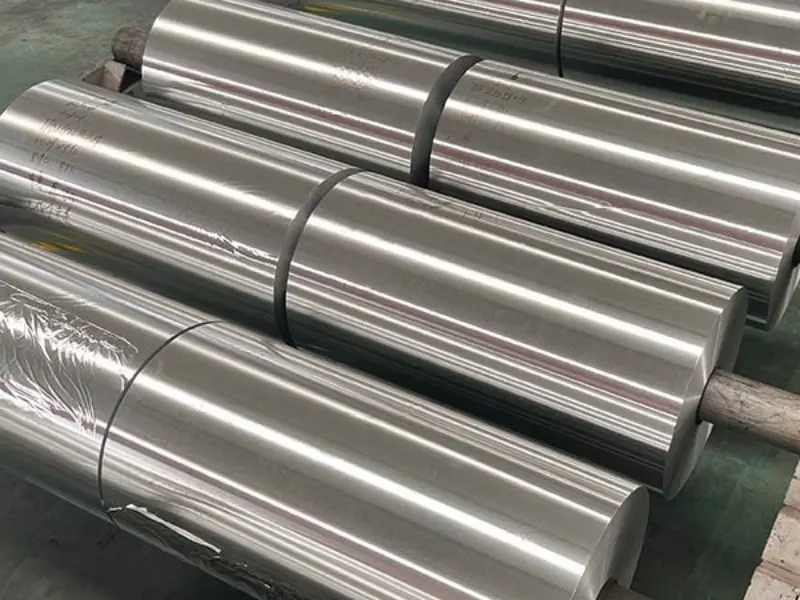
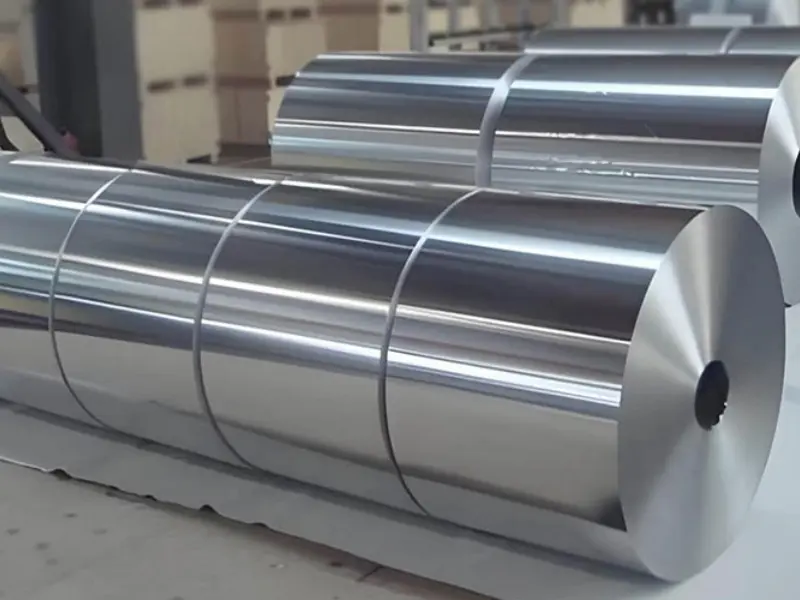
Industrial foil is designed for manufacturers. The foil is usually supplied in jumbo rolls or customized rolls. The buyer may require specific alloy, temper, thickness, width, surface finish, mechanical properties, and packaging.
| Feature | Industrial Foil | Household Foil |
|---|---|---|
| Main use | Manufacturing | Kitchen use |
| Roll size | Jumbo / large | Small roll |
| Thickness | Many options | Usually thin |
| Width | Custom | Standard |
| Alloy | 8011, 1235, 3003, etc. | Common commercial grades |
| Temper | O, H14, H18, H22, H24 | Usually selected for easy use |
| Surface | Plain, bright, embossed, coated | Plain or embossed |
| Customization | High | Limited |
| Buyer | Factory / converter | Consumer / retailer |
| Packaging | Industrial export packaging | Retail packaging |
Industrial foil is therefore not simply “thicker household foil.” It is a broader product category with many specifications.
Why Industrial Foil Has More Specifications
Manufacturing lines often need foil to perform a specific function.
For example, a food packaging factory may need foil with good forming properties.
A cable manufacturer may need a foil with suitable electrical shielding performance.
An insulation producer may need a wider jumbo roll with a stable surface.
A pharmaceutical packaging producer may need strict thickness and surface control.
This is why industrial foil is normally purchased according to a detailed specification.
Typical Industrial Foil Specification
| Parameter | Common Range |
|---|---|
| Thickness | 0.006–0.2 mm |
| Width | 100–1600 mm |
| Alloy | 1235, 8011, 8079, 3003 |
| Temper | O, H14, H16, H18, H22, H24 |
| Surface | Plain, bright, matte, embossed |
| Roll ID | 75 / 150 / 200 / 300 mm |
| Edge | Mill edge / slit edge |
| Packing | Export / jumbo roll |
Actual specifications depend on the application and production line.
Industrial Aluminium Foil Types
Industrial foil covers many products.
The alloy and temper should be selected according to the final use.
8011 Aluminium Foil
8011 is one of the most widely used industrial foil alloys.
It offers a good balance of strength, formability, corrosion resistance, and processing performance.
Common uses include:
- Food packaging
- Pharmaceutical packaging
- Household foil
- Container foil
- Cable foil
- Insulation
- Flexible packaging
8011 can be supplied in O, H14, H16, H18, H22, and H24 tempers.
1235 Aluminium Foil
1235 is widely used for flexible packaging and electrical applications.
It has high aluminium content and good conductivity.
Typical applications include:
- Flexible packaging
- Cable wrapping
- Electrical products
- Food packaging
- Lamination
- Household foil
8079 Aluminium Foil
8079 has commonly used for applications requiring good forming and processing performance.
It can be used in:
- Pharmaceutical packaging
- Flexible packaging
- Food packaging
- Foil laminates
3003 Aluminium Foil
3003 contains manganese and provides higher strength than many 1xxx series alloys.
It is useful for:
- Heat exchangers
- HVAC applications
- Insulation
- Industrial components
- Cooking and food equipment
- Heat transfer applications
Household Foil Is a More Focused Product
Household foil is mainly designed for simple daily use.
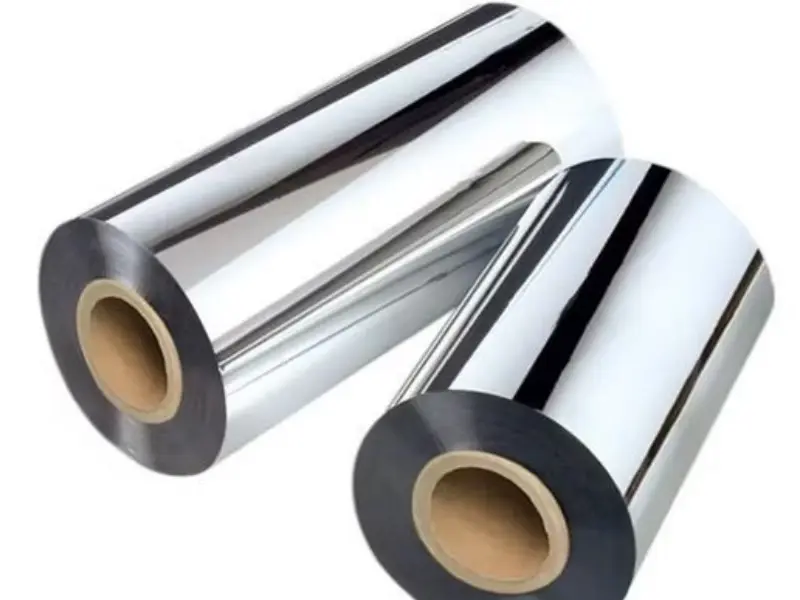
A consumer normally does not select foil by alloy and temper. Instead, the important factors are width, length, thickness, packaging, and price.
Typical household foil uses include:
- Wrapping food
- Covering dishes
- Baking
- Freezing food
- Grilling
- Kitchen storage
- Food preparation
Household foil has convenient because it is already cut and packed for direct consumer use.
Household Foil vs Industrial Foil Thickness
Thickness is one of the easiest ways to see the difference.
Industrial foil can cover a wide range of thicknesses.
| Thickness | Typical Application |
|---|---|
| 0.006–0.010 mm | Very light packaging |
| 0.010–0.020 mm | Flexible packaging |
| 0.020–0.040 mm | Food / packaging |
| 0.040–0.080 mm | Industrial packaging |
| 0.080–0.120 mm | Insulation / industrial |
| 0.120–0.200 mm | Heavy-duty industrial uses |
These ranges are examples. A final thickness has selected based on the application.
Does Thicker Foil Mean Better Foil?
Not always.
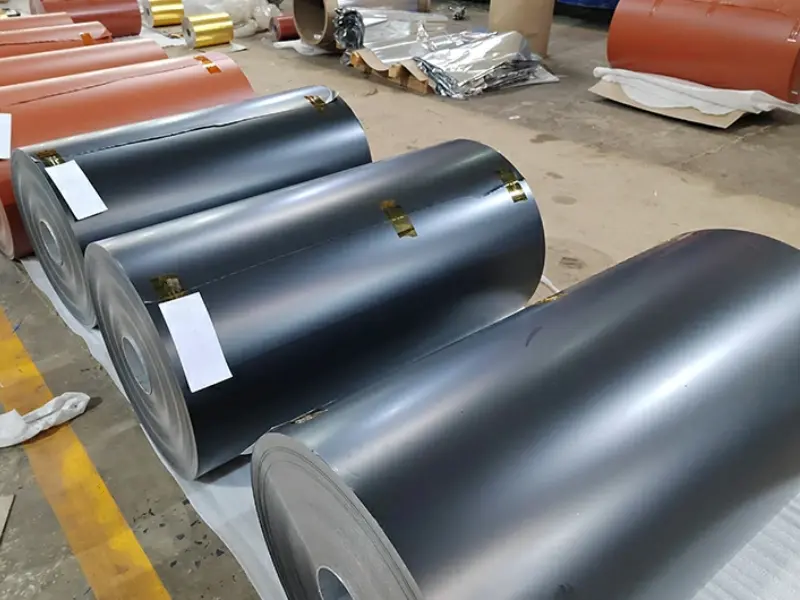
A thicker product can provide more strength, but it may also cost more and require different processing.
For example:
Thin foil → lightweight and economical
Medium foil → balance between flexibility and strength
Thick foil → better mechanical protection and rigidity
The best thickness is the one that meets the actual application requirements.
Alloy Comparison for Industrial Foil
Alloy selection is important for manufacturers.
| Alloy | Main Feature | Common Use |
|---|---|---|
| 1235 | High aluminium content | Packaging, cable |
| 8011 | Balanced performance | Food, pharma, insulation |
| 8079 | Good forming | Flexible packaging |
| 3003 | Higher strength | Heat transfer, industrial |
8011 vs 1235
8011 is a common general-purpose industrial foil alloy.
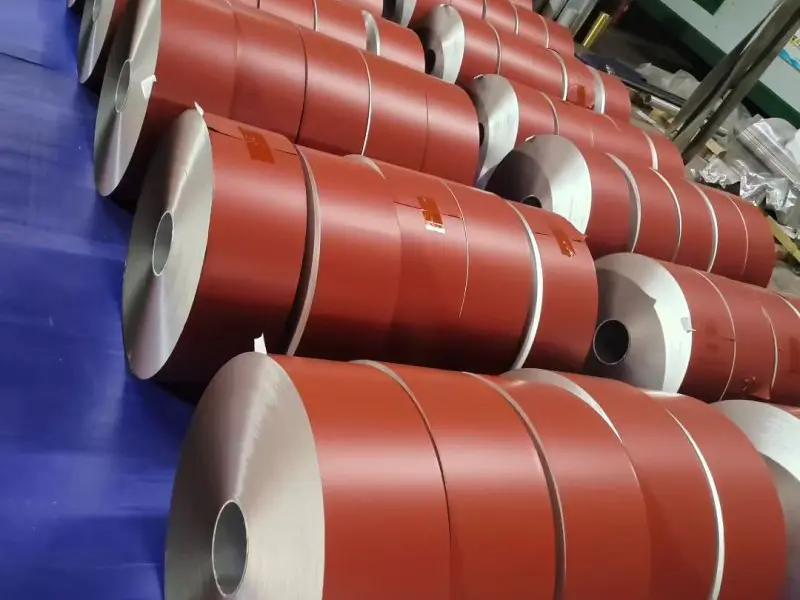
1235 has often selected when high aluminium content and good conductivity are important.
For flexible packaging, both have considered depending on the production process.
8011 vs 8079
Both alloys can be used for packaging.
8079 can provide good forming performance for certain demanding packaging structures.
8011 has widely used across food, pharmaceutical, insulation, and general industrial foil applications.
8011 vs 3003
8011 is commonly used for flexible products.
3003 provides higher strength and is useful for heat transfer and some industrial components.
The better choice depends on the final product rather than the alloy name alone.
Temper Comparison
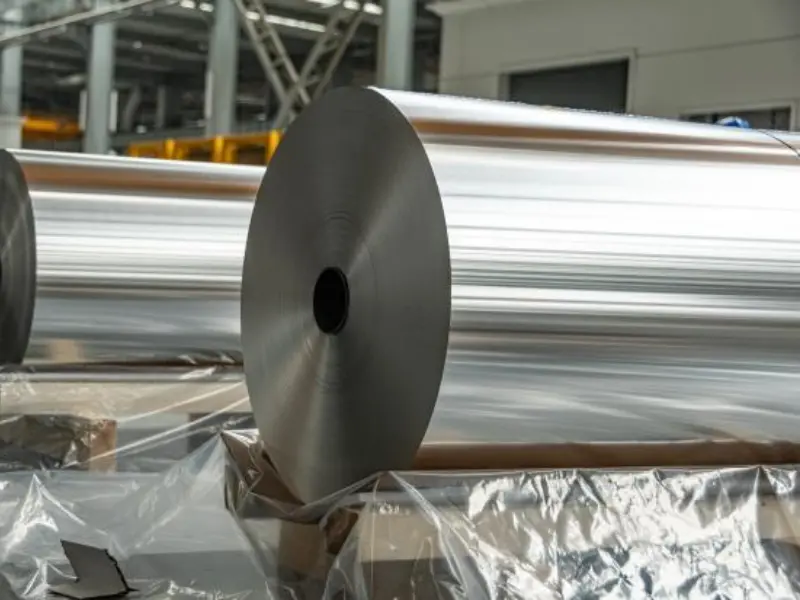
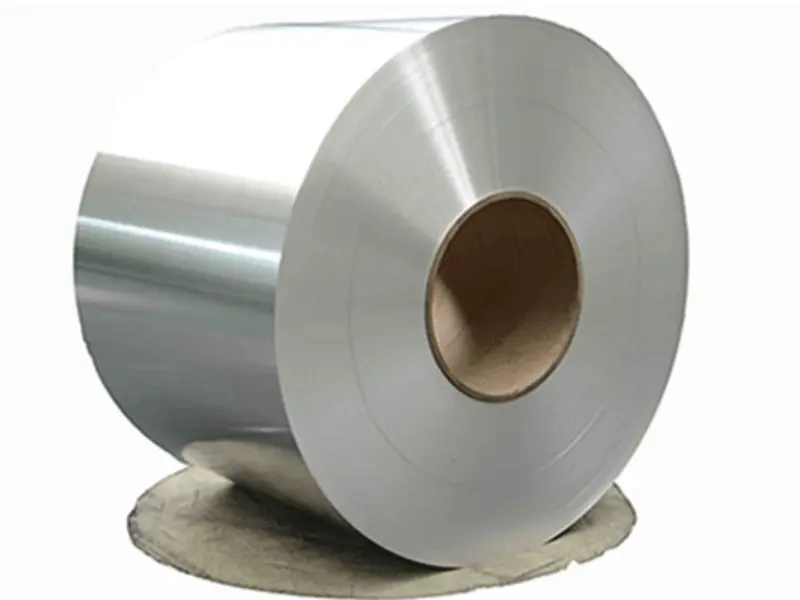
Temper changes the mechanical properties of aluminium foil.
| Temper | General Character |
|---|---|
| O | Soft and highly formable |
| H14 | Medium hardness |
| H16 | Medium-hard |
| H18 | Hard |
| H22 | Softened after strain hardening |
| H24 | Medium hardness after strain hardening |
O Temper Industrial Foil
O temper is soft.
It is suitable for applications that require forming or bending.
Common uses include:
- Food containers
- Pharmaceutical packaging
- Flexible packaging
- Deep drawing
- Laminated foil
H18 Industrial Foil
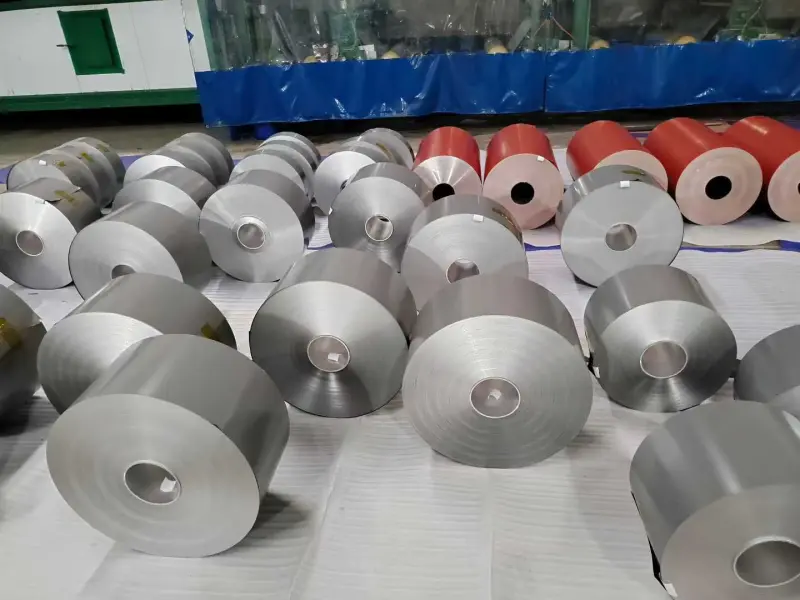
H18 is harder than O temper.
It can provide better stiffness and strength.
It can be useful for:
- Certain packaging structures
- Cable applications
- Industrial laminates
- Protective foil
The correct temper should match the forming and processing requirements.
Bright Foil vs Matte Foil
Surface appearance is another important difference.
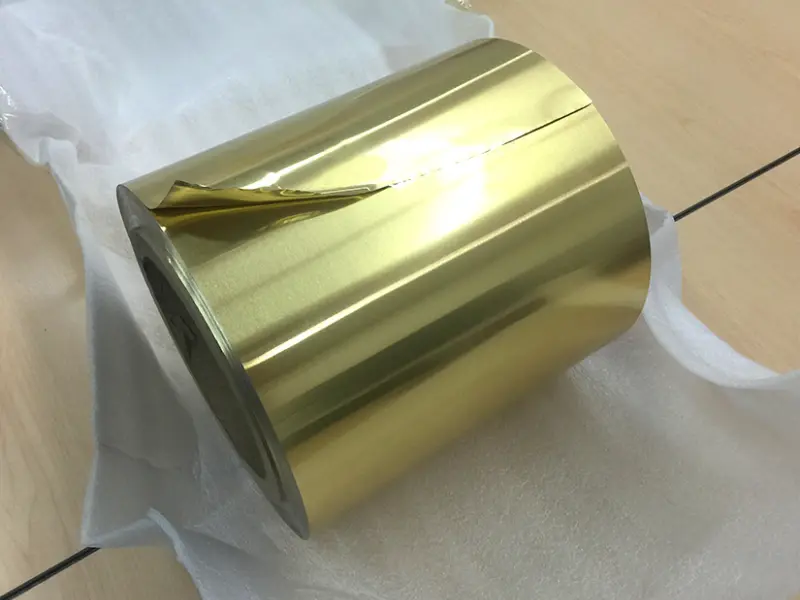
Bright Aluminium Foil
Bright foil has a reflective metallic surface.
It is often selected for:
- Decorative packaging
- Reflective insulation
- Consumer packaging
- Laminated products
Matte Aluminium Foil
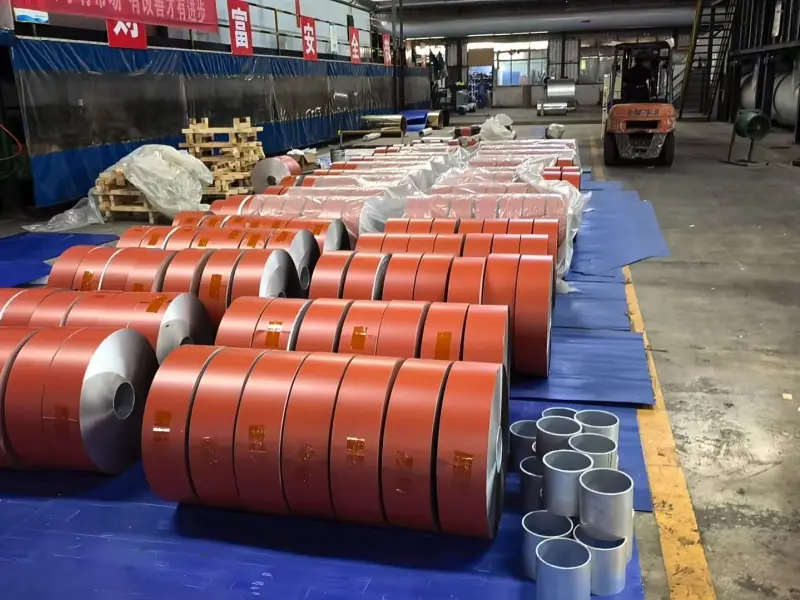
Matte foil has a less reflective appearance.
It has often used when the foil has laminated, coated, printed, or bonded to another material.
| Surface | Typical Advantage |
|---|---|
| Bright | Reflective appearance |
| Matte | Good for lamination |
| One-side bright | Flexible processing options |
| Double-side bright | High reflective appearance |
| Embossed | Texture and increased surface area |
| Lacquered | Additional surface function |
Industrial Foil for Insulation
Insulation is an important industrial application.
Aluminium foil can be used as a reflective surface in insulation systems.
It may be combined with:
- Fiberglass
- Mineral wool
- PE foam
- Kraft paper
- Scrim
- Bubble insulation
- Other composite materials
Common products include foil-faced insulation and foil-scrim-kraft structures.
Typical Insulation Foil Structure
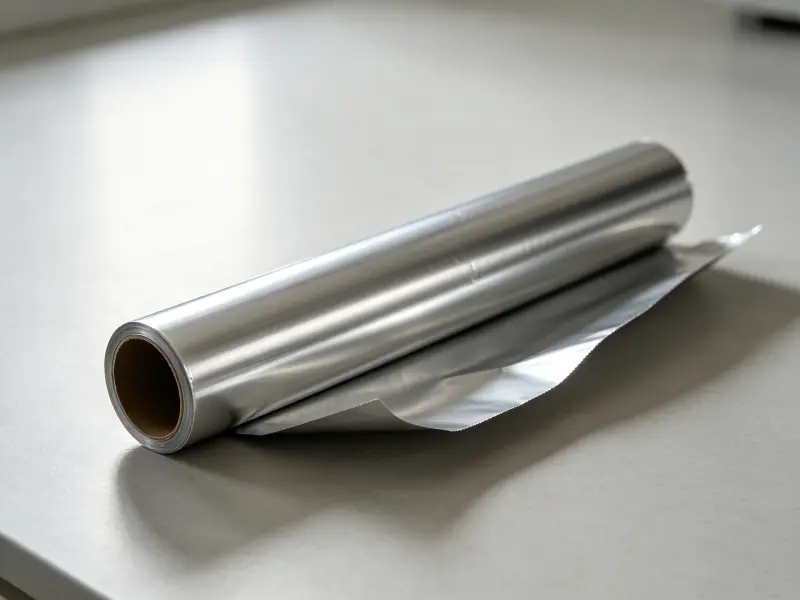
Aluminium foil → adhesive → insulation layer
or
Aluminium foil → scrim → kraft paper
The exact structure depends on the product design.
Industrial Foil for Food Packaging
Food packaging requires suitable material and surface quality.
Aluminium foil can be used for:
- Food containers
- Wrapping materials
- Laminated packaging
- Dairy packaging
- Flexible packaging
- Baking products
- Snack packaging
For direct food-contact applications, buyers should specify the required material standard and compliance requirements.
Industrial Foil for Pharmaceutical Packaging
Pharmaceutical foil requires tighter production control than ordinary consumer foil.

Typical applications include:
- Blister packs
- Strip packaging
- Pharmaceutical laminates
- Sachet packaging
The material may be coated or laminated depending on the packaging structure.
Surface cleanliness, pinholes, thickness, and coating quality can be important factors.
Industrial Foil for Cable Protection
Aluminium foil can also be used in cable and wire products.
It can form part of a shielding or protective structure.
Common forms include:
- Cable wrapping foil
- Laminated cable foil
- Shielding foil
- Foil-polyester structures
For these products, width, thickness, strength, and surface properties need to match the cable production process.
Industrial Foil for HVAC and Heat Transfer
Aluminium has good thermal conductivity.
This makes suitable aluminium foil useful in heat transfer products.

Applications can include:
- HVAC components
- Heat exchanger fins
- Air-conditioning equipment
- Radiator components
- Heat transfer products
For fin stock, alloy and temper have selected according to forming and heat transfer requirements.
Industrial Foil vs Household Foil by Application
| Application | Industrial Foil | Household Foil |
|---|---|---|
| Food wrapping | ✓ | ✓ |
| Baking | ✓ | ✓ |
| Food containers | ✓ | Limited |
| Pharmaceutical packaging | ✓ | ✕ |
| Cable shielding | ✓ | ✕ |
| Insulation | ✓ | ✕ |
| HVAC | ✓ | ✕ |
| Heat exchanger | ✓ | ✕ |
| Flexible packaging | ✓ | ✕ |
| Retail kitchen use | Limited | ✓ |
This comparison shows why industrial foil should not be selected only by appearance.
Industrial Jumbo Roll vs Household Roll
Roll format is a major difference.
A household roll has designed to fit a kitchen dispenser.
An industrial jumbo roll has designed for a converting or production machine.
| Feature | Jumbo Industrial Roll | Household Roll |
|---|---|---|
| Roll size | Large | Small |
| Width | Custom | Standard |
| Length | Long | Short |
| Core | Industrial core | Retail core |
| Packaging | Bulk | Retail box |
| Processing | Factory line | Direct use |
| MOQ | Usually higher | Small quantity |
For a factory, buying jumbo rolls can reduce the need for repeated material changes.
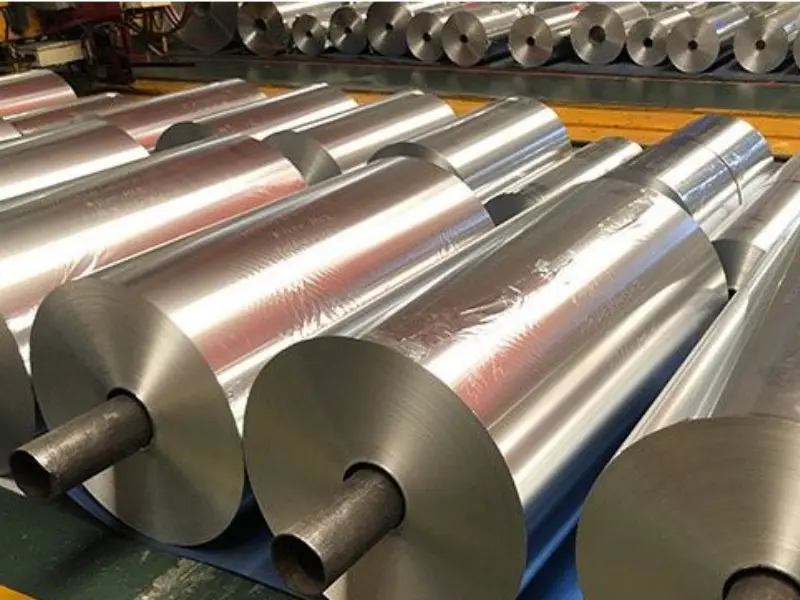
Why Manufacturers Buy Jumbo Aluminium Foil
Large rolls can be useful for high-volume production.
Benefits
- Longer production runs
- Fewer roll changes
- Lower packaging waste
- Easier automatic processing
- Custom width
- Better production planning
- Suitable for slitting and laminating
The actual economic benefit depends on the production line and order volume.
Industrial Foil Processing Options
Industrial foil has supplied in different forms.
Jumbo Roll
Suitable for large production lines.
Slit Roll
The jumbo roll is slit into narrower widths.
It is useful for:
- Cable production
- Flexible packaging
- Laminating
- Insulation
- Narrow-width applications
Embossed Foil
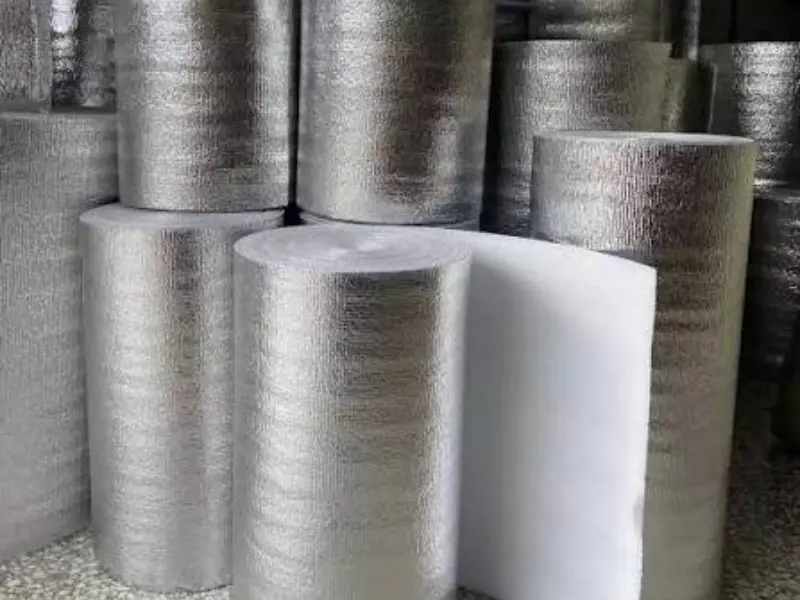
Embossing creates a patterned surface.
It can increase surface area and provide a specific appearance.
Coated Foil
Coating can add another function to the foil.
Examples include:
- Lacquer coating
- Heat-seal coating
- PE coating
- Polymer lamination
Aluminium Foil vs Aluminium Sheet
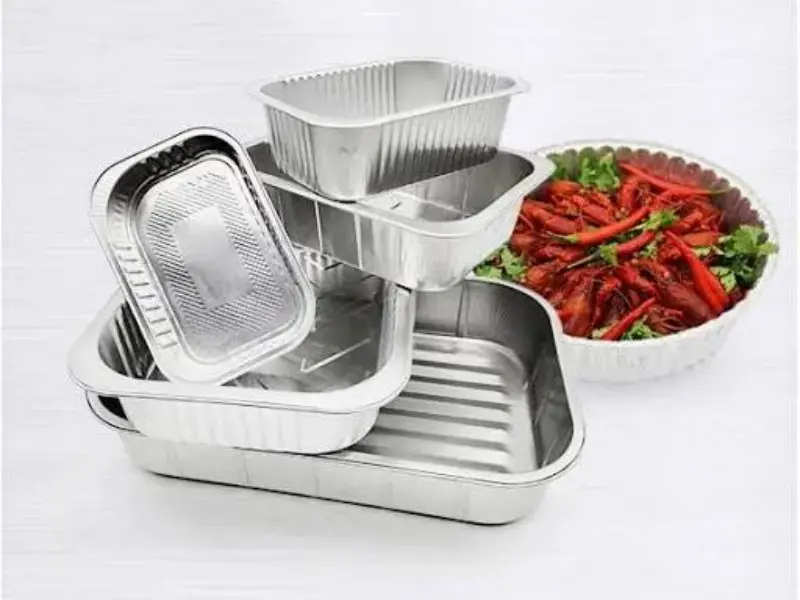
Industrial foil should not be confused with aluminium sheet.
| Feature | Aluminium Foil | Aluminium Sheet |
|---|---|---|
| Thickness | Very thin | Much thicker |
| Flexibility | High | Lower |
| Roll supply | Common | Less common |
| Packaging | Common | Limited |
| Insulation | Common | Different applications |
| Forming | Flexible / forming | Cutting / bending |
Foil is normally selected when a thin, lightweight, flexible aluminium layer is required.
Aluminium Foil vs Plastic Film
Both materials have used in packaging and insulation.
| Feature | Aluminium Foil | Plastic Film |
|---|---|---|
| Metal barrier | Yes | No |
| Reflectivity | High | Usually lower |
| Heat resistance | High | Depends on polymer |
| Flexibility | High | High |
| Lamination | Excellent | Excellent |
| Electrical shielding | Possible | Limited |
In many products, aluminium foil and plastic film have combined instead of used separately.
Aluminium Foil vs Aluminium Foil Laminate
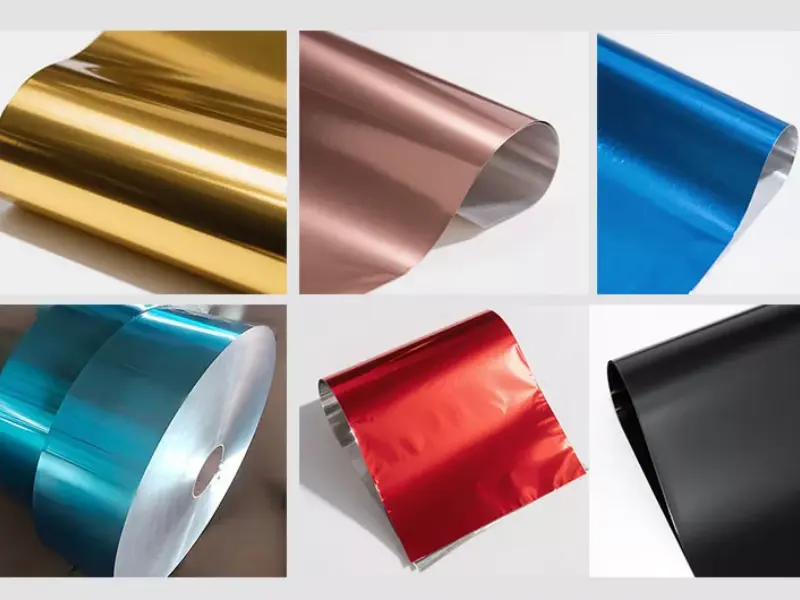
Pure aluminium foil is one material.
A foil laminate combines aluminium foil with another layer.
Examples include:
Aluminium + PE
Aluminium + PET
Aluminium + Kraft Paper
Aluminium + Scrim + Kraft
Lamination can improve strength, printing, sealing, moisture resistance, or handling.
How to Choose Industrial Foil
A simple selection path can make purchasing easier.
Application → Packaging / insulation / cable / HVAC / pharmaceutical
↓
Alloy → 1235 / 8011 / 8079 / 3003
↓
Temper → O / H14 / H16 / H18 / H22 / H24
↓
Thickness → Select according to strength and forming
↓
Width → Match the production machine
↓
Surface → Bright / matte / embossed / coated
↓
Roll ID → Match the unwinding equipment
↓
Packing → Select export and moisture protection
This approach is more reliable than simply searching for “industrial aluminium foil.”
What Should Be Included in an Industrial Foil RFQ?
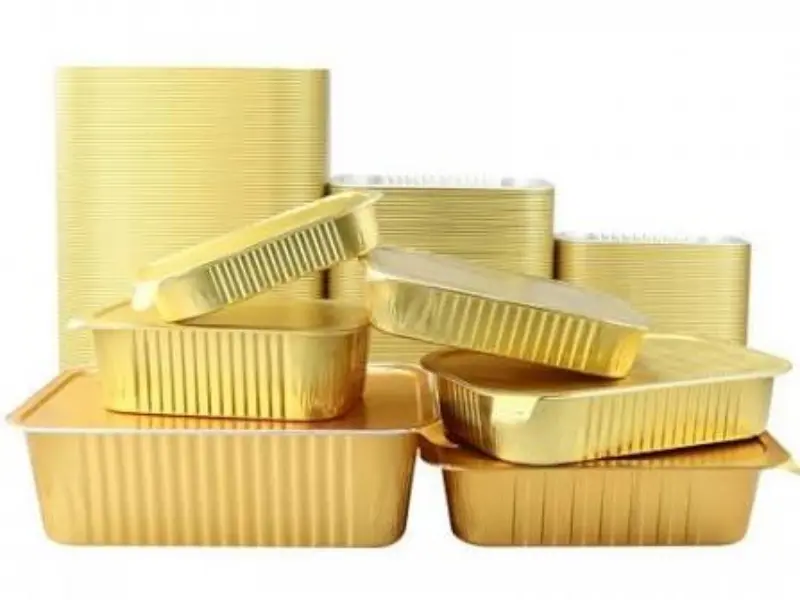
A factory quotation should include enough information for accurate pricing.
A useful RFQ can contain:
| Item | Example |
|---|---|
| Alloy | 8011 |
| Temper | O |
| Thickness | 0.08mm |
| Width | 1000mm |
| Core ID | 300mm |
| Surface | One-side bright |
| Quantity | 10 MT |
| Application | Insulation |
| Packing | Export seaworthy packing |
This helps the supplier understand the production requirement.
Quality Control for Industrial Foil
Industrial buyers often have stricter quality requirements.
Important inspection points can include:
- Thickness tolerance
- Width tolerance
- Length
- Tensile strength
- Elongation
- Surface cleanliness
- Pinholes
- Edge quality
- Roll hardness
- Core condition
- Coating quality
- Splice requirements
For sensitive applications, pinhole control can be especially important.
Why Pinholes Matter

Aluminium foil is thin.
Small holes can affect barrier performance.
For packaging, insulation, and other barrier applications, buyers may therefore specify pinhole requirements.
The acceptable level depends on the product and applicable standard.
Factors That Affect Industrial Foil Price
Price depends on more than thickness.
| Factor | Effect on Cost |
|---|---|
| Aluminium market price | Major factor |
| Alloy | Different alloys have different costs |
| Thickness | More material increases weight |
| Width | Custom widths affect production |
| Temper | Processing affects cost |
| Surface | Bright, embossed, or coated options add processing |
| Roll size | Large rolls need suitable packing |
| Quantity | Larger orders can improve production efficiency |
| Slitting | Additional processing |
| Packaging | Export packing adds cost |
For a useful quotation, buyers should provide the full specification.
Common Mistakes When Buying Industrial Foil
Buying by Thickness Only
Two foils with the same thickness can have different alloys and mechanical properties.
Using Household Foil for Factory Production
Household rolls are not designed for many industrial production machines.
Ignoring Roll Dimensions
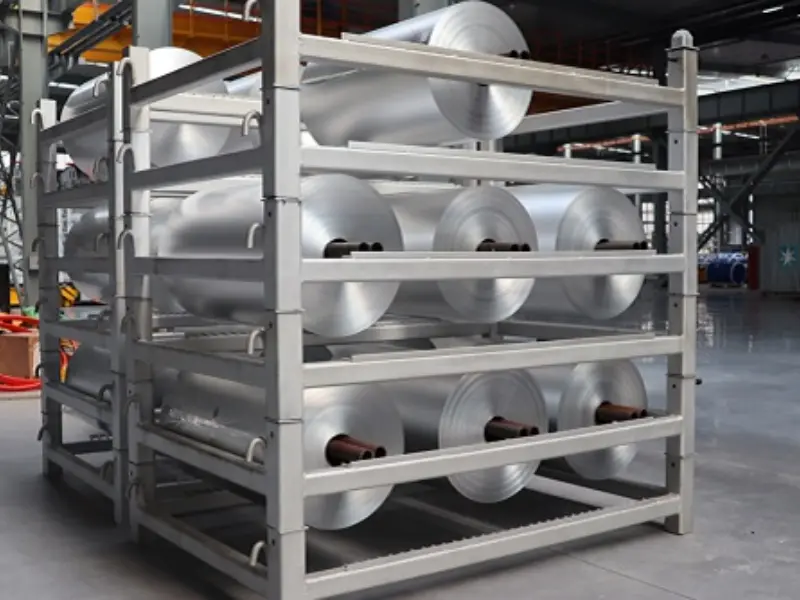
Core diameter and roll outer diameter can affect machine compatibility.
Choosing the Wrong Temper
A hard foil may not be suitable for deep forming.
A very soft foil may not provide enough strength.
Not Checking Surface Requirements
Some applications need clean, bright, matte, coated, or embossed foil.
Quick Selection Guide
For General Packaging
8011 → practical and widely used.
For Flexible Packaging
1235 / 8011 / 8079 → select according to forming and lamination needs.
For Insulation
8011 / 1235 → suitable options for many foil-faced systems.
For Cable Applications
1235 / 8011 → commonly considered depending on cable design.
For Heat Transfer
3003 → useful where strength and heat transfer performance have required.
For Pharmaceutical Packaging
8011 / 8079 → common options, with coating and laminate selected according to the packaging structure.
FAQ
Is industrial foil the same as household foil?
No. Household foil has mainly designed for consumer kitchen use. Industrial foil has manufactured for specific production applications and is available in more alloys, tempers, thicknesses, widths, and roll formats.
Can household aluminium foil be used for industrial applications?
It depends on the application, but household foil is generally not a direct replacement for industrial foil. Industrial production often requires specific thickness, width, temper, roll dimensions, and quality control.
What alloy is commonly used for industrial aluminium foil?
8011 is one of the most widely used choices. 1235, 8079, and 3003 have also used for specific applications.
What is the most common industrial foil thickness?
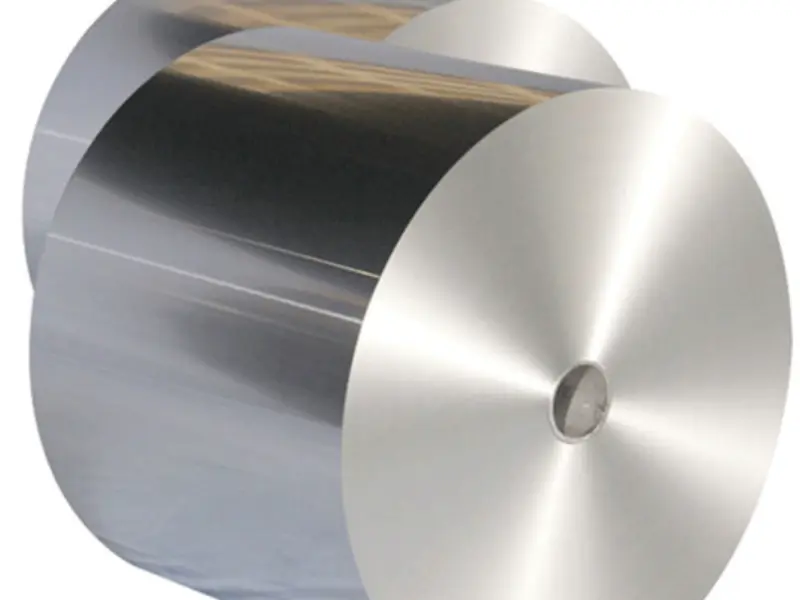
There is no single standard thickness. Industrial foil can range from very thin packaging foil to thicker products for insulation and industrial applications. The correct thickness depends on the final product.
What is 8011 aluminium foil used for?
8011 aluminium foil has applications for food packaging, pharmaceutical packaging, insulation, cable products, household foil, containers, and other industrial applications.
What is the difference between 8011 and 1235 foil?
8011 is a versatile industrial foil alloy with a wide range of applications. 1235 has high aluminium content and is commonly used for flexible packaging, electrical, and cable-related applications.
Is industrial foil available in jumbo rolls?
Yes. Jumbo rolls widely used by manufacturers that process aluminium foil through slitting, laminating, coating, forming, or other production equipment.
Can industrial foil be customized?
Yes. Industrial foil has customized in alloy, temper, thickness, width, roll ID, surface finish, and packaging.
What is the difference between bright and matte aluminium foil?
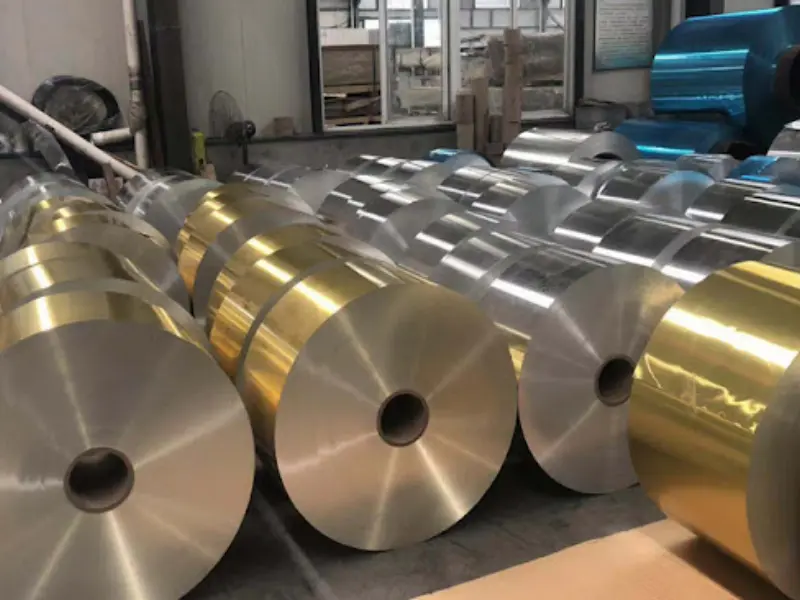
Bright foil has a more reflective surface. Matte foil has a less reflective surface and can be suitable for laminating or coating.
Can aluminium foil be used for insulation?
Yes. Aluminium foil has widely used as a facing or reflective layer in insulation systems. It has combined with fiberglass, mineral wool, PE foam, kraft paper, or other materials.
Is thicker industrial foil always better?
No. The correct thickness depends on the application. A thicker foil may provide greater strength, but it can also increase weight and cost.
What information should I provide when buying industrial foil?
Provide the alloy, temper, thickness, width, roll ID, surface, quantity, application, and packaging requirements. This allows the supplier to recommend a suitable product and provide a more accurate quotation.
Industrial Foil or Household Foil: Which One Should You Buy?
The answer depends on your purpose.
For home cooking → choose household foil.
For food packaging production → choose industrial food-grade foil.
With insulation → choose industrial insulation foil.
For pharmaceutical packaging → choose pharmaceutical-grade industrial foil.
With cable production → choose cable foil.
For high-volume production → choose jumbo industrial foil rolls.
For custom production → specify alloy + temper + thickness + width + roll size.
The main advantage of industrial foil is flexibility in specification. Manufacturers can choose a material that fits their equipment and final product.
Final Buying Checklist
Before placing an order, check these points:
Application
Alloy
Temper
Thickness
Width
Roll ID
Surface
Edge condition
Pinhole requirement
Quantity
Packaging
Applicable standard
Inspection requirements
A clear specification can reduce production problems and make supplier comparison easier.
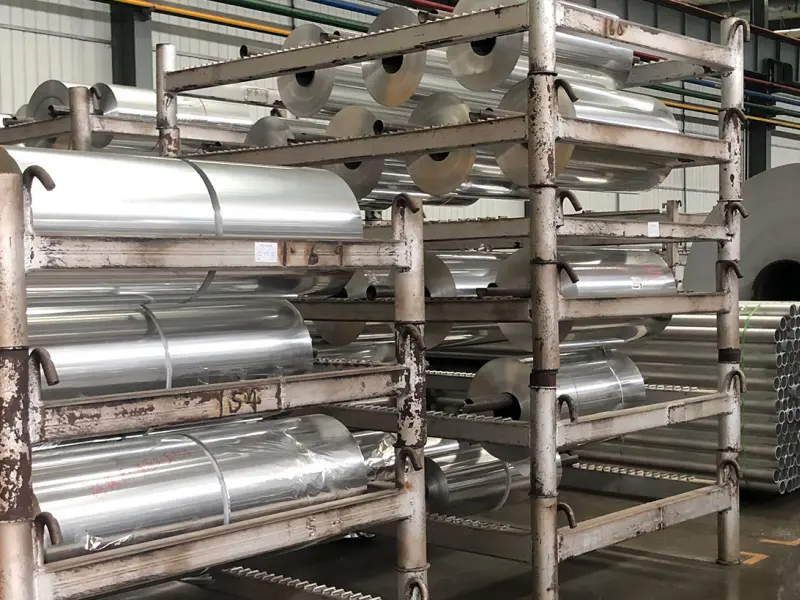
Industrial foil and household foil serve different markets. Household foil focuses on convenience. Industrial foil focuses on performance, consistency, and production efficiency.
For manufacturers, the best foil is not simply the cheapest or thickest option. It is the material that matches the production process and final application.

Leave a Comment
You must be logged in to post a comment.