When you buy a bar of chocolate, a bag of coffee, or a pack of medicine, you often see a silver lining.
This is aluminum foil for packaging. It is one of the most versatile materials in the world. It protects products from light, oxygen, and moisture.
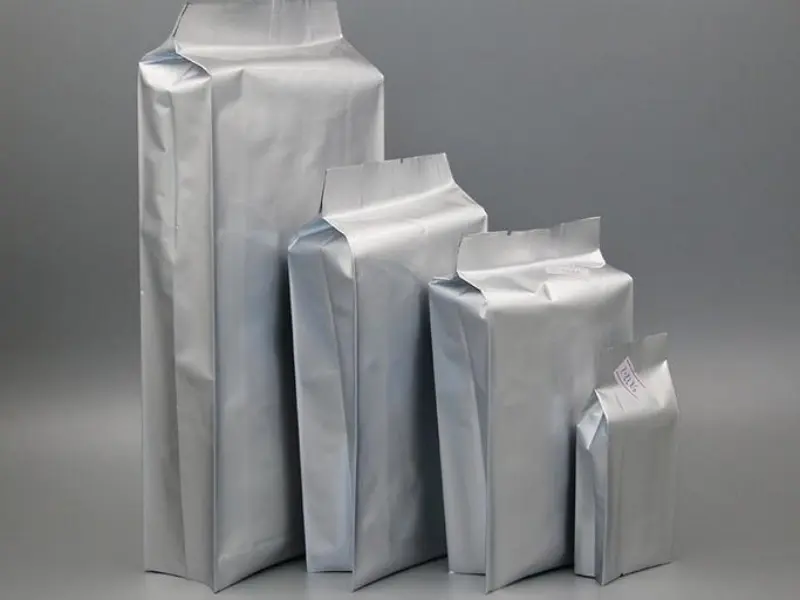
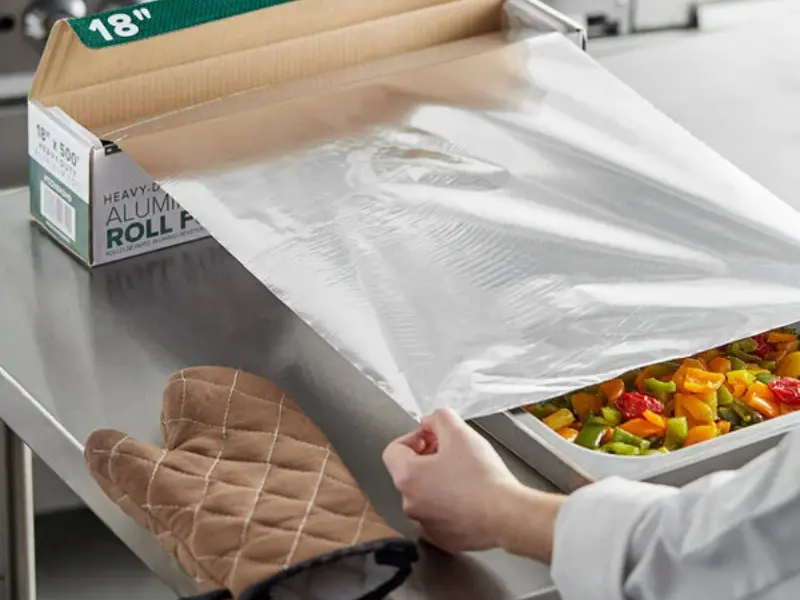
Why Use Aluminum Foil for Packaging?
Aluminum foil is a “total barrier.” This means nothing can pass through it. Unlike plastic, it stops all light and air. This keeps food fresh for a very long time. It also keeps medicine safe and effective.
Recyclability: Aluminum can be recycled forever without losing quality.
Weight: It is very light, which reduces shipping costs.
Safety: It is non-toxic and safe for direct contact with food.
Heat Resistance: It can handle high temperatures during sterilization.
Technical Specifications: Alloys and States
Not all foil is the same. Manufacturers use different “alloys” to make the foil stronger or more flexible.
Popular Aluminum Alloys for Packaging
| Alloy Type | Main Features | Common Use |
|---|---|---|
| Alloy 8011 | High strength, very clean surface | Medicine, food containers, milk caps |
| Alloy 1235 | High aluminum content (99.35%) | Flexible packaging, cigarette liners |
| Alloy 8079 | High elongation and strength | Aseptic packaging (liquid cartons) |
| Alloy 3003 | Very strong and rigid | Semi-rigid food containers, trays |
The State of the Metal (Temper)
The “temper” describes how soft or hard the foil is.
- O (Soft): This is the most common for aluminum foil for packaging. It is easy to wrap around objects.
- H18 (Hard): This is stiff and strong. It is often used for “blister packs” (pills) because it is easy to push the pill through the hard foil.
Aluminum Foil Sizes
Different industries require different foil sizes.
Standard Aluminum Foil Sizes
| Thickness | Common Applications |
|---|---|
| 0.006mm | Household foil |
| 0.009mm | Food wrapping |
| 0.015mm | Container foil |
| 0.02mm | Pharmaceutical packaging |
| 0.03mm | Industrial packaging |
Common Width Options
| Width | Applications |
|---|---|
| 200mm | Kitchen foil |
| 300mm | Household rolls |
| 450mm | Catering foil |
| 1000mm | Industrial packaging |
| 1200mm | Laminated packaging |
Custom width and length are also available.
Aluminium Foil Packaging Material
Why Aluminum Foil Is Popular in Packaging
Aluminum foil has many advantages.
Excellent Barrier Protection
Foil blocks:
- Air
- Moisture
- Light
- Odor
This keeps products fresh longer.
Lightweight Material
Aluminum foil is very light. It reduces transportation cost.
Heat Resistance
Many food containers use foil because it performs well at high temperatures.
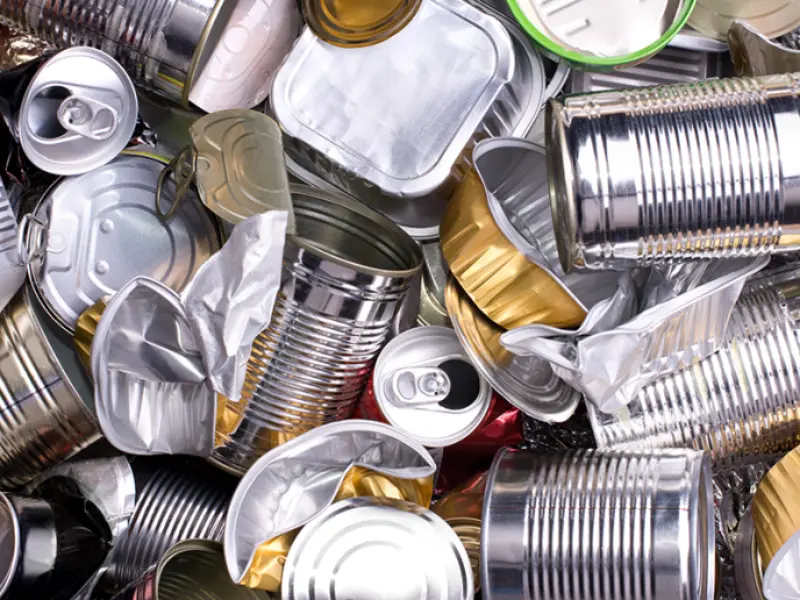
Recyclable Material
Aluminum foil can be recycled. This helps reduce environmental impact.
Aluminium Foil Packaging for Food
Food packaging is one of the largest applications.
Common Food Packaging Uses
Snack Packaging
Used for:
- Potato chips
- Coffee
- Candy
- Chocolate
Dairy Packaging
Foil protects:
- Butter
- Cheese
- Yogurt lids
Frozen Food Packaging
Aluminum foil works well in low temperatures.
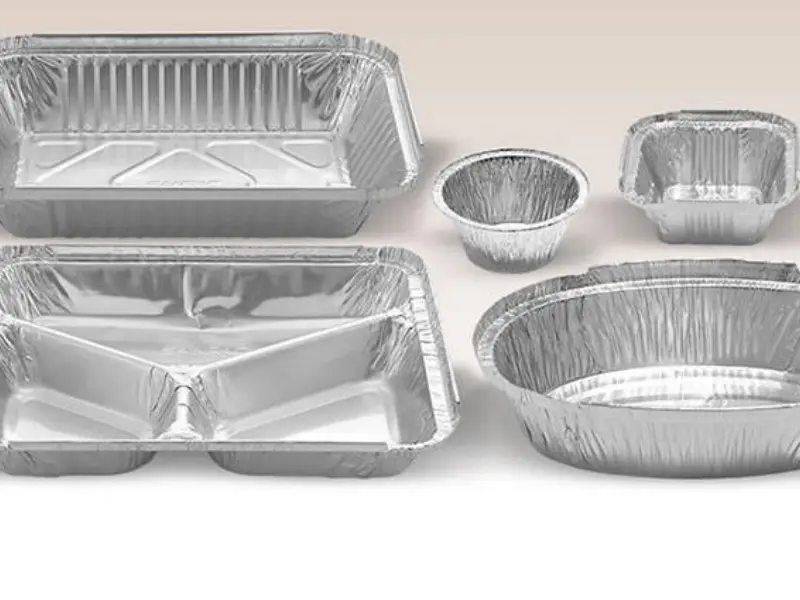
Takeaway Food Containers
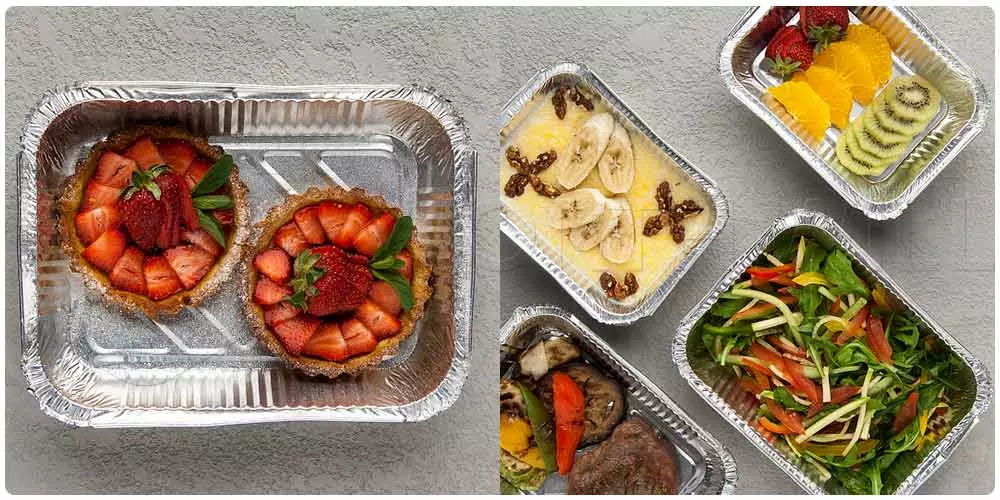
Foil trays are popular because they are:
- Lightweight
- Disposable
- Heat resistant
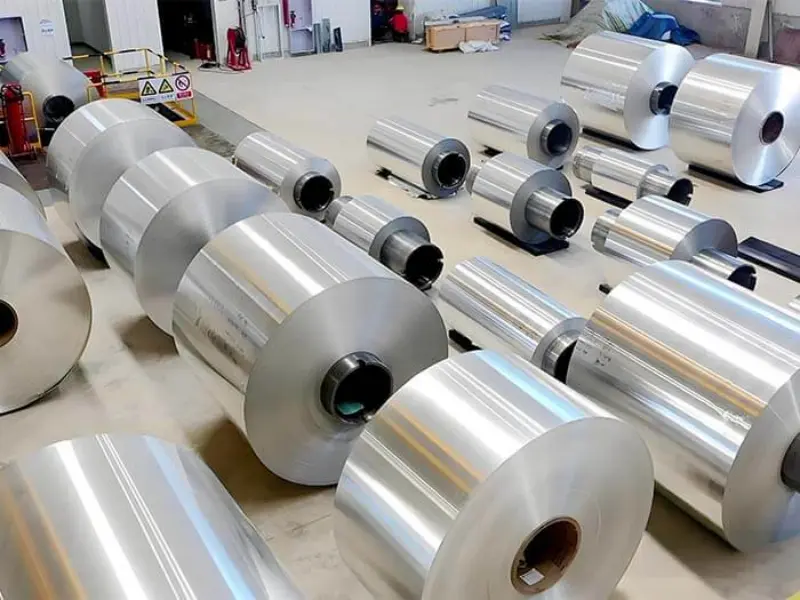
Many people search for:
Aluminum Foil Paper
Aluminum Foil Paper
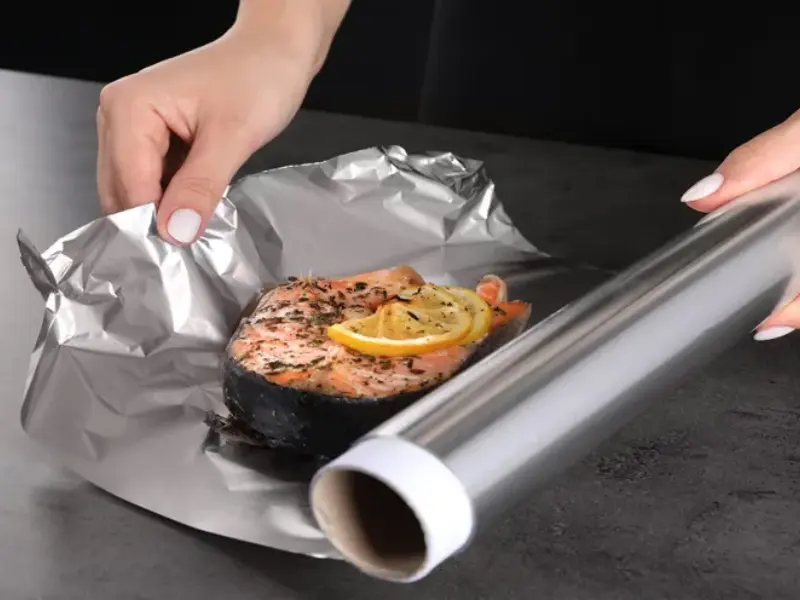
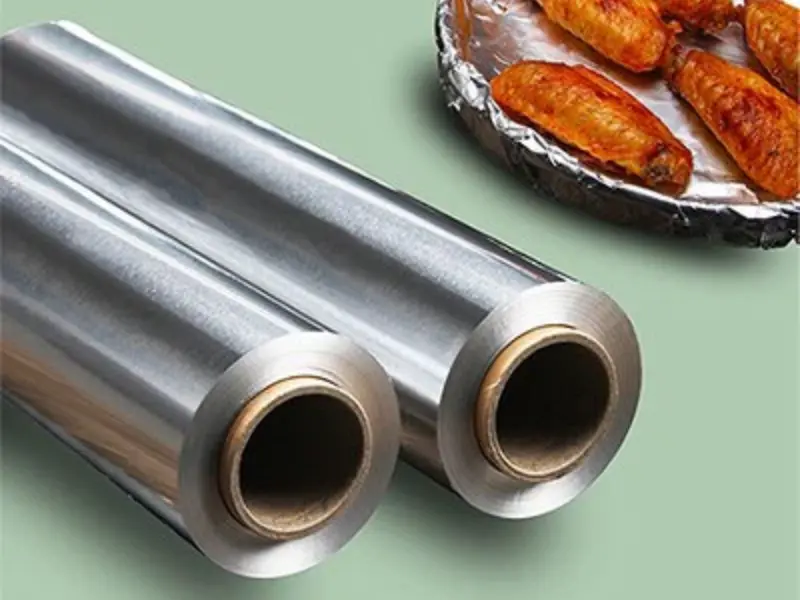
This usually refers to thin household aluminum foil rolls used in kitchens.
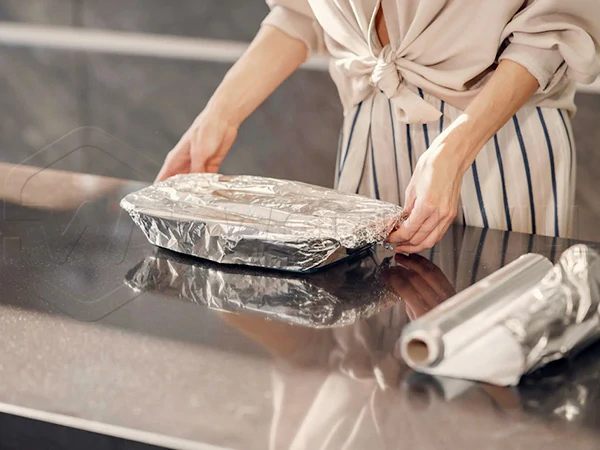
Household Applications
Freezing food
Food wrapping
BBQ cooking
Baking
Digital Specifications: Sizes and Measurements
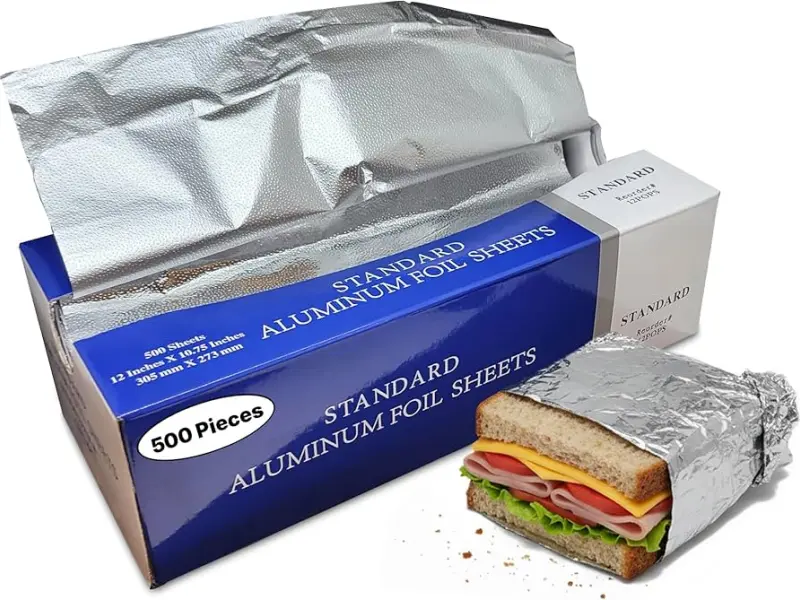
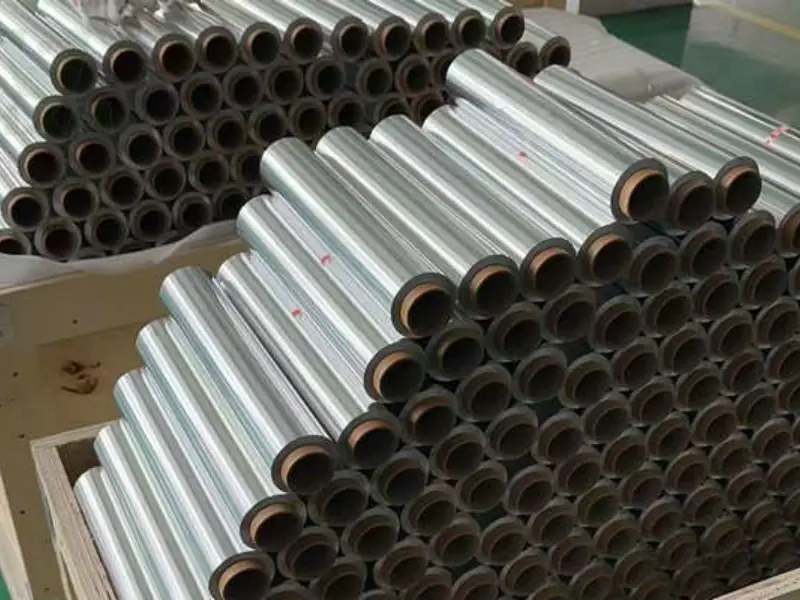
We provide foil in many different thicknesses and widths to suit your factory machines.
| Property | Standard Range | Custom Range |
|---|---|---|
| Thickness (Microns) | 6.0μm to 50.0μm | Up to 200.0μm |
| Width (mm) | 200mm to 1600mm | Precision slitting available |
| Core ID (mm) | 76mm or 152mm | Steel or Aluminum cores |
| Surface Finish | One side bright, one side matte | Both sides bright |
What Is Aluminum Foil Used For?
Main Applications of Aluminum Foil
Food Industry
- Flexible packaging
- Container foil
- Cooking foil
Pharmaceutical Industry
Foil is used for:
- Blister packaging
- Medicine sealing
- Pharmaceutical pouches
Industrial Insulation
Thicker foil is used for:
- Pipe insulation
- HVAC systems
- Thermal barriers
Electronic Industry
Used in:
Electronic shielding
Capacitors
Cable wrapping
Different Types of Packaging Foil Products
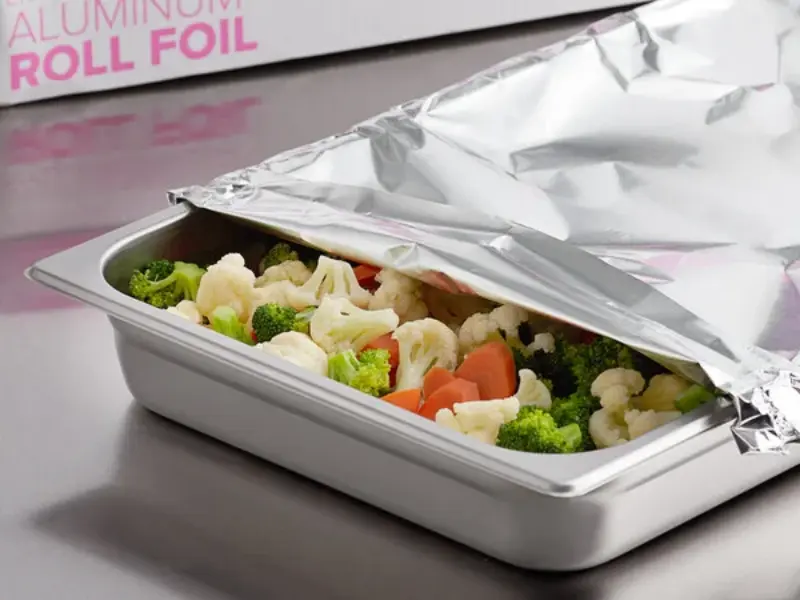
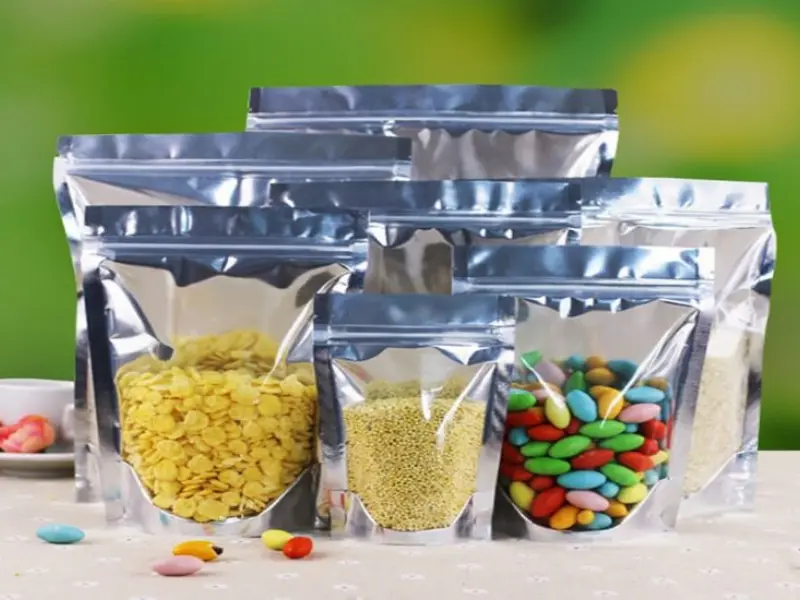
Depending on your industry, you may need a specific type of aluminum foil for packaging.
1. Flexible Packaging Foil
This foil is usually very thin, between 6.0μm and 9.0μm. It is laminated with plastic or paper. You see this in coffee bags, snack pouches, and juice boxes. It provides the “barrier” while the plastic provides the strength.
2. Pharmaceutical Blister Foil
This is a thicker, harder foil. It is usually coated with a heat-seal lacquer on one side. This allows it to stick to the plastic tray that holds your pills. It protects medicine from humidity.
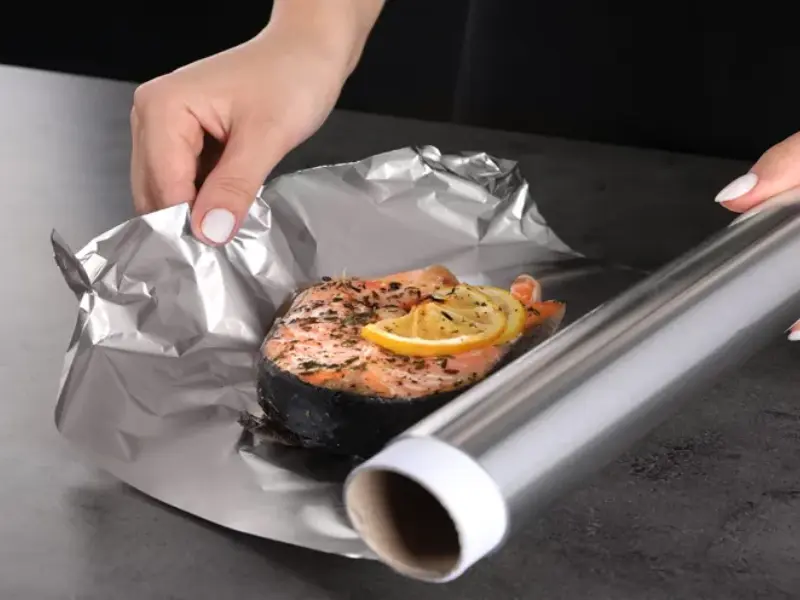
3. Household Aluminum Foil
This is the foil people use in their kitchens. It is usually between 10.0μm and 18.0μm thick. It is great for cooking, wrapping leftovers, and grilling.
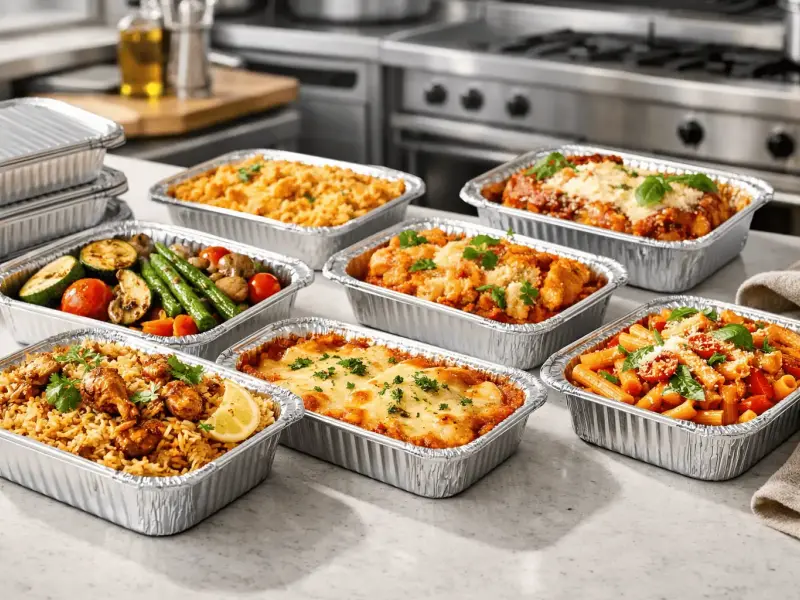
4. Container Foil (Semi-Rigid)
This foil is much thicker, usually 40.0μm to 100.0μm. It is used to make the trays for airline meals or takeout food. It can be put directly into the oven.
5. Chocolate and Candy Foil
This foil is often very soft and decorative. It can be embossed with patterns or colored with beautiful dyes. It keeps the chocolate’s oils inside and prevents the bar from melting or blooming.
Comparison: Aluminum Foil vs. Plastic vs. Paper
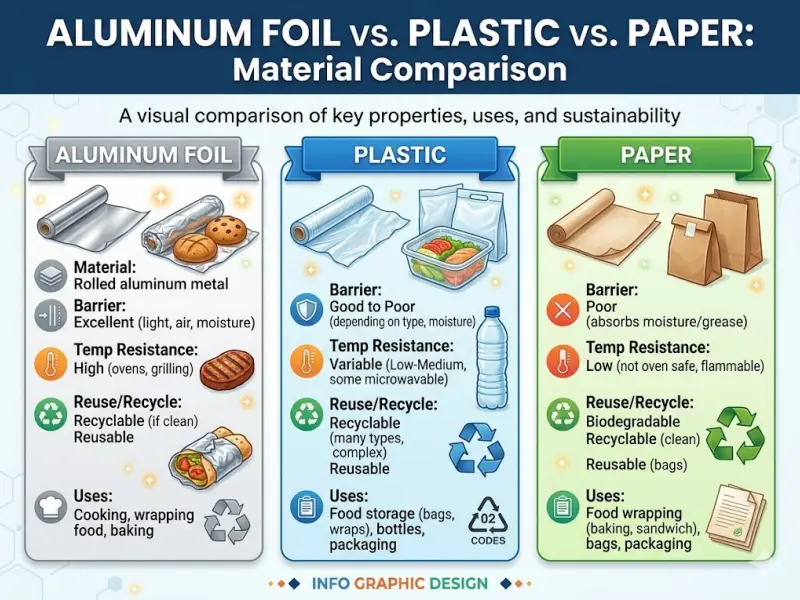
Why choose aluminum foil for packaging over other materials? Let’s look at the numbers.
| Feature | Aluminum Foil | Plastic Film (PET/PE) | Wax Paper |
|---|---|---|---|
| Light Barrier | 100% (Total) | Low to Medium | Low |
| Moisture Barrier | Excellent | Variable | Poor |
| Heat Resistance | Up to 600∘C | Low (Melts easily) | Moderate |
| Recyclability | Very Easy | Difficult | Easy |
| Odor Protection | Total (Keeps scent in) | Poor (Smell leaks out) | Moderate |
Main Application Areas
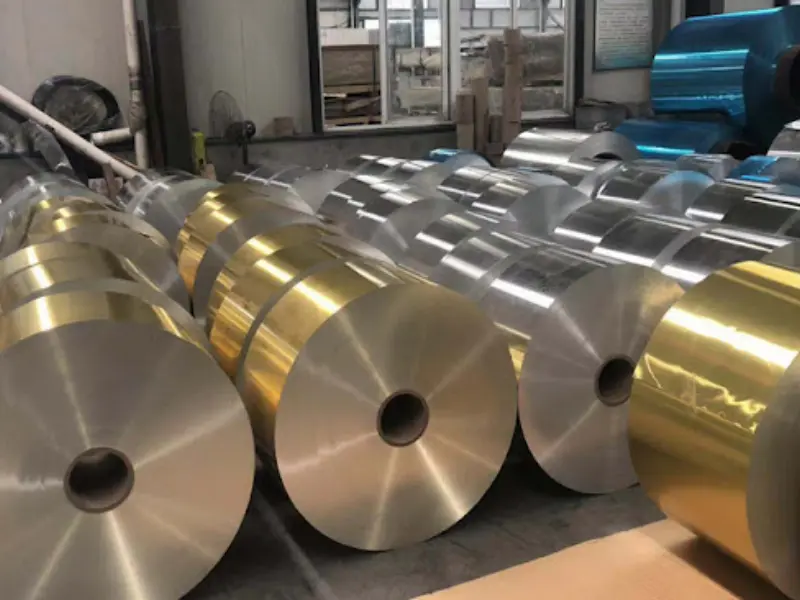
Food and Beverage Industry
- Coffee and Tea: To keep the aroma fresh.
- Dairy: Lids for yogurt cups and butter wraps.
- Confectionery: Wrapping for chocolate bars and gum.
- Beverages: The inner lining of wine boxes or juice cartons.
Pharmaceutical and Healthcare
- Pill Packs: Blister foils for tablets.
- Sachets: For powders and liquid medicines.
- Medical Devices: Sterile wrapping for surgical tools.
Industrial and Household
- Home Use: Baking, grilling, and storage.
- Hair Salons: High-quality foil for hair coloring.
- Electronics: Shielding cables from electromagnetic interference.
Key Quality Indicators for Buyers
When you order aluminum foil for packaging, check these three things:
- Pinholes: Very thin foil can have tiny holes. High-quality foil has almost zero pinholes. This ensures the barrier is perfect.
- Surface Tension: The surface must be clean and oil-free. If there is too much oil, the glue or ink will not stick to the foil during lamination.
- Wettability: We test the foil to ensure it is “Grade A.” This means it has a very high surface energy, making it perfect for printing.
Types of Aluminum Foil Packaging
Household Foil
Thin and flexible foil for daily use.
Container Foil
Used for food trays and takeaway boxes.
Common Thickness
| Thickness | Typical Use |
|---|---|
| 0.05mm | Light food trays |
| 0.07mm | Airline containers |
| 0.09mm | Heavy-duty trays |
Pharmaceutical Foil
High barrier foil for medicine packaging.
Laminated Packaging Foil
Used with plastic or paper layers.
Applications
- Coffee bags
- Pet food bags
- Beverage packaging
Aluminum Foil Health Risks
Many buyers ask about:
Aluminum Foil Health Risks
Normal use of food-grade aluminum foil is generally considered safe.
However, very high heat and acidic foods may increase aluminum transfer during cooking.
Tips for Safe Use
- Avoid direct contact with acidic foods at high temperature
- Use food-grade foil
- Do not reuse damaged foil many times
Food packaging foil follows industrial safety standards.
Aluminum Foil vs Tin Foil
Many people compare these materials.
Aluminum Foil vs Tin Foil
| Item | Aluminum Foil | Tin Foil |
|---|---|---|
| Material | Aluminum | Tin |
| Flexibility | Better | Lower |
| Cost | Lower | Higher |
| Common Today | Yes | Rare |
| Corrosion Resistance | Good | Medium |
Today, most products called “tin foil” are actually aluminum foil.
Surface Types of Packaging Foil
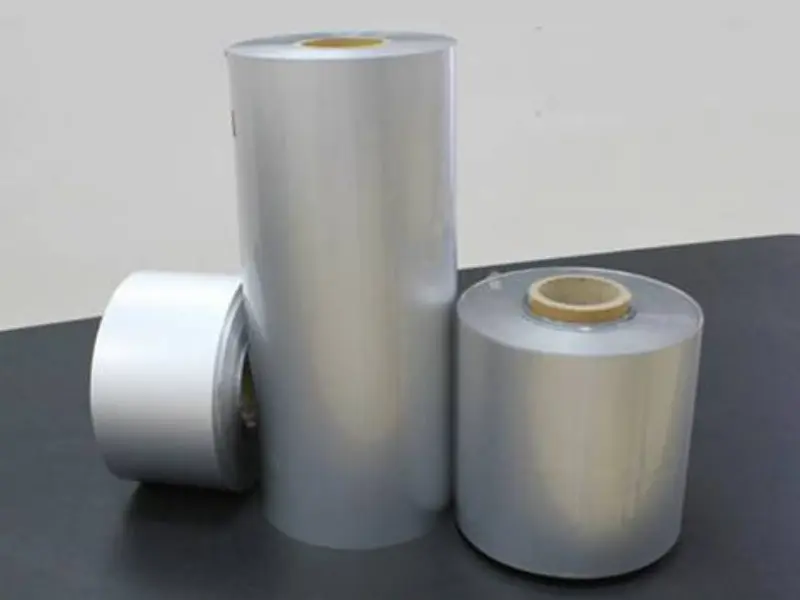
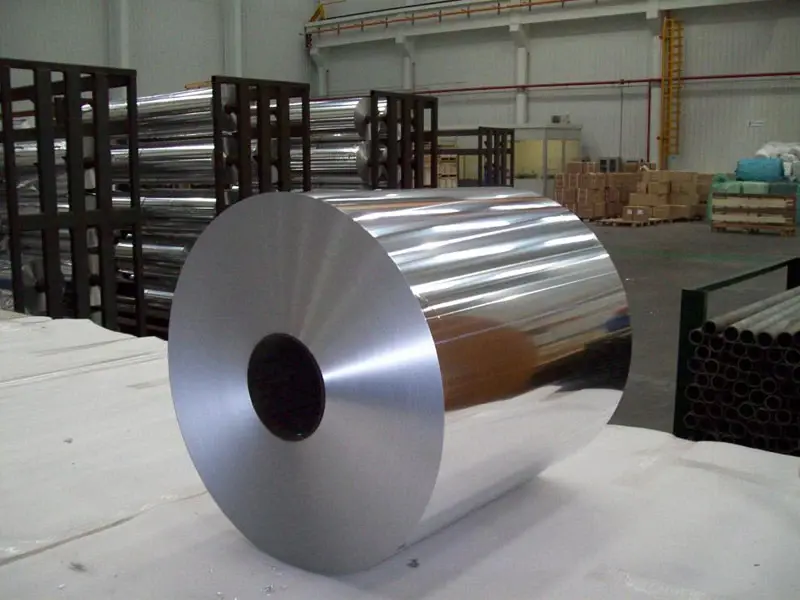
Plain Aluminum Foil
Standard bright surface.
Coated Aluminum Foil
Used for heat sealing and printing.
Embossed Aluminum Foil
Used for decorative or special packaging.
Aluminum Foil for Pharmaceutical Packaging
Pharmaceutical foil requires:
- High cleanliness
- Strong barrier protection
- Precise thickness tolerance
Common Alloys
| Alloy | Features |
|---|---|
| 8011 | Blister foil |
| 8079 | Flexible packaging |
| 8021 | Cold forming foil |
Aluminum Foil for Flexible Packaging
Flexible packaging foil is used in:
- Coffee bags
- Retort pouches
- Vacuum packaging
Benefits
- Lightweight
- Good sealing
- Long shelf life
Why Choose Aluminum Foil Packaging?
Main Benefits
Better Product Protection
Foil prevents contamination.
Long Shelf Life
Packaging remains fresh longer.
Attractive Appearance
Printed foil improves product branding.
Easy Processing
Foil can be:
- Printed
- Laminated
- Embossed
- Coated
Aluminum Foil Applications by Industry
| Industry | Applications |
|---|---|
| Food | Wrapping and containers |
| Pharmaceutical | Blister packs |
| Electronics | Cable shielding |
| HVAC | Insulation foil |
| Household | Kitchen foil |
| Packaging | Flexible pouches |
Aluminum Foil Packaging Trends
Modern packaging now focuses on:
- Sustainable materials
- Lightweight packaging
- Recyclable foil
- High barrier protection
Thin aluminum foil helps reduce packaging waste.
Why Choose WORTHWILL ALUMINUM?
WORTHWILL ALUMINUM supplies:
- Household foil
- Packaging foil
- Container foil
- Pharmaceutical foil
- Laminated foil
Available Services
- Custom thickness
- Slitting service
- Printing support
- OEM production
- Export packaging
Frequently Asked Questions
Is Aluminum Foil Safe for Food?
Yes. Food-grade aluminum foil is widely used worldwide.
What Alloy Is Used for Packaging Foil?
1235 and 8011 are the most common alloys.
Can Aluminum Foil Be Recycled?
Yes. Aluminum foil is recyclable.
What Thickness Is Used for Food Packaging?
Usually from 0.006mm to 0.03mm depending on application.
Is aluminum foil for packaging safe for acidic foods?
For very acidic foods (like lemons or tomatoes), it is best to use foil that has a plastic coating or lacquer. This prevents the acid from reacting with the metal.
How thin can packaging foil be?
The thinnest foil used for flexible packaging is about 6.0μm. This is much thinner than a human hair!
Is your foil “Food Grade”?
Yes. All aluminum foil for packaging produced for the food industry follows strict hygiene standards and is FDA-approved.