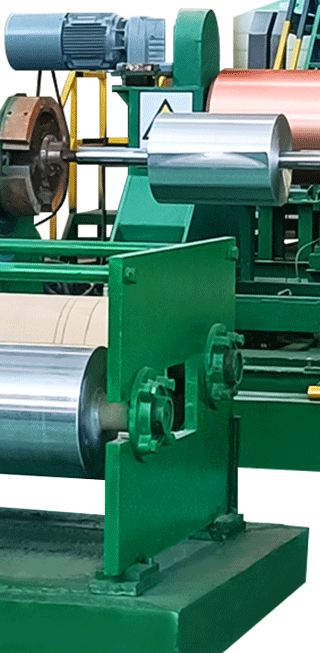
With Lithium Battery Foil. A sourcing and specification reference for battery manufacturers, EV engineers, and energy storage procurement teams — covering alloy grades, thickness ranges, surface requirements, mechanical properties, and real-world battery applications.
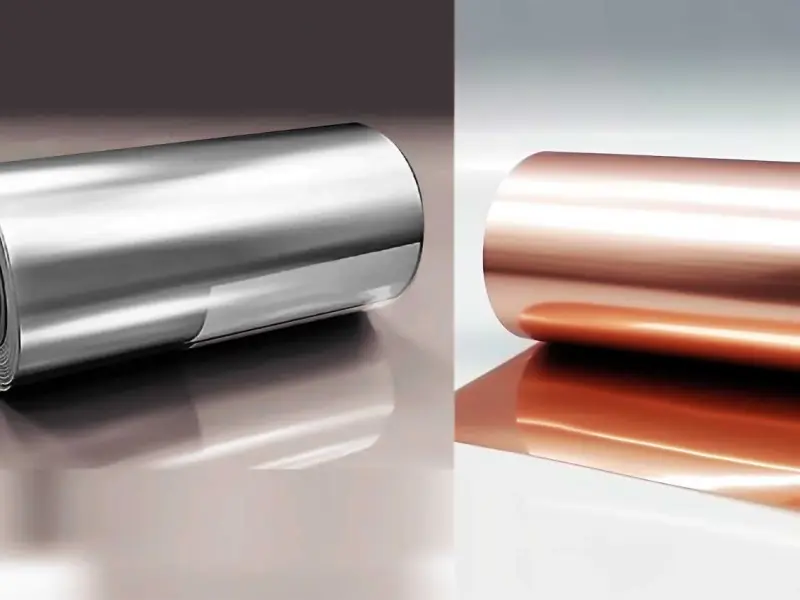
Why Aluminum Foil Matters Inside a Lithium Battery
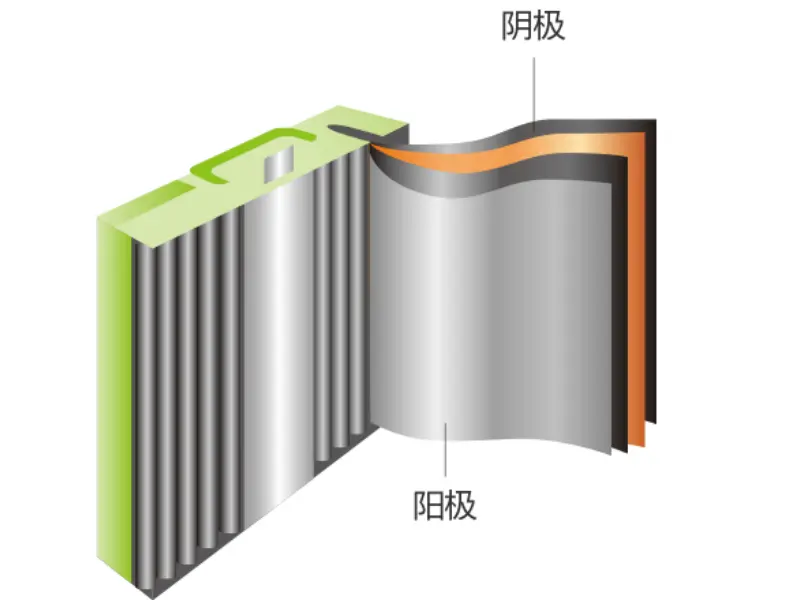
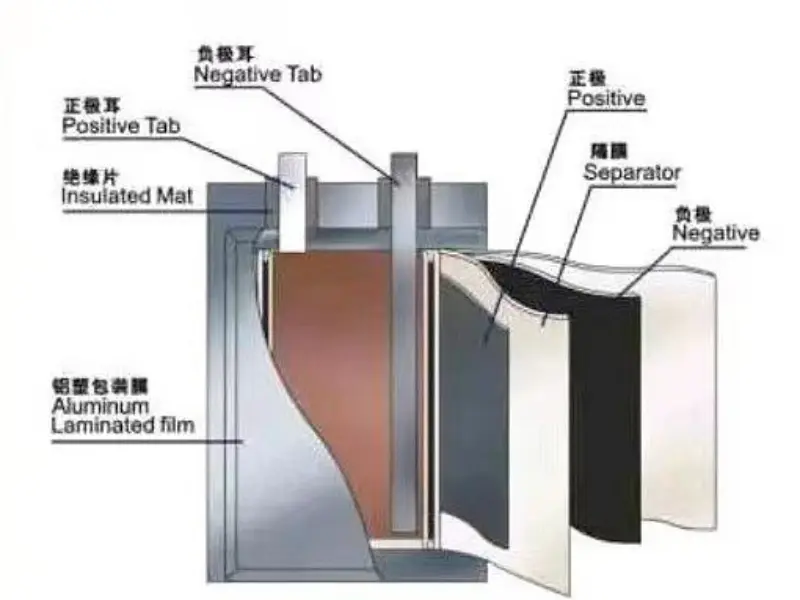
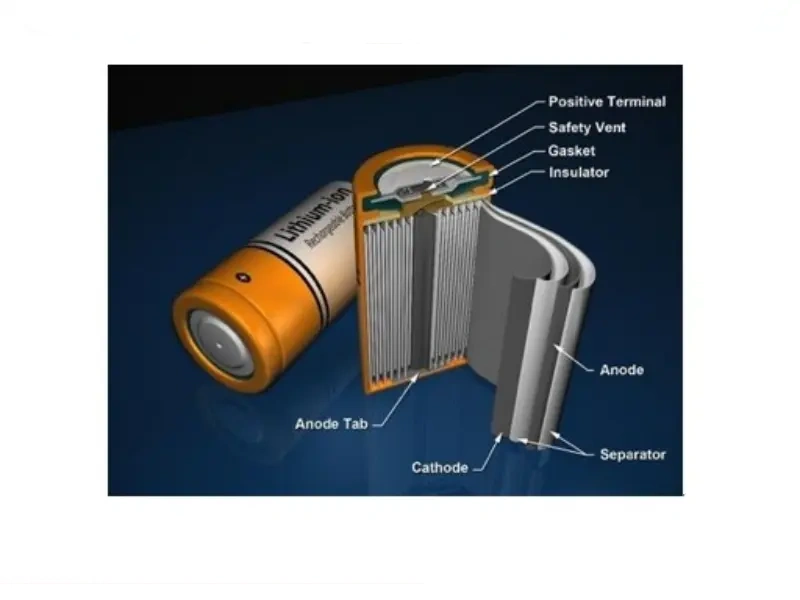
Inside every lithium-ion cell, a thin strip of aluminum foil serves as the positive electrode current collector. It carries electrical current from the active cathode material to the external circuit. Without it, the cell does not work.
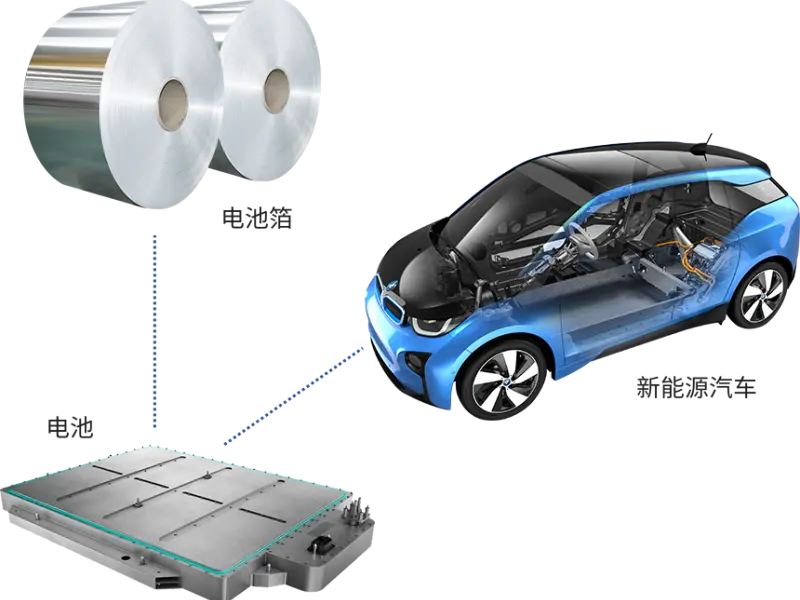
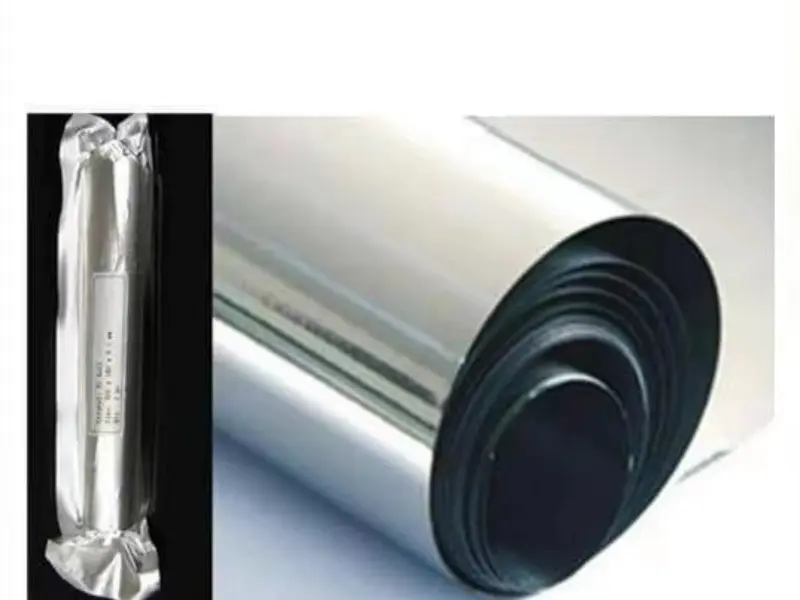
The foil must be extremely thin to save weight and increase energy density. It must be flat and pinhole-free so the coating layer bonds evenly. It must be strong enough to survive the slitting, coating, and winding process without tearing.
Getting the foil specification right has a direct impact on cell performance, manufacturing yield, and battery cycle life.
Core Specifications at a Glance
| Parameter | Range |
|---|---|
| Alloy | 1235 / 1060 / 1070 |
| Temper | O / H18 / H22 |
| Thickness | 0.012 – 0.020 mm (12 – 20 µm) |
| Width | 420 – 1250 mm |
| Tensile strength | 50 – 180 MPa (varies by alloy + temper) |
| Elongation | 1.5 – 25% (varies by temper) |
| Pinhole count | < 1 per m² (premium grade) |
| Surface wettability | Contact angle < 5° (after cleaning) |
| Core diameter | 76 mm (standard) / 152 mm |
| Roll weight | 50 – 300 kg |
Alloy Breakdown — 1235, 1060, and 1070 Compared
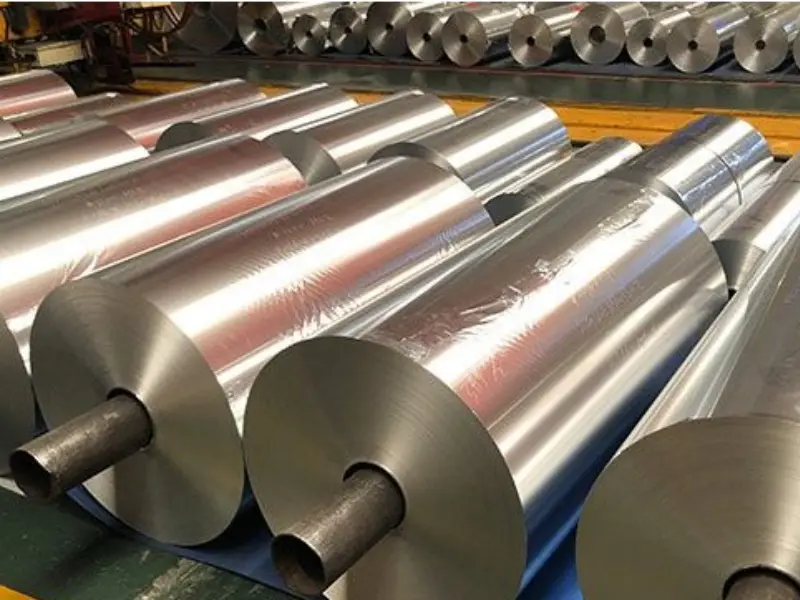
All three alloys are high-purity aluminum. They contain at least 99% aluminum with very low levels of iron, silicon, copper, and other elements. Small differences in composition create meaningful differences in rolling performance, surface quality, and electrical conductivity.
Full Alloy Comparison
| Property | 1235 | 1060 | 1070 |
|---|---|---|---|
| Al content (min.) | 99.35% | 99.60% | 99.70% |
| Fe + Si limit | Slightly higher | Lower | Lowest |
| Electrical conductivity (% IACS) | ~59 | ~61 | ~62 |
| Tensile strength (H18) | 155 – 185 MPa | 130 – 165 MPa | 120 – 155 MPa |
| Elongation (H18) | 1.5 – 3.0% | 1.5 – 3.0% | 1.5 – 3.0% |
| Pinhole resistance | Good | Very Good | Excellent |
| Rollability to thin gauge | Good | Very Good | Excellent |
| Cost level | $ | $$ | $$$ |
1235 Lithium Battery Foil— The Established Standard
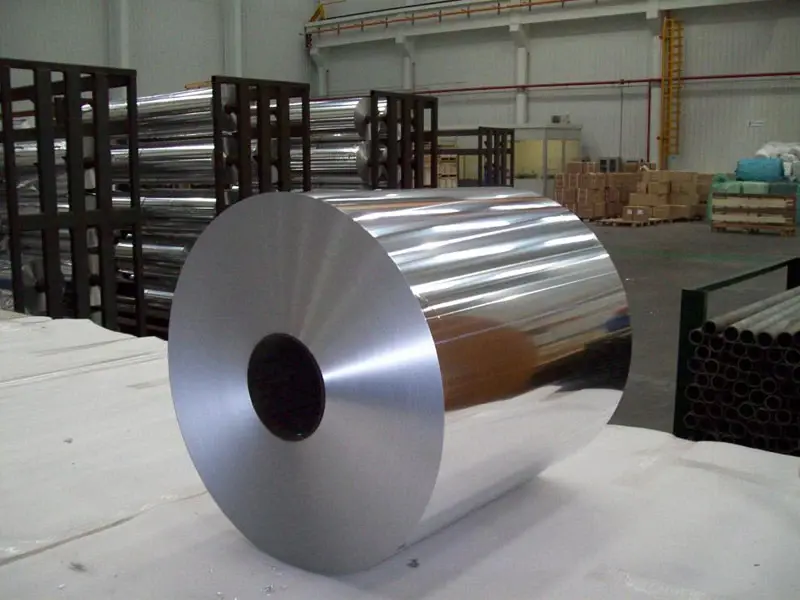
1235 has been the default alloy for lithium battery foil for over a decade. It is slightly less pure than 1060 or 1070 but still meets the requirements for most consumer electronics and standard EV battery cells. It is the most cost-effective option and the easiest to source globally.
The slightly higher iron and silicon content gives 1235 marginally better strength at thin gauges. This makes it easier to handle on high-speed coating lines without tearing.
1060 Lithium Battery Foil— The Mid-Range Balance
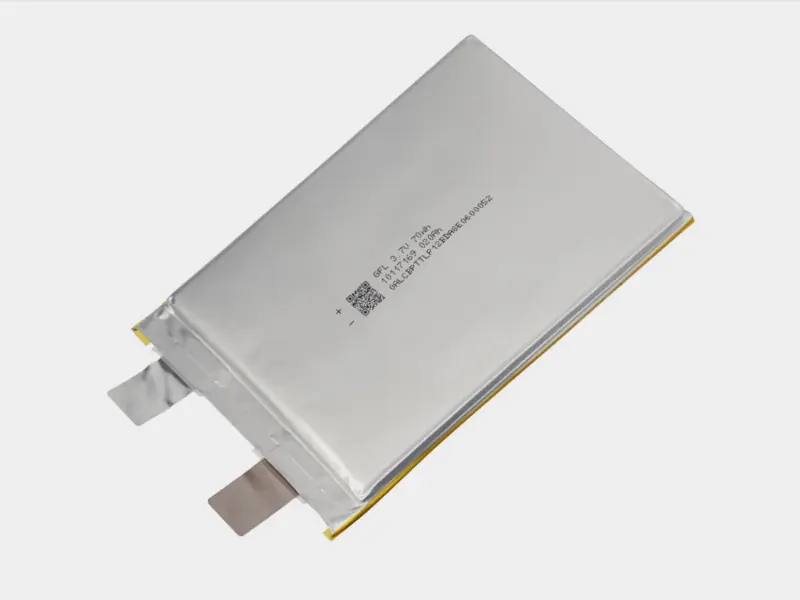
1060 offers a step up in purity and electrical conductivity without the significant cost premium of 1070. It rolls more consistently to thin gauges and produces a cleaner surface after rolling. Most mid-to-premium battery manufacturers now specify 1060 as their baseline over 1235.
At 14–16 µm thickness, 1060 gives fewer rolling defects and a more uniform thickness tolerance compared to 1235. For high-energy-density cells where coating thickness consistency matters, 1060 is the better choice.
1070 Lithium Battery Foil— For High-Performance and Next-Generation Cells
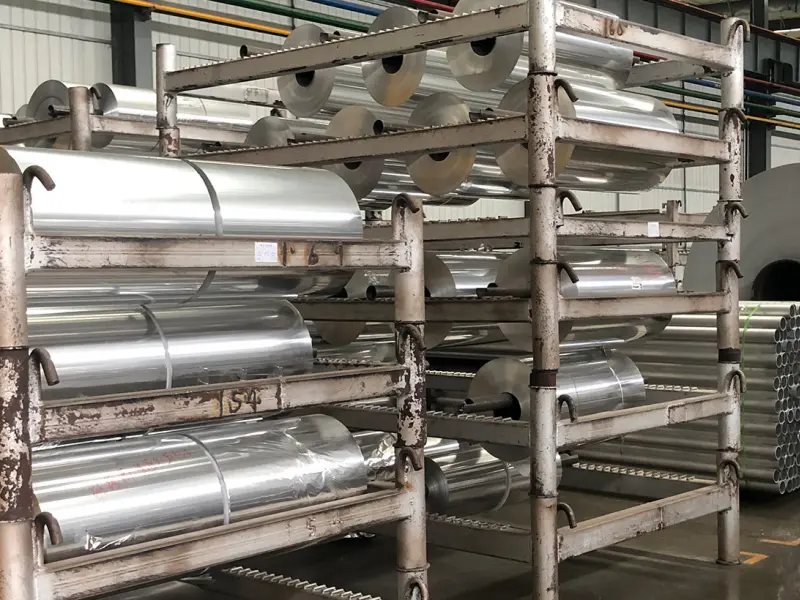
1070 has the highest purity of the three alloys. The very low iron and silicon content allows rolling to 12–13 µm with pinhole counts below 0.5 per m². This is important for solid-state batteries and next-generation high-energy cells where foil thickness is being pushed to the minimum.
Higher electrical conductivity reduces internal resistance marginally. This matters in high-rate discharge applications — power tools, fast-charging EVs, and grid storage where charge and discharge cycles are rapid.
Temper Options — Matching Hardness to the Manufacturing Process
| Temper | Condition | Tensile Strength | Elongation | Best Use Case |
|---|---|---|---|---|
| O | Fully annealed | 50 – 80 MPa | 15 – 25% | Pouch cells, soft-pack batteries (requires winding flexibility) |
| H18 | Full hard | 130 – 185 MPa | 1.5 – 3.0% | Cylindrical and prismatic cells (standard for most battery lines) |
| H22 | Quarter hard | 85 – 120 MPa | 5 – 10% | Applications needing a balance of strength and formability |
| H14 | Half hard | 100 – 140 MPa | 3 – 6% | Specialty applications, some pouch cell formats |
H18 Lithium Battery Foil— The Battery Industry Default
H18 is the standard temper for lithium battery current collector foil. Full work hardening gives maximum tensile strength. The foil resists tearing during high-speed slitting and coating. It maintains flatness under tension on the coating machine.
O Temper Lithium Battery Foil— When Flexibility Matters
Fully annealed foil is much softer. It is used when the cell design requires the foil to deform or conform — some pouch cell formats and flexible battery designs. O temper foil is harder to handle on automated lines because it has less stiffness.
Lithium Battery Foil Thickness in Detail — 0.012 to 0.020 mm
The thickness range 0.012–0.020 mm (12–20 µm) covers all mainstream lithium battery formats. Each step has a different impact on cell performance and manufacturing difficulty.
Thickness vs. Cell Type
| Thickness (µm) | Cell Format | Energy Density Impact | Manufacturing Difficulty | Alloy Recommendation |
|---|---|---|---|---|
| 12 | Next-gen cylindrical / solid-state | Highest | Very High | 1070 |
| 13 | Premium EV cylindrical (4680 format) | Very High | High | 1070 / 1060 |
| 14 | EV prismatic, premium pouch | High | High | 1060 |
| 15 | Standard EV cylindrical (18650, 21700) | Good | Moderate | 1060 / 1235 |
| 16 | EV prismatic, energy storage | Good | Moderate | 1235 / 1060 |
| 18 | Consumer electronics, LFP cells | Standard | Low | 1235 |
| 20 | Entry-level cells, low-cost storage | Standard | Lowest | 1235 |
Why Thinner Is Not Always Better
Going thinner increases energy density — less foil weight per cell means more active material can fit in the same volume. But thinner foil has higher pinhole risk, lower tensile strength, and requires more precise rolling and handling equipment.
A 12 µm foil needs a better-controlled rolling mill, cleaner slitting equipment, and slower coating line speeds than a 20 µm foil. The yield loss from tears and defects also increases as thickness decreases.
Width Range — 420 to 1250 mm
The width specification 420–1250 mm covers the full range from narrow slit rolls to full-width master rolls.
| Width Range (mm) | Supply Form | Typical Use |
|---|---|---|
| 420 – 500 | Slit roll | Small cylindrical cells, R&D lines |
| 500 – 700 | Slit roll | Medium-format cylindrical cells |
| 700 – 900 | Slit roll | Prismatic cell coating lines |
| 900 – 1100 | Master roll / slit | Large pouch cells, wide-format prismatic |
| 1100 – 1250 | Master roll | Wide-format cells, high-output coating machines |
Most battery manufacturers buy master rolls at 1000–1250 mm wide and slit them in-house to the exact width their coating equipment requires. Smaller operations buy pre-slit rolls at the finished width to avoid the cost of a slitting line.
Surface Quality — What Matters Most for Battery Performance
Surface quality has a direct impact on cathode coating adhesion and cell performance. Poor surface quality leads to uneven coating, poor active material adhesion, and early capacity fade.
Key Surface Parameters
| Parameter | Specification | Why It Matters |
|---|---|---|
| Pinhole count | < 1 per m² (standard) / < 0.5 per m² (premium) | Pinholes cause local coating defects and short-circuit risk |
| Surface roughness (Ra) | 0.1 – 0.4 µm | Affects coating adhesion and active layer uniformity |
| Wettability (contact angle) | < 5° after solvent wipe | Poor wettability causes coating beading and voids |
| Oil residue | < 3 mg/m² | Excess rolling oil inhibits slurry adhesion |
| Surface oxidation | Controlled | Heavy oxide reduces conductivity at current collector interface |
| Thickness tolerance | ±1.5% (standard) / ±1.0% (premium) | Inconsistent thickness causes uneven electrode density |
Double-Sided vs. Single-Sided Coating Compatibility
Most battery foil is coated on both sides with cathode slurry. The surface treatment must be uniform on both faces. Rolled foil naturally has a shiny side (in contact with the roll) and a matte side (in contact with the previous layer). Premium battery foil specifies matched surface roughness on both faces to ensure consistent coating on each side.
Product Types — Different Formats for Different Battery Lines
Standard Slit Roll
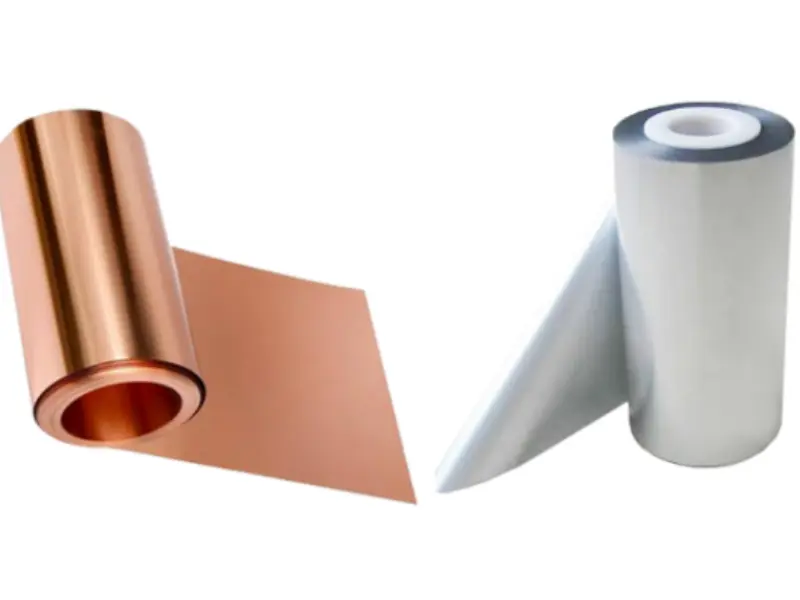
The most common format. Master roll slit to a specified width with precision edges. Supplied on a 76 mm core. Width tolerance ±0.5 mm. Edge quality is critical — burrs on the slit edge can puncture the separator inside the cell.
Ultra-Thin Premium Roll (12–14 µm)
Produced on precision rolling mills with tighter gauge control. Pinhole specification is more stringent (< 0.5 per m²). Supplied with enhanced surface cleanliness documentation. Used for 4680-format cylindrical cells, solid-state battery development, and high-energy-density pouch cells.
Annealed (O Temper) Roll
Foil processed through a final annealing step after rolling. Soft and flexible. Used for pouch cell formats and flexible battery applications. Requires more careful handling to avoid surface marks during transit and unwinding.
Wide Master Roll
Supplied at full rolling width — 1000–1250 mm. Requires in-house slitting. Lower cost per kg than pre-slit rolls. Used by large battery manufacturers with their own slitting lines. Minimum order is typically 3,000–5,000 kg per alloy-temper combination.
Coated Foil (Carbon or Ceramic Coated)
A thin carbon or ceramic functional layer is applied to the aluminum surface before delivery. This improves adhesion of the active cathode slurry and reduces interfacial resistance. More expensive but reduces a processing step at the battery factory.
| Coating Type | Thickness | Benefit | Cost Premium |
|---|---|---|---|
| Carbon coating | 0.5 – 2 µm | Better slurry adhesion, lower contact resistance | 15 – 30% |
| Ceramic (Al₂O₃) | 0.5 – 1.5 µm | Higher temperature stability, improved safety | 20 – 40% |
| Conductive primer | 1 – 3 µm | Bridges surface oxidation, improves conductivity | 10 – 20% |
Perforated Foil
Small holes punched through the foil in a regular pattern. Used in some battery designs to improve electrolyte wetting and ion transport through the electrode stack. Hole diameter typically 0.1–0.5 mm. Less common in mainstream production but growing in use for thick electrode designs.
Foil Type Comparison — At a Glance
| Type | Thickness (µm) | Alloy | Temper | Typical Cell | Key Advantage |
|---|---|---|---|---|---|
| Standard commercial | 18 – 20 | 1235 | H18 | Consumer electronics, LFP | Lowest cost, easy to process |
| Mid-grade EV foil | 15 – 16 | 1235 / 1060 | H18 | EV cylindrical, prismatic | Good balance of cost and performance |
| Premium EV foil | 13 – 15 | 1060 | H18 | EV prismatic, high-energy pouch | Low pinhole, tight tolerance |
| Ultra-thin foil | 12 – 13 | 1070 | H18 | 4680, solid-state, next-gen | Maximum energy density |
| Soft / annealed | 15 – 18 | 1235 / 1060 | O | Pouch, flexible battery | High flexibility, formability |
| Carbon-coated | 15 – 16 | 1060 | H18 | Premium EV, fast-charge | Lower interfacial resistance |
| Perforated | 15 – 20 | 1235 | H18 | Thick electrode designs | Improved electrolyte wetting |
Where Lithium Battery Foil Is Used
Electric Vehicles (EV)
Formula E and motorsport battery modules
Passenger car traction battery packs (NMC, LFP chemistry)
Commercial vehicle and bus battery systems
Motorcycle and scooter battery packs
Electric aircraft and aviation battery systems
Consumer Electronics
- Smartphone and tablet lithium-ion cells
- Laptop and portable computer batteries
- Wireless earbuds and wearable device cells
- Power banks and portable chargers
- Digital camera battery packs
Energy Storage Systems (ESS)
- Grid-scale battery storage installations
- Commercial and industrial peak-shaving systems
- Residential solar battery storage (home ESS)
- Uninterruptible power supply (UPS) systems
- Telecom tower backup power
Power Tools & Industrial
- Cordless drill and power tool battery packs
- Robotic and automated guided vehicle (AGV) batteries
- Medical device and equipment batteries
- Drone and UAV power systems
- Marine electric propulsion batteries
Application vs. Recommended Foil Specification
| Application | Alloy | Thickness (µm) | Temper | Key Requirement |
|---|---|---|---|---|
| Consumer electronics | 1235 | 18 – 20 | H18 | Low cost, standard quality |
| LFP energy storage | 1235 / 1060 | 16 – 18 | H18 | Consistent flatness, low pinhole |
| EV cylindrical (18650 / 21700) | 1060 | 15 – 16 | H18 | Tight thickness tolerance |
| EV cylindrical (4680 format) | 1070 / 1060 | 12 – 14 | H18 | Ultra-thin, very low pinhole |
| EV prismatic cell | 1060 | 14 – 16 | H18 | Wide format, uniform surface |
| Pouch cell | 1060 / 1235 | 15 – 18 | O / H18 | Surface cleanliness, edge quality |
| Solid-state battery (dev.) | 1070 | 12 – 13 | H18 | Lowest pinhole, highest purity |
| Fast-charge EV | 1060 / 1070 | 13 – 15 | H18 | High conductivity, carbon coat option |
| Grid ESS | 1235 | 16 – 20 | H18 | Cost efficiency, consistent quality |
What to Check When Sourcing Battery Foil
Quality consistency matters more for battery foil than for most aluminum products. A single bad roll in a production run can cause thousands of defective cells.
Thickness Tolerance
Standard tolerance is ±1.5% of nominal. Premium battery-grade foil is ±1.0%. Ask for incoming inspection data — not just mill certificates.
Pinhole Testing
Pinhole count should be tested on every production roll using a light-transmission or electrolytic pinhole detector. Specify maximum pinholes per m² in your purchase order.
Surface Cleanliness
Oil residue should be below 3 mg/m². Ask for a surface wettability test result. Poor cleanliness is a common cause of coating adhesion failures that only appear after cell assembly.
Edge Quality
Slit edge burr height should be below 0.02 mm. Burrs above this level can penetrate the separator and cause internal short circuits. Ask for edge quality inspection data.
Roll Consistency
Thickness should be consistent not just across the width but also from the start of the roll to the end. Some mills show good average thickness but have end-of-roll gauge variation. Request longitudinal thickness profile data for critical applications.
Frequently Asked Questions
What is the difference between 1235, 1060, and 1070 battery foil?
Purity and Conductivity The main difference is aluminum purity. 1070 (≥99.70% Al) is the purest, followed by 1060 (≥99.60%), then 1235 (≥99.35%). Higher purity gives slightly better electrical conductivity and allows rolling to thinner gauges with fewer pinholes.
Practical Choice 1235 suits standard consumer and entry-level EV cells. 1060 is the right choice for most mainstream EV battery production. 1070 is specified for ultra-thin foil, next-generation cells, and applications where every milligram of weight and every milliohm of resistance matters.
Why is H18 the standard temper for battery foil?
Strength on the Production Line H18 (full hard) gives the highest tensile strength. This allows the foil to run at high speed on coating, winding, and slitting equipment without tearing. A softer temper would stretch and tear under the tension of a high-speed coating line.
Flatness H18 foil holds its flatness better than softer tempers. Flat foil coats evenly. Wavy or buckled foil causes uneven coating thickness, which reduces cell performance.
What thickness of foil is used in EV batteries?
Current Mainstream Most EV battery cells currently use foil in the 14–16 µm range. 18650 and 21700 cylindrical cells typically use 15–16 µm. Prismatic cells for EVs commonly use 14–16 µm.
The Direction of Travel EV battery makers are pushing toward thinner foil — 12–14 µm — to increase energy density. The 4680 cylindrical format uses 12–13 µm foil. This requires 1070 alloy and premium rolling capability.
What causes pinholes in aluminum battery foil?
Rolling Process Causes Pinholes in thin aluminum foil are caused by hard particles (intermetallic compounds, oxide inclusions) in the melt that punch through the foil during rolling. Cleaner melt practice and higher purity alloys (1060, 1070) reduce hard particle count and therefore reduce pinholes.
How to Minimize Pinholes Specify a premium-grade alloy (1060 or 1070). Ask for pinhole test data for each production roll. Require the supplier to use a filtered melt and control rolling lubricant cleanliness. Do not use foil that has been stored incorrectly — surface oxidation increases rolling defect risk on re-rolling.
Can battery foil be supplied pre-slit to exact width?
Yes — Standard Practice Most suppliers offer pre-slit rolls to exact customer width. Typical width tolerance is ±0.5 mm for standard grade and ±0.3 mm for premium battery grade. Edge burr height should be specified and tested.
Minimum Order for Pre-Slit Pre-slit rolls typically carry a minimum order of 500–1,000 kg per width. Narrower slit widths generate more scrap edge trim, which increases cost per usable kilogram.
What is the shelf life of aluminum battery foil before use?
Storage Conditions Foil should be stored in a dry, temperature-controlled environment (15–30°C, RH < 60%). It should remain in its original moisture-barrier packaging until ready for use. Under these conditions, shelf life is typically 6–12 months.
What Degrades Foil in Storage Humidity causes surface oxidation, which reduces wettability and coating adhesion. Mechanical damage from stacking heavy objects on rolls causes surface marks that appear as coating defects. Temperature cycling causes the foil to expand and contract, potentially loosening the roll winding and causing telescoping.
Is aluminum foil used as both the anode and cathode current collector?
No — Aluminum Is the Cathode Only In a standard lithium-ion cell, aluminum foil is the positive (cathode) current collector. Copper foil is used as the negative (anode) current collector. Aluminum cannot be used at the anode because at low voltages it alloys with lithium, destroying the foil.
Solid-State Exception Some solid-state battery architectures under development use aluminum in modified anode configurations, but this is not in commercial production. For all mainstream lithium-ion and LFP cells, aluminum foil = cathode current collector only.