Aluminum Foil Thickness
Aluminum foil is a ubiquitous item found in almost every kitchen and used for various purposes, from cooking to food storage. One of the critical aspects of aluminum foil is its thickness, which plays a significant role in determining its suitability for specific applications.

The Basics of Aluminum Foil Thickness
Manufactured in various thicknesses, typically measured in micrometers or mils. The thickness of aluminum foil varies widely. And manufacturers produce different thicknesses to meet specific needs. The most common thicknesses of aluminum foil are as follows:

Standard Household Foil: The aluminum foil found in most kitchens, often used for wrapping food, baking, and storing leftovers, is typically around 10-15 microns (0.4-0.6 mils) thick.
This thickness strikes a balance between flexibility and strength, making it suitable for a variety of everyday applications.
Heavy-Duty Foil: Heavy-duty aluminum foil is thicker, usually around 18-25 microns (0.7-1 mil). This extra thickness provides enhanced durability, making it ideal for applications like grilling, baking in a campfire, or wrapping large roasts and turkeys.
Extra Heavy-Duty Foil: Extra heavy-duty aluminum foil, with a thickness of 30 microns (1.2 mils) or more. It is designed for the most demanding applications. It can withstand high temperatures, prolonged exposure to heat. And often used in commercial kitchens and industrial settings.
Impact on Cooking and Baking
The thickness of aluminum foil is a crucial factor in cooking and baking. Thinner foils are more pliable, which makes them suitable for wrapping and sealing food. Thicker foils, on the other hand, are better at withstanding high temperatures, which is essential for grilling, broiling, and other intense cooking methods.
Wrapping and Covering: Standard household foil is ideal for wrapping sandwiches. There covers dishes. And sealing in the freshness of leftovers. Its flexibility allows for easy shaping and folding.
Baking and Roasting: Heavy-duty foil is preferred for applications. Like baking or roasting because it can withstand higher temperatures without tearing or melting. It’s an excellent choice for creating foil packets or wrapping large cuts of meat.
Grilling and Broiling: Extra heavy-duty foil is best for grilling and broiling as it can endure the intense heat of open flames and grates. It prevents food from sticking and provides a protective barrier.
Non-Culinary Applications
Beyond the kitchen, the thickness of aluminum foil also plays a vital role in various non-culinary applications, including:
Insulation: Used in construction as a radiant barrier, reflecting heat away from homes and structures, improving energy efficiency.
Electronics: Used in electronics for applications such as capacitors and electromagnetic shielding.
Art and Crafts: Aluminum foil of various thicknesses is a favorite material for artists and crafters, allowing them to create a wide range of projects.
Choosing the Right Thickness
Selecting the right thickness of aluminum foil depends on the intended use. For everyday cooking and food storage, standard household foil is suitable. If you plan to use it for grilling, heavy-duty foil is your best bet. And for industrial or heavy-duty applications, extra heavy-duty foil is the way to go.
Factors
The thickness of aluminum foil is a critical factor that determines its performance and suitability for various applications.

Understanding the different thicknesses and their respective uses ensures that you can make the most of this versatile and indispensable kitchen and household item.
Whether you’re wrapping up a sandwich, roasting a turkey, or embarking on a creative craft project, the right thickness of aluminum foil makes the job easier and more efficient.
Aluminum Foil Thickness
Aluminum foil is used in many industries. It is found in food packaging, pharmaceutical packaging, household products, insulation, cables, air conditioning systems, and industrial materials. However, not all aluminum foil has the same thickness. Different applications need different foil thicknesses.
Choosing the right aluminum foil thickness is important. Thin foil is flexible and easy to fold. Thicker foil offers better strength and protection. The correct choice also depends on the alloy, temper, surface finish, and final use.
What Is Aluminum Foil Thickness?
Aluminum foil thickness refers to the distance between the two surfaces of the foil. It is normally measured in millimeters (mm), micrometers (μm), or millimeters with decimal values.
One millimeter equals 1,000 micrometers. For example, 0.01 mm is equal to 10 μm.
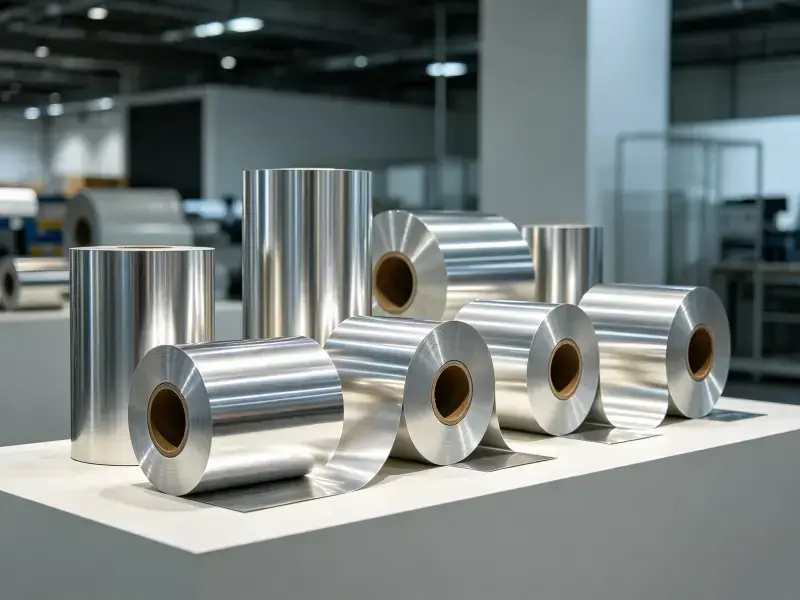
Aluminum foil is available in very thin and relatively thick forms. Thin foil is often used for flexible packaging. Medium and heavy foil is suitable for containers, insulation, cable wrapping, and industrial applications.
Common Aluminum Foil Thickness Units
| Unit | Equivalent |
|---|---|
| 1 mm | 1,000 μm |
| 0.1 mm | 100 μm |
| 0.05 mm | 50 μm |
| 0.02 mm | 20 μm |
| 0.01 mm | 10 μm |
| 0.006 mm | 6 μm |
For international orders, buyers should confirm the required unit before placing an order. A small difference in thickness can affect weight, flexibility, strength, and material cost.
Common Aluminum Foil Thickness Range
| Foil Thickness | Thickness in Microns | Typical Applications |
|---|---|---|
| 0.006 mm | 6 μm | Thin packaging and laminated materials |
| 0.008 mm | 8 μm | Flexible packaging |
| 0.009 mm | 9 μm | Household foil |
| 0.012 mm | 12 μm | Food packaging |
| 0.015 mm | 15 μm | Flexible packaging and wrapping |
| 0.018 mm | 18 μm | Food and pharmaceutical packaging |
| 0.020 mm | 20 μm | Household and packaging foil |
| 0.025 mm | 25 μm | Pharmaceutical and industrial packaging |
| 0.030 mm | 30 μm | Blister packaging and laminated foil |
| 0.040 mm | 40 μm | Industrial packaging |
| 0.050 mm | 50 μm | Cable and insulation materials |
| 0.080 mm | 80 μm | Heat insulation and industrial use |
| 0.100 mm | 100 μm | Container and industrial foil |
| 0.150 mm | 150 μm | Heavy-duty packaging |
| 0.200 mm | 200 μm | Industrial and technical applications |
These are common reference values, not fixed limits. Actual thickness ranges depend on the product type, alloy, production process, and customer requirements.
Aluminum Foil Types by Thickness
Different aluminum foil products have different thickness requirements. A household foil manufacturer may need thin and flexible material.
A pharmaceutical packaging producer may require controlled thickness and good barrier performance. Industrial buyers may need stronger foil for insulation or cable protection.
Thin Aluminum Foil: 0.006–0.015 mm
Thin aluminum foil is lightweight and flexible. It can be folded, laminated, and formed into different packaging structures.
Common products include:
- Flexible food packaging foil
- Chocolate and confectionery wrapping foil
- Laminated packaging foil
- Household wrapping foil
- Thin foil for composite materials
- Decorative packaging foil
Thin foil is often combined with paper, plastic film, or other materials. This helps improve packaging strength and product protection.
Medium Aluminum Foil: 0.016–0.050 mm
Medium-thickness foil offers a balance between flexibility and mechanical strength. It is suitable for many packaging and industrial applications.
Common products include:
- Pharmaceutical blister foil
- Aluminum lid foil
- Yogurt and dairy container foil
- Cable wrapping foil
- Food container foil
- Flexible duct foil
- Industrial laminated foil
This thickness range is useful when the final product needs better handling strength but still requires good forming performance.
Thick Aluminum Foil: 0.051–0.200 mm
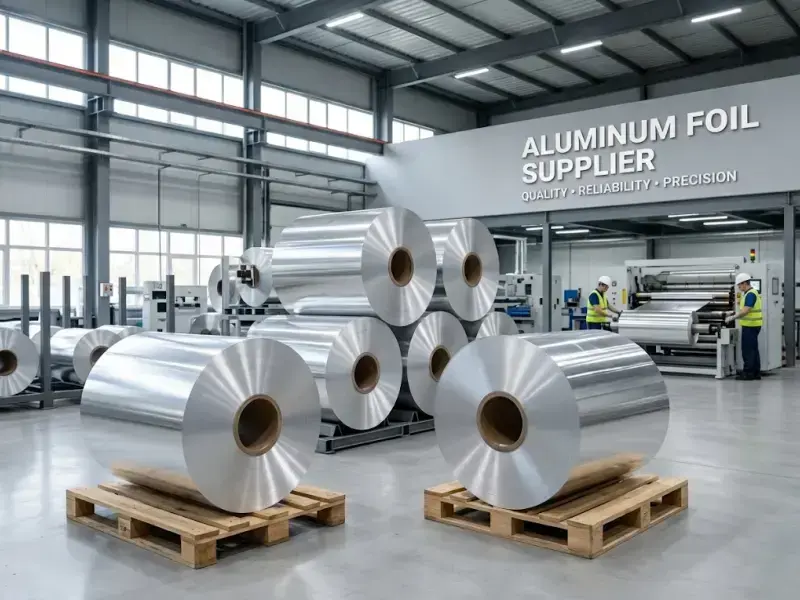
Thicker aluminum foil is more rigid and resistant to handling damage. It is used in applications that need stronger material or better structural support.
Common products include:
- Heavy-duty food container foil
- Industrial insulation foil
- Cable shielding foil
- Transformer and electrical materials
- Air conditioning components
- Technical aluminum foil
- Industrial packaging materials
Thicker foil may require different rolling and forming conditions. Buyers should confirm the required mechanical properties with the supplier.
Aluminum Foil Thickness for Different Applications
The correct thickness depends on the final product. The following sections show common applications and useful thickness references.
Household Aluminum Foil
Household aluminum foil is widely used in kitchens, restaurants, food processing, and catering services. It is easy to cut, fold, and wrap around food.
Common thickness options include:
| Thickness | Typical Use |
|---|---|
| 0.009 mm | Light household wrapping |
| 0.010 mm | General food wrapping |
| 0.012 mm | Kitchen and catering use |
| 0.015 mm | Stronger food wrapping |
| 0.020 mm | Heavy-duty household foil |
| 0.025 mm | Professional food service |
Household foil is commonly produced from 8011 or 1235 aluminum alloy. The O temper is widely used because it provides good flexibility and formability.
Typical applications:
- Wrapping sandwiches and snacks
- Covering food during storage
- Baking and roasting
- Restaurant food preparation
- Catering and takeaway packaging
- Freezer food protection
For heavy food wrapping, a thicker option may be more suitable. For general kitchen use, thinner foil can reduce material consumption.
Pharmaceutical Aluminum Foil

Pharmaceutical foil is used for blister packaging and other medicine packaging structures. It must meet strict requirements for thickness control, surface quality, and packaging performance.
Common thickness options include:
| Thickness | Microns | Typical Use |
|---|---|---|
| 0.020 mm | 20 μm | Pharmaceutical packaging structures |
| 0.023 mm | 23 μm | Blister packaging |
| 0.025 mm | 25 μm | PTP blister foil |
| 0.030 mm | 30 μm | Pharmaceutical packaging |
| 0.040 mm | 40 μm | Special packaging structures |
8011 and 8079 are common alloy choices for pharmaceutical foil. The exact alloy and temper depend on whether the material is used as hard foil, soft foil, or part of a laminated structure.
Typical applications:
- Tablet blister packaging
- Capsule packaging
- Medicine packaging lids
- Pharmaceutical laminated materials
- Medical product packaging
For blister foil, buyers should consider more than thickness. Pinholes, surface quality, coating compatibility, tensile strength, and sealing performance are also important.
Aluminum Foil for Food Containers
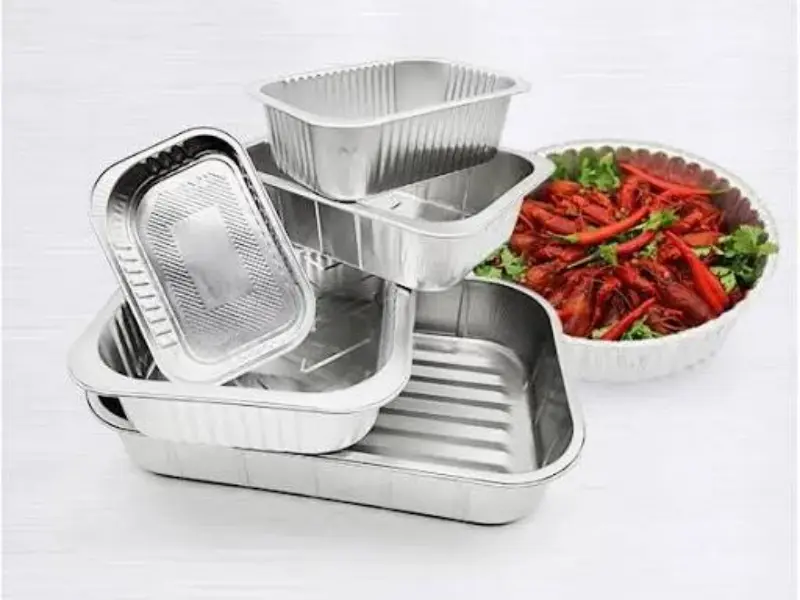
Food container foil is used to produce trays, takeaway boxes, baking containers, and catering packaging. It needs suitable strength and forming performance.
| Thickness | Typical Application |
|---|---|
| 0.040 mm | Light packaging structures |
| 0.050 mm | Small food containers |
| 0.060 mm | Disposable food trays |
| 0.070 mm | Medium-duty containers |
| 0.080 mm | Stronger food containers |
| 0.100 mm | Heavy-duty trays |
| 0.120–0.200 mm | Industrial and special containers |
3003 and 8011 are among the alloy options used for aluminum container products. The selected alloy depends on the forming process and container design.
Typical applications:
- Airline meal trays
- Takeaway food containers
- Baking trays
- Restaurant food boxes
- Ready-meal packaging
- Catering containers
A thicker material can improve rigidity, but it also increases material weight and cost. Container producers should test the final design before choosing a production specification.
Aluminum Foil for Cable Wrapping
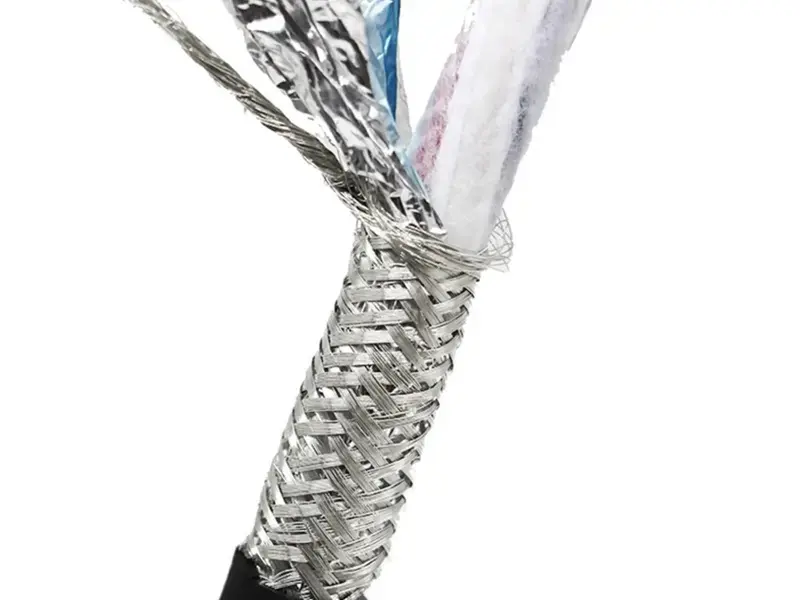
Cable foil is used in electrical and communication cables. It can provide shielding, separation, and protection when combined with suitable cable structures.
| Thickness | Typical Application |
|---|---|
| 0.020 mm | Thin laminated cable foil |
| 0.025 mm | Communication cable materials |
| 0.030 mm | Cable shielding |
| 0.040 mm | Electrical cable wrapping |
| 0.050 mm | Industrial cable applications |
| 0.080 mm | Special cable structures |
| 0.100 mm | Heavy-duty technical applications |
Common alloy options include 1235, 8011, and other grades selected according to the cable design.
Typical applications:
- Communication cables
- Coaxial cables
- Data transmission cables
- Power cable components
- Electrical shielding materials
- Cable insulation structures
The foil thickness should match the cable structure. Conductivity, flexibility, bonding performance, and resistance to cracking are also important.
Aluminum Foil for Air Conditioning and HVAC

Aluminum foil is used in air conditioning systems and heat exchange equipment. It can be processed into fin stock and other components.
| Thickness | Typical Product |
|---|---|
| 0.080 mm | Thin fin stock |
| 0.100 mm | Air conditioning fin material |
| 0.110 mm | Heat exchanger foil |
| 0.120 mm | HVAC fin stock |
| 0.150 mm | Stronger fin material |
| 0.200 mm | Special industrial components |
Common alloy choices include 1100, 1200, 3003, and other grades according to the required performance.
Typical applications:
- Air conditioner fins
- Heat exchanger components
- Refrigeration equipment
- Condenser and evaporator fins
- HVAC insulation materials
For fin stock, thickness consistency is important. Surface cleanliness, corrosion resistance, and forming performance should also be considered.
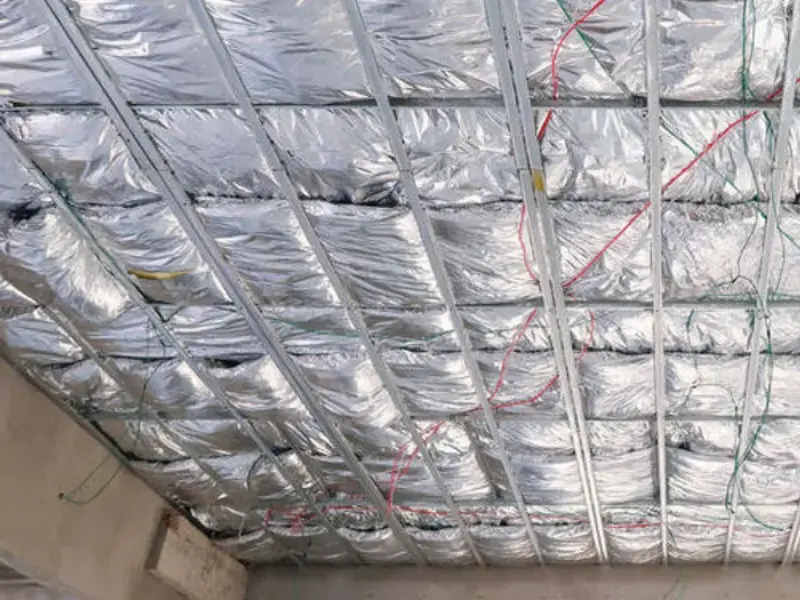
Aluminum Foil for Insulation
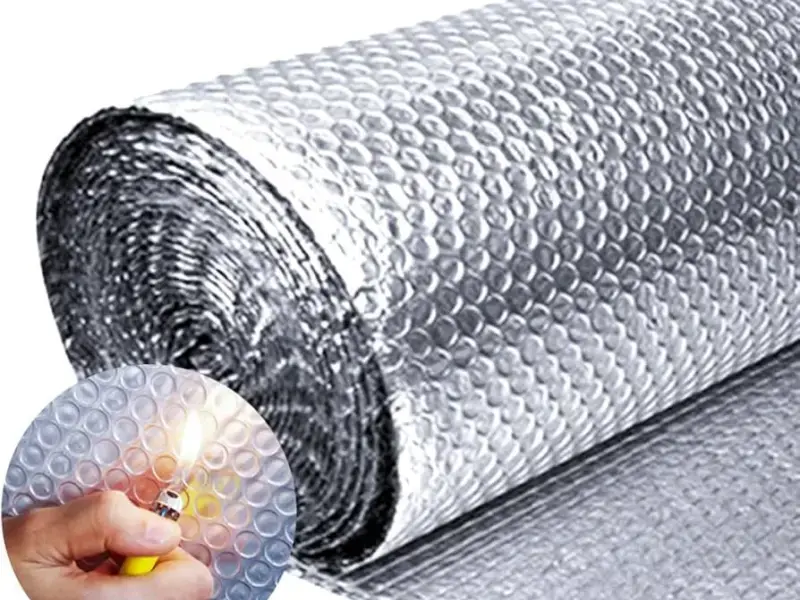
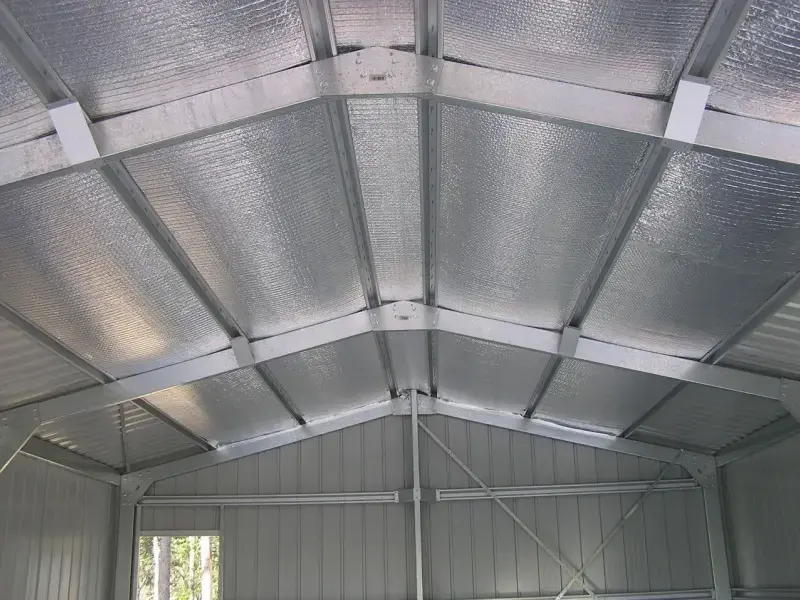
Insulation foil has applications in buildings, industrial equipment, air ducts, and thermal insulation systems. It has often laminated with kraft paper, polyethylene, fiberglass, or other materials.
Common thickness options include:
- 0.006–0.010 mm for lightweight laminated structures
- 0.012–0.020 mm for flexible insulation products
- 0.025–0.050 mm for stronger insulation facing
- 0.060–0.100 mm for selected industrial insulation uses
Typical applications:
- Roof insulation
- Wall insulation
- Pipe insulation
- HVAC duct insulation
- Industrial thermal insulation
- Reflective insulation systems
The performance of an insulation product depends on the full structure, not only the aluminum foil thickness. The air gap, facing material, installation method, and product design also matter.
Aluminum Foil Alloys and Their Characteristics
Aluminum foil is available in different alloy grades. Each alloy has its own properties. Buyers should select the grade according to the final application and production process.
| Alloy | Main Characteristics | Common Applications |
|---|---|---|
| 1050 | High aluminum content, good formability | General foil and electrical uses |
| 1060 | Good corrosion resistance and conductivity | Electrical and industrial foil |
| 1100 | Good formability and corrosion resistance | Food and technical products |
| 1235 | Excellent flexibility and rolling performance | Flexible packaging |
| 3003 | Good strength and formability | Containers and technical foil |
| 3004 | Good strength and deep-drawing performance | Food containers |
| 8011 | Good packaging and forming performance | Household and pharmaceutical foil |
| 8079 | Good flexibility and barrier packaging performance | Pharmaceutical and flexible packaging |
8011 Aluminum Foil
8011 is a widely used alloy for packaging foil. It offers a useful combination of strength, flexibility, and processing performance.
Common applications include:
- Household aluminum foil
- Food packaging foil
- Pharmaceutical packaging
- Container foil
- Cable foil
- Industrial packaging
Typical thickness range: 0.006–0.200 mm.
1235 Aluminum Foil
1235 aluminum foil is commonly used in flexible packaging. It has high aluminum content and good rolling performance.
Typical applications include:
- Flexible packaging
- Laminated foil
- Food packaging
- Decorative packaging
- Household foil
It is a suitable option when flexibility and thin-gauge production are important.
8079 Aluminum Foil
8079 foil is often used in pharmaceutical and flexible packaging applications. It is selected for products that require suitable barrier and forming performance.
Typical applications include:
- Pharmaceutical blister structures
- Flexible packaging
- Laminated packaging
- Food packaging materials
The final alloy selection should be based on the customer’s packaging structure and quality requirements.
3003 and 3004 Aluminum Foil
3003 and 3004 belong to the 3xxx aluminum alloy series. They have used in products that need suitable strength and forming performance.
Typical applications include:
- Aluminum food containers
- Foil trays
- Industrial components
- Heat exchange products
- Special formed packaging
3004 has often considered for applications requiring stronger forming performance, while 3003 has also used for general-purpose formed products.
Aluminum Foil Temper and Its Effect on Thickness Selection

Temper describes the condition of aluminum after processing. It affects hardness, strength, and formability. The same foil thickness can have different mechanical properties in different tempers.
| Temper | Description | Common Applications |
|---|---|---|
| O | Fully annealed and soft | Household foil and deep forming |
| H14 | Half hard | Semi-rigid products |
| H16 | Three-quarter hard | Technical foil |
| H18 | Full hard | Stronger packaging and industrial foil |
| H19 | Extra hard | Special technical applications |
| H22 | Strain hardened and partially annealed | Formed products |
| H24 | Strain hardened and partially annealed | Containers and industrial products |
| H26 | Harder partially annealed condition | Special formed applications |
O temper has often selected for products that need high flexibility. H18 and H19 are harder conditions and may be suitable for applications that need higher strength.
Not every alloy and thickness is available in every temper. Buyers should confirm the available combination before ordering.
Aluminum Foil Thickness Comparison: Thin vs. Thick
Choosing between thin and thick foil is an important purchasing decision. Each option has advantages and limitations.
| Comparison | Thin Foil | Thick Foil |
|---|---|---|
| Typical Thickness | 0.006–0.020 mm | 0.050–0.200 mm |
| Weight | Lower | Higher |
| Flexibility | Very good | Depends on temper |
| Strength | Lower | Generally higher |
| Forming | Easy to fold and laminate | Suitable for stronger structures |
| Material Cost | Lower per unit area in many cases | Usually higher per unit area |
| Main Uses | Flexible packaging | Containers and industrial uses |
When Should You Choose Thin Aluminum Foil?

Thin foil is a good choice when the product needs flexibility and low material weight.
It is commonly used for:
- Food wrapping
- Flexible packaging
- Laminated packaging
- Household foil
- Lightweight insulation facing
When Should You Choose Thick Aluminum Foil?
Thicker foil is useful when the final product needs more strength or rigidity.
It is commonly used for:
- Food containers
- Cable protection
- Industrial insulation
- Technical components
- Special packaging products
The best thickness is not always the thickest one. Buyers should choose a specification that meets the actual performance requirements without adding unnecessary material cost.
Aluminum Foil vs. Aluminum Sheet: What Is the Difference?
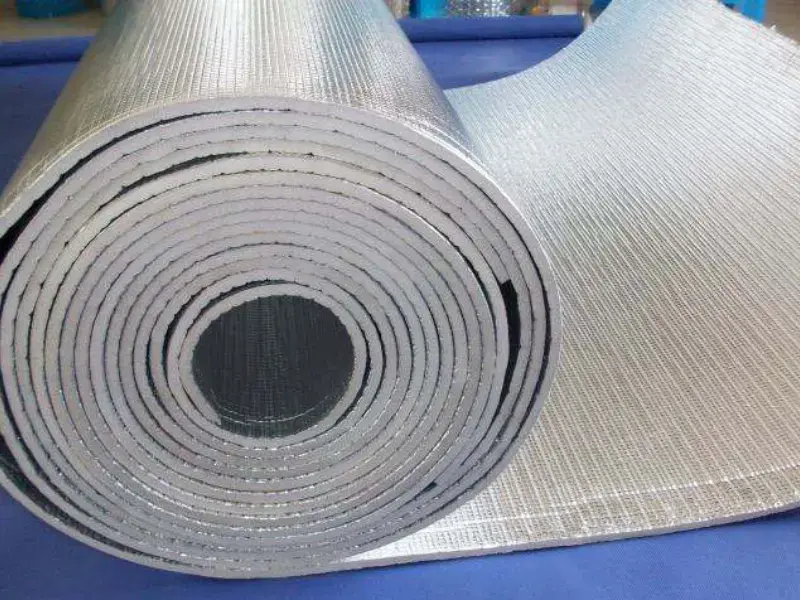
Aluminum foil and aluminum sheet are both rolled aluminum products. However, they are used in different ways.
| Feature | Aluminum Foil | Aluminum Sheet |
|---|---|---|
| Thickness | Commonly 0.006–0.200 mm | Usually thicker than foil |
| Flexibility | High, depending on temper | Lower in most cases |
| Weight | Lightweight | Higher for the same area |
| Processing | Rolling, laminating, wrapping | Cutting, bending, stamping |
| Common Uses | Packaging and insulation | Construction and fabrication |
Aluminum foil is more suitable for flexible packaging and thin technical materials. Aluminum sheet is better for structural, decorative, and fabrication applications.
Aluminum Foil vs. Aluminum Film
Aluminum foil and aluminum film are not the same material. Aluminum foil is made from rolled aluminum metal. Aluminum film usually refers to a plastic film with a metallic appearance or a thin deposited aluminum layer.
| Feature | Aluminum Foil | Metallized Film |
|---|---|---|
| Material | Aluminum metal | Usually plastic film with a thin aluminum coating |
| Structure | Solid metal layer | Very thin deposited metal layer |
| Flexibility | Depends on thickness and temper | Usually very flexible |
| Barrier Performance | Strong metal barrier | Depends on coating quality |
| Applications | Containers, foil packaging, insulation | Flexible packaging and decorative products |
For projects that require a real metal layer, aluminum foil may be the better option. For lightweight packaging structures, metallized film may be suitable.
How to Calculate Aluminum Foil Weight
Thickness affects the weight of aluminum foil. Buyers can estimate the theoretical weight by using the material density and product dimensions.
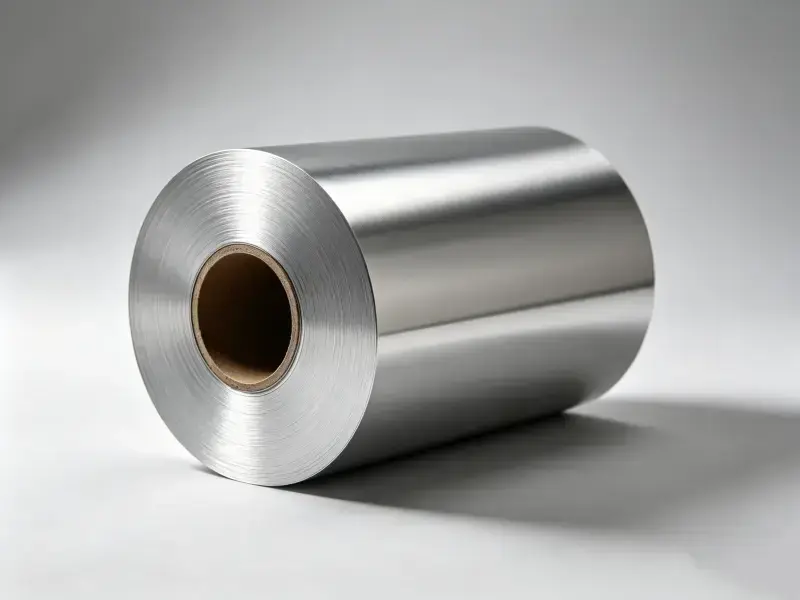
The approximate density of aluminum is 2.70 g/cm³.
A simple formula is:
Weight (kg) = Thickness (mm) × Width (m) × Length (m) × 2.70
For example, a roll with the following dimensions:
- Thickness: 0.02 mm
- Width: 1,000 mm (1 m)
- Length: 1,000 m
The theoretical weight is:
0.02 × 1 × 1,000 × 2.70 = 54 kg
This is an estimated material weight. Actual roll weight may vary because of thickness tolerance, core weight, and production conditions.
Theoretical Aluminum Foil Weight by Thickness
The following table shows the approximate weight per square meter.
| Thickness | Approximate Weight per m² |
|---|---|
| 0.006 mm | 0.0162 kg |
| 0.008 mm | 0.0216 kg |
| 0.010 mm | 0.0270 kg |
| 0.012 mm | 0.0324 kg |
| 0.015 mm | 0.0405 kg |
| 0.020 mm | 0.0540 kg |
| 0.025 mm | 0.0675 kg |
| 0.030 mm | 0.0810 kg |
| 0.040 mm | 0.1080 kg |
| 0.050 mm | 0.1350 kg |
| 0.080 mm | 0.2160 kg |
| 0.100 mm | 0.2700 kg |
| 0.150 mm | 0.4050 kg |
| 0.200 mm | 0.5400 kg |
This table is useful for estimating material consumption, shipping weight, and purchasing quantities.
Aluminum Foil Surface Finishes and Product Forms
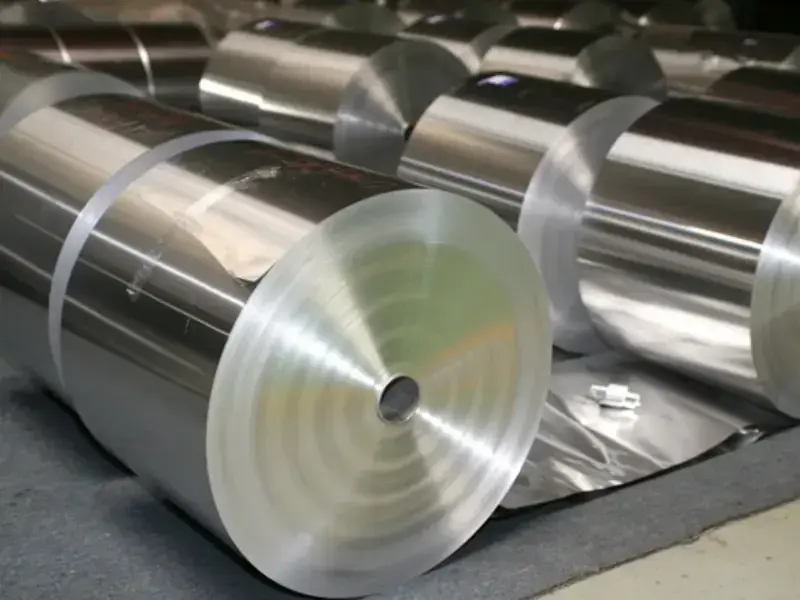
Aluminum foil has supplied in different surface conditions and product forms. The right choice depends on the next production process.
Common Surface Options
Mill Finish Aluminum Foil
This is the standard rolled surface. It has widely used for packaging, industrial processing, and laminated products.
One-Side Bright Aluminum Foil
One surface has a brighter appearance. It has uses in products that need a specific visual or processing surface.
Double-Side Bright Aluminum Foil
Both surfaces have a bright appearance. It has selected for decorative or special packaging requirements.
Lacquered Aluminum Foil
The foil surface is coated with a suitable lacquer. The coating can support printing, sealing, or product-specific requirements.
Embossed Aluminum Foil
The surface has a raised pattern. It has uses for decorative and functional products, depending on the pattern and application.
Common Product Forms
- Aluminum foil rolls
- Jumbo aluminum foil rolls
- Household foil rolls
- Cut-to-length foil sheets
- Laminated aluminum foil
- Coated aluminum foil
- Embossed aluminum foil
- Pharmaceutical foil
- Container foil
- Cable foil
Aluminum Foil Specifications for Wholesale Buyers

Wholesale buyers should provide clear specifications when requesting a quotation. This helps the manufacturer recommend a suitable alloy, temper, and thickness.
| Specification | Common Options |
|---|---|
| Alloy | 1050, 1060, 1100, 1235, 3003, 3004, 8011, 8079 |
| Temper | O, H14, H16, H18, H19, H22, H24, H26 |
| Thickness | 0.006–0.200 mm |
| Width | 100–1,600 mm, customizable |
| Inner Diameter | 75, 150, 200, 300 mm |
| Surface | Mill finish, bright, lacquered, embossed |
| Form | Roll, jumbo roll, sheet |
| Standards | EN 546, ASTM B373, GB/T 3198, depending on product |
The specifications above are general reference options. Not every alloy, temper, width, or thickness combination is available for every application.
What Should Buyers Confirm Before Ordering?
Before placing an order, buyers should confirm:
- Required alloy and temper
- Exact thickness and tolerance
- Roll width and length
- Inner and outer roll diameter
- Surface finish
- Application and processing method
- Packaging requirements
- Applicable quality standards
- Order quantity and delivery schedule
For 8011 aluminum foil, for example, a common specification range includes 0.006–0.200 mm thickness and customized widths. The final specification should be confirmed according to the intended use.
Factors That Affect Aluminum Foil Price
Aluminum foil prices depend on several factors. Thickness is important, but it is not the only pricing factor.
Alloy and Temper
Different alloys have different production requirements. Special alloy and temper combinations may affect the final price.
Thickness and Width
Thicker foil contains more aluminum per square meter. Wider rolls may also require specific production arrangements.
Surface Treatment
Plain foil is different from lacquered, coated, embossed, or laminated foil. Additional processing can increase the total cost.
Order Quantity
Large orders may offer better production efficiency. Small customized orders may have higher processing costs per ton.
Packaging and Delivery
Roll protection, pallet type, container loading, and destination can affect the final quotation.
For an accurate price, buyers should provide the alloy, temper, thickness, width, quantity, and destination.
How to Choose the Right Aluminum Foil Thickness
The right specification starts with the final application. A packaging producer and an industrial insulation manufacturer may need very different foil products.
Select Thickness Based on the Product
For household wrapping, 0.009–0.020 mm is a useful reference range. For pharmaceutical structures, 0.020–0.030 mm has considered. By cable and insulation applications, 0.025–0.100 mm or other specifications may be required.
These ranges are starting points. The actual choice has confirmed through product testing and processing requirements.
Consider the Forming Process
Deep drawing, folding, lamination, embossing, and sealing place different demands on the foil. The alloy and temper should match the production process.
Check Thickness Tolerance
Consistent thickness is important for high-speed production. Buyers should confirm the permitted tolerance and inspection method.
Consider Surface Quality
Pinholes, oil marks, scratches, and surface defects can affect the final product. Packaging and technical applications may have different surface requirements.
Test Samples Before Mass Production
A sample test can help confirm flexibility, strength, sealing performance, and compatibility with the customer’s equipment. This can reduce production risks.
Why Choose a Professional Aluminum Foil Manufacturer?
A reliable aluminum foil manufacturer should provide more than a competitive price. Stable quality and accurate specifications are also important.
A professional supplier can support customers with:
- Multiple aluminum alloy options
- Different foil thicknesses and tempers
- Customized roll widths
- Plain, bright, coated, and embossed surfaces
- Technical specification support
- Sample arrangements
- Export packaging
- Production and delivery coordination
For distributors, packaging manufacturers, and industrial buyers, a stable supply of aluminum foil helps maintain production efficiency and product quality.
Frequently Asked Questions About Aluminum Foil Thickness
What Is the Thinnest Aluminum Foil Thickness?
Commercial aluminum foil can be produced at very thin gauges. Around 0.006 mm (6 μm) is a common reference for thin packaging foil. The available minimum thickness depends on the alloy, width, rolling process, and quality requirements.
What Is the Standard Thickness of Household Aluminum Foil?
Household aluminum foil commonly uses thicknesses around 0.009–0.020 mm. Some heavy-duty products use 0.025 mm or thicker material. The correct choice depends on the intended use.
Is 0.02 mm Aluminum Foil Thick?
0.02 mm equals 20 μm. It is considered a medium-thickness option for many flexible foil products. It is used in household packaging, laminated materials, and selected industrial applications.
What Is the Difference Between 10 Micron and 20 Micron Aluminum Foil?
10-micron foil is 0.01 mm thick, while 20-micron foil is 0.02 mm thick. The 20-micron option contains twice as much aluminum per unit area, assuming the same alloy and density. It is generally stronger and less easy to tear.
Which Aluminum Alloy Is Best for Household Foil?
8011 and 1235 are common options for household foil. Both can be used for flexible packaging products. The final choice depends on the required strength, flexibility, surface quality, and production process.
Which Alloy Is Suitable for Pharmaceutical Aluminum Foil?
8011 and 8079 are common choices for pharmaceutical foil. The required alloy depends on the packaging structure, forming process, and product quality requirements.
Can Aluminum Foil Be Customized in Different Thicknesses?
Yes. Aluminum foil can be supplied in different thicknesses, widths, alloys, tempers, and surface finishes. Customized specifications should be confirmed with the manufacturer.
Does Thicker Aluminum Foil Always Mean Better Quality?
No. A thicker product may offer more strength, but it is not always the best choice. The correct thickness depends on the application. Excessive thickness can increase material consumption and cost.
How Do I Convert Aluminum Foil Thickness from mm to Microns?
Multiply the thickness in millimeters by 1,000.
For example:
- 0.006 mm = 6 μm
- 0.010 mm = 10 μm
- 0.020 mm = 20 μm
- 0.050 mm = 50 μm
- 0.100 mm = 100 μm
What Is the Difference Between Aluminum Foil and Aluminum Sheet?
Aluminum foil is much thinner and more flexible. It is mainly used for packaging, insulation, and technical materials. Aluminum sheet is thicker and is often used for construction, transportation, fabrication, and industrial products.
Can I Get Aluminum Foil Samples Before Ordering?
Sample availability depends on the required alloy, thickness, and surface finish. Buyers can discuss sample sizes and shipping arrangements with the manufacturer before placing a bulk order.
Request a Quote for Customized Aluminum Foil
Choosing the correct aluminum foil thickness can improve product performance and control material costs. Whether you need thin flexible packaging foil, pharmaceutical foil, household foil, container foil, or industrial aluminum foil, the alloy and temper should match your production requirements.
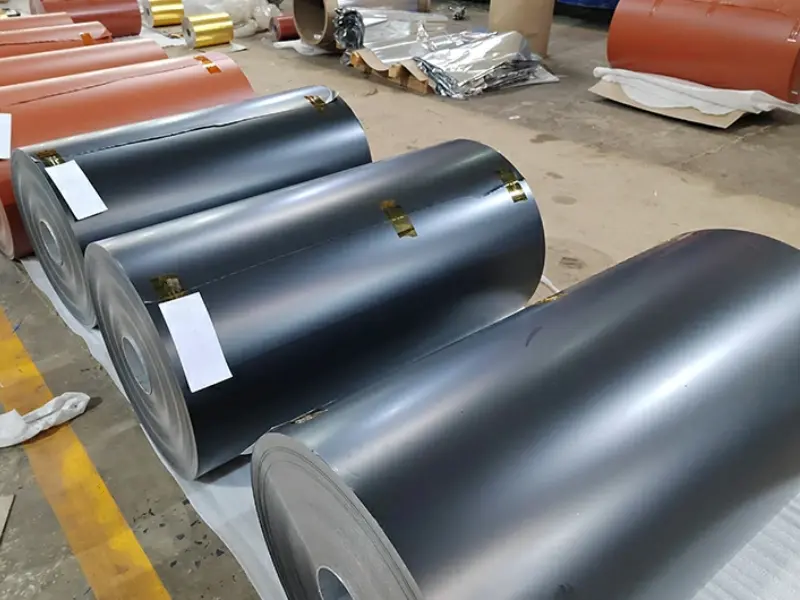
We supply aluminum foil in different thicknesses, widths, alloys, and surface finishes. Customized specifications are available for wholesale and industrial orders.
Send us your required thickness, alloy, temper, width, quantity, and application. Our team can help you find a suitable aluminum foil solution for your project.


Leave a Comment
You must be logged in to post a comment.