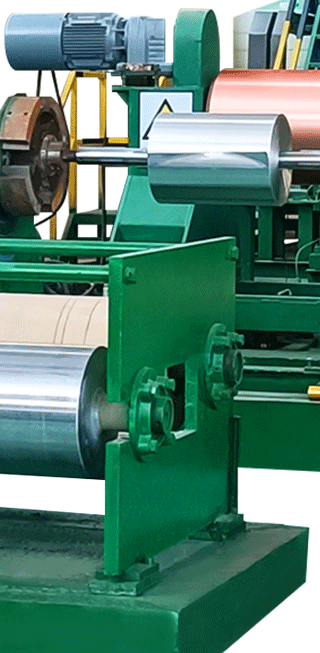

Aluminum Foil in Rolls
Aluminum foil in rolls is a household staple that often goes unnoticed, tucked away in kitchen drawers or cabinets. However, its versatility, convenience, and countless applications. There are an essential tool in cooking, food storage, and beyond. Aluminum foil, particularly in rolls, is a remarkable invention that has revolutionized the way we prepare, store, and protect our food.
The History of Aluminum Foil
Aluminum foil, in its modern form, has come a long way since it was first created in the early 20th century. It has initially developed by Swiss engineer Robert Victor Neher and American industrialist Charles Martin Hall. Their discovery of the Hall-Héroult process for refining aluminum made it possible to create thin, malleable sheets of aluminum. The first aluminum foil has produced in 1910, but it wasn’t until the 1920s that it began to gain popularity.

Versatility in the Kitchen
One of the primary uses of aluminum foil in rolls is its incredible versatility in the kitchen. Whether you’re baking, roasting, grilling, or wrapping leftovers, aluminum foil is a handy kitchen companion.
Baking and Roasting: Aluminum foil is perfect for lining baking sheets and pans. It distributes heat evenly, prevents food from sticking, and makes cleanup a breeze.
Grilling: Wrap delicate items like fish, vegetables, or potatoes in aluminum foil to prevent them from falling through the grill grates. The foil also retains moisture, helping to keep food juicy and flavorful.
Food Storage: Aluminum foil is an excellent choice for storing leftovers. It seals tightly to keep food fresh and can be used in the freezer as well. Plus, you can label the foil for easy identification.
Wrapping and Insulating: Aluminum foil has often used to wrap sandwiches, burritos, or other on-the-go meals. It has applications to insulate the edges of dishes to prevent over-browning during baking.
Cooking Techniques: In some cooking techniques, like en papillote, aluminum foil have applications to encase food, creating a sealed environment for steaming or baking with added seasonings and ingredients.

Non-Culinary Uses
While aluminum foil is a kitchen essential, it also has a wide range of non-culinary applications.
DIY Crafts: Aluminum foil is a versatile material for crafting, allowing you to create ornaments, sculptures, and more. It’s often used in art classes and home projects.
Heat Insulation: In construction and home improvement, aluminum foil has employed as a radiant barrier to reflect heat away from homes, improving energy efficiency.
Electrical Conduction: Aluminum foil has applications to extend the range of Wi-Fi routers by shaping it into reflectors that bounce signals in desired directions.
Cleaning and Polishing: Aluminum foil is an effective tool for scrubbing and polishing dishes, silverware, and chrome. It can also be used to clean rusty surfaces.
Eco-Friendly and Recyclable
Another noteworthy aspect of aluminum foil is its eco-friendliness. Aluminum is highly recyclable, and recycling it saves up to 95% of the energy required to produce new aluminum.
This means that the foil you use in your kitchen today. It has a wide range of aluminum products in the future, contributing to a more sustainable world.
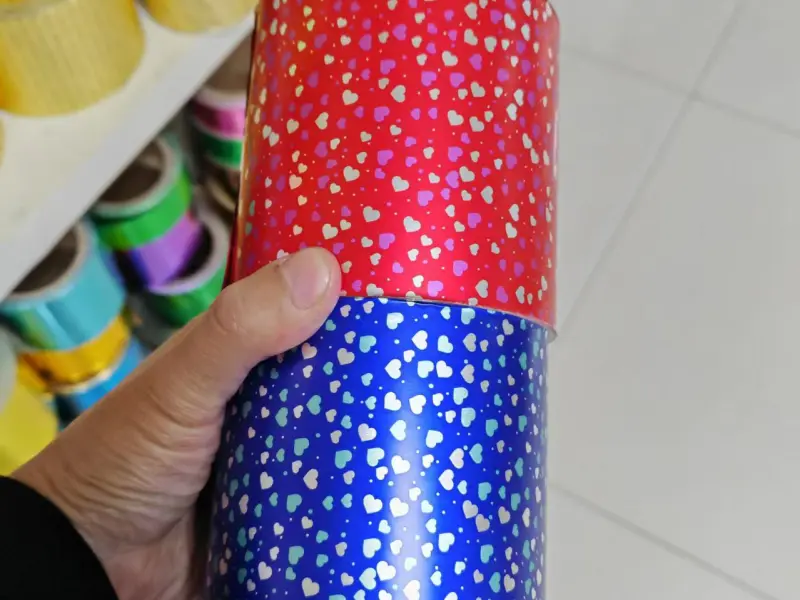
Its eco-friendly nature also aligns with the growing demand for sustainable and responsible consumer choices. So, the next time you reach for that roll of aluminum foil, consider the countless ways it simplifies your life and empowers your creative endeavors.
Aluminum Foil in Rolls
Aluminum foil in rolls has used in food packaging, pharmaceutical packaging, household products, insulation, electronics, and many other industries. It is lightweight, flexible, and easy to cut, fold, laminate, or form into different shapes. It also provides a strong barrier against moisture, light, and many external contaminants when the correct foil structure and thickness have selected.
Different applications need different aluminum foil grades. Some buyers need thin foil for food containers and flexible packaging. Others need thicker rolls for industrial insulation, cable wrapping, or further processing.
As an aluminum foil supplier, we can provide different alloys, tempers, thicknesses, widths, and surface finishes for bulk orders. Custom roll dimensions are available according to the application and processing equipment.
What Is Aluminum Foil in Rolls?
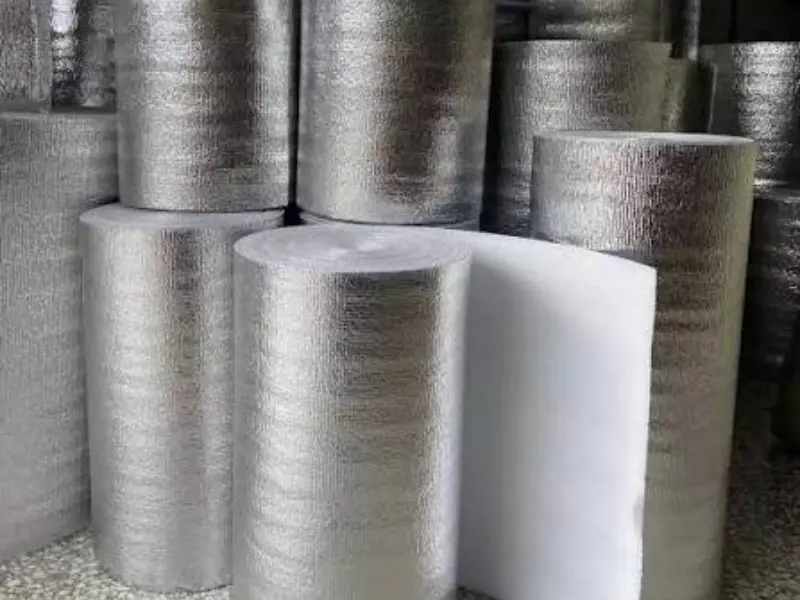
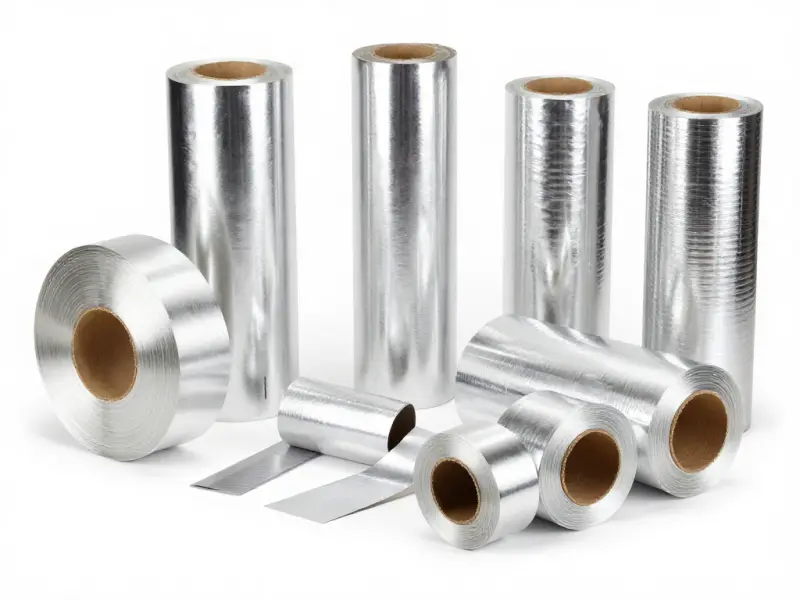
Aluminum foil in rolls is a thin aluminum product wound around a core. It has supplied in continuous lengths, making it suitable for automatic packaging lines, slitting machines, laminating equipment, and other industrial processes.
Compared with pre-cut aluminum foil sheets, roll foil offers greater flexibility in production. Buyers can cut it to the required length or convert it into smaller rolls, bags, lids, containers, and composite materials.
The right roll depends on several factors:
- Alloy and temper
- Foil thickness and width
- Roll length and outside diameter
- Core inner diameter
- Surface finish
- Barrier requirements
- Printing, coating, or lamination needs
- Final application and processing method
Aluminum Foil Roll Specifications
The following table shows common specification ranges for aluminum foil rolls. These are general reference values, not a promise that every combination is available.
| Parameter | Common Options |
|---|---|
| Aluminum alloys | 1235, 8011, 8079, 3003 |
| Temper | O, H18, H19, H22, H24 |
| Thickness | 0.006–0.20 mm |
| Width | 100–1,600 mm |
| Core inner diameter | 75, 76, 150, 152, 200, 300 mm |
| Surface | Mill finish, bright, matte, coated |
| Supply form | Jumbo rolls, slit rolls, small rolls |
| Processing | Slitting, cutting, laminating, coating |
| Standards | ASTM, EN, or other agreed specifications |
| Packaging | Moisture-resistant export packaging |
Important: Alloy, temper, and thickness affect strength, flexibility, pinhole performance, and formability. Buyers should confirm the required properties before placing an order.
Aluminum Foil Roll Types for Different Industries
Not all aluminum foil rolls are made for the same purpose. A thin foil for flexible packaging has different requirements from a thicker foil used in industrial insulation. The following types help buyers identify a suitable product.
Thin Aluminum Foil Rolls
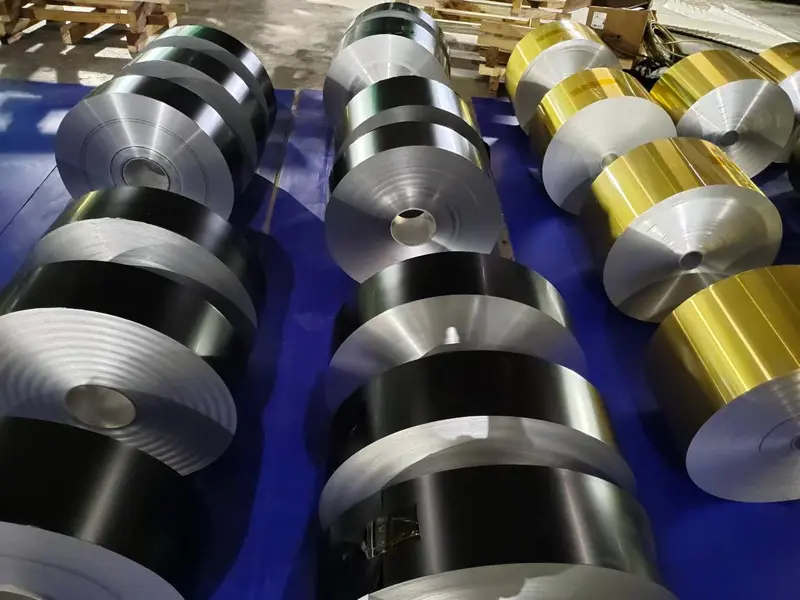
Thin aluminum foil rolls have applications where flexibility and barrier performance are important. Common thicknesses include 0.006 mm, 0.009 mm, 0.012 mm, and 0.015 mm.
These products have often used in flexible packaging, household foil, and laminated structures. Very thin foil requires careful handling because sharp folds, poor tension control, or unsuitable processing conditions can cause tears or pinholes.
| Type | Thickness | Typical Application |
|---|---|---|
| Ultra-thin foil | 0.006–0.009 mm | Flexible packaging and specialty laminates |
| Thin packaging foil | 0.010–0.015 mm | Food packaging and composite films |
| Medium-thin foil | 0.016–0.020 mm | Packaging conversion and industrial use |
The best thickness depends on the required barrier, folding strength, and converting process. A thicker foil is not always necessary if the final product uses a suitable multilayer structure.
Household Aluminum Foil Rolls
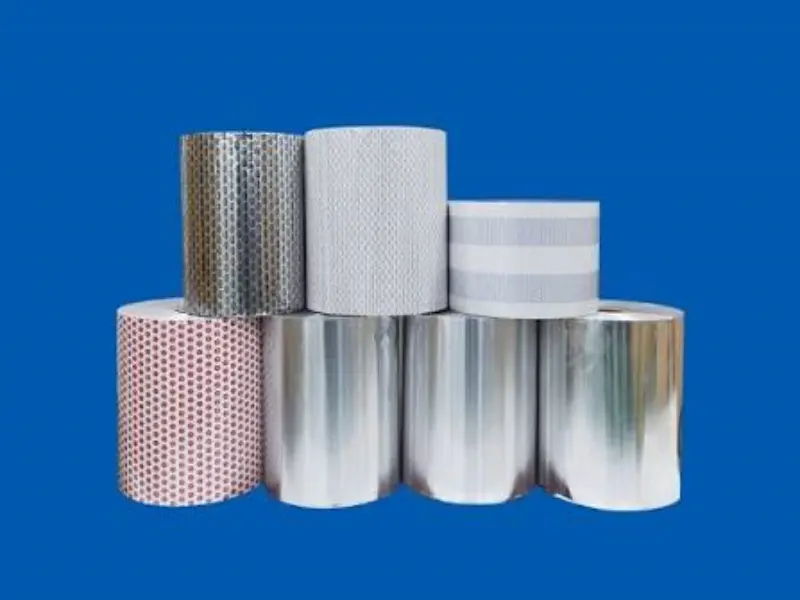
Household foil has designed for everyday food preparation and storage. It has commonly converted into small rolls for retail sales or supplied in larger rolls for commercial kitchens.
Typical features include easy cutting, good flexibility, and a clean surface. Depending on the product specification, household foil have supplied in thicknesses around 0.010–0.025 mm.
Common applications include:
- Wrapping sandwiches, vegetables, meat, and other foods
- Covering dishes during storage
- Lining suitable baking trays
- Portioning and wrapping food in commercial kitchens
- Food-service preparation
Food-contact suitability depends on the material, manufacturing process, intended use, and applicable regulations. The final product has evaluated for its specific food-contact requirements.
Food Packaging Aluminum Foil Rolls
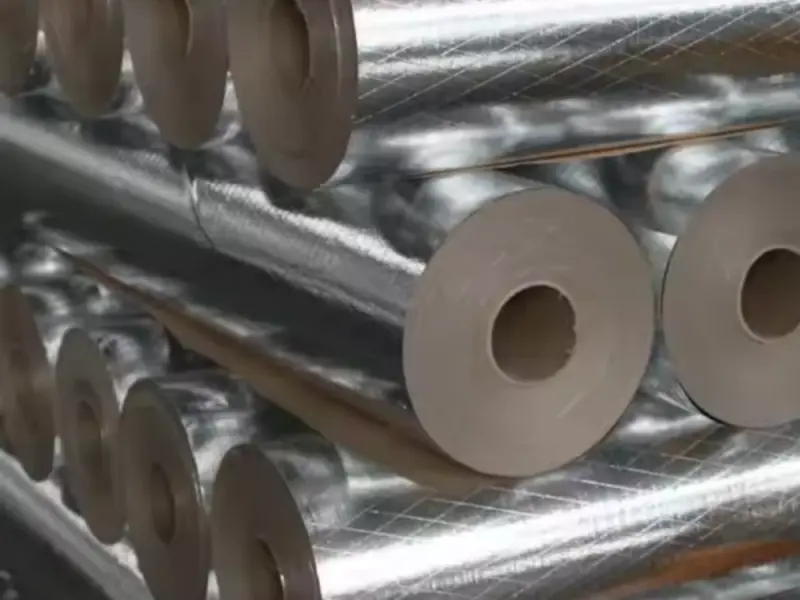
Food packaging foil has applications by packaging converters and manufacturers. It has laminated with plastic film or paper to create a package with the required barrier, sealing, and mechanical properties.
Typical applications include:
- Flexible food pouches
- Coffee and dry-food packaging
- Snack packaging
- Dairy product packaging
- Ready-meal packaging
- Pharmaceutical and food composite materials
| Product Type | Typical Structure or Use | Main Requirement |
|---|---|---|
| Flexible packaging foil | Aluminum foil laminate | Barrier performance |
| Coffee packaging foil | Foil with polymer or paper layers | Aroma and moisture protection |
| Snack packaging foil | Composite packaging material | Light and moisture barrier |
| Dairy packaging foil | Lidding or laminated structures | Sealing and product protection |
| Food-service foil | Roll foil for wrapping | Flexibility and handling |
The foil alloy, thickness, pinhole level, and laminate design should be selected according to the product’s shelf-life and packaging requirements.
Pharmaceutical Aluminum Foil Rolls
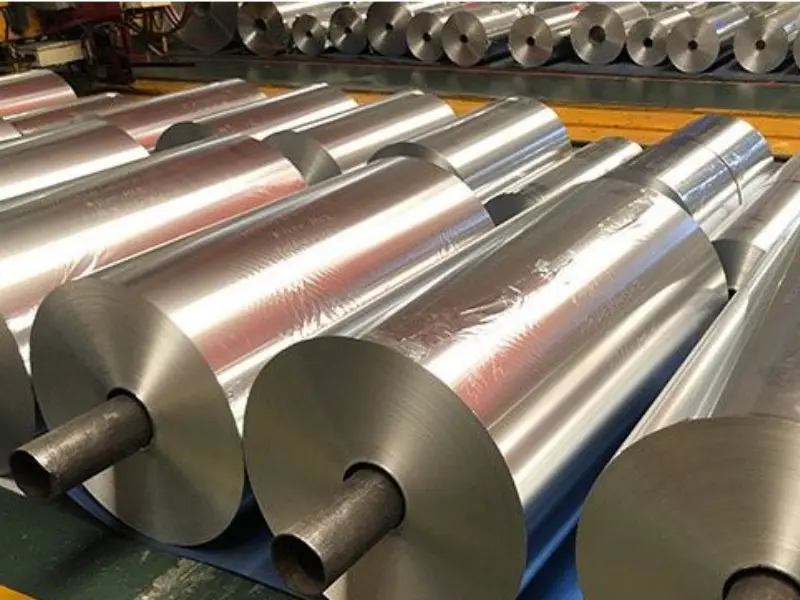
Pharmaceutical packaging often requires carefully controlled material properties. Aluminum foil has used in blister packaging, sachets, strip packaging, and other pharmaceutical structures.
Alloy 8011 has applications for several packaging applications. Other foil grades have selected according to the required forming, barrier, and converting properties.
Typical applications include:
- Blister packaging components
- Pharmaceutical strip packaging
- Sachet laminates
- Medical product packaging
- Protective packaging for moisture-sensitive products
| Foil Type | Common Material | Application |
|---|---|---|
| Packaging foil | 8011 or other specified grades | Pharmaceutical packaging structures |
| Blister lidding foil | Specified foil with suitable coating | Lidding and sealing |
| Laminated pharmaceutical foil | Aluminum plus polymer layers | Sachets and flexible packs |
| Specialty packaging foil | Grade selected by converter | Medical and healthcare products |
The final structure may require coating, printing, heat-seal layers, or lamination. Buyers should confirm regulatory, sealing, and compatibility requirements with the packaging manufacturer.
Aluminum Foil Rolls for Insulation
Aluminum foil reflects radiant heat and can act as a vapor barrier in suitable insulation systems. It has often combined with kraft paper, polyethylene, fiberglass, bubble material, or other insulation layers.
Common applications include:
- Building insulation systems
- HVAC duct insulation
- Pipe insulation
- Roof and wall insulation composites
- Industrial thermal insulation
- Reflective insulation products
| Product Type | Common Thickness Range | Typical Use |
|---|---|---|
| Thin insulation foil | 0.006–0.012 mm | Laminated insulation products |
| General insulation foil | 0.012–0.030 mm | HVAC and building materials |
| Heavy-duty foil | 0.030–0.10 mm | Selected industrial applications |
Reflective performance depends on the surface, installation method, air space, and complete insulation design. Aluminum foil alone should not be treated as a complete insulation system.
Industrial Aluminum Foil Rolls
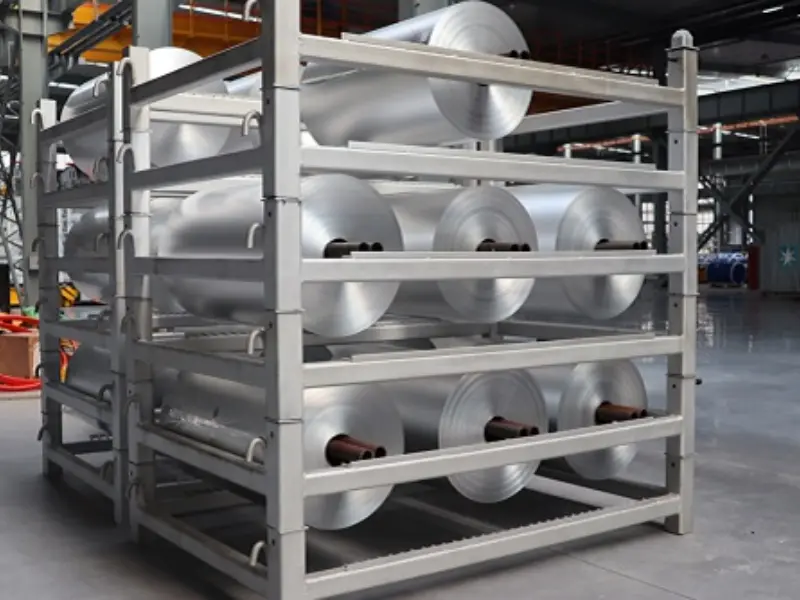
Industrial aluminum foil has supplied for converting, laminating, shielding, and manufacturing processes. The required grade depends on the production method and end-use environment.
Typical applications include:
- Industrial laminates
- Heat-reflective materials
- Flexible duct components
- Protective wraps
- Specialty packaging
- Electrical and electronic components
For industrial orders, buyers often need jumbo rolls with controlled thickness, stable winding, and consistent edge quality. These features can reduce waste during slitting and high-speed production.
Aluminum Foil Rolls for Cable and Electrical Uses
Aluminum foil can be used as part of cable shielding or wrapping structures. In many applications, the foil is laminated with a polymer film or combined with other conductive materials.
Potential applications include:
- Communication cable wrapping
- Cable shielding laminates
- Electrical component packaging
- Specialty electronic materials
The required foil must match the cable design. Conductivity, thickness, tensile properties, bonding, and electrical performance have confirmed with the cable manufacturer. Not every aluminum foil grade is suitable for every electrical application.
Which Aluminum Alloy Is Best for Foil Rolls?
The alloy affects strength, elongation, rolling performance, and suitability for different converting processes. Alloy selection should be based on the final application rather than thickness alone.
1235 Aluminum Foil
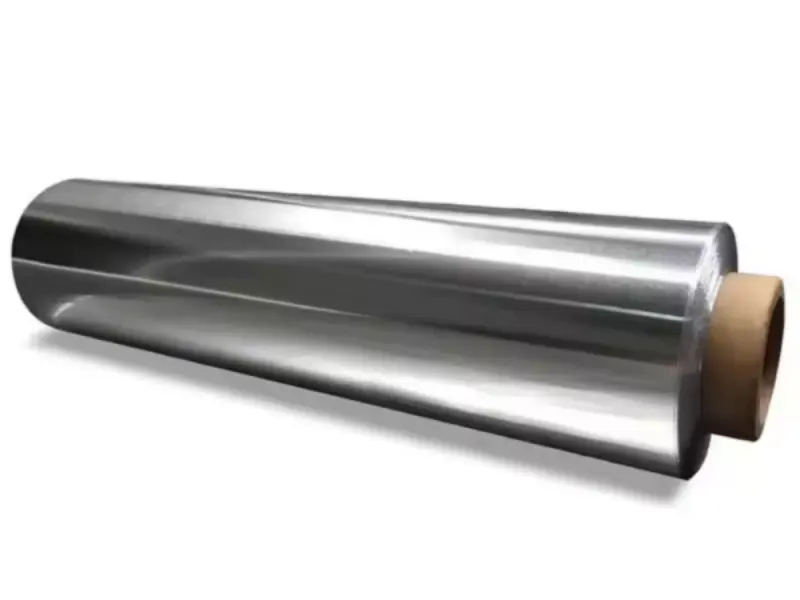
1235 aluminum foil has applications in thin foil applications where flexibility and barrier performance are important. It is suitable for many flexible packaging and laminated foil products.
Typical uses include:
- Flexible packaging laminates
- Household foil products
- General-purpose thin foil
- Insulation composites
- Specialty converted foil
8011 Aluminum Foil
8011 aluminum foil is widely used in packaging and household applications. It is available in different tempers to meet different strength and formability requirements.
Typical uses include:
- Food packaging
- Household foil
- Pharmaceutical packaging components
- Container and lidding applications
- Industrial laminates
The appropriate temper depends on whether the foil needs to be soft and flexible or harder for a particular converting process.
8079 Aluminum Foil
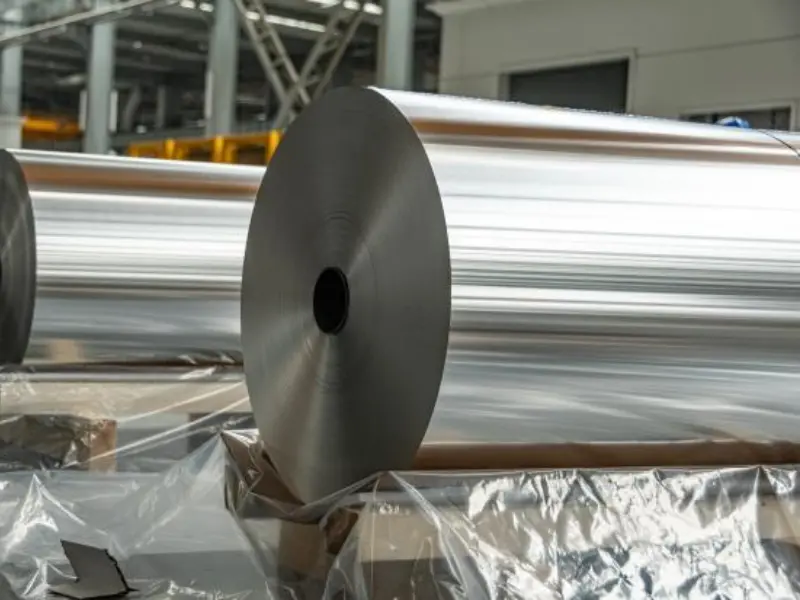
8079 aluminum foil has applications in selected packaging applications, including thin-gauge flexible packaging and pharmaceutical-related structures. It has considered when the application requires specific barrier and processing performance.
Typical uses include:
- Flexible packaging laminates
- Pharmaceutical packaging materials
- High-barrier composite packaging
- Specialty foil conversion
The final choice should be based on the converter’s material specifications and performance tests.
3003 Aluminum Foil
3003 aluminum is an aluminum-manganese alloy. It has applications in certain formed products, containers, and industrial applications where its strength and formability are suitable.
Typical uses can include:
- Selected formed foil products
- Industrial components
- Heat-exchange-related products
- Applications requiring different mechanical properties from common packaging foil
For thin packaging foil, 1235, 8011, or 8079 may be more relevant starting points. Alloy 3003 has selected only after confirming the forming and performance requirements.
| Alloy | General Characteristics | Common Application Areas |
|---|---|---|
| 1235 | Suitable for thin foil and flexible conversion | Packaging and laminates |
| 8011 | Widely used in packaging products | Household and pharmaceutical-related packaging |
| 8079 | Used in selected thin-gauge packaging structures | Flexible and specialty packaging |
| 3003 | Aluminum-manganese alloy with different strength characteristics | Selected formed and industrial products |
These are general comparisons. Actual mechanical properties depend on temper, thickness, and production conditions.
Aluminum Foil Temper: O, H18, H19, H22, and H24
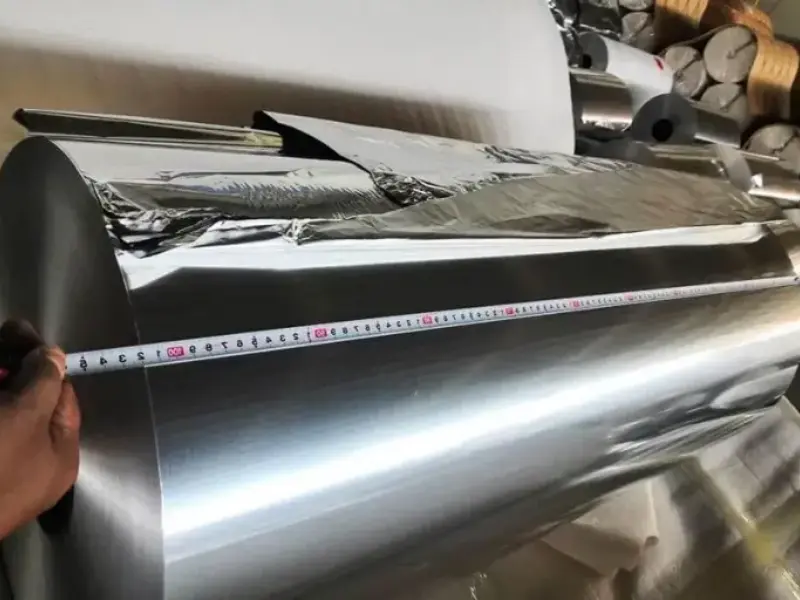
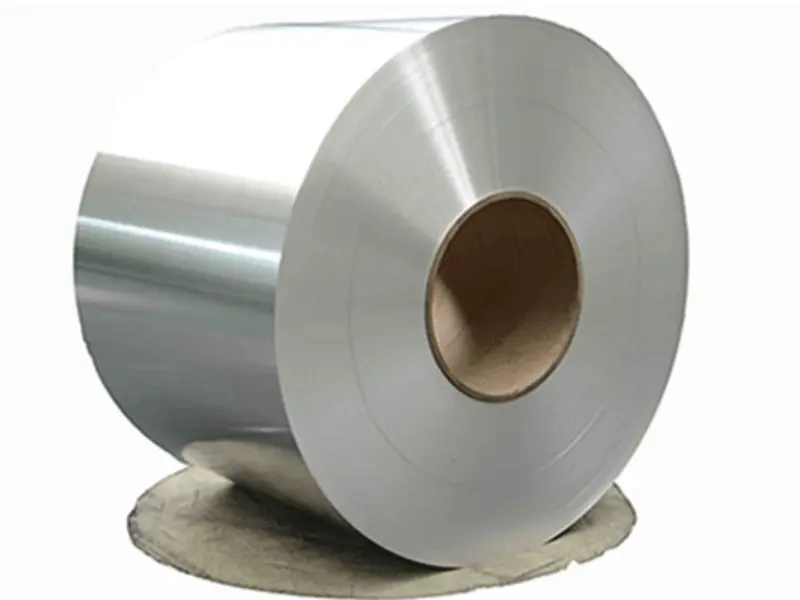
Temper describes the condition of the aluminum after processing. It affects softness, strength, and forming behavior.
| Temper | General Description | Potential Use |
|---|---|---|
| O | Annealed and soft | Flexible foil and forming |
| H18 | Hard condition | Applications requiring higher hardness |
| H19 | Extra-hard condition in relevant specifications | Selected thin-gauge products |
| H22 | Strain-hardened and partially annealed | Applications needing a balance of strength and formability |
| H24 | Strain-hardened and partially annealed | Selected semi-hard foil products |
Temper availability varies by alloy and thickness. Not every alloy has supplied in every temper listed above. For very thin foil, confirm the actual temper designation and mechanical requirements before ordering.
How to Choose the Right Aluminum Foil Thickness
Thickness is one of the most important purchasing factors. It affects flexibility, handling, barrier performance, weight, and cost.
| Thickness | Equivalent in Microns | Typical Use |
|---|---|---|
| 0.006 mm | 6 μm | Specialty thin foil |
| 0.009 mm | 9 μm | Thin packaging laminates |
| 0.012 mm | 12 μm | Flexible packaging |
| 0.015 mm | 15 μm | Packaging and household foil |
| 0.020 mm | 20 μm | Household and industrial uses |
| 0.025 mm | 25 μm | Food-service and selected industrial uses |
| 0.040 mm | 40 μm | Heavier foil applications |
| 0.050 mm | 50 μm | Industrial and converting uses |
| 0.100 mm | 100 μm | Heavy foil and specialty applications |
| 0.200 mm | 200 μm | Thick foil or thin-gauge sheet-like applications |
The table is a general guide. Some applications need additional layers to achieve the required strength or barrier performance. A buyer should not choose thickness based only on price.
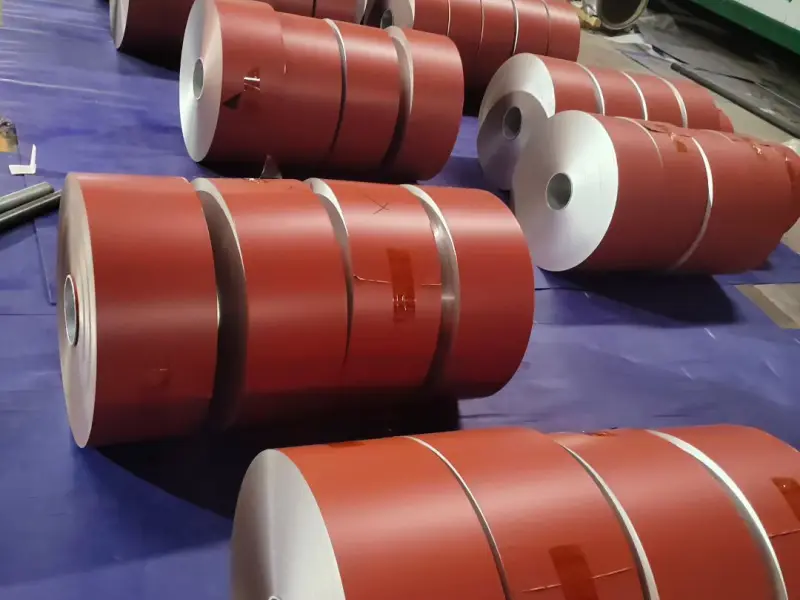
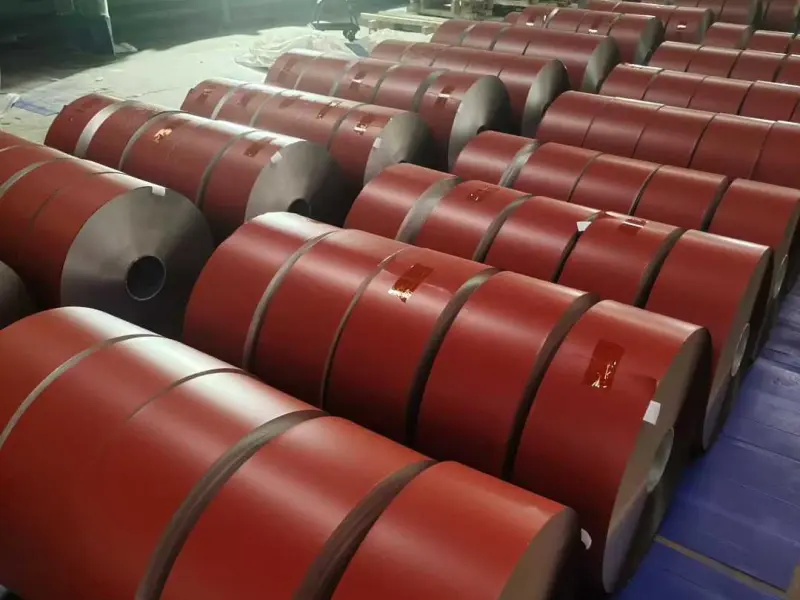
Thin Foil vs. Thick Foil
| Comparison | Thin Aluminum Foil | Thick Aluminum Foil |
|---|---|---|
| Flexibility | Usually higher | Usually lower |
| Material weight | Lower per square meter | Higher per square meter |
| Handling | Needs careful control at very low gauges | Often easier to handle |
| Typical use | Flexible packaging and laminates | Industrial and heavier-duty uses |
| Cost per area | Usually lower at equal alloy and finish | Usually higher due to more material |
For packaging, a thin foil laminated with other materials may provide the required performance at a lower material weight. For demanding industrial uses, a thicker gauge may be necessary.
Jumbo Rolls, Slit Rolls, and Small Aluminum Foil Rolls
Aluminum foil rolls are available in different roll formats. The best option depends on the customer’s production equipment, storage capacity, and order volume.
Jumbo Aluminum Foil Rolls
Jumbo rolls are large master rolls used by converters and manufacturers. They are suitable for high-volume slitting, laminating, coating, or rewinding operations.
Typical features include:
- Large roll dimensions
- Fewer roll changes during production
- Suitable for bulk orders
- Custom width and core options
- Requirements for controlled winding and edge quality
Slit Aluminum Foil Rolls
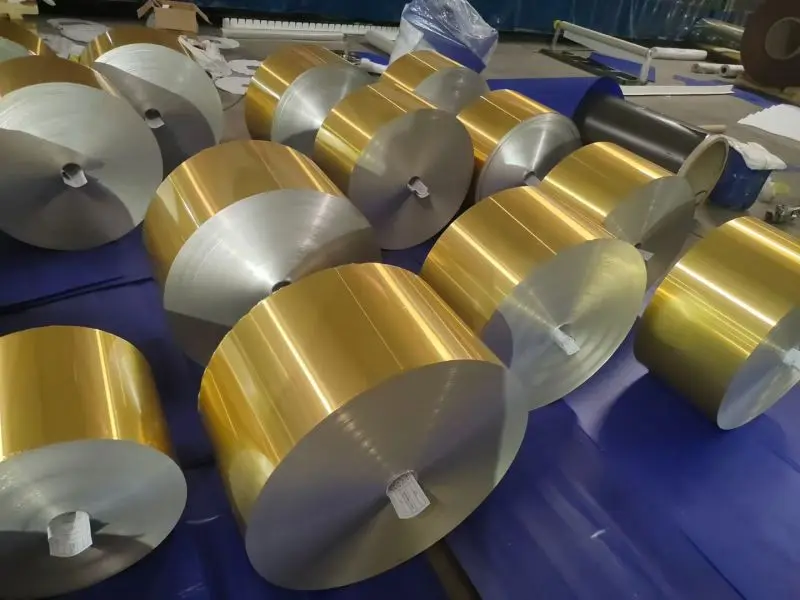
Slit rolls are cut from a wider master roll into narrower widths. They are suitable for production lines that require a specific web width.
Common uses include:
- Packaging conversion
- Insulation lamination
- Cable material production
- Industrial wrapping
- Specialty manufacturing
Small Aluminum Foil Rolls
Small rolls have commonly used for household, food-service, and retail products. They have supplied in printed boxes, dispensers, or other retail packaging.
| Roll Type | Typical Buyer | Main Advantage |
|---|---|---|
| Jumbo roll | Foil converter or manufacturer | Efficient bulk processing |
| Slit roll | Industrial processor | Width matched to the production line |
| Commercial roll | Food-service business | Convenient handling |
| Retail roll | Distributor or retailer | Ready for consumer sales |
Roll weight, length, outside diameter, and core size have agreed before production. These dimensions affect shipping, machine compatibility, and storage.
Bright, Matte, and Coated Aluminum Foil
Surface finish is another important factor. The right finish depends on appearance, bonding, printing, and the final application.
Bright Aluminum Foil

Bright foil has a reflective metallic surface. It has applications in many packaging, decorative, and industrial products where a bright appearance is preferred.
Matte Aluminum Foil
Matte foil has a less reflective surface. It may be suitable for selected laminates and products where a less glossy appearance is needed.
Coated or Lacquered Aluminum Foil
Coated foil has a surface layer designed for a specific purpose. Depending on the coating, it may support printing, sealing, protection, or bonding to other materials.
| Surface Type | Main Feature | Typical Application |
|---|---|---|
| Bright | Reflective appearance | Packaging and specialty products |
| Matte | Low-gloss appearance | Laminates and selected packaging |
| Lacquered | Coating for a specified function | Packaging and converted products |
| Printable surface | Designed for printing compatibility | Branded packaging |
| Laminated foil | Joined with paper, film, or another layer | Flexible packaging and insulation |
Coating and lamination requirements should be confirmed in advance. The correct surface treatment depends on the adhesive, ink, polymer, sealing method, and end-use conditions.
Aluminum Foil Rolls vs. Aluminum Foil Sheets
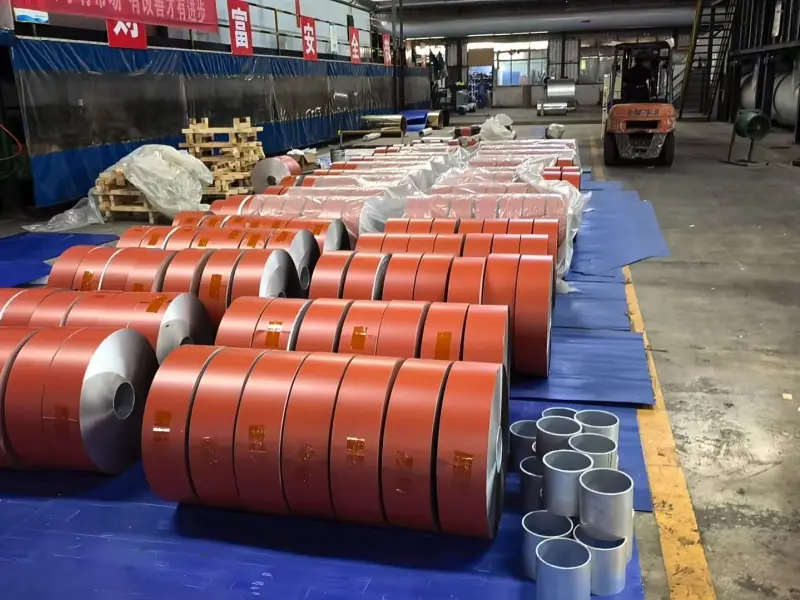
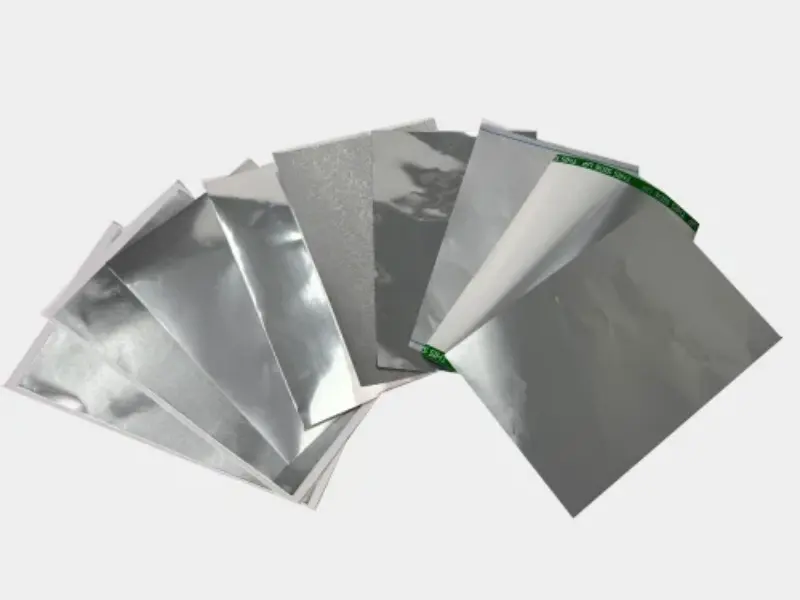
Both formats can be useful, but they serve different production needs.
| Feature | Aluminum Foil Rolls | Aluminum Foil Sheets |
|---|---|---|
| Supply format | Continuous roll | Pre-cut pieces |
| Length control | Cut during processing | Fixed sheet size |
| Best suited for | Automatic lines and conversion | Manual use or sheet-based production |
| Storage | Requires suitable roll handling | Can be stacked flat |
| Customization | Width and length can be adjusted through converting | Length and width are set per sheet |
| Common buyers | Manufacturers and converters | Fabricators and end users |
For high-volume production, rolls can reduce repeated handling and support automated processing. For manual work or products that need a fixed size, sheets may be more convenient.
Aluminum Foil Rolls vs. Plastic Packaging Film
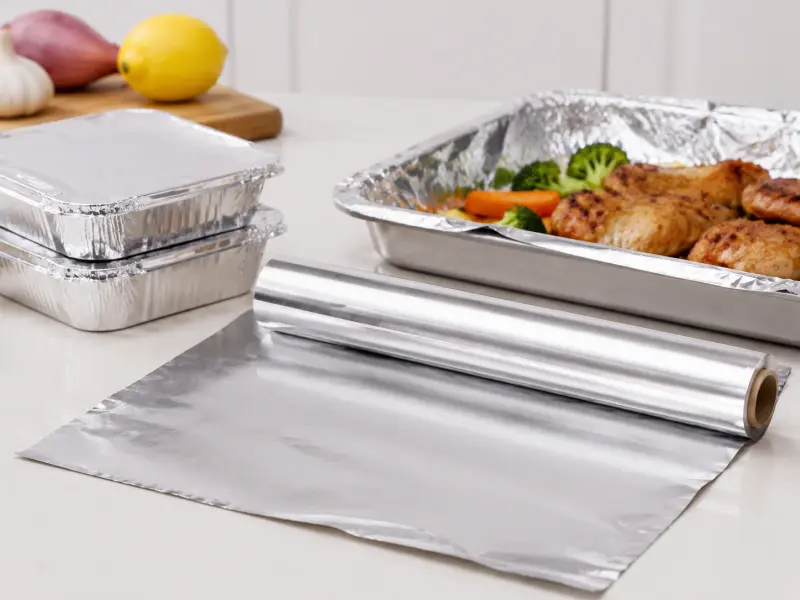
Aluminum foil and plastic film have different properties. They have combined in one packaging structure.
| Property | Aluminum Foil | Plastic Film |
|---|---|---|
| Light barrier | Excellent when intact | Depends on film type |
| Moisture barrier | Strong when properly specified | Depends on polymer and structure |
| Flexibility | Depends on thickness and temper | Often highly flexible |
| Heat resistance | Depends on alloy and use conditions | Depends on polymer type |
| Transparency | Opaque | Can be transparent |
| Lamination | Commonly used in composite structures | Often used as a sealing or protective layer |
A multilayer package may combine aluminum foil’s barrier properties with a plastic film’s sealing performance. The correct structure depends on the product, shelf-life target, processing equipment, and recycling requirements.
What Affects the Price of Aluminum Foil Rolls?
Aluminum foil prices depend on more than thickness. Buyers should compare quotations using the same technical specifications.
Main price factors include:
- Alloy and temper
- Thickness and width
- Order quantity and roll weight
- Surface finish or coating
- Slitting and rewinding requirements
- Core material and core diameter
- Packaging requirements
- Quality inspection requirements
- Shipping method and destination
A quotation for 0.012 mm foil cannot be compared directly with one for 0.020 mm foil. The alloy, temper, width, roll length, and finish must also match.
How to Request an Accurate Quotation
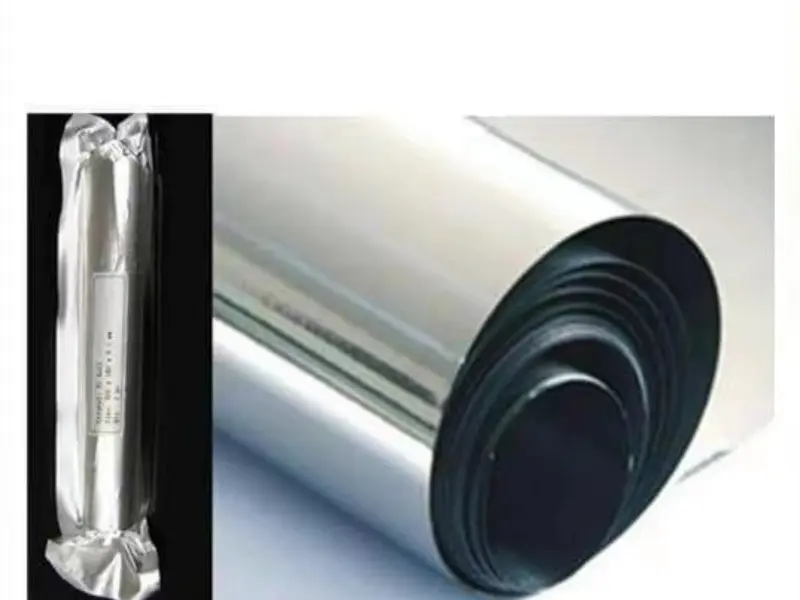
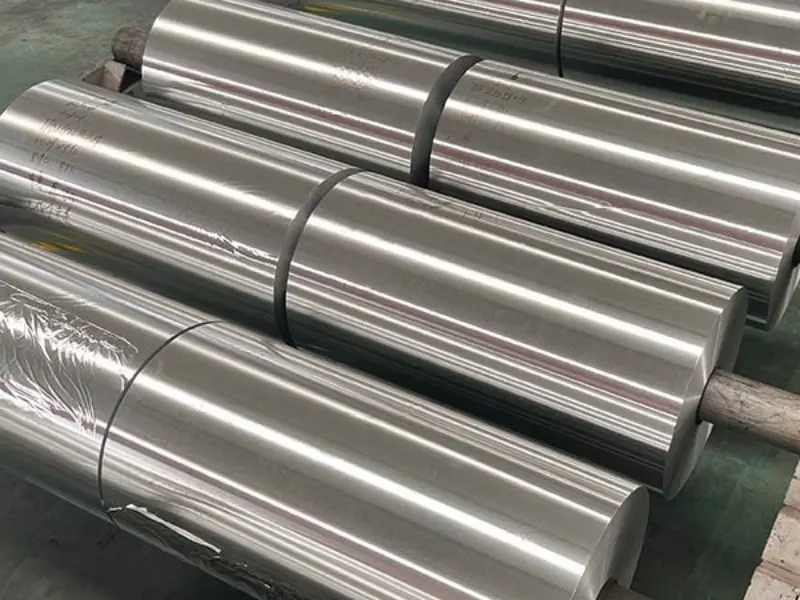
For a faster quotation, provide the following information:
| Required Information | Example |
|---|---|
| Alloy | 8011 |
| Temper | O |
| Thickness | 0.015 mm |
| Width | 500 mm |
| Roll format | Jumbo or slit roll |
| Core inner diameter | 76 mm |
| Surface | Mill finish or specified coating |
| Quantity | Total metric tons or roll count |
| Application | Flexible packaging |
| Destination | Port or delivery location |
If you do not know the correct alloy or thickness, describe the end use and processing method. The supplier can help identify suitable options for technical review.
Quality Checks for Aluminum Foil Rolls
Consistent quality is important for high-speed converting and finished-product performance. Buyers may specify inspection requirements based on their production process.
Key items to review include:
- Thickness consistency
- Width tolerance
- Surface cleanliness
- Edge condition
- Roll winding quality
- Pinhole requirements for thin foil
- Tensile and elongation requirements where applicable
- Coating or lamination compatibility
- Packaging and moisture protection
For very thin foil, pinholes and handling damage can affect barrier performance. Inspection methods and acceptance limits have agreed before mass production.
Why Buy Aluminum Foil Rolls Directly from a Manufacturer?
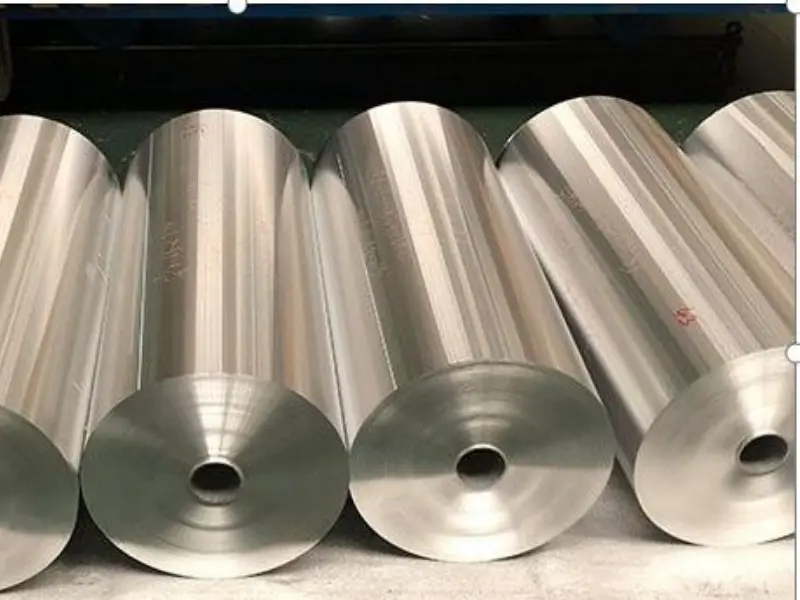
Buying directly from a manufacturer can make it easier to discuss alloy selection, roll dimensions, production requirements, and customized specifications.
For wholesale and industrial orders, buyers may benefit from:
- Multiple alloy and temper options
- Custom thickness and width
- Jumbo and slit roll formats
- Surface finish options
- Bulk order support
- Export packaging
- Technical specification confirmation
- Production planning based on order requirements
Before placing a large order, request the applicable technical data and confirm that the proposed material meets the final product requirements.
Frequently Asked Questions About Aluminum Foil in Rolls
What is the most common alloy for aluminum foil rolls?
Alloy 8011 has widely used in household and packaging foil applications. For alloy 1235 is also common in thin foil and flexible packaging. Alloy 8079 may be suitable for selected specialty packaging products. The best choice depends on the final use and required properties.
What thicknesses are available for aluminum foil rolls?
Common thicknesses range from approximately 0.006 mm to 0.20 mm for many foil product lines. Available thicknesses depend on the alloy, temper, width, and manufacturing capability. Some specialty products may require different ranges.
Can aluminum foil rolls be customized?
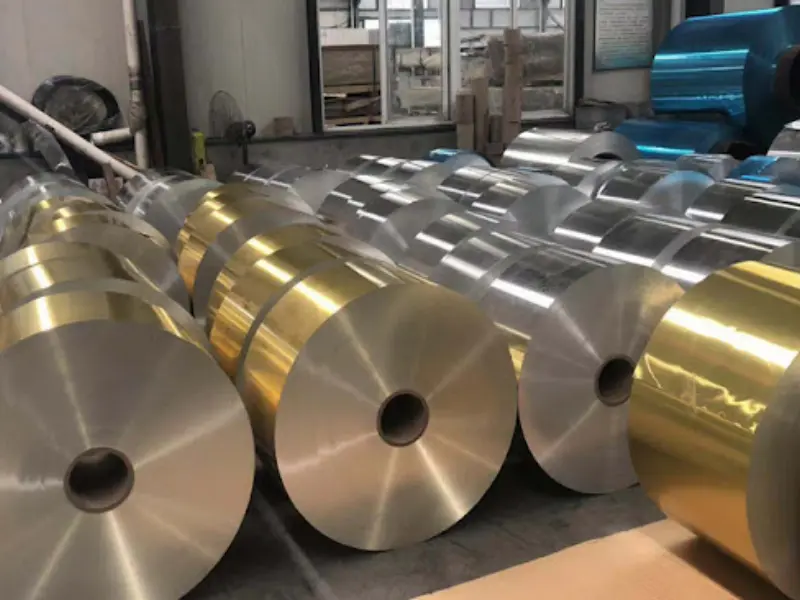
Yes. Depending on the product line, buyers can request different thicknesses, widths, roll lengths, core diameters, surface finishes, and roll weights. The supplier should confirm the available combinations before ordering.
What is the difference between 8011 and 1235 aluminum foil?
Both alloys have applications in foil production, but their suitability depends on the required mechanical properties and converting process. Alloy 8011 has applications for household and packaging foil. Alloy 1235 is common in thin foil and flexible packaging applications. Compare the full specification rather than alloy number alone.
Which temper is suitable for aluminum foil rolls?
O temper is soft and suitable for many flexible applications. Harder tempers, such as H18 or H19 where available, have applications when greater hardness is required. The appropriate temper depends on the alloy, thickness, and end use.
Are aluminum foil rolls suitable for food packaging?
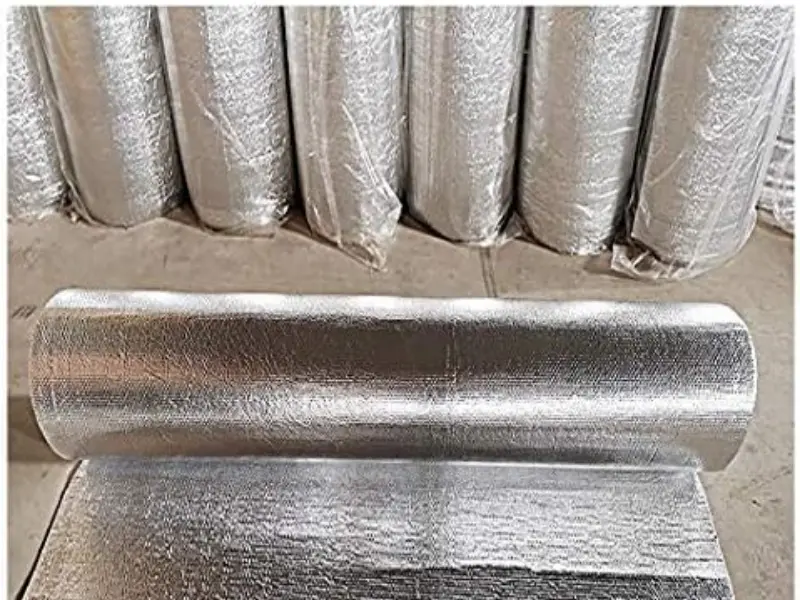
Aluminum foil has applications in many food packaging structures. However, suitability depends on the intended food contact, alloy and finish, coatings, adhesives, and applicable regulations. Buyers should confirm compliance for the finished product.
Can aluminum foil rolls be used for insulation?
Yes. Aluminum foil has applications as a layer in building, pipe, roof, and HVAC insulation products. It is often laminated with other materials. Performance depends on the complete system and installation method.
What information is needed to order aluminum foil rolls?
Provide the alloy, temper, thickness, width, roll format, core size, quantity, surface finish, application, and destination. If some details are unknown, start with the application and production requirements.
How should aluminum foil rolls be stored?
Store rolls in dry, clean conditions and protect them from moisture, condensation, and physical damage. Allow cold rolls to reach the storage environment before opening moisture-resistant packaging when condensation may occur. Proper storage helps protect the surface and reduce handling problems.
Can aluminum foil rolls be supplied in jumbo sizes?
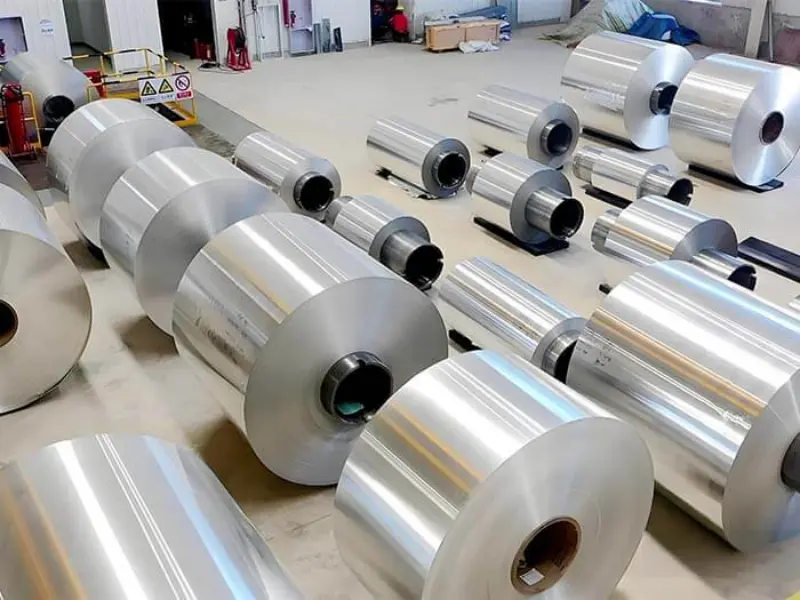
Jumbo rolls may be available for industrial converting and bulk production. The maximum roll weight, width, outside diameter, and core size depend on the production line and transport requirements. Confirm these details before placing an order.
Is thicker aluminum foil always better?
No. Thicker foil generally uses more material and may provide greater handling strength, but it can also cost more and be less flexible. The best thickness is the one that meets the required barrier, strength, and processing needs without unnecessary material use.
Get a Quote for Aluminum Foil Rolls
Looking for aluminum foil rolls for packaging, insulation, household products, or industrial conversion?

Share your required alloy, temper, thickness, width, roll dimensions, quantity, and application. If you have a technical drawing or existing specification, include it with your inquiry.
We can review your requirements and help identify suitable options for bulk supply and customized production.
Request a quotation for aluminum foil rolls and confirm the specifications before placing your order.


Leave a Comment
You must be logged in to post a comment.