Aluminum Foil for Food Packaging Supplier
Aluminum foil For food packaging supplier plays an important role in food packaging. Many businesses depend on it every day. It keeps food fresh and protects products during storage. The material is lightweight and cost-effective. Companies around the world use aluminum foil for various packaging needs.
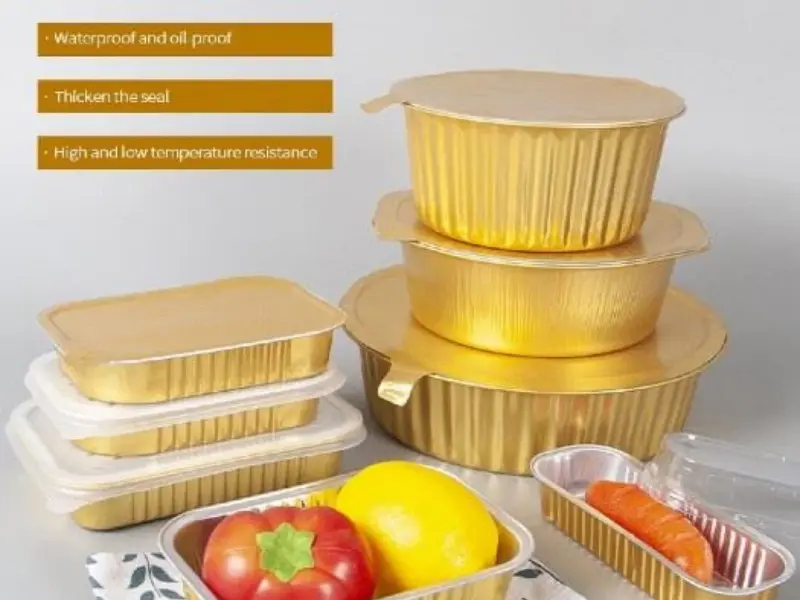
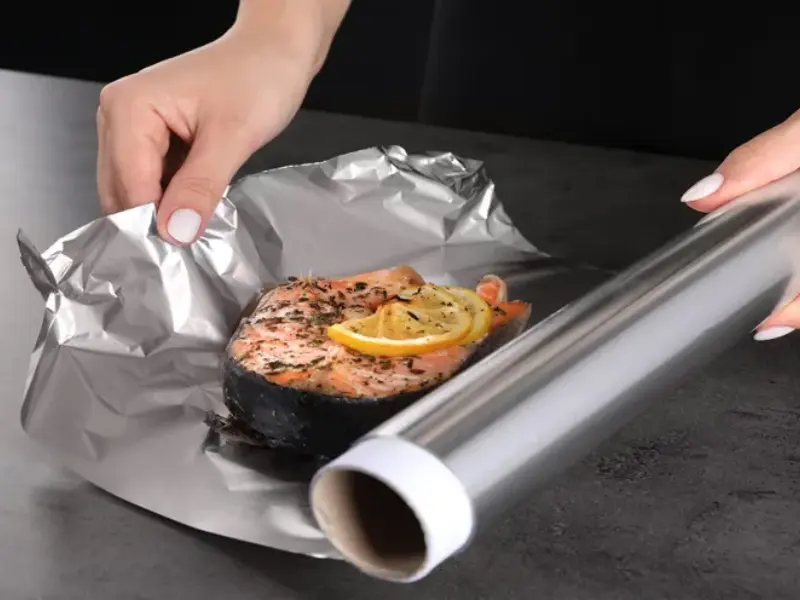
Why Choose Aluminum Foil Packaging
Aluminum foil offers clear benefits for food businesses. Here are the main reasons companies select this material:
- Excellent protection against light and oxygen
- Maintains food freshness for longer periods
- Lightweight design reduces shipping costs
- Recyclable material supports sustainability goals
- Cost-effective solution compared to other options
- Temperature resistant for hot and cold foods
- Flexible packaging works for many product types
- Barrier properties prevent contamination
Food companies choose aluminum foil because it solves real problems. The barrier protection keeps products safe. The lightweight nature makes transport easier. The price point fits most budgets.
Applications in Food Industry
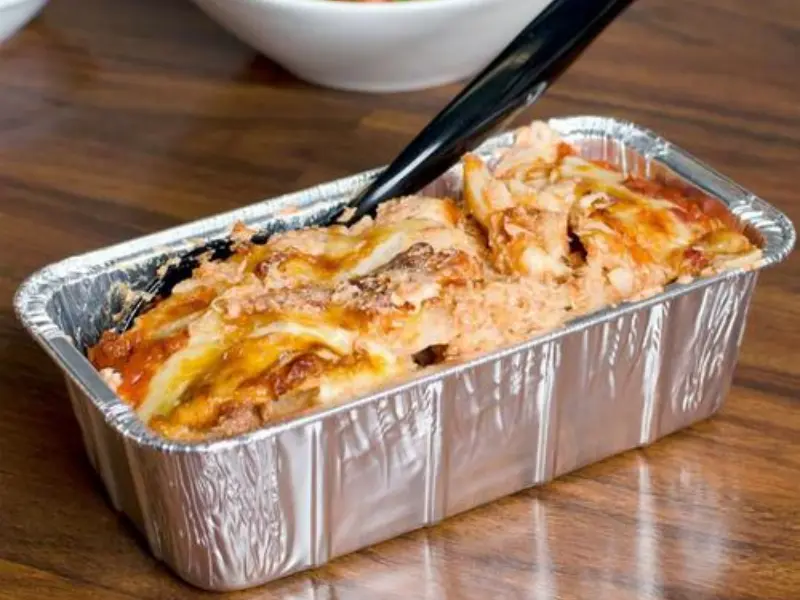
Aluminum foil serves many purposes across different sectors. Understanding these applications helps suppliers meet customer needs.
Bakery and Confectionery Products
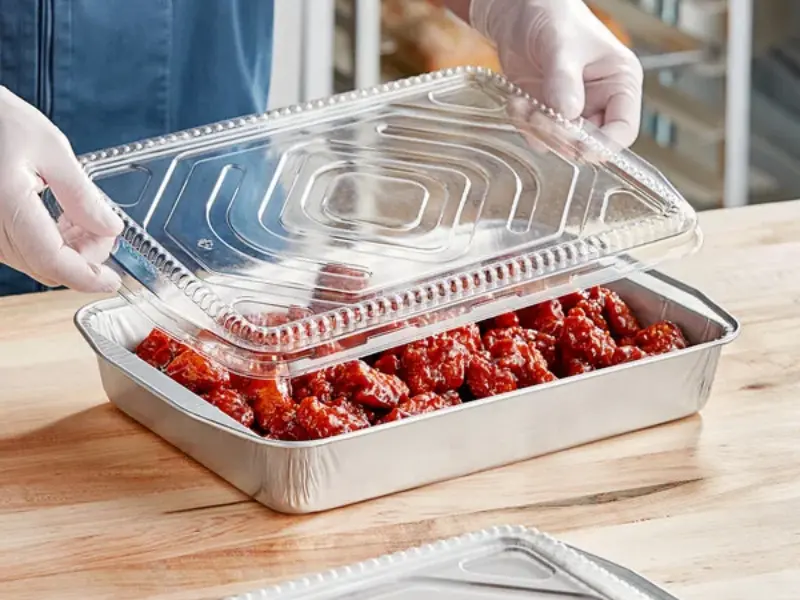
The bakery industry heavily relies on aluminum foil packaging. Bread stays fresh longer with proper wrapping. Cookies and cakes benefit from moisture protection. Chocolate products need light barriers to prevent discoloration.
Bakeries use foil for:
- Wrapping bread loaves
- Covering cake containers
- Protecting baked goods during transport
- Creating branded packaging solutions
- Maintaining product quality during storage
Ready-to-Eat Meals
Ready-to-eat food packaging requires reliable materials. Aluminum foil provides the necessary protection. These meals often sit on shelves for weeks. The barrier properties keep food safe and fresh.
Applications include:
- Sealed meal containers
- Frozen dinner packaging
- Prepared salad protection
- Deli meat wrapping
- Sandwich packaging solutions
Dairy and Cheese Products
Dairy companies need special packaging solutions. Milk bottles use foil seals. Cheese requires moisture and light protection. Yogurt containers benefit from barrier technology.
Common uses in dairy:
- Bottle caps and seals
- Cheese wrapper protection
- Butter packaging materials
- Yogurt lid covers
- Cream product wrapping
Meat and Seafood Processing
Meat and seafood need strong protection during storage. Aluminum foil prevents oxidation and freezer burn. The material maintains food quality during transport. Temperature control becomes easier with proper wrapping.
Industry applications:
- Fresh meat packaging
- Frozen seafood wrapping
- Processed meat protection
- Deli counter packaging
- Vacuum-sealed products
Beverage Industry
Beverages use aluminum foil in multiple ways. Bottle caps contain foil seals. Juice boxes feature foil layers. Coffee and tea bags use foil packaging.
Beverage applications:
- Bottle sealing materials
- Aseptic packaging layers
- Pouch and bag production
- Thermal insulation layers
- Premium product packaging
Condiments and Sauces
Condiments require tamper-proof packaging. Aluminum foil works as a seal and barrier. Sauces need protection from light exposure. The material keeps products stable on shelves.
Usage examples:
- Jar seals and covers
- Squeeze bottle wrapping
- Ketchup and mustard packaging
- Oil and vinegar protection
- Spice container seals
Product Types and Specifications Aluminum foil For food packaging supplier
Understanding different aluminum foil types helps suppliers meet specific needs. Various specifications serve different purposes.
| Product Type | Thickness (μm) | Width (mm) | Common Use | Features |
|---|---|---|---|---|
| Standard Household Foil | 10-15 | 300-450 | Home kitchen use | Easy to tear, flexible |
| Heavy-Duty Foil | 20-25 | 300-450 | Professional use | Stronger, more durable |
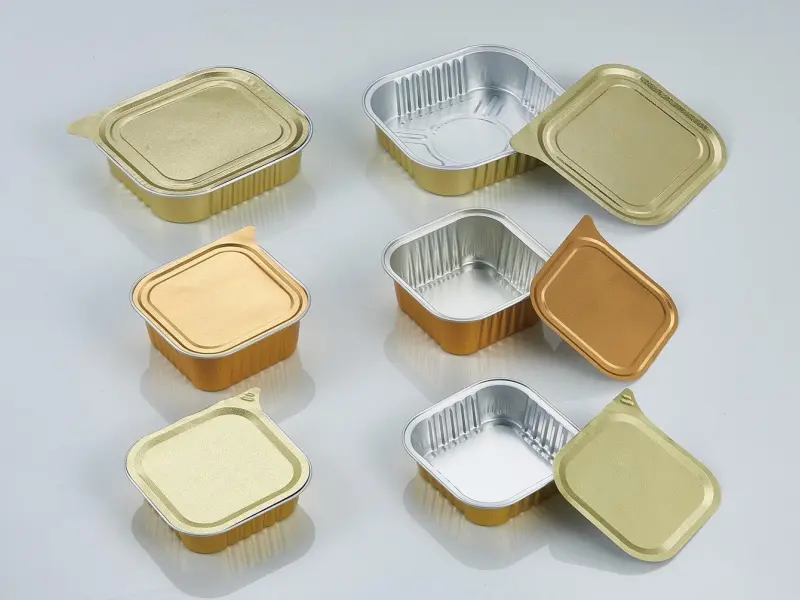
| Food Container Foil | 40-60 | 100-900 | Takeout containers | Rigid construction |
| Flexible Packaging | 6-9 | 300-1200 | Pouches and bags | Thin, formable |
| Laminated Foil | 8-20 | 300-1200 | Multi-layer packages | Combined materials |
Standard Aluminum Foil
Standard aluminum foil serves everyday packaging needs. The thickness typically ranges from 10 to 15 micrometers. It works well for wrapping and basic protection.
Specifications:
| Parameter | Range |
|---|---|
| Thickness | 10-15 μm |
| Width | 30-45 cm |
| Roll length | 50-150 meters |
| Weight per roll | 300-500 grams |
| Tensile strength | 40-60 MPa |
Standard foil suits small businesses and home use. It balances cost and performance. The material tears easily by hand. Storage takes minimal space.
Heavy-Duty Aluminum Foil
Heavy-duty foil provides superior strength and protection. The thickness reaches 20 to 25 micrometers. Professional kitchens prefer this grade.
Key details:
| Characteristic | Value |
|---|---|
| Thickness | 20-25 μm |
| Width | 30-45 cm |
| Tensile strength | 60-80 MPa |
| Durability | Enhanced |
| Price range | 15-20% higher |
Heavy-duty options suit commercial applications. The material resists tearing during handling. It performs well with hot foods. Transport protection improves significantly.
Food Container Foil
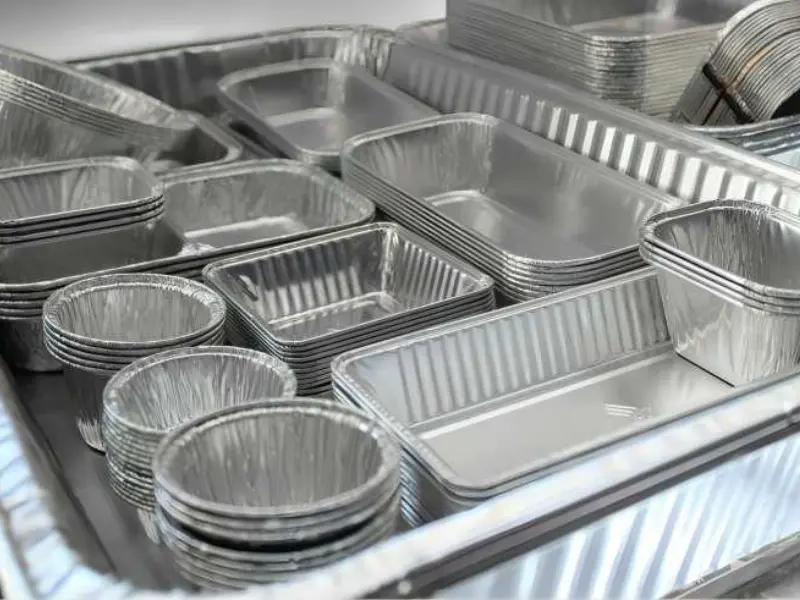
Food container foil forms rigid containers and trays. The thickness ranges from 40 to 60 micrometers. It maintains shape without support.
Specifications for containers:
| Feature | Details |
|---|---|
| Thickness | 40-60 μm |
| Alloy type | 3004, 8011 |
| Surface finish | Plain or coated |
| Strength | High rigidity |
| Common sizes | 185×285mm, 225×325mm |
Container foil suits takeout and meal packaging. The rigid design protects food better. Stackability improves warehouse efficiency. Thermal conductivity helps in heating and cooling.
Flexible Packaging Foil
Flexible foil creates pouches and standing bags. The thickness ranges from 6 to 9 micrometers. It combines lightness with protection.
Technical information:
| Property | Specification |
|---|---|
| Thickness | 6-9 μm |
| Flexibility | High |
| Barrier protection | Excellent |
| Lamination | Often multilayer |
| Width range | 30-120 cm |
Flexible packaging reduces material costs. Products appear modern and attractive. The barrier properties protect sensitive foods. Stand-up pouches improve shelf appearance.
Laminated Aluminum Foil
Laminated foil combines aluminum with paper or plastic. The total thickness varies from 8 to 20 micrometers. It offers multiple benefits from different materials.
Composition options:
| Laminate Type | Layers | Best For |
|---|---|---|
| Foil + Paper | 2 | Dry goods, bakery items |
| Foil + Plastic | 2 | Moisture-resistant packaging |
| Foil + Paper + Plastic | 3 | Premium protection |
| Foil + Kraft paper | 2 | Eco-friendly options |
Laminated products suit premium markets. The combination offers better performance. Environmental concerns decrease with paper options. Printing quality improves on laminated surfaces.
Alloy Types Used in Food Packaging
Different aluminum alloys serve specific purposes. The alloy selection affects performance characteristics.
1000 Series Alloys
The 1000 series contains 99% pure aluminum. This series offers excellent corrosion resistance. Food industry applications use this series frequently.
Common grade: 1100
- Pure aluminum content: 99.0%
- Excellent formability
- Superior corrosion resistance
- Ideal for flexible packaging
- Lower strength than other series
1100 alloy works well for simple wrapping and bags. The material forms easily into desired shapes. Food contact approval comes naturally. Cost remains reasonable for most applications.
3000 Series Alloys
The 3000 series contains manganese. Manganese increases strength significantly. This series balances strength and formability.
Common grade: 3004
- Manganese content: 1-1.5%
- Better strength than 1100
- Improved rigidity for containers
- Good barrier properties
- Widely used for takeout containers
3004 alloy suits rigid containers better. The material maintains shape during production. Storage stability improves. Food companies prefer this alloy for container applications.
8000 Series Alloys
The 8000 series includes various elements. This series emphasizes barrier properties and durability.
Common grade: 8011
- Iron and silicon content
- Excellent barrier protection
- Superior heat resistance
- Ideal for laminated products
- Better performance in thermal cycling
8011 alloy works for complex applications. The barrier properties protect sensitive foods. Temperature changes don’t affect performance. Premium packaging uses this alloy frequently.
Surface Finish Options Aluminum foil For food packaging supplier
The surface finish affects appearance and functionality.
Plain Surface Finish
Plain finish shows natural aluminum. No coating or treatment is applied. This finish suits most food packaging.
Characteristics:
- Natural metallic appearance
- Lower cost
- Suitable for direct food contact
- Easy to print on (with treatment)
- Standard in industry
Plain finishes work for everyday products. Bakeries and meat processors use this finish. The appearance feels traditional and trustworthy. Recycling becomes easier.
Coated Surface Finish
Coating improves barrier properties and printability. Manufacturers apply various coatings for different purposes.
Common coating types:
- Lacquer coatings – improve printing adhesion
- Varnish finishes – enhance water resistance
- Proprietary barriers – maximize food protection
- Heat-resistant coatings – for hot food packaging
Coated finishes suit premium products. Better print quality increases appeal. Additional protection matters for sensitive foods. Cost increases moderately.
State and Physical Properties Aluminum foil For food packaging supplier
Aluminum foil exists in different states. Understanding these states helps match products to applications.
Annealed State (O Temper)
Annealed foil undergoes heat treatment. This process softens the material. The result is maximum flexibility.
Properties:
- Maximum elongation (45-50%)
- Lower tensile strength (40-60 MPa)
- Easy to fold and crease
- Excellent for wrapping applications
- Less likely to crack
Annealed foil suits general wrapping needs. Bakeries prefer this state for bread wrapping. The material tears predictably by hand. Creasing works without breaking.
Half-Hard State (H18 Temper)
Half-hard foil receives partial hardening. This state balances strength and formability.
Characteristics:
- Moderate elongation (20-30%)
- Better tensile strength (80-100 MPa)
- Improved creasing ability
- Good for light containers
- Enhanced durability
Half-hard state works for transitional applications. Small containers form without problems. The material resists damage better. Professional use prefers this state.
Hard State (H19 Temper)
Hard state foil receives maximum hardening. This state emphasizes strength over flexibility.
Features:
- Minimum elongation (10-15%)
- Maximum tensile strength (100-130 MPa)
- Excellent rigidity
- Poor creasability
- Best for container applications
Hard state suits rigid containers. The material maintains shape during stacking. Food protection improves. Transportation becomes safer.
Quality Standards and Compliance
Food packaging must meet strict standards. Understanding compliance requirements is essential.
International Standards
ISO 8894 – Aluminum foil for food packaging
- Specifies dimensions and tolerances
- Sets purity requirements
- Defines barrier properties
- Covers all food packaging applications
ISO 9001 – Quality management systems
- Manufacturers must implement quality control
- Regular testing and verification required
- Continuous improvement standards
- Supplier certification programs
Food Contact Regulations
Different countries have specific food contact rules.
| Region | Standard | Requirements |
|---|---|---|
| European Union | EU Regulation 1935/2004 | Purity, migration limits, traceability |
| United States | FDA regulations | Migration testing, safe materials list |
| China | GB 4806.1 | Food safety standards, testing requirements |
| Japan | JBPA standards | Specific material specifications |
Manufacturers must test for migration limits. Migration refers to material transfer to food. Standards set maximum safe levels. Documentation and certification prove compliance.
Applications by Thickness Aluminum foil For food packaging supplier
Different thicknesses serve different purposes. Selecting proper thickness reduces waste and costs.
Thin Foil (6-10 μm) Applications
Uses:
- Flexible pouches and bags
- Laminated multilayer packages
- Lightweight wrapping for dry goods
- Flexible seal layers
- Moisture barrier in composites
Thin foil reduces weight and material costs. Flexibility enables creative packaging designs. Environmental impact decreases with lower material use. Suitable for non-demanding applications.
Medium Foil (15-25 μm) Applications
Uses:
- Standard household wrapping
- Professional kitchen use
- Small rigid containers
- Confectionery wrapping
- Beverage bottle seals
Medium thickness balances cost and durability. Professional kitchens prefer this range. Performance meets most requirements. Price remains competitive.
Thick Foil (40-60 μm) Applications
Uses:
- Large takeout containers
- Rigid food trays
- Heavy-duty food storage
- Industrial processing
- Stackable container systems
Thick foil provides superior rigidity. Containers maintain shape through supply chains. Industrial applications demand this thickness. Higher cost justifies improved performance.
Heavy Foil (60+ μm) Applications
Uses:
- Commercial food storage
- Industrial heat exchangers
- Specialized containers
- Heavy-duty processing
- Premium packaging solutions
Heavy foil suits demanding applications. Industrial processes generate extreme conditions. The material withstands heat and pressure. Cost is secondary to performance.
Buying Guide for Food Businesses
Selecting the right aluminum foil requires understanding your specific needs.
Small Bakeries
Recommended specifications:
- Standard or heavy-duty household foil
- Thickness: 15-20 μm
- Roll width: 30-45 cm
- Quantity: 20-50 rolls per month
Small bakeries benefit from heavy-duty foil. The material withstands handling better. Professional appearance improves customer perception. Cost per unit remains low.
Meat and Fish Processors
Recommended specifications:
- Food container foil or heavy-duty grade
- Thickness: 25-40 μm
- Alloy: 3004 or 8011
- Custom widths: 50-100 cm
Processors need reliable protection. Meat products require excellent barrier properties. Container foil provides necessary rigidity. Customization meets specific production needs.
Frozen Food Manufacturers
Recommended specifications:
- Laminated foil products
- Thickness: 8-20 μm
- Alloy: 8011 for superior barrier
- Coating: Varnish or lacquer finish
Frozen foods face temperature cycling stress. Laminated materials provide optimal protection. Barrier properties prevent freezer burn. Premium appearance justifies higher costs.
Beverage Companies
Recommended specifications:
- Flexible foil for pouches
- Thin gauge: 6-9 μm
- Alloy: 1100 for formability
- Coating: Lacquer for printing
Beverage packaging emphasizes appearance. Thin foil reduces product weight. Printing quality improves with coated surfaces. Cost efficiency matters in high-volume production.
Takeout and Catering Services
Recommended specifications:
- Rigid container foil
- Thickness: 40-60 μm
- Pre-formed containers available
- Various sizes: small to large trays
Ready-to-use containers reduce labor costs. Rigid design protects food during transport. Stackability improves efficiency. Professional appearance strengthens brand image.
Environmental and Sustainability Aspects
Environmental responsibility matters increasingly to consumers.
Recyclability
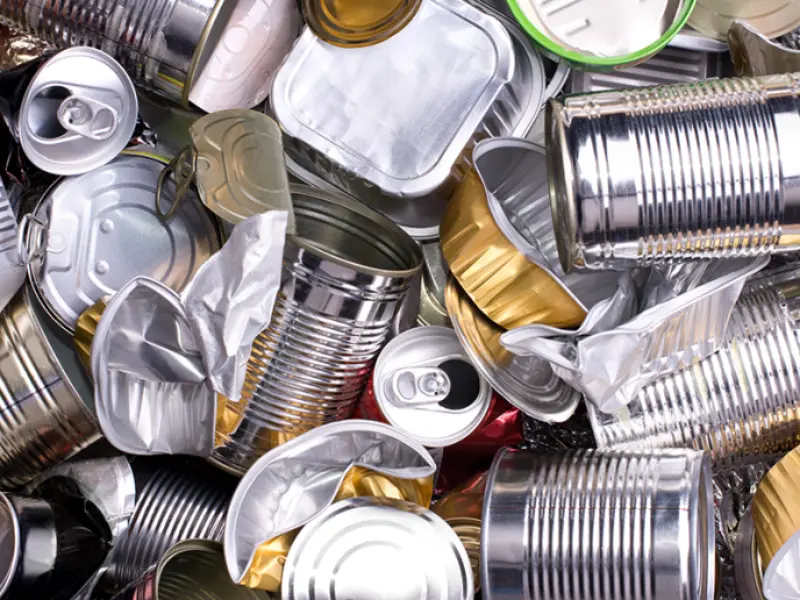
Aluminum foil is infinitely recyclable. The material loses no properties during recycling. Recycling reduces energy consumption by 95% compared to primary production.
Recycling benefits:
- Lower carbon footprint
- Reduced mining requirements
- Cost savings in production
- Support for circular economy
- Consumer satisfaction improvement
Sustainability Practices
Responsible suppliers adopt sustainable methods.
- Use recycled aluminum content
- Implement waste reduction programs
- Optimize energy consumption
- Minimize water usage
- Support certification programs
Forward-thinking companies market their sustainability efforts. Customers increasingly prefer eco-conscious products. Environmental responsibility improves brand reputation.
Aluminum Foil for Food Packaging: A Complete Guide for Suppliers
Aluminum foil For food packaging supplier serves countless applications across the food industry. The material offers reliable protection, cost-effectiveness, and environmental benefits. Different types and specifications allow suppliers to meet diverse customer needs.
Understanding alloy types, thicknesses, and finishes helps in selecting appropriate products. Quality standards ensure food safety and compliance. Whether for bakeries, processors, or beverage companies, aluminum foil remains an essential packaging solution.
Choosing the right supplier matters significantly. Quality, consistency, and reliability build trust. Suppliers who understand customer needs provide better service. The food industry continues to depend on aluminum foil for maintaining product quality and meeting consumer expectations.
For businesses seeking aluminum foil for food packaging, evaluating your specific needs guides proper selection. Work with experienced suppliers who offer various options and technical support. Quality packaging protects your product and enhances your brand in competitive markets.

Leave a Comment
You must be logged in to post a comment.