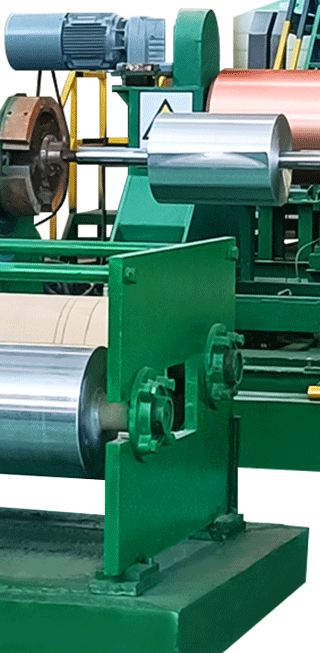
Aluminum foil for cable shielding manufacturer
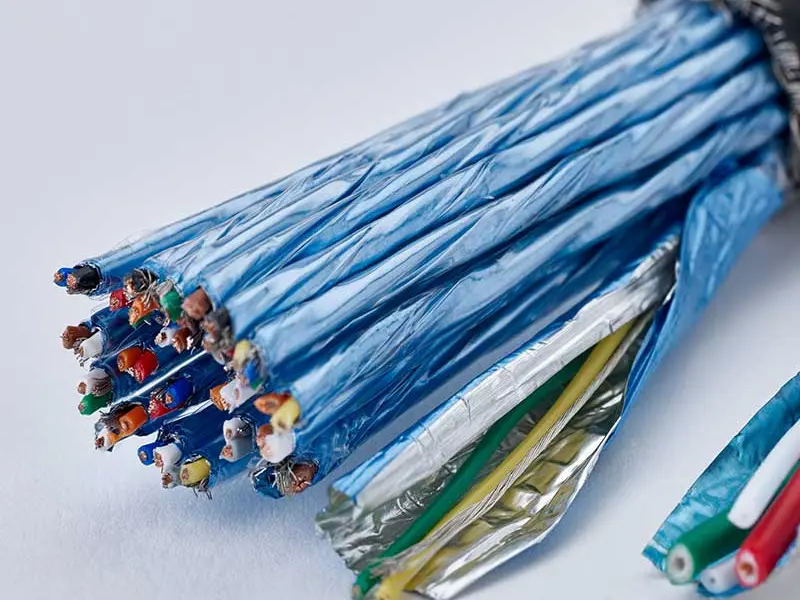
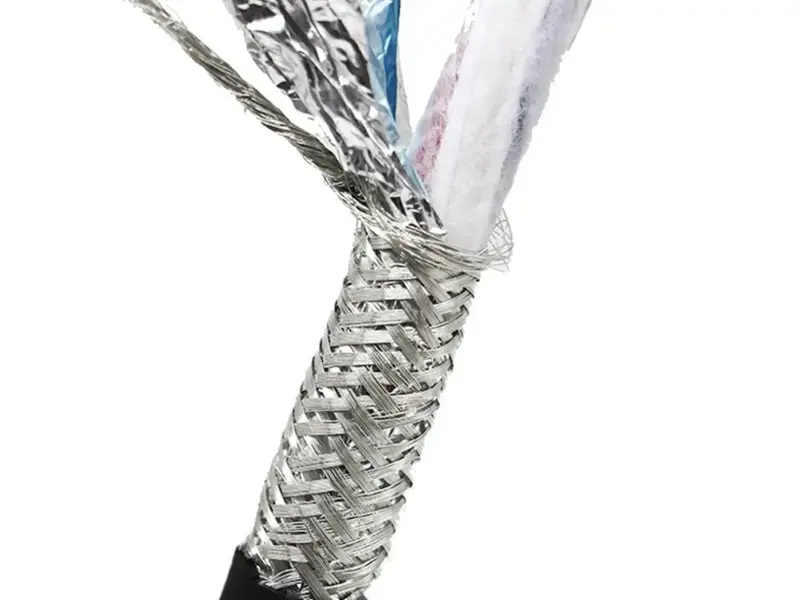
Aluminum foil for cable shielding manufacturer To work correctly, these cables need protection from interference. This is where a professional aluminum foil for cable shielding manufacturer plays a vital role.
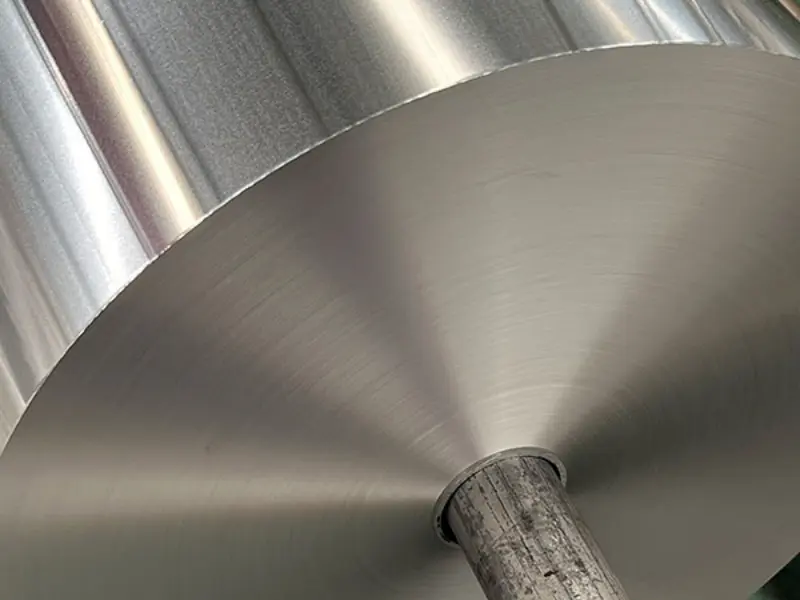
Aluminum foil is the most common material used to shield cables. it is lightweight, cost-effective, and highly efficient at blocking electromagnetic interference (EMI).
Technical Specifications for Cable Shielding Foil
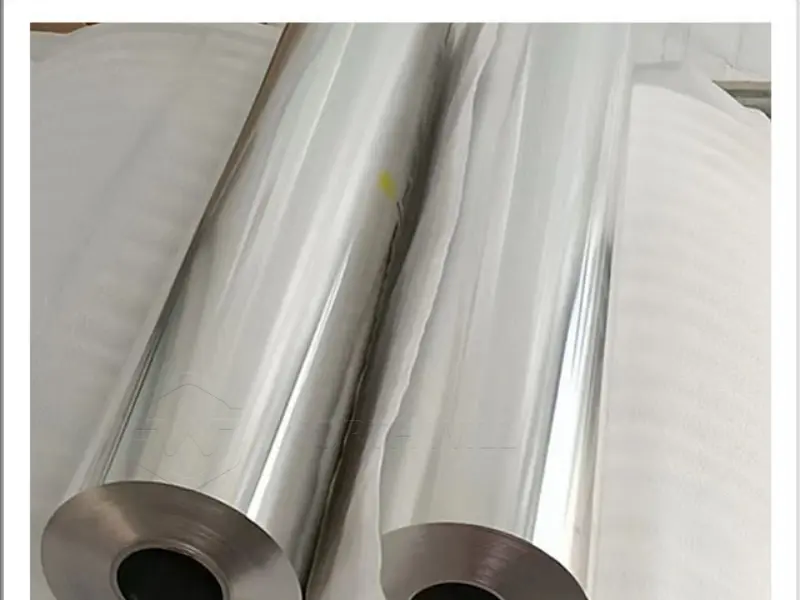
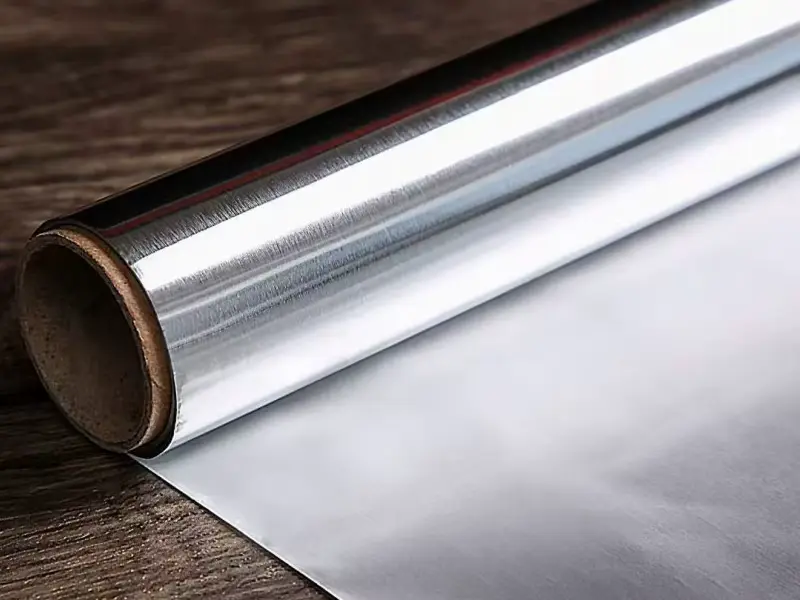
A reliable aluminum foil for cable shielding manufacturer provides specific alloys and tempers to meet industrial standards. The foil must be flexible enough to wrap around wires but strong enough not to tear.
Material Properties Table
| Feature | Specification | Details |
|---|---|---|
| Common Alloys | Alloy 1235, 8011, 1145, 1100 | High purity for better conductivity. |
| Temper | O (Soft) | Annealed to be very flexible for cable wrapping. |
| Thickness | $$0.006mm$$ to $$0.2mm$$ | Depending on the level of shielding required. |
| Width | $$10mm$$ to $$1600mm$$ | Custom slitting available for different cable diameters. |
| Surface | One side bright, one side matte | Usually clean and oil-free for better bonding. |
Different Types of Shielding Products
As a leading aluminum foil for cable shielding manufacturer, we offer various product structures. Each type serves a different purpose in the wire and cable industry.
1. Pure Aluminum Foil
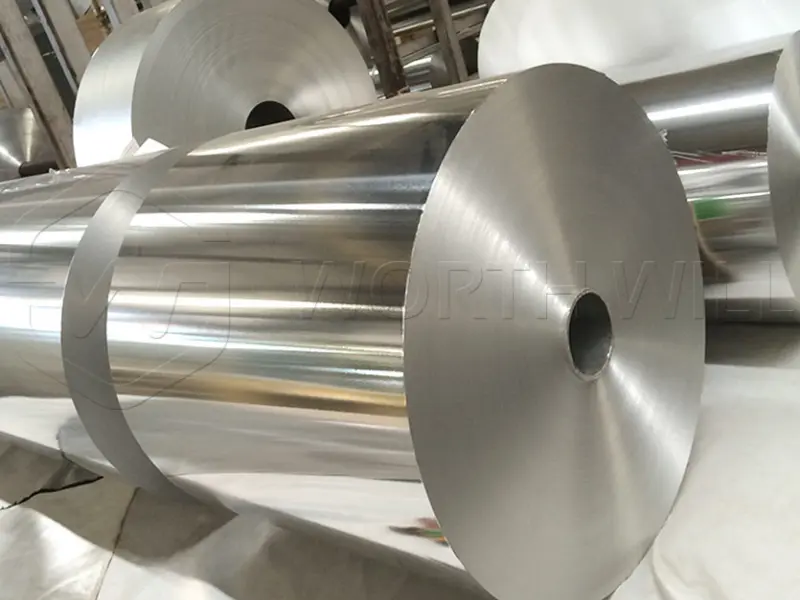
This is standard foil used for simple wrapping. It provides basic EMI protection. It is often used in low-frequency power cables.
2. Aluminum Mylar Tape (AL/PET)

This is the most popular product. It consists of aluminum foil laminated to a polyester film (PET).
- AL + PET: Aluminum on one side.
- AL + PET + AL: Aluminum on both sides for maximum shielding.
- Benefit: The PET film adds strength and insulation, making it hard to break during high-speed cable manufacturing.
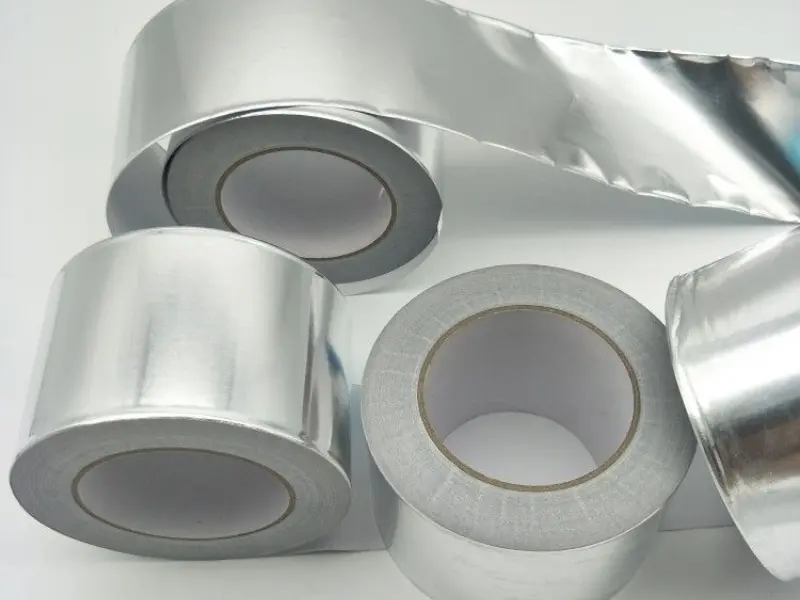
3. Aluminum Foil Tape with Adhesive
Some cables require the foil to stick directly to the insulation. This type has a conductive or non-conductive adhesive layer.
Key Applications: Where is Cable Shielding Used?
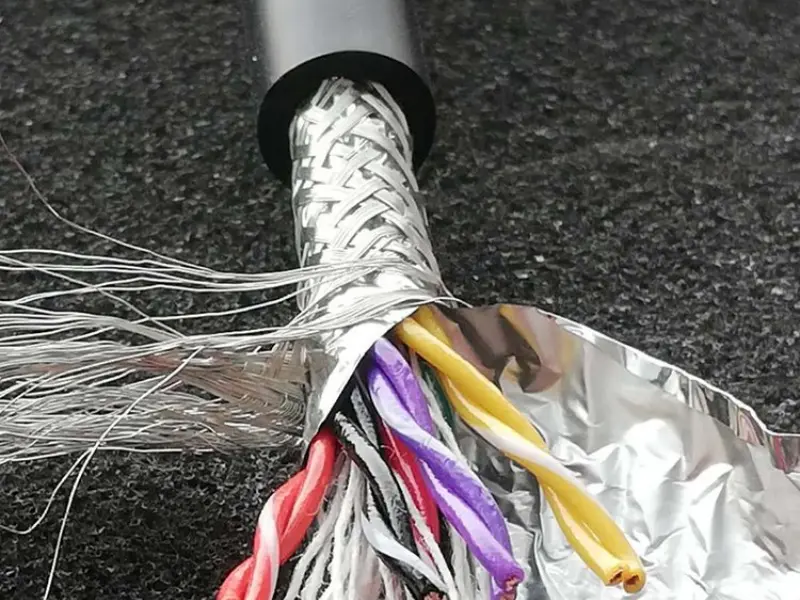
The demand for high-quality shielding is growing. Here is a look at the diverse applications of products from an aluminum foil for cable shielding manufacturer.
1. Telecommunications and Data Centers
This is the largest market for shielded cables.
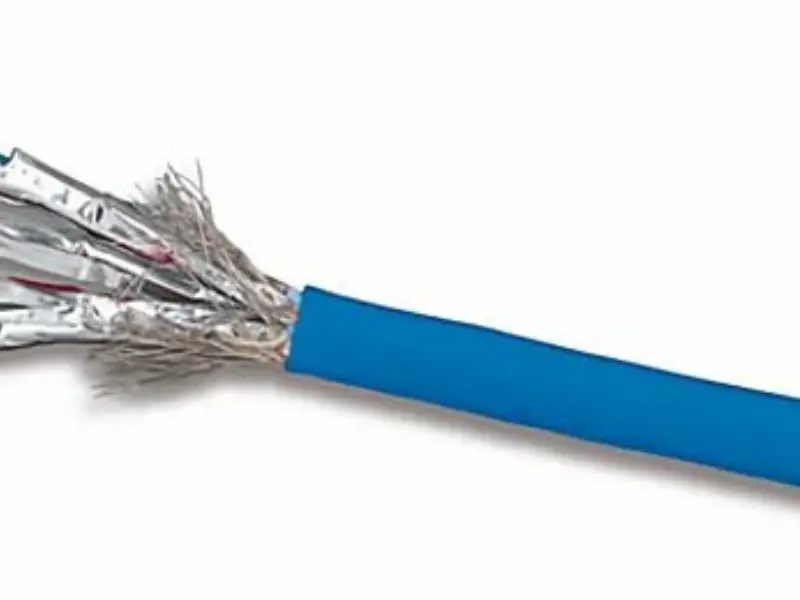
- Ethernet Cables (CAT6, CAT7, CAT8): Foil shielding prevents “crosstalk” between wires. This ensures fast internet speeds.
- Fiber Optic Cables: Even though they carry light, the internal metallic components often need shielding.
- Coaxial Cables: Used for cable TV and broadband. The foil layer prevents signal leakage.
2. Automotive Industry
Modern cars are like computers on wheels. They have many sensors and electronic control units (ECUs).
- Electric Vehicles (EV): High-voltage battery cables create massive EMI. Foil shielding is essential to protect the car’s radio and GPS.
- Autonomous Driving: Radar and camera sensors need clean signals to operate safely.
- Infotainment Systems: Shielding prevents engine noise from affecting the audio system.
3. Aerospace and Defense
In planes and satellites, weight is everything. Aluminum foil is much lighter than copper braiding.
- Avionics: Navigation systems must be protected from external radio interference.
- Military Radios: Shielding prevents the interception of signals and protects against electronic warfare.
4. Medical Equipment
Hospitals are full of sensitive machines.
- MRI and ECG Machines: These devices detect tiny electrical signals from the human body. Any outside interference can cause a wrong diagnosis.
- Surgical Robots: Precision control requires cables that are perfectly shielded from room noise.
5. Industrial Automation
Factories use large motors and robotic arms. These machines create a lot of electrical “noise.”
- Control Cables: Foil shielding ensures that the command from the computer reaches the robot without errors.
- Power Transmission: Shielding prevents high-voltage lines from interfering with nearby communication lines.
Comparison of Shielding Materials
Why do manufacturers choose aluminum over other metals?
| Material | Conductivity | Weight | Cost | Flexibility |
|---|---|---|---|---|
| Aluminum Foil | Good | Very Light | Low | Excellent |
| Copper Tape | Excellent | Heavy | High | Moderate |
| Steel Tape | Poor | Very Heavy | Moderate | Low |
Why Choose a Professional Manufacturer?
Buying from an experienced aluminum foil for cable shielding manufacturer ensures the quality of your end product.
Quality Control
High-quality manufacturers use “online pinhole detection.” This ensures there are no tiny holes in the foil that could let signals through.
Custom Slitting
Cables come in many sizes. A good manufacturer can slit the foil into very narrow widths, such as $$10mm$$ or $$15mm$$, with high precision.
Bonding Strength
For AL/PET tapes, the bond between the foil and the film must be perfect. If they peel apart, the cable may fail during installation.
Frequently Asked Questions (FAQ)
What is the purpose of aluminum foil in a cable?
The primary purpose is to act as a shield. It reflects and absorbs electromagnetic interference (EMI) to protect the signal inside the cable.
Is Alloy 1235 or 8011 better for cables?
Both are good. Alloy 1235 has higher aluminum content and better conductivity. Alloy 8011 is slightly stronger. Most manufacturers use Alloy 1235 for thin shielding foils.
Can aluminum foil shielding be recycled?
Yes. Aluminum is highly recyclable. When cables are processed for scrap, the aluminum can be separated and reused.
How thick should the foil be for CAT6 cables?
Most CAT6 cables use a foil thickness between $$0.025mm$$ and $$0.050mm$$ (including the PET layer).
Product Specifications by Application
| Application | Recommended Structure | Thickness (Microns) |
|---|---|---|
| Home Internet (LAN) | AL + PET | $$25 – 30\mu m$$ |
| Car Sensors | AL + PET + AL | $$35 – 50\mu m$$ |
| Industrial Robots | Pure Foil (Heavy Duty) | $$50 – 100\mu m$$ |
| Medical Imaging | Copper-Coated Aluminum | $$40 – 60\mu m$$ |
Aluminum foil for cable shielding manufacturer Choosing the right aluminum foil for cable shielding manufacturer is the first step in building a reliable network or machine. By focusing on the correct alloy, thickness, and structure, you ensure that your cables will perform under any conditions. Contact us today for a quote on bulk orders and custom specifications.
Leave a Comment
You must be logged in to post a comment.