Aluminum Foil vs. Plastic vs. Paper: Choosing the Best Packaging
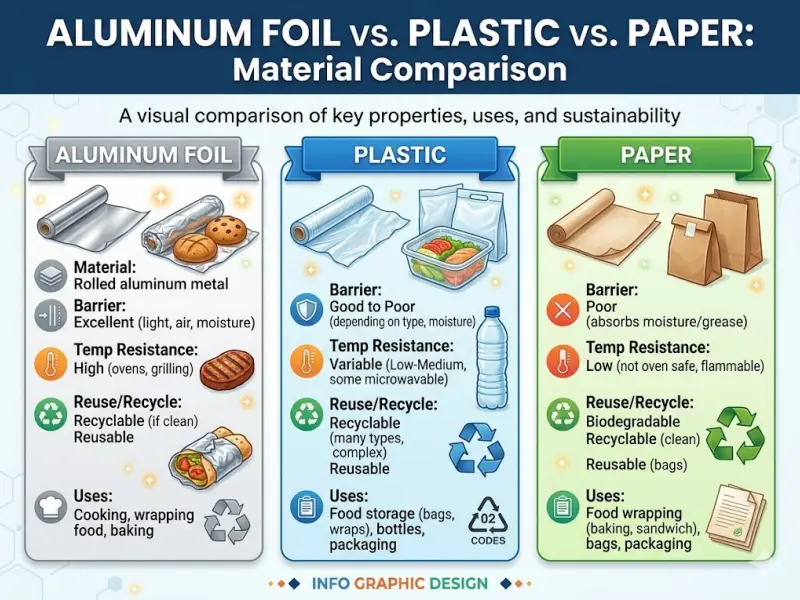
When you decide how to wrap or pack a product, the choice usually comes down to three materials: Aluminum Foil vs. Plastic vs. Paper. Each material has its own strengths. Some are better for keeping food fresh. Others are better for the environment.
Technical Comparison: Performance Table
This table shows how these materials perform in real-world conditions. This is the heart of the Aluminum Foil vs. Plastic vs. Paper debate.
| Feature | Aluminum Foil | Plastic (PE/PET) | Paper |
|---|---|---|---|
| Barrier to Light | 100% (Total) | Low to Medium | Low |
| Barrier to Oxygen | Excellent | Moderate | Very Poor |
| Moisture Resistance | Excellent | Good | Poor (unless coated) |
| Heat Resistance | Up to 600∘C | Low (Melts) | Moderate (Burns) |
| Flexibility | High (Dead-fold) | Very High | High |
| Recyclability | Infinitely Recyclable | Difficult/Limited | Very Easy |
The Role of Aluminum Foil in Packaging
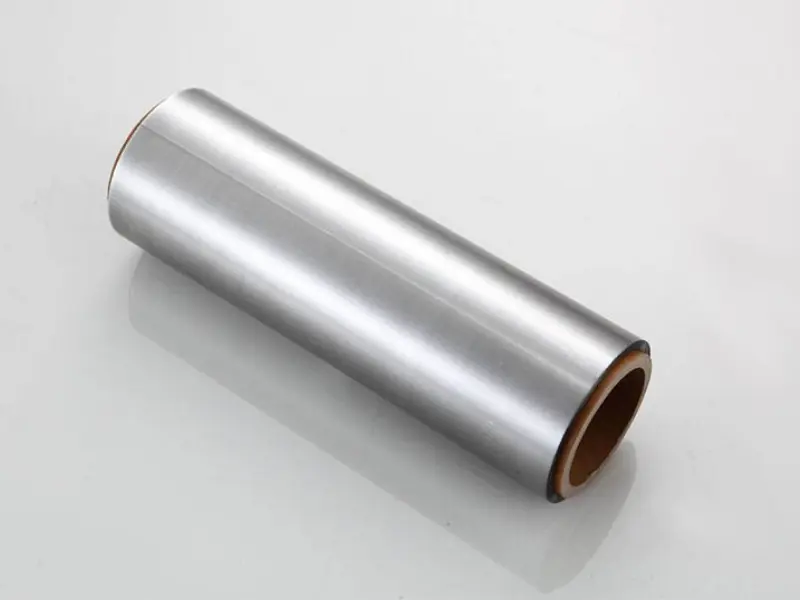
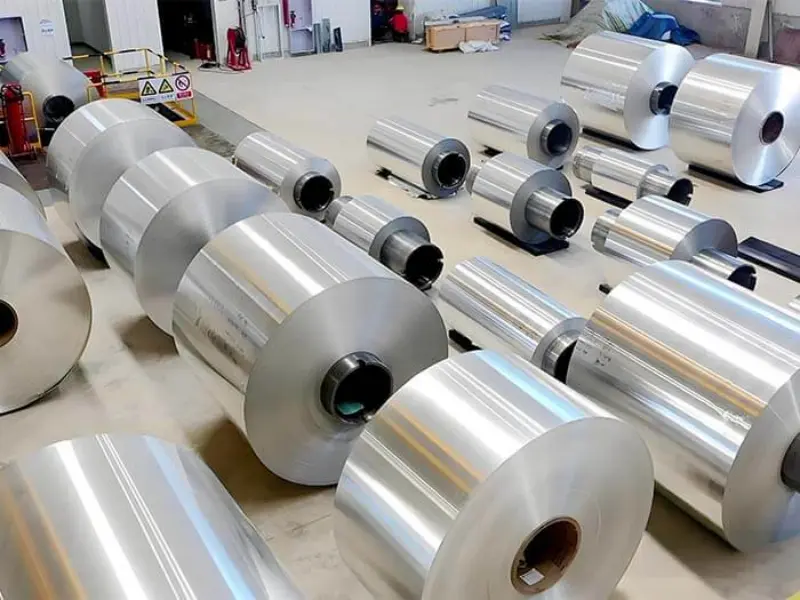
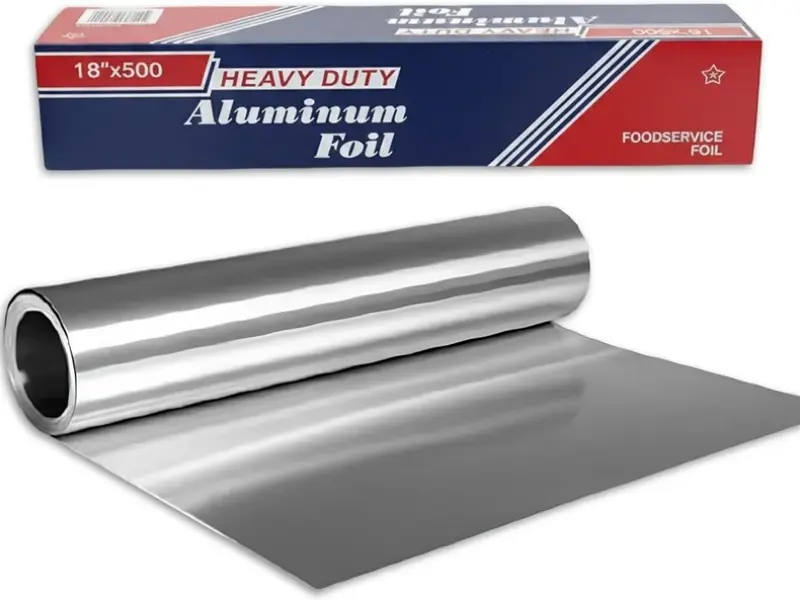
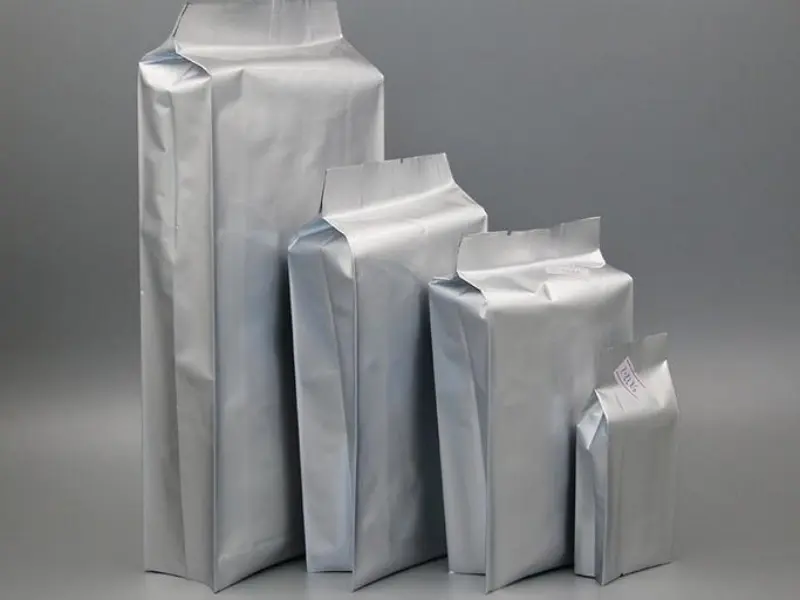
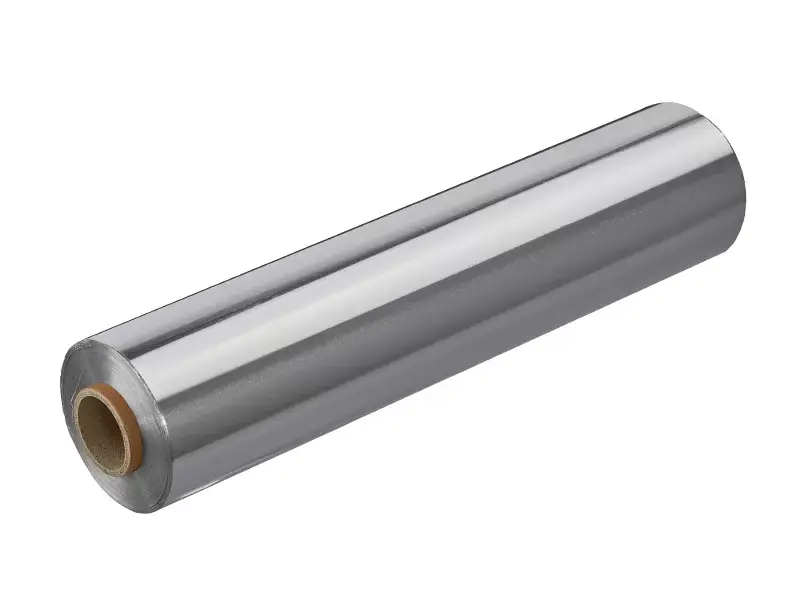
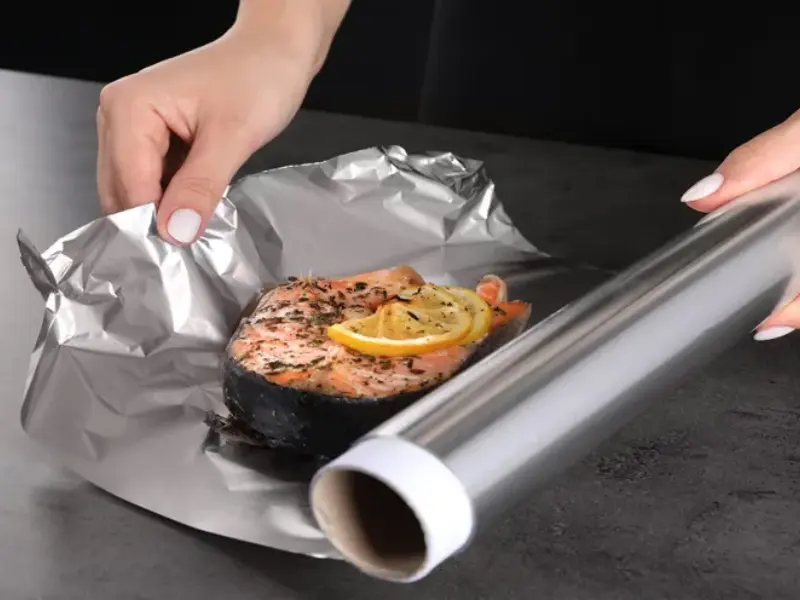
In the choice of Aluminum Foil vs. Plastic vs. Paper, aluminum is the premium choice for protection. To understand why, we must look at the specific types of aluminum used.
Common Aluminum Alloys Used
The strength and flexibility of the foil depend on the alloy. An alloy is a mix of metals.
- Alloy 8011: This is the standard for household foil. It has uses for medicine packs. It is very strong and stays clean.
- Alloy 1235: This has 99.35% aluminum. It has uses for flexible packaging. You find it in cigarette liners or juice boxes.
- Alloy 3003: This has uses for food containers. It is more rigid. It holds its shape when you put heavy food inside.
The State and Temper of the Metal
- O (Soft): Most packaging foil is “Soft O.” It is easy to wrap. It does not spring back. This is called “dead-fold” property.
- H18 (Hard): This is stiff. It is used for “push-through” pill packs. It breaks easily when you press it, which is good for getting medicine out.
Digital Specs and Sizes
Here are the typical specifications for these materials. This helps engineers choose the right thickness.
Aluminum Foil Specifications
| Property | Value Range |
|---|---|
| Common Thickness | 6μm to 50μm |
| Standard Width | 200mm to 1600mm |
| Surface Quality | Clean, No oil, No pinholes |
Plastic and Paper Specifications
- Plastic Film Thickness: Usually 12μm to 100μm.
- Paper Weight: Usually 40g/m2 to 120g/m2.
High-Quality Aluminium Foil Packaging Material for Global Industry
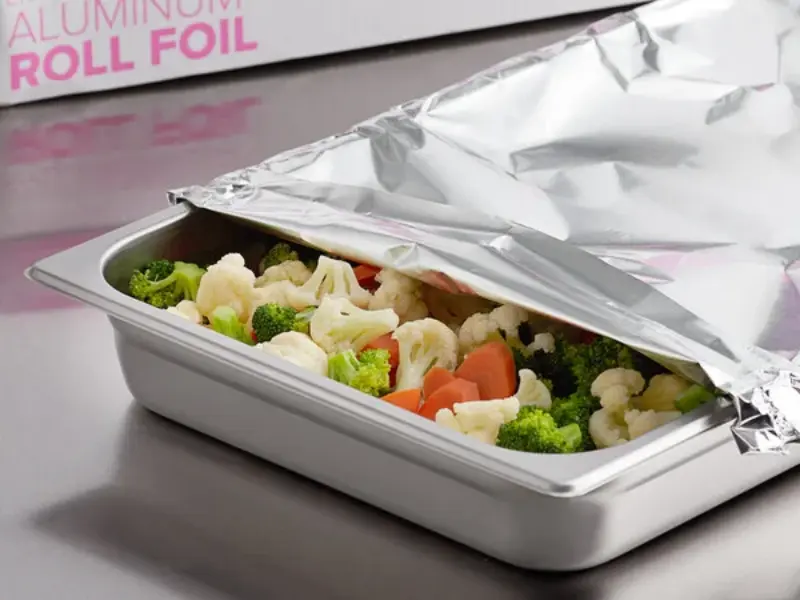
As a leading provider of aluminium foil packaging material, we offer high-performance solutions designed to meet the most demanding barrier requirements.
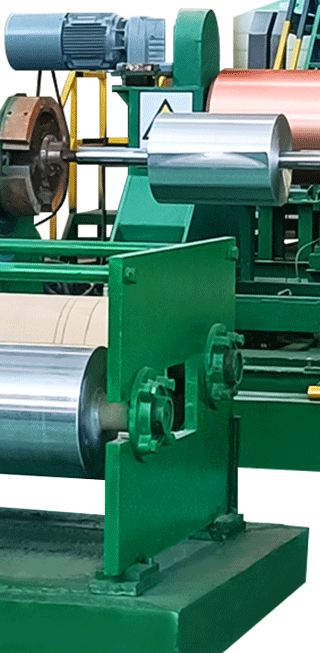
Our foil is manufactured using advanced rolling technology, ensuring a pinhole-free surface that provides an absolute barrier against moisture, oxygen, and light.
Whether you are looking for flexible laminates or industrial-grade rolls, our materials provide the durability and flexibility your brand needs to stand out in a competitive market.
Technical Specifications |
| Technical Index | Specification Details |
| Common Alloys | 8011, 1235, 8079 |
| Temper | Soft (O), Half Hard (H14), Hard (H18) |
| Thickness | $6 \mu m – 50 \mu m$ (Customizable) |
| Width | $100mm – 1600mm$ |
| Core Material | Aluminum, Steel, or Paper Core ($76mm / 152mm$) |
| Standard Compliance | FDA, ISO 9001, SGS, REACH |
Professional Aluminium Foil Packaging for Food Safety
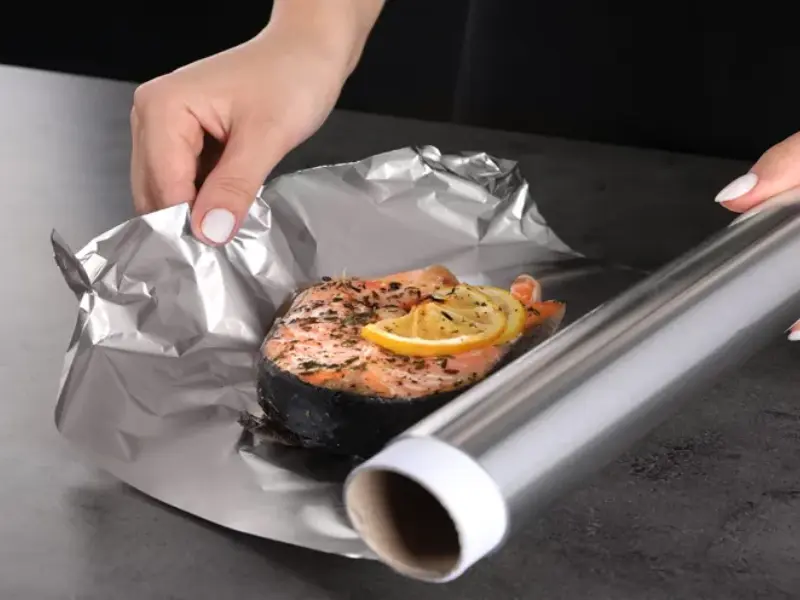
Our aluminium foil packaging for food is specifically engineered to preserve the freshness, aroma, and nutritional value of perishable goods.
In the modern food supply chain, shelf-life extension is critical. By using our food-grade foil, you ensure that your products remain uncontaminated and protected from UV rays and oxidation. It is the ideal choice for a wide range of applications, including:
- Confectionery & Snacks: Premium chocolate wrapping and biscuit liners.
- Dairy Products: High-seal lidding foil for yogurt and butter.
- Retort & Ready-to-Eat: Heat-resistant foil for sterilized pouches.
- Coffee & Tea: Triple-laminated foil for maximum aroma retention.
Why Partner With Us for Your Packaging Solutions?
Choosing the right aluminium foil packaging material means choosing reliability. Our products are not only functional but also sustainable, offering 100% recyclability to meet global environmental standards. With superior tensile strength and excellent dead-fold characteristics, our foil runs smoothly on high-speed packing lines, reducing downtime and material waste. We provide customized printing and embossing services to help your food packaging effectively communicate your brand’s quality to the end consumer.
Performance Analysis: Protection and Shelf Life
When we talk about Aluminum Foil vs. Plastic vs. Paper, protection is the most important factor.
Shelf Life and Barrier Quality
- Aluminum Foil: It can keep food fresh for 12 to 24 months. This is because it stops all UV light and oxygen. It prevents the oils in food from going bad.
- Plastic: It keeps food fresh for a few weeks or months. It is not a perfect barrier. Small amounts of oxygen slowly leak through the plastic.
- Paper: It is only for dry goods. It protects against dust. It does not protect against humidity. If paper gets wet, the product inside is ruined.
Environmental Impact
- Paper is the best for “biodegradability.” It disappears in nature in a few weeks.
- Aluminum Foil is the best for the “circular economy.” You can melt it and make new foil forever. This saves 95% of the energy used to make new metal.
- Plastic is the most difficult. Most plastic ends up in the ocean. It takes 400 years to break down.
Cost Factors
- Plastic is the cheapest. It is the best for low-cost snacks.
- Paper is medium-priced.
- Aluminum Foil is the most expensive. But it protects the product better. This means less food is wasted.
Application Areas: Where Each One Wins
Where Aluminum Foil Wins
- Pharmaceuticals: For tablets that must stay perfectly dry.
- Aseptic Packaging: For milk boxes that stay fresh without a fridge.
- High-End Chocolate: To keep the smell of the chocolate inside the wrapper.
- Oven Meals: Because it can go from the freezer to a 200∘C oven safely.
By Where Plastic Wins
- Beverage Bottles: For water and soda because plastic can hold the pressure.
- Frozen Foods: Plastic stays flexible even at −20∘C.
- Transparent Bags: When the customer needs to see the food before buying.
Where Paper Wins
- Flour and Sugar: Large bags that need to breathe.
- Fast Food: Burger wraps and fry boxes.
- Eco-Friendly Shipping: Cardboard boxes for online shopping.
Product Types in the Market
To help you decide, here are specific products that combine these materials.
Laminated Foil (The Hybrid)
Why choose only one? Many coffee bags use all three. They have a layer of Paper on the outside for a natural look. They have Aluminum Foil in the middle for protection. They have Plastic on the inside so the bag can be heat-sealed.
Blister Packs
This is a mix. A plastic “bubble” holds the pill. An aluminum foil “lid” seals the back. It is the world standard for medicine.
Semi-Rigid Containers
These are the silver trays. They are made of thick aluminum foil (about 60μm to 100μm). They are much better than plastic trays because they do not release chemicals when heated.
Understanding the Materials
Before we compare them, let’s look at what these materials are. They are the building blocks of the modern packaging industry.
1. What is Aluminum Foil?
Aluminum foil is a very thin sheet of metal. It is made by rolling large aluminum slabs until they are less than 0.2mm thick. It is famous for being a “total barrier.” This means it blocks everything—light, air, and germs. In the world of Aluminum Foil vs. Plastic vs. Paper, foil is the strongest protector.
2. What is Plastic Packaging?
Plastic is made from polymers. It is very flexible. Factories can make it into almost any shape. It has uses for bottles, bags, and wraps. It is very cheap. However, it has a high environmental cost because it does not disappear.
3. What is Paper Packaging?
Paper is made from wood pulp. It is the oldest form of packaging. It is popular today because people want “green” or “eco-friendly” options. However, paper alone cannot keep moisture out very well. It is often combined with other things to make it stronger.
How to Choose: A Quick Checklist
Use this guide to finish your choice in the Aluminum Foil vs. Plastic vs. Paper debate:
- Long Shelf Life? Use Aluminum Foil.
- Lowest Cost? Use Plastic.
- Eco-Friendly Image? Use Paper.
- Heating the Food? Use Aluminum Foil.
- Need to See Product? Use Plastic.
- Heavy Industrial Use? Use a Laminated Mix.
Frequently Asked Questions (FAQ)
Is aluminum foil better for the environment than plastic?
Yes, if people recycle it. Aluminum has a high value. Recycling centers make money from it. Plastic is often too expensive to recycle properly.
Can aluminum foil be used with paper?
Yes. This is “Foil-Paper Lamination.” It is used for butter and gum. It gives you the metal barrier and the soft fold of paper.
Does aluminum foil keep things hot?
Yes. Aluminum reflects 97% of radiant heat. That is why we use it to wrap hot food. Plastic and paper just trap air; they do not reflect heat.
Final Conclusion
In the comparison of Aluminum Foil vs. Plastic vs. Paper, every material has a home.
- Aluminum Foil is the king of protection.
- Plastic is the king of low cost.
- Paper is the king of simple, dry storage.
For high-quality products, aluminum foil is almost always the winner. It ensures the customer gets a fresh product. It protects the health of the user and recycled over and over. If you want to build a premium brand, aluminum foil is the right choice for your packaging.
Leave a Comment
You must be logged in to post a comment.