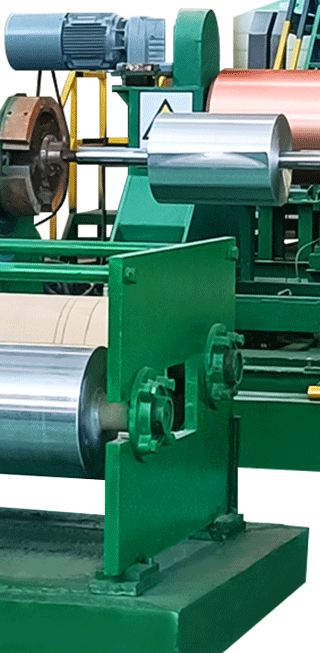
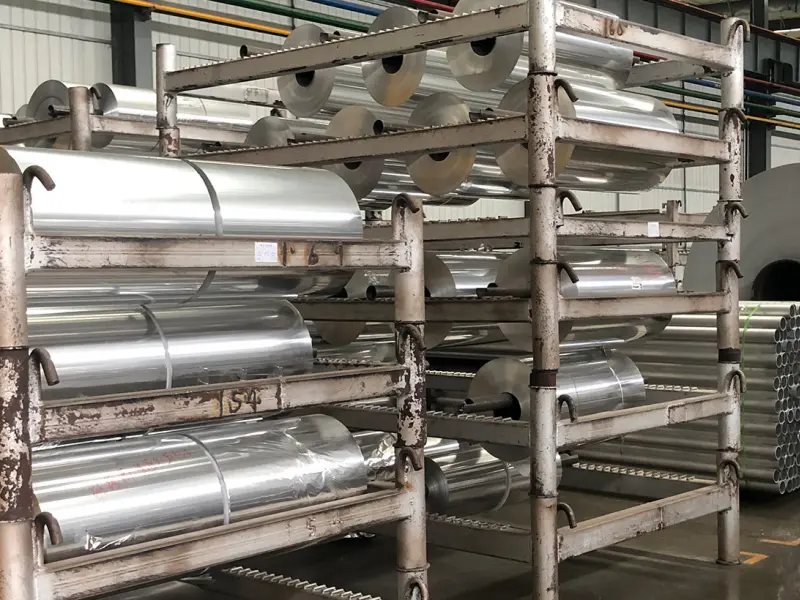
Top Aluminum Foil Manufacturer for Food & Industrial Use
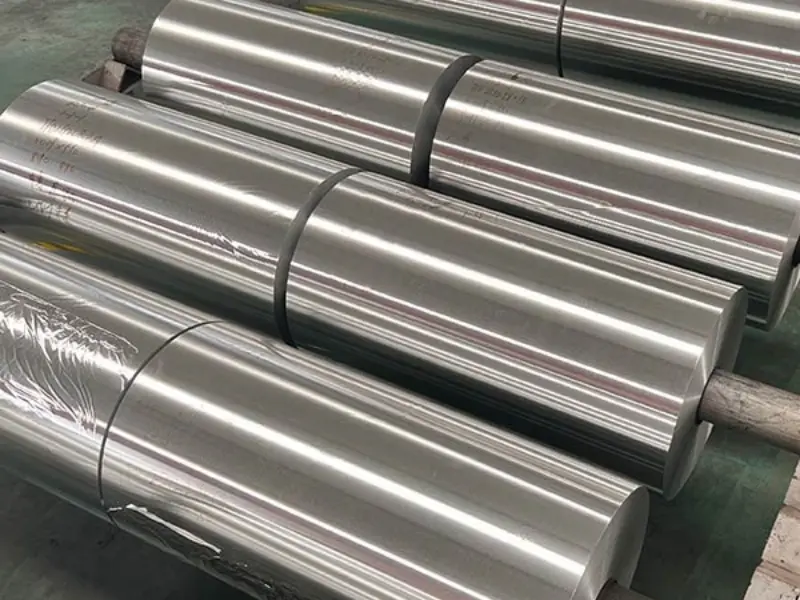
Top Aluminum Foil Manufacturer for Food & Industrial Use. Aluminum foil is a thin sheet of aluminum metal. It is flexible, lightweight, and highly functional. The material wraps around food items easily. It blocks light, oxygen, and moisture effectively. These properties make it essential in modern kitchens and industrial operations.
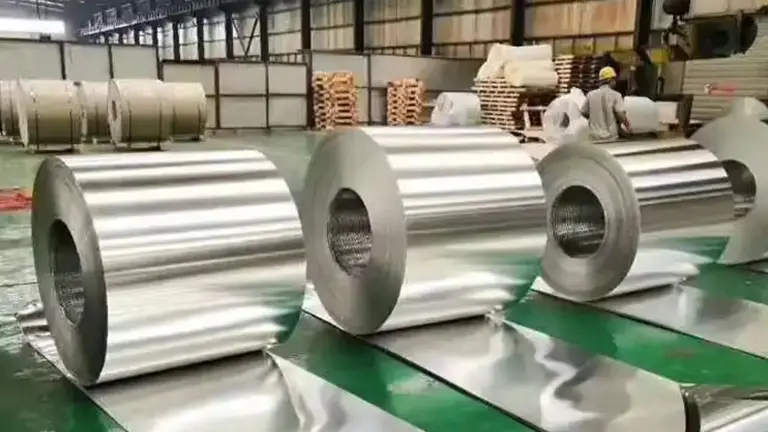
The production process starts with raw aluminum. The metal is melted and formed into ingots. Rolling machines flatten the ingots into thin sheets. Multiple passes create the desired thickness. The result is a versatile material used worldwide.
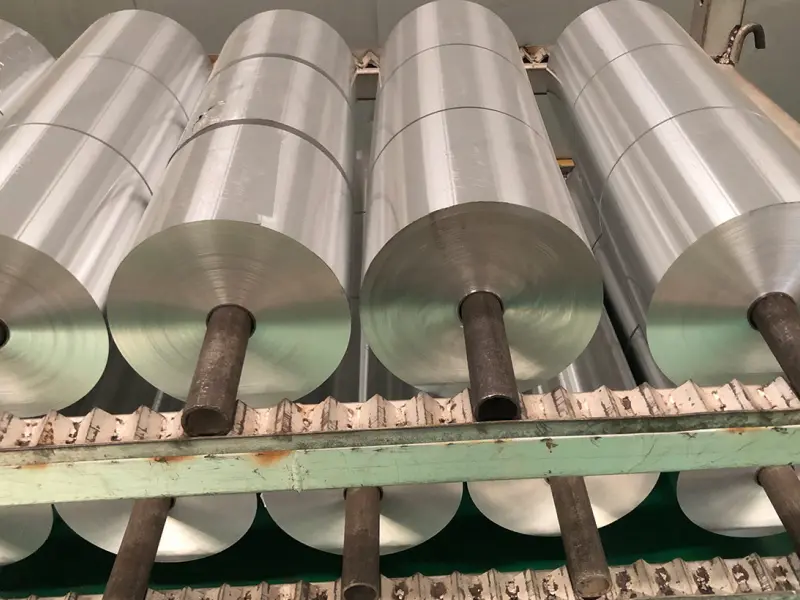
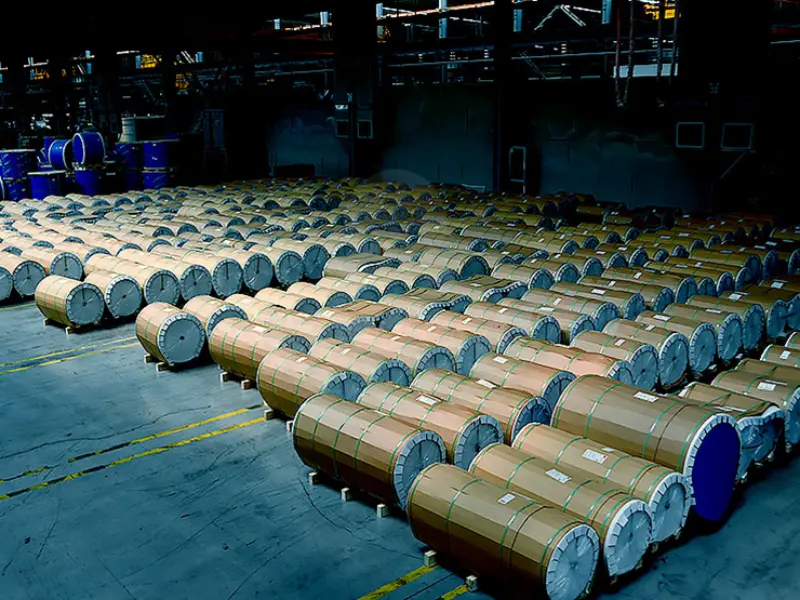
Aluminum foil manufacturers produce millions of tons annually. Quality standards ensure consistent performance across all batches. Modern facilities use advanced technology for precision control. Rigorous testing verifies safety and durability before distribution.
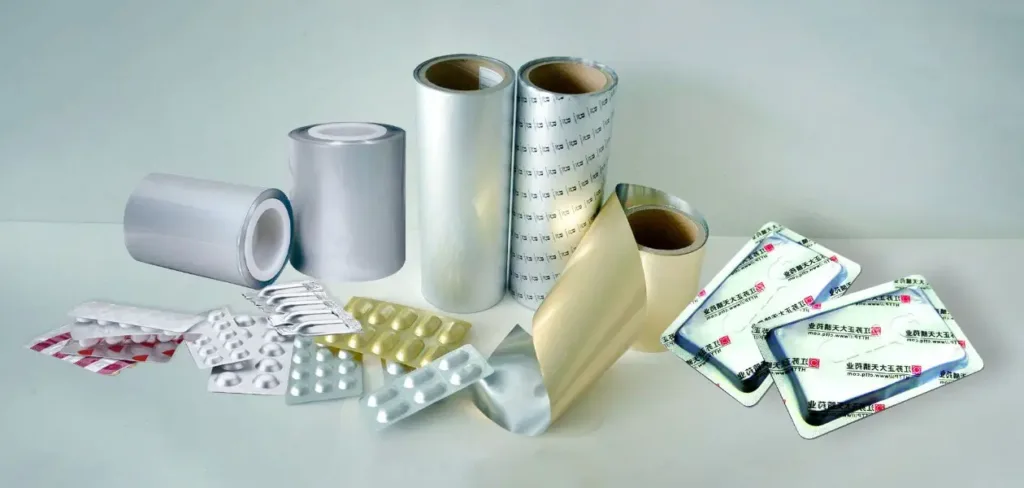
The material suits both food and industrial applications. Packaging professionals rely on it daily. Healthcare facilities use it for sterile storage. Manufacturing plants depend on it for various processes. Its popularity continues growing year after year.
Types and Specifications of Food-Grade Aluminum Foil
Standard Food Wrapping Foil
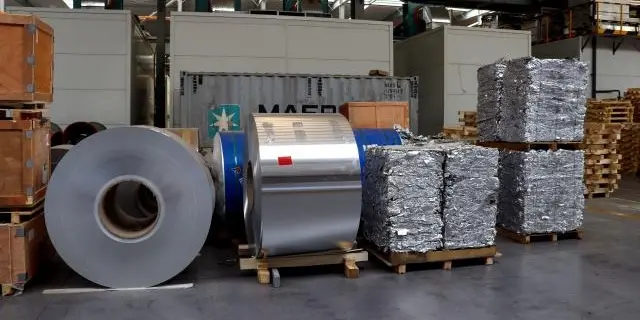
Household aluminum foil is the most common type. It measures typically 30cm wide and 7.5 microns thick. Rolls contain 50-150 meters of material. The surface is shiny on one side and dull on the other.
Food safety is the primary concern with this product. The foil does not transfer any harmful substances to food. FDA regulations govern all food contact materials. Testing confirms safety across temperature ranges from freezing to cooking heat.
Users prefer this type for everyday kitchen tasks. It covers leftovers in storage containers. It wraps sandwiches and baked goods and lines baking sheets and cooking surfaces. The ease of use makes it indispensable in home kitchens.
| Dimension | Thickness | Roll Length | Common Use |
|---|---|---|---|
| 30cm | 7.5 microns | 75 meters | Home kitchen use |
| 45cm | 7.5 microns | 100 meters | Larger households |
| 60cm | 7.5 microns | 150 meters | Commercial kitchens |
| 30cm | 10 microns | 75 meters | Heavy-duty applications |
Heavy-Duty Industrial Foil
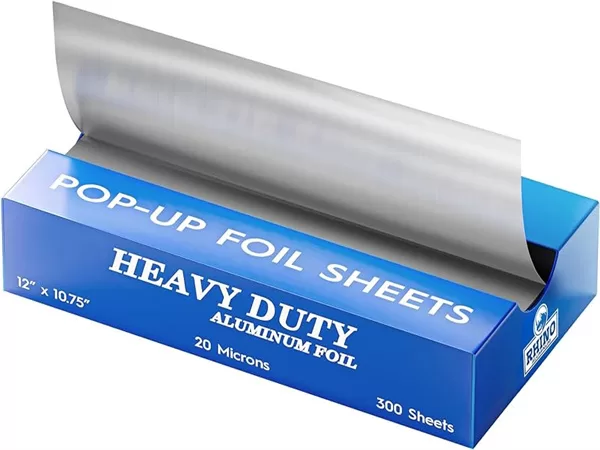
Industrial aluminum foil manufacturers produce thicker, more durable products. Thickness ranges from 15 to 50 microns. Widths extend up to 1.5 meters. Rolls weigh 100-500 kilograms depending on specifications.
These products withstand demanding environments. Temperature resistance reaches 400°C in many formulations. Chemical stability prevents reactions with aggressive substances. Puncture resistance exceeds standard foil by significant margins.
Manufacturing plants use this type extensively. Pharmaceutical companies wrap sensitive products. Electronics manufacturers use it for insulation. Construction companies apply it as vapor barriers. The durability justifies the higher cost.
Pharmaceutical and Medical Foil
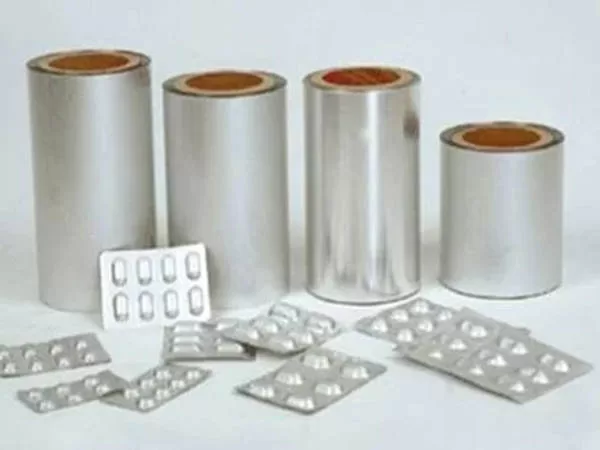
Medical-grade aluminum foil meets strict international standards. Pharmaceutical aluminum foil manufacturers follow cGMP protocols. Cleanliness levels must be exceptional. Contamination is monitored continuously throughout production.
Blister packaging protects medications effectively. The foil backing prevents light exposure. Moisture barriers keep pills and capsules dry. Temperature stability protects drug efficacy over months and years.
Hospital-grade foil also serves laboratory purposes. Research facilities need contamination-free materials. Sterile packaging prevents sample degradation. Shelf life extends significantly with proper barrier protection.
Catering and Food Service Foil
Professional food service operations require large quantities. Catering aluminum foil products come in extra-wide formats. Thickness provides puncture resistance during handling. Food safety certifications are mandatory for these products.
Aluminum foil containers are molded from this base material. Bakeries use full rolls daily. Restaurants wrap numerous dishes. Takeout operations depend on reliable quality. Consistent performance prevents food contamination and customer complaints.
| Product Type | Application | Thickness Range | Width Options |
|---|---|---|---|
| Food wrap | Home and commercial kitchens | 7-10 microns | 30-60cm |
| Industrial foil | Manufacturing and research | 15-50 microns | 60cm-1.5m |
| Pharmaceutical | Blister pack backing | 20-30 microns | 45-90cm |
| Catering | Food service containers | 8-15 microns | 30-75cm |
| Barrier foil | Electronics and insulation | 25-100 microns | 60cm-2m |
Aluminum Alloy Composition and Properties
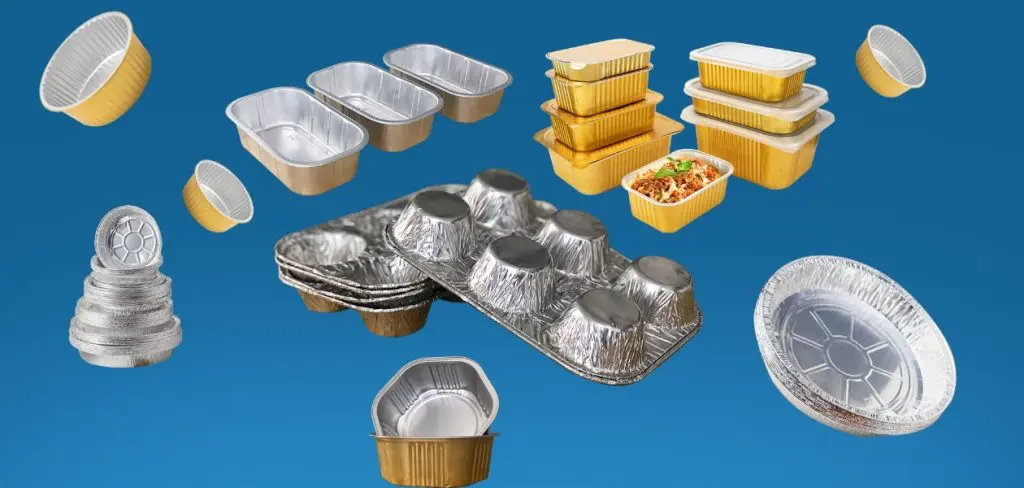
Common Alloy Types Used in Foil Production
1235 H19 Alloy
This is the most common aluminum foil alloy. It contains 99.35% pure aluminum. The remaining percentage includes iron and silicon. Purity ensures excellent corrosion resistance. Food contact safety is guaranteed by composition standards.
The H19 temper provides optimal hardness balance. The material resists tearing during use. Flexibility remains adequate for wrapping applications. This alloy combination offers the best value for most applications.
8006 H18 Alloy
This alloy includes silicon content around 0.8-1.2%. Iron content reaches approximately 0.8-1.2% as well. The combination increases strength properties. Better wear resistance results from this formulation.
Pharmaceutical manufacturers often specify 8006 alloy. The enhanced barrier properties protect sensitive products. Chemical resistance improves with this composition. Cost remains reasonable despite better performance.
8021 H18 Alloy
This alloy contains higher silicon and iron percentages. Barrier properties reach excellent levels. Protection against oxygen transmission is superior. Moisture barrier characteristics are outstanding.
Flexible packaging operations prefer this alloy frequently. Vacuum-sealed products benefit from enhanced protection. Extended shelf life results from barrier improvements. Temperature stability is excellent even in demanding conditions.
Comparison of Common Foil Alloys
| Alloy Type | Purity Level | Strength | Corrosion Resistance | Cost | Best Use |
|---|---|---|---|---|---|
| 1235 H19 | 99.35% | Good | Excellent | Low | Food wrapping, general use |
| 8006 H18 | 98-99% | Very Good | Good | Medium | Pharmaceutical, specialized |
| 8021 H18 | 98-99% | Excellent | Good | Medium-High | Barrier packaging, premium |
| 1145 H19 | 99.45% | Good | Excellent | Medium | Food contact, high purity |
Thickness Categories and Performance Levels
Micron Specifications and Their Applications
Aluminum foil thickness directly impacts performance characteristics. Thinner foils cost less but offer less protection. Thicker foils provide better barrier properties and durability.
Thin Foil (6-10 microns)
This category includes standard household products. Thickness of 7.5 microns is most common. The material wraps easily around food items. Flexibility is maximum at this thickness level.
Tearing risk increases with thin foils. Heavy items may puncture the material. Heat resistance is adequate for normal cooking temperatures. Cost efficiency makes this thickness popular for budget-conscious consumers.
Medium Foil (11-20 microns)
This thickness suits commercial and catering operations. Strength increases significantly compared to thin foils. Tear resistance improves substantially. Puncture damage is less likely during normal handling.
Industrial applications often specify this range. Food containers are typically molded from 12-15 micron material. Barrier properties become noticeably better. Professional kitchens prefer this thickness for reliability.
Heavy-Duty Foil (21-50 microns)
This thickness is for demanding industrial applications. Strength rivals thin metal sheets. Puncture resistance is exceptional. Barrier properties reach premium levels.
Manufacturing plants use this thickness for specialized purposes. Insulation applications benefit from durability. Protective barriers in construction employ this thickness. Cost is higher but performance justifies the investment.
Extra-Heavy Foil (51+ microns)
This ultra-thick category suits extreme conditions. Strength approaches that of thin aluminum sheets. Barrier properties are outstanding. Temperature resistance is exceptional.
Aerospace and military applications sometimes use this grade. Nuclear facility shielding may employ it. Laboratory and research facilities use it selectively. Production volumes are limited due to specialized nature.
| Thickness (microns) | Flexibility | Strength | Barrier Rating | Typical Cost | Primary Applications |
|---|---|---|---|---|---|
| 6-7.5 | Excellent | Fair | Good | $ | Home kitchen use |
| 8-10 | Very Good | Good | Very Good | $ | Commercial food service |
| 12-15 | Good | Very Good | Excellent | $$ | Catering, containers |
| 20-30 | Fair | Excellent | Excellent | $$$ | Industrial, pharmaceutical |
| 40-50 | Poor | Superior | Superior | $$$$ | Specialized industrial |
| 50+ | Very Poor | Outstanding | Outstanding | $$$$ | Military, aerospace |
Applications Across Food Industry
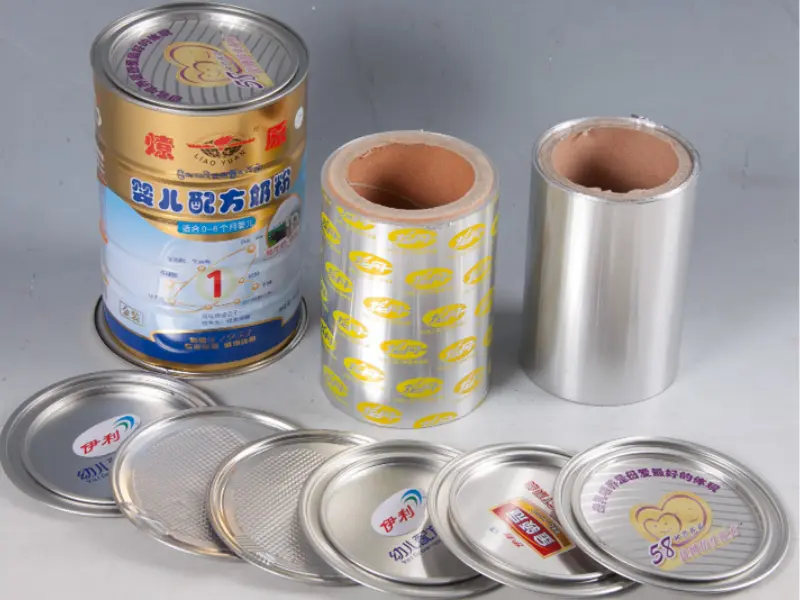
Fresh Food Packaging and Preservation
Aluminum foil wrapping preserves fresh produce effectively. Leafy vegetables stay crisp longer when wrapped. Cheese and cured meats resist oxidation with foil barriers. Berries and delicate fruits maintain quality for extended periods.
The barrier blocks oxygen completely. Moisture loss slows dramatically with foil protection. Natural ripening processes slow when light is blocked. Refrigeration effectiveness increases when combined with foil wrapping.
Bakery items benefit significantly from aluminum foil protection. Bread maintains freshness for several days longer. Pastries resist staleness effectively. Cakes and cookies stay moist when properly wrapped. Commercial bakeries wrap hundreds of items daily.
Catering and Restaurant Operations
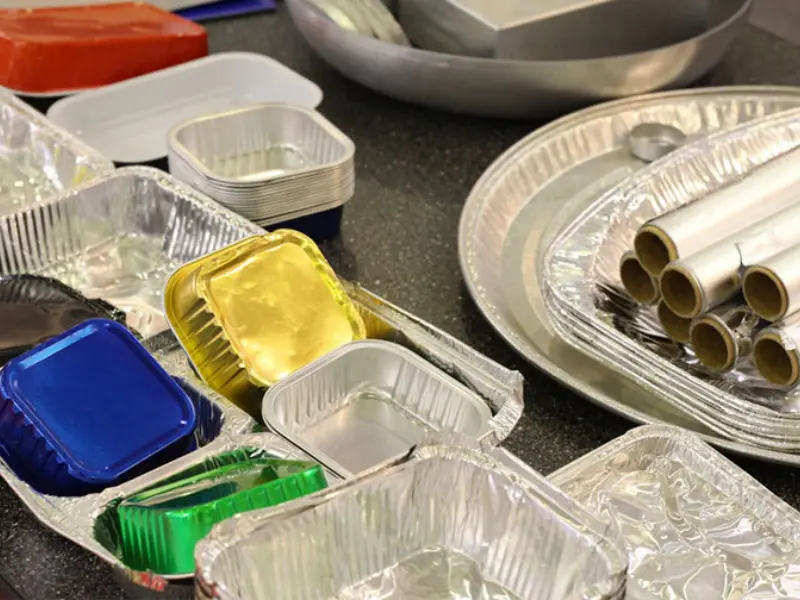
Professional kitchens rely heavily on aluminum foil products. Hot food stays warm when covered with foil. Cold items remain cold when protected from ambient temperature. Moisture control prevents soggy or dry problems.
Takeout containers use aluminum foil as backing material. The combination of paper and foil creates effective barriers. Heat retention is excellent for delivery purposes. Food safety standards are met with proper materials.
Prepared meal services depend on foil packaging. Portion control is easier with foil-wrapped servings. Storage organization improves significantly. Reheating becomes convenient for customers.
Beverage Industry Applications
Milk and juice manufacturers use aluminum foil extensively. The barrier prevents light exposure that degrades quality. Oxygen barriers preserve taste and nutritional value. Moisture barriers prevent external contamination.
Aseptic juice packaging incorporates aluminum foil layers. Shelf-stable milk products use laminated materials containing foil. Wine and spirits use foil capsules over bottle tops. Beer cans use aluminum as primary packaging material.
Water bottles and sports drink containers increasingly use aluminum. The material is lightweight yet protective. Environmental sustainability appeals to conscious consumers. Recycling programs accept aluminum readily.
Institutional and Catering Applications
- Hospital kitchens use foil for meal preparation and storage
- School cafeterias wrap meals for distribution and transport
- Military food services employ foil for field rations and storage
- Airline catering operations use foil-backed containers
- Corporate dining facilities wrap prepared portions
- Senior care facilities use foil for portion control and tracking
- Event catering companies wrap thousands of items daily
- Food truck operations depend on foil for efficiency and safety
Industrial and Non-Food Applications

Manufacturing and Electronics
Electronics manufacturers use aluminum foil for electromagnetic shielding. The conductive properties block interference signals. Circuit board protection requires barrier materials. Capacitor construction often incorporates aluminum foil elements.
Solar panel manufacturing employs aluminum foil in production processes. Reflective properties concentrate solar energy effectively. Thermal management requires foil barriers. Production efficiency improves with proper material selection.
Construction and Building Materials
Insulation applications use aluminum foil as vapor barriers. Attic and wall insulation includes reflective foil layers. Radiant heat barriers employ aluminum foil technology. Energy efficiency improvements result from proper installation.
HVAC systems use foil-backed ductwork and linings. Thermal reflection reduces heating and cooling costs. System efficiency increases with proper barriers. Maintenance requirements decrease over time.
Automotive Industry Applications
Vehicle insulation uses aluminum foil in multiple components. Engine bay heat shields employ reflective foil. Sound dampening materials incorporate aluminum foil. Thermal management systems rely on foil barriers.
Brake system components sometimes use aluminum foil. Lightning-struck aircraft require foil-based protection systems. Military vehicle applications employ specialized foil products.
Healthcare and Pharmaceutical Uses
Medication packaging requires pharmaceutical-grade foil. Blister pack backings protect pills and capsules. Sterile barrier properties prevent contamination. Shelf life extension is critical for expensive medications.
Medical device packaging uses foil for sterile protection. Hospital supply sterilization includes foil-wrapped items. Laboratory sample preservation requires barrier materials. Research equipment protection employs specialized foils.
Chemical and Hazardous Material Storage
Industrial chemical storage utilizes aluminum foil barriers. Corrosive substance containment requires resistant materials. Vapor barrier properties prevent environmental exposure. Safety protocols mandate proper containment methods.
Hazardous waste packaging includes aluminum foil components. Regulatory compliance requires certified materials. Transport safety depends on proper barrier systems. Environmental protection is paramount in these applications.
Cosmetics and Personal Care Industry
Cosmetic product packaging incorporates aluminum foil elements. Moisture-sensitive formulations require excellent barriers. Light protection preserves active ingredients. Shelf life extension increases product value.
Pharmaceutical cosmetics use blister packaging with foil. Wipe and pad packaging includes foil barriers. Moisture control is essential for product quality. Customer satisfaction improves with protected products.
| Industry Sector | Primary Use | Key Requirement | Typical Thickness |
|---|---|---|---|
| Food Service | Wrapping and containment | Food safety certification | 7-15 microns |
| Pharmaceutical | Blister backing | Purity and sterility | 20-30 microns |
| Electronics | EMI shielding | Conductivity and precision | 15-25 microns |
| Construction | Vapor barrier | Reflectivity and durability | 20-50 microns |
| Automotive | Heat shield | Thermal resistance | 15-40 microns |
| Cosmetics | Product protection | Moisture and light barrier | 10-20 microns |
| Chemicals | Container lining | Chemical resistance | 30-50 microns |
Quality Standards and Certifications
International Food Safety Standards
FDA approval ensures aluminum foil meets United States food contact standards. Migration testing confirms no harmful substance transfer occurs. Purity specifications mandate composition requirements. Testing protocols are rigorous and comprehensive.
European Union regulations set strict standards for food contact materials. Specific migration limits apply to various substances. Overall migration limits prevent excessive material transfer. Food contact materials must comply with EC 1935/2004 regulation.
ISO 9001 certification demonstrates quality management commitment. Consistent production processes ensure product reliability. Documentation requirements verify compliance systematically. Regular audits maintain certification status.
Pharmaceutical and Medical Standards
GMP (Good Manufacturing Practices) standards govern pharmaceutical foil production. Cleanliness requirements are extremely strict. Documentation and traceability are mandatory. Quality control testing is continuous and comprehensive.
USP (United States Pharmacopeia) standards specify pharmaceutical-grade materials. ISO 15378 standards apply to pharmaceutical primary packaging. Sterility assurance is critical for medical applications. Contamination monitoring is constant and rigorous.
Barrier Performance Testing
Oxygen transmission rates (OTR) measure barrier effectiveness. Lower rates indicate better protection. Standard testing methods allow comparison across products. Industry specifications define acceptable performance levels.
Water vapor transmission rates (WVTR) measure moisture barrier capability. Film thickness affects these measurements directly. Temperature and humidity impact test results. Specifications guide material selection appropriately.
Metal content analysis verifies composition accuracy. X-ray fluorescence testing confirms alloy specifications. Trace element detection ensures purity levels. Spectroscopy methods identify contaminants reliably.
Environmental and Sustainability Standards
Recycling certification confirms aluminum foil recyclability. Material composition supports infinite recycling potential. Environmental product declarations document sustainability facts. Carbon footprint calculations verify environmental efficiency.
ISO 14001 environmental management certification demonstrates commitment. Waste reduction programs minimize production impact. Energy efficiency measures reduce operational footprint. Water conservation practices protect natural resources.
| Certification | Industry | Key Focus | Renewal Frequency |
|---|---|---|---|
| FDA Approval | Food industry | Safety and migration testing | Continuous compliance |
| EU Compliance | European market | Material composition | Annual review |
| ISO 9001 | All industries | Quality management | Annual audit |
| GMP | Pharmaceutical | Manufacturing standards | Continuous monitoring |
| ISO 15378 | Medical packaging | Packaging specifications | Annual assessment |
| ISO 14001 | All sectors | Environmental impact | Annual audit |
Comparing Aluminum Foil with Alternative Materials
Aluminum Foil vs. Plastic Wrap
Aluminum foil offers superior barrier properties compared to plastic. Oxygen transmission is essentially zero with foil. Plastic films allow some gas permeation. Moisture barrier capability exceeds most plastic options.
Durability favors aluminum foil significantly. Plastic tears easily with rough handling. Foil withstands repeated use and abuse. Strength makes foil more reliable for demanding applications.
Environmental impact differs substantially between materials. Aluminum recycles infinitely without quality loss. Plastic degradation takes centuries. Recycling infrastructure is better established for aluminum. Sustainability clearly favors foil products.
Cost comparisons show different results across applications. Standard plastic wrap costs less for basic uses. Industrial applications favor aluminum for total cost of ownership. Durability and performance justify foil premium pricing.
Aluminum Foil vs. Paper and Cardboard
Paper products lack barrier properties of aluminum foil. Moisture permeates cardboard easily. Oil and grease pass through paper barriers. Light penetration occurs readily with paper materials.
Aluminum foil provides superior protection across all barrier metrics. Oxygen barriers are complete with foil. Moisture protection is excellent. Light blocking is total with opaque foil.
Cost factors favor paper initially. Large-scale production reduces paper costs. Aluminum foil costs more per unit weight. However, reduced material thickness of foil can offset cost differences.
Environmental considerations show tradeoffs. Paper is biodegradable but requires significant processing. Foil is infinitely recyclable with lower processing needs. Laminated foil-paper combinations offer compromise solutions.
Aluminum Foil vs. Glass Containers
Glass offers transparency and visibility that foil lacks. Visibility into contents is important for some applications. Glass is inert and completely safe. However, weight and fragility are disadvantages.
Aluminum foil provides superior barrier properties. Glass allows light penetration completely. Foil blocks all light effectively. Moisture and oxygen barriers favor foil significantly.
Cost analysis shows glass more expensive per unit. Foil is lightweight reducing shipping costs. Storage efficiency favors foil considerably. Reusability considerations favor glass for certain applications.
Breakage risk eliminates glass for many applications. Foil eliminates safety concerns. Transportation damage is minimized with foil. Consumer safety improves with foil packaging.
Aluminum Foil vs. Metal Containers
Metal containers offer durability foil cannot match. Repeated use favors permanent containers. Foil is single-use in most applications. However, foil is thinner and lighter significantly.
Cost per use differs substantially. Containers require higher initial investment. Foil offers lower cost for single-use applications. Cumulative cost calculation varies by usage scenario.
Recycling feasibility favors both materials. Both aluminum options recycle indefinitely. Environmental advantage is similar for both. Aluminum containers versus foil requires usage-specific analysis.
Barrier properties are similar for both aluminum products. Protection capabilities are comparable. Performance advantages depend on specific application needs.
| Comparison Factor | Aluminum Foil | Plastic Wrap | Paper | Glass | Metal Container |
|---|---|---|---|---|---|
| Barrier Properties | Excellent | Fair | Poor | Poor | Excellent |
| Durability | Very Good | Fair | Fair | Excellent | Excellent |
| Cost Efficiency | Good | Excellent | Excellent | Poor | Fair |
| Environmental Impact | Excellent | Poor | Fair | Very Good | Excellent |
| Light Blocking | Complete | Partial | Complete | None | Complete |
| Recyclability | Infinite | Limited | Good | Infinite | Infinite |
Production Process and Manufacturing Standards
Raw Material Selection and Processing
Aluminum foil production begins with primary aluminum ingots. Recycled aluminum provides significant portion of material. Material purity directly affects final product quality. Supplier quality verification ensures consistent properties.
The aluminum undergoes melting in large furnaces. Temperature control is critical for proper metallurgy. Impurity removal occurs during this stage. Alloy elements are added in precise quantities.
The molten aluminum is cast into ingots. Cooling procedures prevent defect formation. Ingot size determines subsequent processing requirements. Quality inspection occurs before further processing.
Rolling and Thickness Reduction
Hot rolling reduces ingot thickness significantly. Multiple passes gradually thin the aluminum. Temperature management prevents metallurgical problems. Lubrication facilitates the rolling process.
Cold rolling provides final thickness refinement. Multiple passes achieve precise dimensions. Work-hardening increases material strength during this stage. Annealing may be necessary between passes for some products.
Final rolling creates the desired surface finish. Shiny and matte sides develop during dual-rolling process. Thickness tolerance is typically ±5% or better. Quality inspection verifies specifications before slitting.
Cutting and Packaging Operations
Slitting equipment cuts master rolls into consumer widths. Precision cutting prevents uneven edges. Waste reduction is minimized through optimization. Slit width tolerances are very tight.
Individual rolls are wrapped and labeled. Packaging protects foil from contamination and damage. Product information and certifications are displayed clearly. Packaging equipment operates at high speeds.
Quality control samples are collected regularly. Thickness verification uses precision gauges. Barrier property testing confirms specifications. Documentation supports traceability requirements.
Surface Treatment and Coating
Some foil receives special coating treatments. Lacquer coating improves printability. Adhesion promotion layers enhance lamination strength. Environmental barrier coatings add functionality.
Non-stick coatings reduce adhesion to food products. Embossing creates texture for improved functionality. Embossed patterns serve both aesthetic and practical purposes.
Chemical treatment may modify surface properties. Anti-static coatings prevent charge buildup. Fire-resistant coatings meet specific safety requirements.
Selecting the Right Aluminum Foil Product
Determining Your Application Needs
Consider the primary purpose of your foil purchase. Food storage requires FDA-approved materials. Industrial applications may have different specifications. Healthcare uses demand pharmaceutical-grade standards.
Evaluate environmental conditions your product will face. Temperature extremes affect material performance. Moisture exposure impacts barrier effectiveness. Chemical contact requires compatible materials.
Assess frequency and intensity of use. Single-use applications suit thin foils. Heavy-use applications require thicker, more durable products. Repeated handling demands puncture-resistant options.
Matching Thickness to Requirements
Standard 7.5-micron foil works for most household needs. Food wrapping and storage suit this thickness perfectly. Flexibility is excellent at this measurement. Cost is low compared to alternatives.
Commercial food service typically uses 10-12 micron foil. Better durability justifies the slight cost increase. Repeated handling is managed effectively. Puncture resistance improves noticeably.
Industrial and pharmaceutical applications often require 20-30 micron material. Superior barrier properties justify higher cost. Specialized performance requirements are met reliably. Extended shelf life justifies investment.
Quality Indicators to Check
Product certification marks indicate compliance verification. FDA, ISO, or EU marks confirm regulatory approval. Manufacturing facility certifications add confidence. Third-party testing documentation is valuable.
Alloy specifications should match application requirements. 1235 alloy suits most food applications. 8006 or 8021 alloys are specified for pharmaceutical use. Composition information is typically provided on packaging.
Manufacturing date information helps assess freshness. Older stock may perform differently than recent production. Rotation practices ensure consistent quality. Storage condition affects material properties.
Cost Optimization Strategies
Bulk purchasing reduces per-unit costs significantly. Large orders often qualify for volume discounts. Direct manufacturer relationships improve pricing. Comparison shopping between suppliers is worthwhile.
Material thickness optimization balances cost and performance. Thinner foil costs less but may not meet needs. Thicker material costs more but lasts longer. Total cost of ownership analysis guides decisions.
Supplier relationships impact pricing and availability. Long-term partnerships often bring special rates. Reliable suppliers ensure consistent quality. Alternative sources provide backup options.
Frequently Asked Questions About Aluminum Foil
Is Aluminum Foil Safe for Food Contact?
Yes, aluminum foil is safe for food contact when it meets proper standards. FDA regulations govern food contact materials in the United States. Approved aluminum foil does not transfer harmful substances to food. Migration testing confirms safety across temperature ranges.
European Union standards similarly ensure safety. International standards provide additional assurance. Decades of food use demonstrate safety record. Millions of tons are used annually without safety issues.
Some concerns about aluminum and health are unfounded. Normal dietary aluminum intake is safe. Foil contact does not significantly increase aluminum consumption. Scientific consensus confirms food-grade aluminum safety.
Can You Cook Directly on Aluminum Foil?
Yes, cooking directly on aluminum foil is generally safe and common. Foil withstands oven temperatures up to 200°C comfortably. Many recipes specifically call for foil-lined baking sheets. Direct flame use requires caution as foil can ignite.
Acidic foods may interact slightly with aluminum surface. Tomato-based and citrus recipes may develop minor aluminum taste. This is not a safety concern but a flavor preference. Using parchment paper underneath prevents this issue if desired.
Non-stick aluminum foil products are available for cooking use. These prevent food adhesion effectively. Cleanup is easier compared to regular foil. Cost is higher but convenience justifies it for many users.
How Should You Store Aluminum Foil?
Store aluminum foil in cool, dry locations. Room temperature is ideal for most situations. Extreme heat can damage the product. Humidity does not harm aluminum foil significantly.
Keep foil away from direct sunlight. Prolonged light exposure may affect properties slightly. Sealed storage prevents dust contamination. Original packaging provides adequate protection.
Organize rolls by thickness for easy identification. Label storage containers clearly. First-in-first-out rotation prevents waste. Proper storage maintains quality indefinitely.
Is Recycling Aluminum Foil Environmentally Beneficial?
Recycling aluminum foil is highly beneficial environmentally. Recycled aluminum requires only 5% of energy needed for primary production. Carbon emissions are reduced dramatically with recycling. Resource conservation is significant compared to virgin aluminum production.
Aluminum can be recycled infinitely without quality loss. Material properties remain unchanged after recycling. Infinite recyclability provides environmental advantage over alternatives. Recycling infrastructure continues improving globally.
Consumer participation in recycling programs matters significantly. Clean foil recycles more easily than contaminated material. Removing food residues improves recycling efficiency. Mixing foil with other materials may contaminate batches.
What Causes Aluminum Foil Discoloration?
Discoloration typically results from chemical reactions with food. Acidic foods may cause slight darkening. Sulfur-containing foods can darken aluminum. These reactions do not indicate safety problems.
Moisture and humidity cause oxidation. White deposits are aluminum oxide, which is harmless. Storage in humid conditions accelerates this process. Dry storage prevents most discoloration issues.
Age and time cause gradual oxidation naturally. Older foil may show more discoloration. This does not affect functionality or safety. Appearance changes are cosmetic only.
Are Shiny and Matte Sides Functionally Different?
Both sides of aluminum foil provide identical protection. Shiny side shows the metal color. Matte side appears duller due to manufacturing process. Functional properties are the same for both sides.
The difference results from dual rolling process. Two foils roll together creating surfaces differently. When separated, one side is shiny, one is matte. Barrier properties are equivalent on both sides.
User preference drives which side gets used for food contact. Either side is perfectly safe for food applications. Cooking results are identical regardless of orientation. Choose the side that looks best to you.
How Long Can Food Stay Fresh When Wrapped in Foil?
Duration depends on several factors including food type and storage temperature. Properly wrapped items generally last longer than unwrapped ones. Refrigerated items stay fresh significantly longer than room temperature storage. Freezer storage extends shelf life substantially.
Room temperature storage typically extends freshness 1-2 days. Refrigeration extends duration to several days. Freezer storage can preserve items for months. Original freshness level affects total storage duration.
Combination storage methods improve results. Foil with plastic wrap layers provides extra protection. Airtight containers with foil backing maximize freshness. Proper storage technique matters as much as material choice.
What Thickness Should You Choose for Specific Uses?
Standard 7.5-micron foil works for home kitchen wrapping. This thickness provides good balance of cost and functionality. Heavy-duty 10-15 micron suits commercial kitchens. Industrial applications require 20-50 micron thickness.
Pharmaceutical blister packaging typically uses 20-30 micron. Construction vapor barriers use 20-50 micron material. Electronics shielding varies based on specific requirements. Consult application-specific guides for recommendations.
Thinner foil costs less but may not meet demanding needs. Thicker foil costs more but provides superior protection. Consider total cost of ownership, not just unit price.
Can Aluminum Foil Be Used in Microwave Ovens?
No, standard aluminum foil should never be used in microwave ovens. Metal reflects microwave radiation causing dangerous arcing. Electrical discharge can damage microwave equipment. Fire risk exists with foil in microwave environments.
Some specialized microwave-safe aluminum products exist. These are specifically designed for microwave use. Regular foil is not safe for this application. Always read product specifications before microwave use.
Microwave-safe containers labeled appropriately can be used. These do not contain aluminum foil components. Ceramic and glass alternatives are microwave-safe. Choose designated microwave-safe products only.
Partner with Quality Aluminum Foil Manufacturers
Leading aluminum foil manufacturers combine expertise with modern technology. Quality control systems ensure consistency across all products. Food-grade and industrial certifications verify compliance. Competitive pricing reflects manufacturing efficiency.
Choosing the right supplier impacts your operations significantly. Reliable suppliers maintain consistent quality and delivery schedules. Responsive customer service addresses questions and concerns promptly. Technical support helps optimize product selection and usage.
Global manufacturers serve diverse markets and applications. Export capabilities connect you with international options. Local suppliers provide convenient service and support. Evaluate suppliers based on certifications, reputation, and service quality.
Investment in quality aluminum foil products delivers long-term value. Superior barrier properties extend product shelf life. Durability reduces waste and replacement costs. Regulatory compliance protects your business reputation. Partnership with reputable manufacturers ensures success.
Leave a Comment
You must be logged in to post a comment.