Aluminum Foil for Cooking
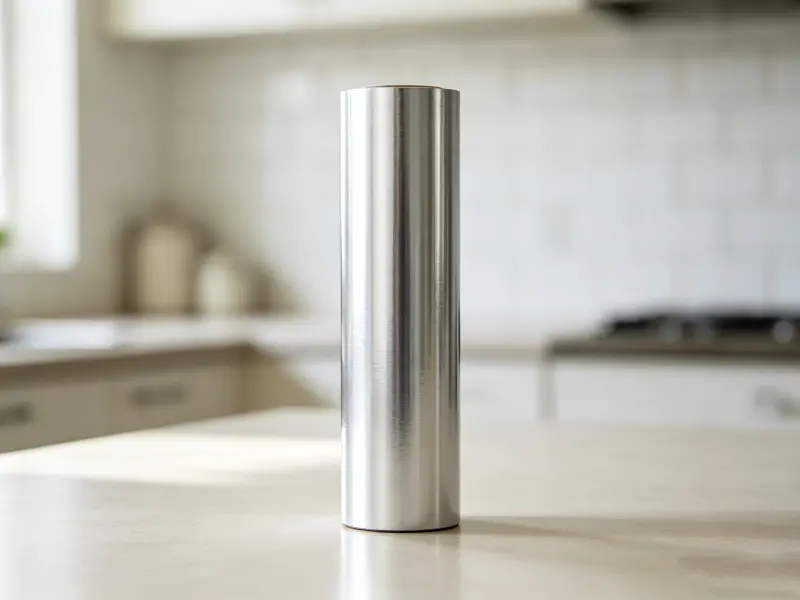
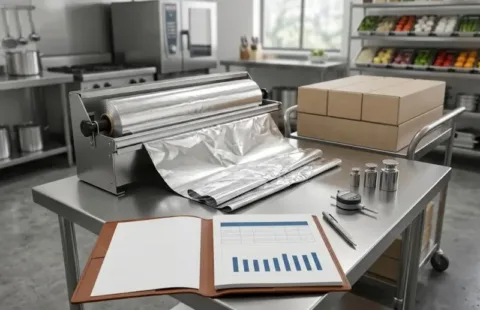
Aluminum Foil for Cooking is widely used in kitchens, restaurants, food factories, catering businesses, and food packaging. It is light, easy to fold, and easy to cut. It can cover food, wrap ingredients, line trays, and help protect food during storage and cooking.
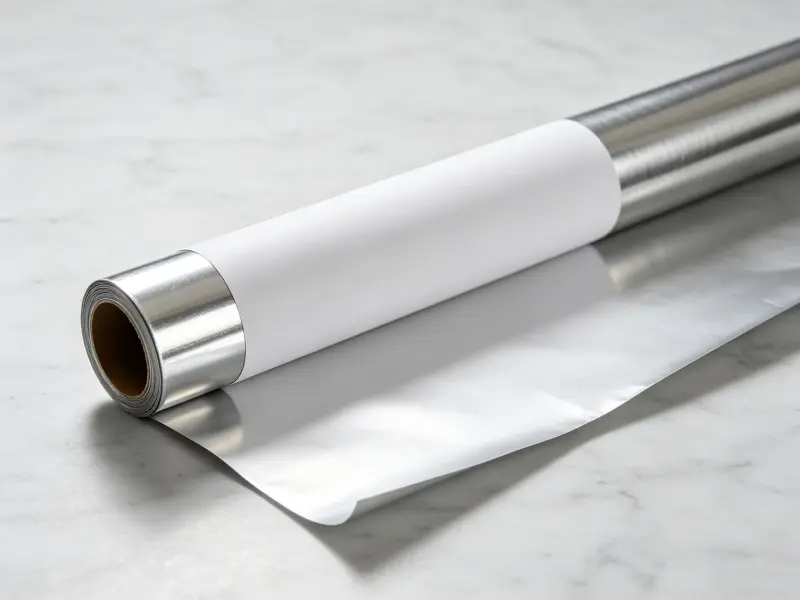
The right aluminum foil for cooking depends on the food, cooking method, thickness, alloy, temper, and surface finish. Thin household foil is convenient for daily cooking, while thicker foil is better for grilling, roasting, baking, and commercial food preparation.
For manufacturers, wholesalers, distributors, and food packaging companies, aluminum foil can also be supplied in rolls, jumbo rolls, sheets, and customized widths.
What Is Aluminum Foil for Cooking?
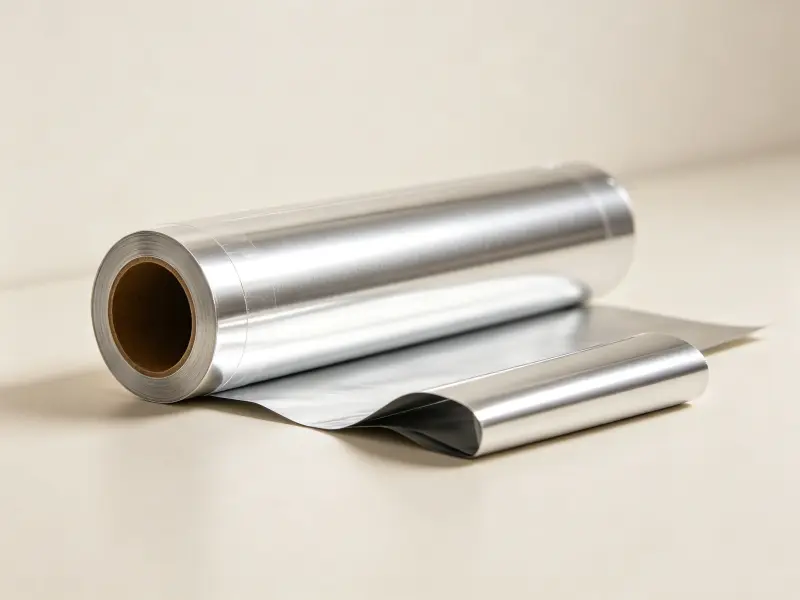
Cooking aluminum foil is a thin aluminum material designed for food preparation, cooking, wrapping, and short-term food storage.
It can be used in ovens, grills, steam cooking, food trays, and general kitchen work. Aluminum foil has good heat resistance, good formability, and good barrier performance against light, moisture, and air.
Its surface can be supplied as plain, bright, or matte depending on the production process and application.
A suitable foil should have:
- Good flexibility
- Clean surface
- Stable thickness
- Good tensile strength
- Good folding performance
- Suitable food-contact quality
- Good heat resistance
- Easy cutting and forming
For commercial users, stable thickness and consistent roll quality are especially important.
Main Types of Aluminum Foil for Cooking
There is no single type of foil for every kitchen. Different cooking tasks need different thicknesses and roll formats.
Household Aluminum Foil
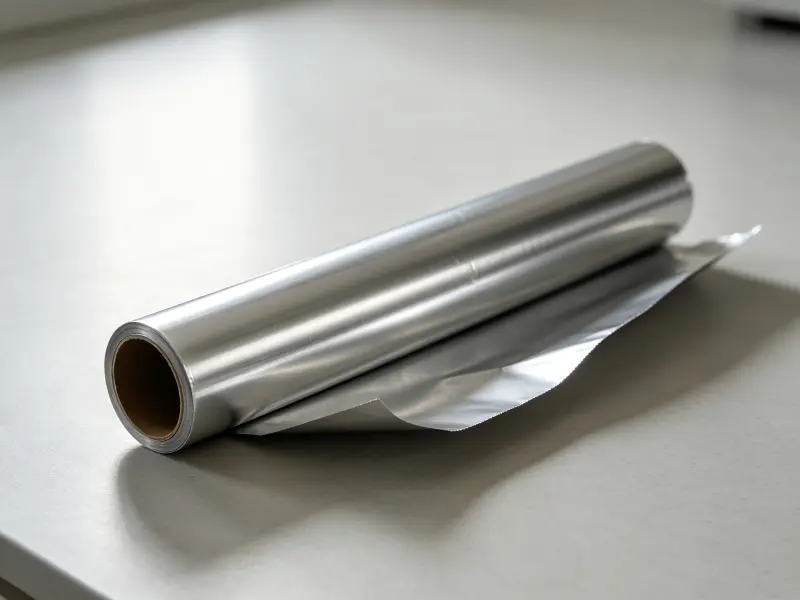
Household foil is usually thin and flexible. It is designed for everyday kitchen use.
It can be used to wrap sandwiches, vegetables, meat, leftovers, and baked food. For it is also popular for lining trays and covering dishes.
Typical thickness:
| Product | Typical Thickness | Main Use |
|---|---|---|
| Household foil | 0.009–0.020 mm | Daily cooking |
| Medium-duty foil | 0.020–0.040 mm | Baking and roasting |
| Heavy-duty foil | 0.040–0.100 mm | Grilling and commercial use |
Actual thickness can be customized according to the market and application.
Heavy Duty Aluminum Foil
Heavy-duty foil is thicker and stronger than standard kitchen foil.
It is useful when the material needs to hold heavier food or resist tearing during cooking.
Common applications include:
- Grilling meat
- Roasting chicken
- Baking large food portions
- Covering roasting trays
- Wrapping vegetables
- Outdoor cooking
- Restaurant kitchens
It is also a popular choice for users who want a stronger material for high-temperature cooking.
Extra Heavy Duty Foil
Extra heavy-duty foil provides higher mechanical strength.
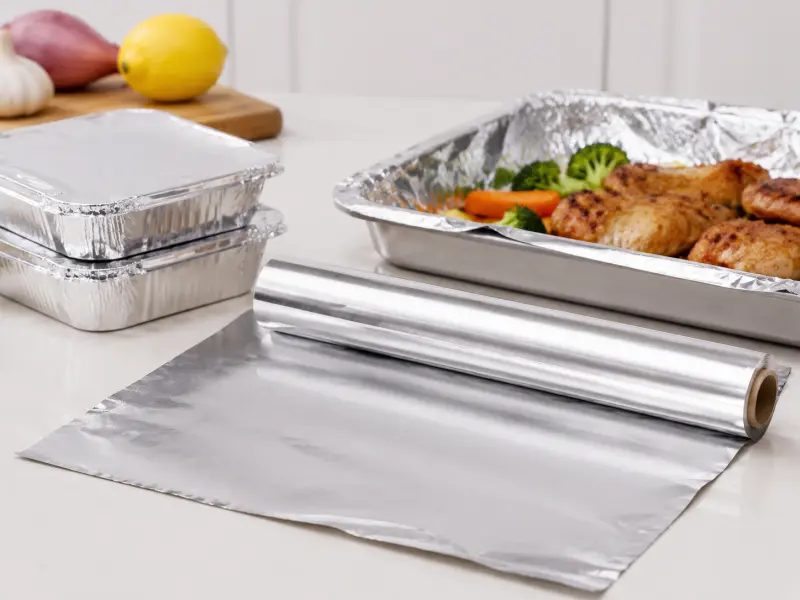
It is suitable for demanding food preparation where thin foil may tear or lose its shape.
This type is often selected by:
Food processing plants
Restaurants
Catering companies
Hotels
Food service businesses
Large kitchens
Aluminum Foil Sheets
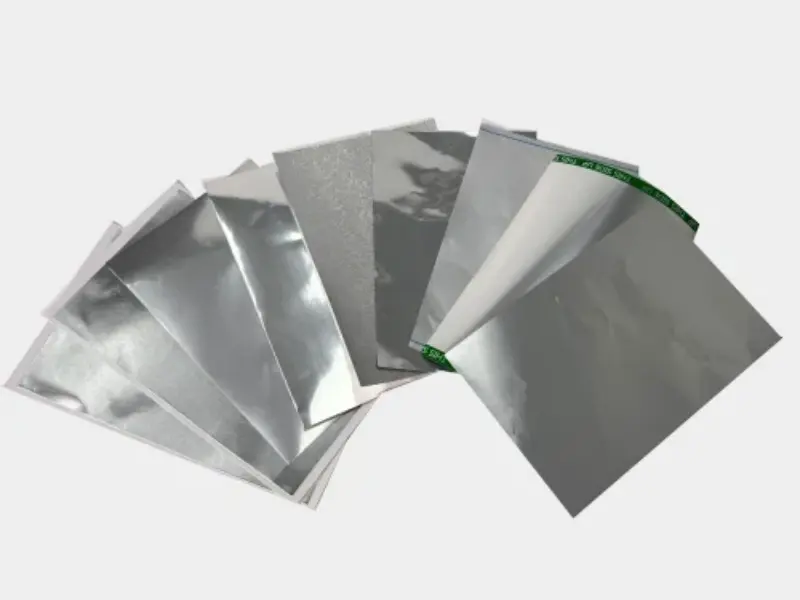
Not every customer needs a roll.
Pre-cut aluminum foil sheets are convenient for food service applications. They can be supplied in standard or customized sizes.
| Sheet Type | Example Size | Application |
|---|---|---|
| Small sheet | 200 × 300 mm | Sandwiches |
| Medium sheet | 300 × 400 mm | Food wrapping |
| Large sheet | 400 × 600 mm | Catering |
| Custom sheet | Customer size | Commercial use |
Pre-cut sheets can reduce preparation time in busy kitchens.
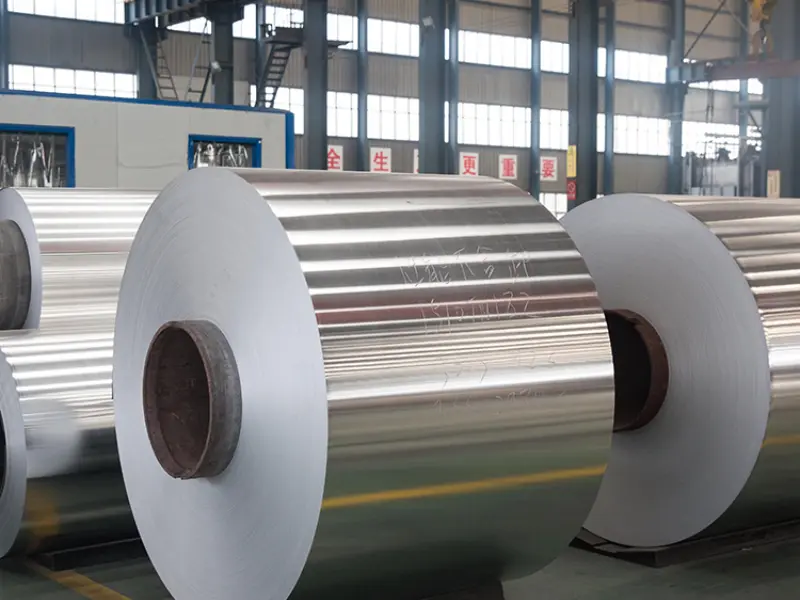
Aluminum Foil Jumbo Rolls
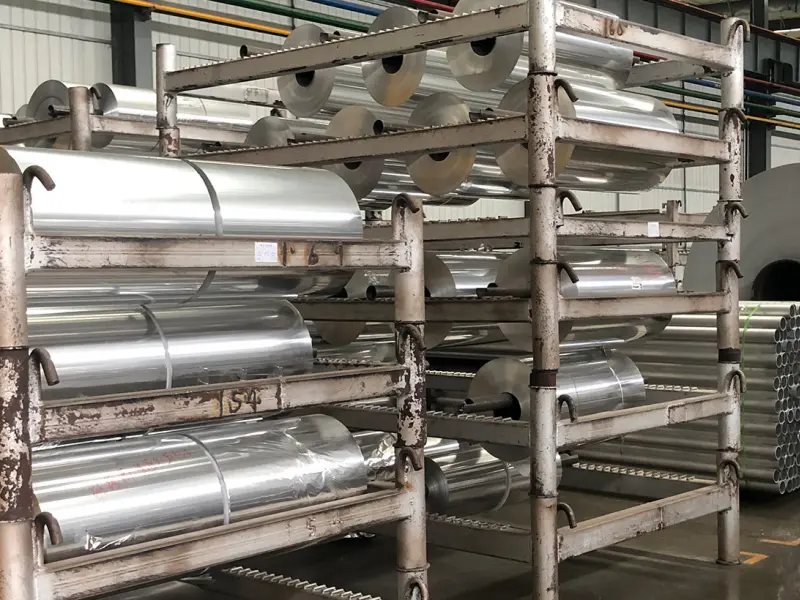
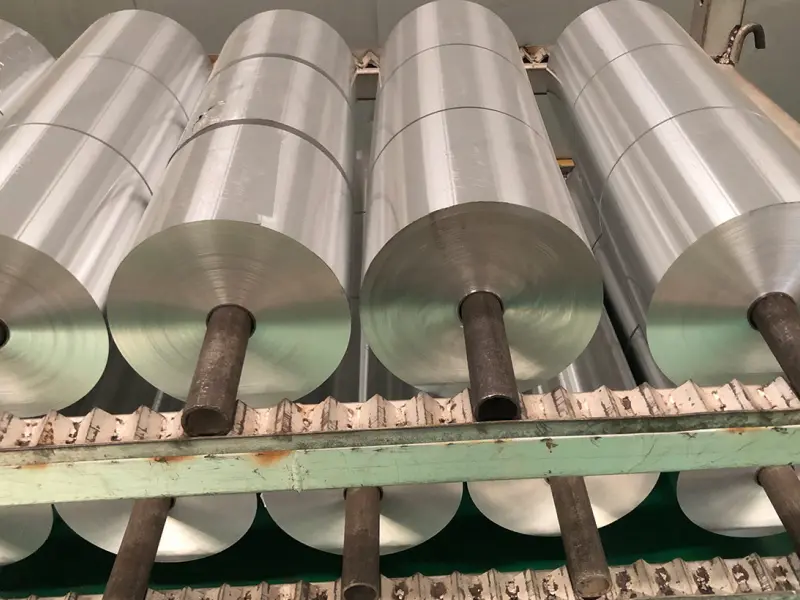
Jumbo rolls have uses by converters, wholesalers, repackers, and manufacturers.
The large roll has rewound into smaller household rolls or converted into sheets.
Typical parameters include:
| Item | Typical Range |
|---|---|
| Alloy | 8011 / 1235 / 1100 |
| Temper | O / H14 / H18 |
| Thickness | 0.006–0.2 mm |
| Width | 100–1600 mm |
| Core ID | 75 / 150 / 200 / 300 mm |
| Surface | Plain / bright / matte |
| Form | Jumbo roll |
Custom widths and core sizes are available for different converting machines.
Aluminum Alloys Used for Cooking Foil
The alloy affects strength, flexibility, forming performance, and production cost.
8011 Aluminum Foil
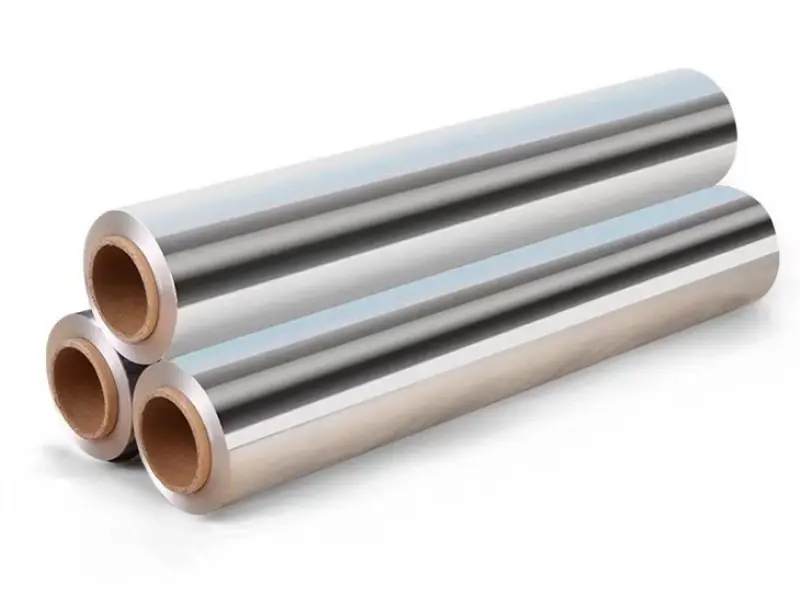
8011 is one of the common aluminum alloys for household and food-related foil products.
It offers a useful balance of strength, flexibility, and forming performance.
Typical specifications include:
| Property | 8011 Cooking Foil |
|---|---|
| Alloy | 8011 |
| Temper | O / H14 / H16 / H18 / H22 / H24 |
| Thickness | 0.006–0.2 mm |
| Width | 100–1600 mm |
| Surface | Plain / bright / matte / embossed |
| Form | Roll / jumbo roll / sheet |
8011 foil can be used for household foil, food packaging, container foil, and other food-related applications.
1235 Aluminum Foil
1235 aluminum is often selected for thin foil applications.
It has good flexibility and can be processed into very thin foil.
It can be considered for:
- Household foil
- Food wrapping
- Flexible packaging
- Laminated packaging
- General food-related foil products
1100 Aluminum Foil
1100 aluminum has good corrosion resistance and excellent formability.
It is suitable for applications where easy forming and a clean aluminum surface are important.
3003 Aluminum Foil
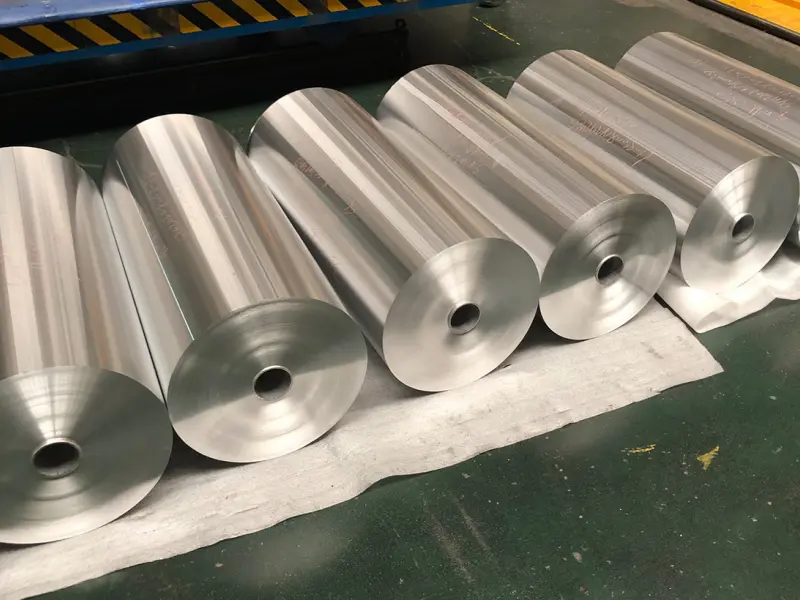
3003 provides higher strength than many commercially pure aluminum grades.
It can be useful for thicker foil, food containers, and applications where additional mechanical strength is needed.
Aluminum Foil Temper and What It Means
Temper describes the condition of the aluminum after processing.
For cooking foil, softer and harder conditions have selected depending on the required performance.
| Temper | General Character | Typical Use |
|---|---|---|
| O | Soft | Wrapping and forming |
| H14 | Medium hard | General foil products |
| H16 | Harder | Stronger foil |
| H18 | Hard | Heavy-duty applications |
| H22 | Partially softened | Forming applications |
| H24 | Partially softened | General industrial use |
For highly flexible cooking foil, O temper is often a practical choice.
For stronger products, H14, H16, or H18 may be considered.
Choosing Foil Thickness for Cooking
Thickness is one of the easiest ways to match foil with an application.
A very thin foil is economical and easy to fold. A thicker foil offers better resistance to tearing.
Thin Foil: 0.006–0.012 mm
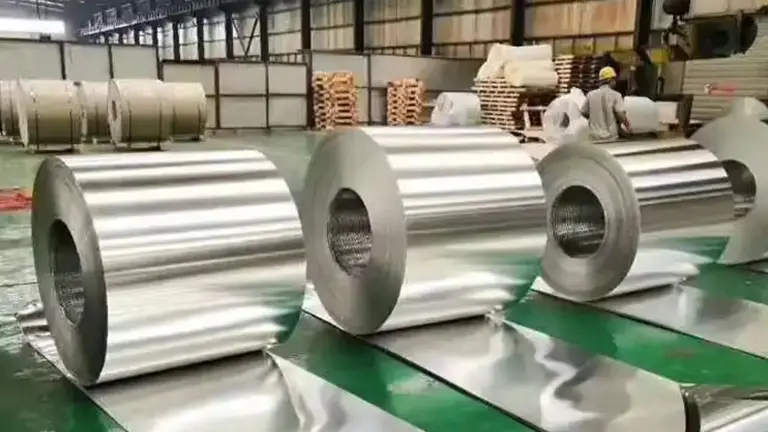
Thin foil is suitable for light-duty applications.
Typical uses include:
General kitchen use
Food wrapping
Inner packaging
Small food portions
Laminated packaging
Medium Foil: 0.012–0.030 mm
This range offers a good balance between flexibility and strength.
- Baking
- Roasting
- Food covering
- Household cooking
- Catering
Heavy Foil: 0.030–0.100 mm
Thicker foil provides stronger mechanical performance.
It is suitable for:
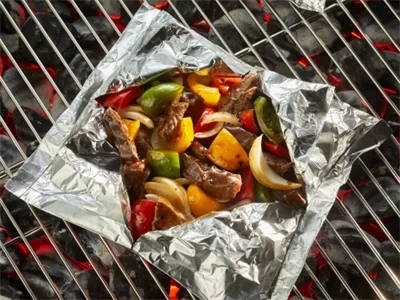
- Grilling
- Heavy food portions
- Large trays
- Commercial kitchens
- Outdoor cooking
- Food service
Very Thick Aluminum Foil
For some special food containers and forming applications, thicker aluminum material can be used.
The final thickness should be selected according to forming depth, food weight, and production equipment.
Aluminum Foil Surface Options
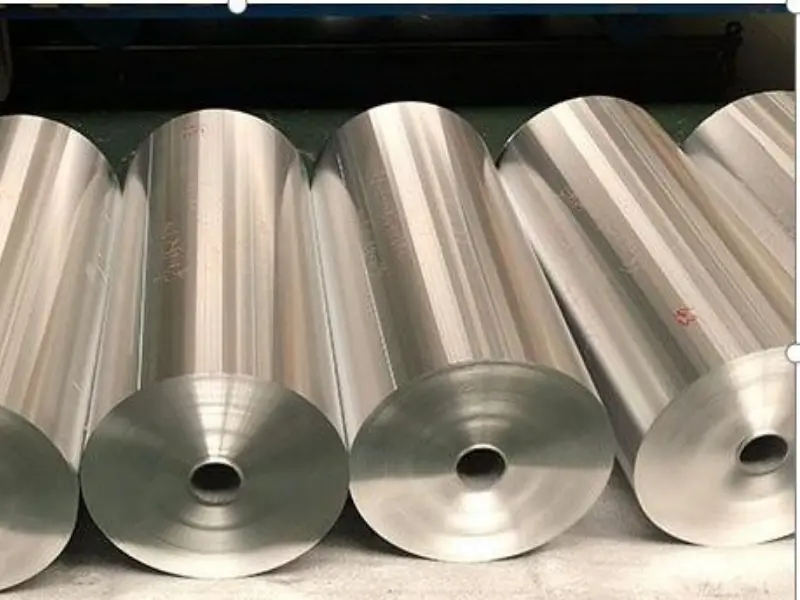
The surface finish can affect appearance and the final converting process.
Bright Aluminum Foil
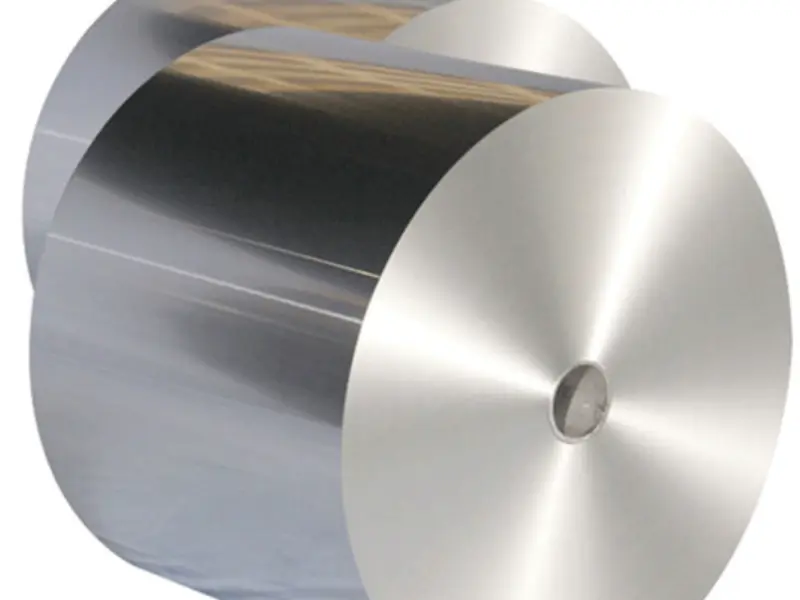
Bright foil has a clean metallic appearance.
It is often selected when appearance is important.
Matte Aluminum Foil
Matte foil has a less reflective surface.
It is suitable for products where a softer appearance is preferred.
One-Side Bright Foil
One side has a brighter appearance while the other side is relatively matte.
This surface condition is common in foil production because of the rolling process.
Double-Side Bright Foil
Both sides have processed to provide a brighter appearance.
This has selected for specific packaging and decorative applications.
Embossed Aluminum Foil
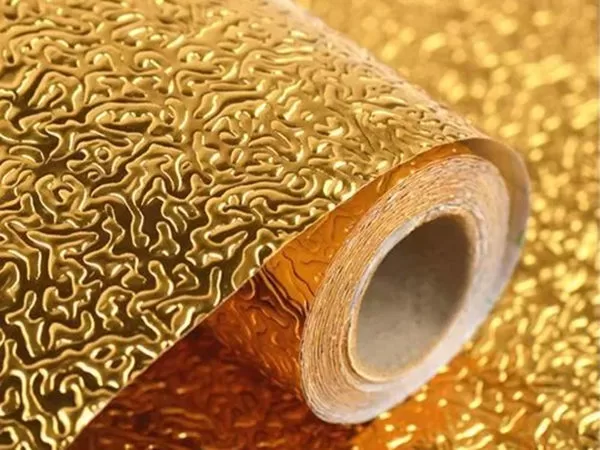
Embossing creates a textured surface.
Embossed foil can offer a different appearance and may also improve the visual effect of food packaging.
Cooking Aluminum Foil vs Food Packaging Foil
Cooking foil and food packaging foil may look similar, but the final requirements can be different.
| Feature | Cooking Foil | Food Packaging Foil |
|---|---|---|
| Main purpose | Cooking and wrapping | Packaging |
| Flexibility | High | Application dependent |
| Thickness | Wide range | Wide range |
| Surface | Plain / bright / matte | Plain / coated / laminated |
| Forming | Folding | Printing / laminating / forming |
| Main concern | Strength and handling | Barrier and packaging performance |
A manufacturer should confirm the final application before selecting the alloy and temper.
Aluminum Foil for Baking
Baking is one of the most common applications.
Foil can be used to cover baking trays or wrap food during the baking process.
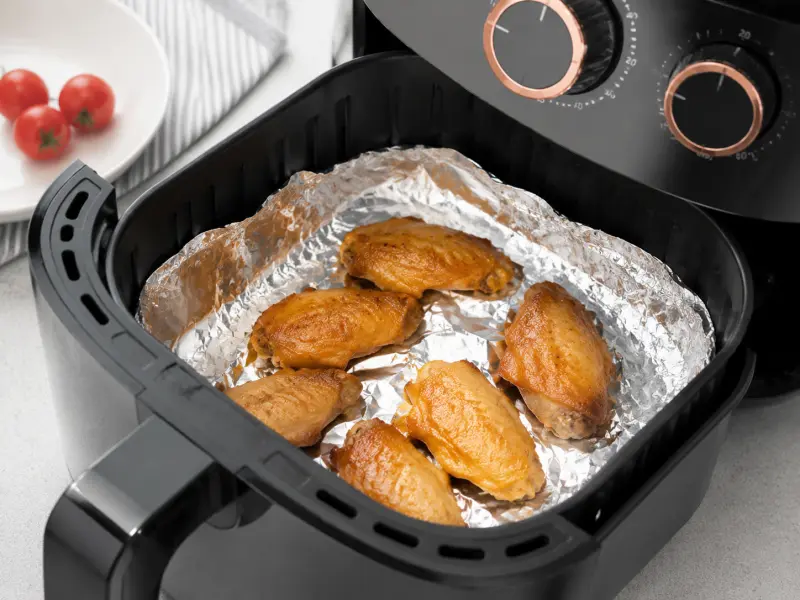
Common applications include:
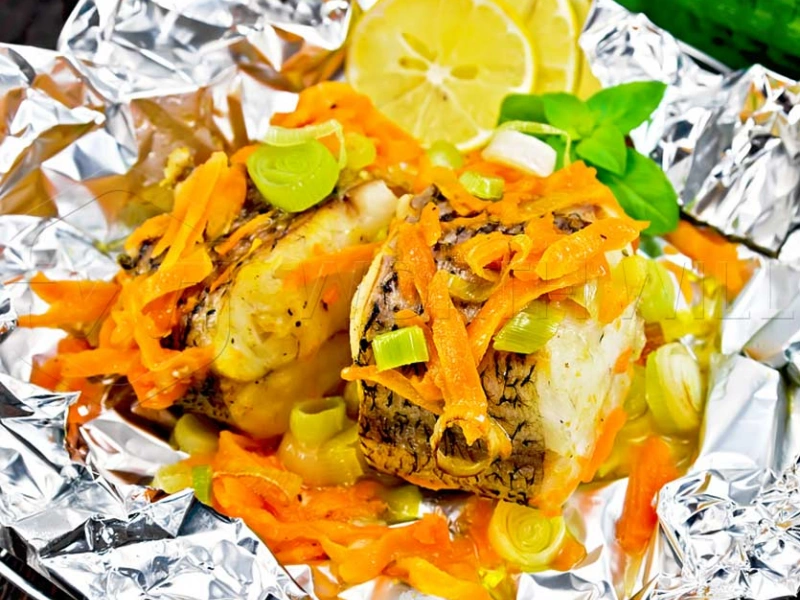
- Baking vegetables
- Roasting meat
- Covering casseroles
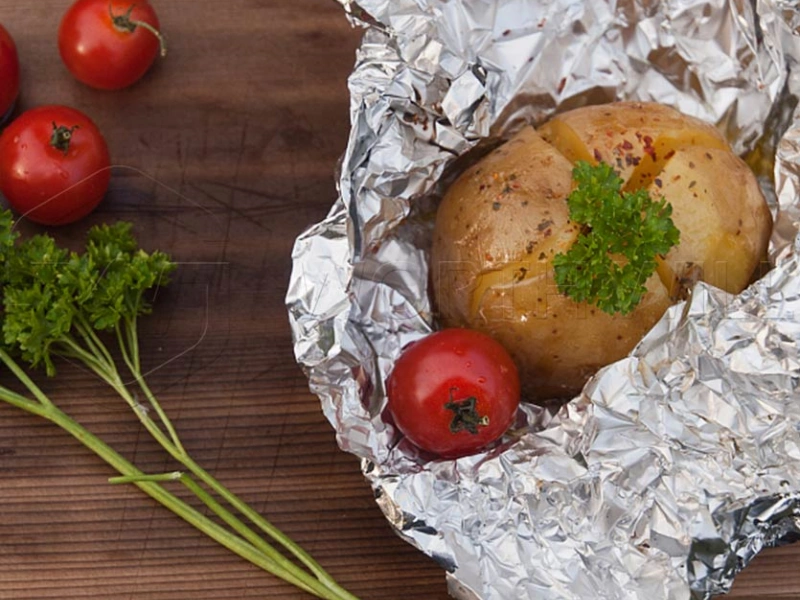
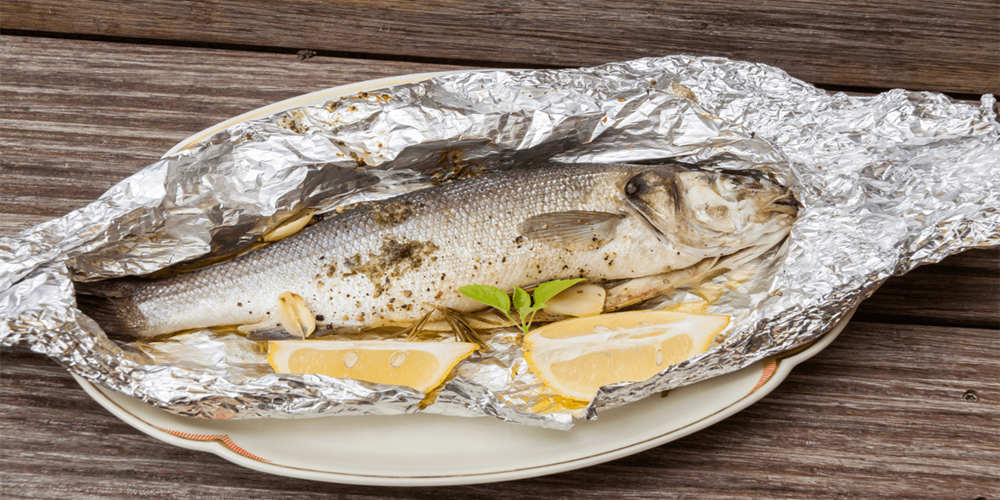
- Wrapping potatoes
- Baking fish
- Covering bread and other foods
- Lining suitable cooking trays
The required thickness depends on the weight of the food and how the foil will be handled.
Aluminum Foil for Grilling
Grilling often requires stronger foil.
Food has moved several times during cooking, so tear resistance becomes more important.
Heavy-duty aluminum foil is commonly preferred for:
- Meat
- Fish
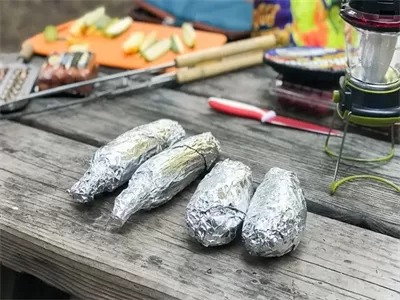
- Corn
- Potatoes
- Vegetables
- Outdoor barbecue
- Restaurant grilling
Simple selection:
Thin foil → light wrapping
↓
Medium foil → baking and roasting
↓
Heavy-duty foil → grilling and heavier food
Aluminum Foil for Food Wrapping
Aluminum foil is useful for wrapping food because it has folded closely around irregular shapes.
It can help reduce exposure to light and air.
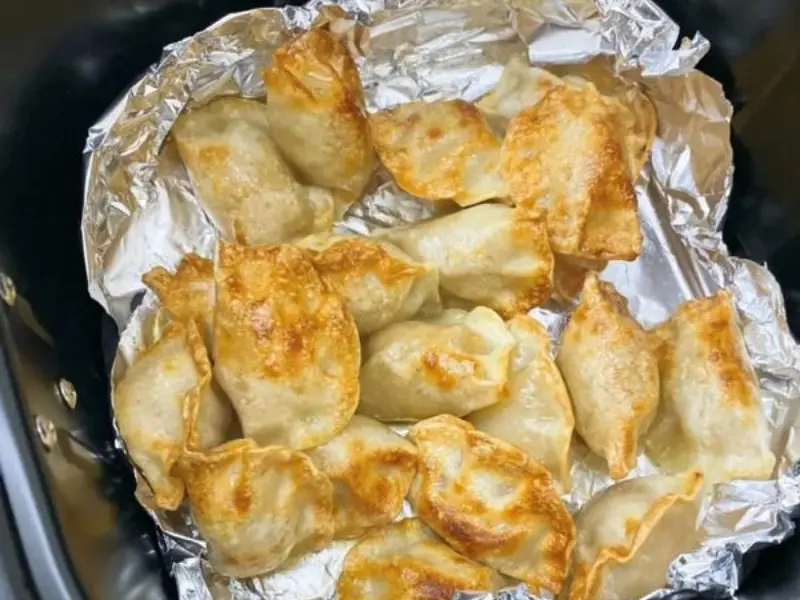
Common products include:
- Sandwich wrapping foil
- Bakery wrapping foil
- Takeaway food wrapping
- Vegetable wrapping
- Meat wrapping
- Snack packaging
For commercial packaging, foil has laminated with paper, PE, or other materials.
Aluminum Foil for Restaurants and Catering
Restaurants have different requirements from home kitchens.
A commercial kitchen may use hundreds of meters of foil every day. Roll length, thickness, core size, and packaging therefore become important.
Common Commercial Requirements
| Requirement | Why It Matters |
|---|---|
| Long roll length | Fewer roll changes |
| Stable thickness | Consistent handling |
| Strong foil | Less tearing |
| Suitable core | Machine compatibility |
| Clean surface | Food-related use |
| Custom width | Less material waste |
For wholesale customers, jumbo rolls can be more economical than finished small rolls.
Aluminum Foil for Different Foods
Different foods can require different foil thicknesses and handling methods.
| Food | Suggested Foil Type |
|---|---|
| Vegetables | Thin or medium |
| Fish | Medium |
| Chicken | Medium or heavy |
| Beef | Heavy |
| Potatoes | Medium or heavy |
| Sandwiches | Thin |
| Bakery products | Thin or medium |
| Large food portions | Heavy |
These are general selection suggestions. The actual product should match the cooking process and equipment.
Cooking Foil Thickness Comparison
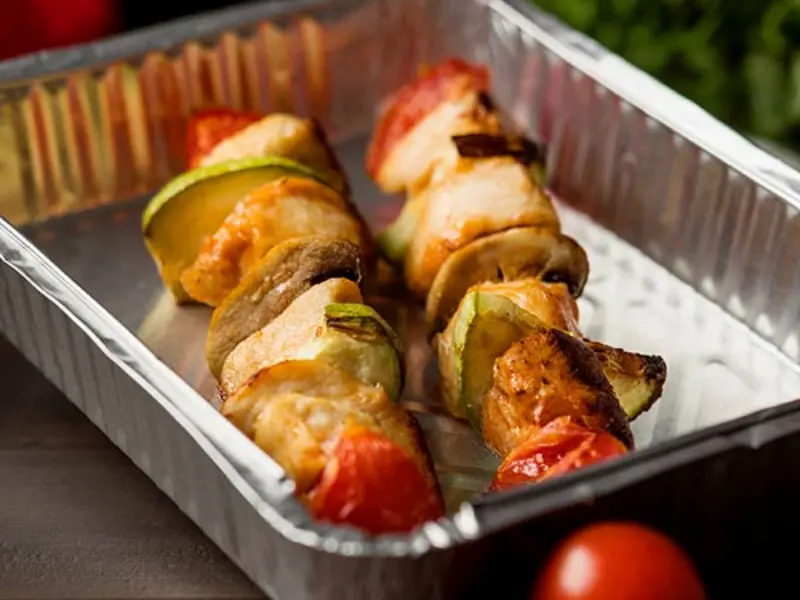
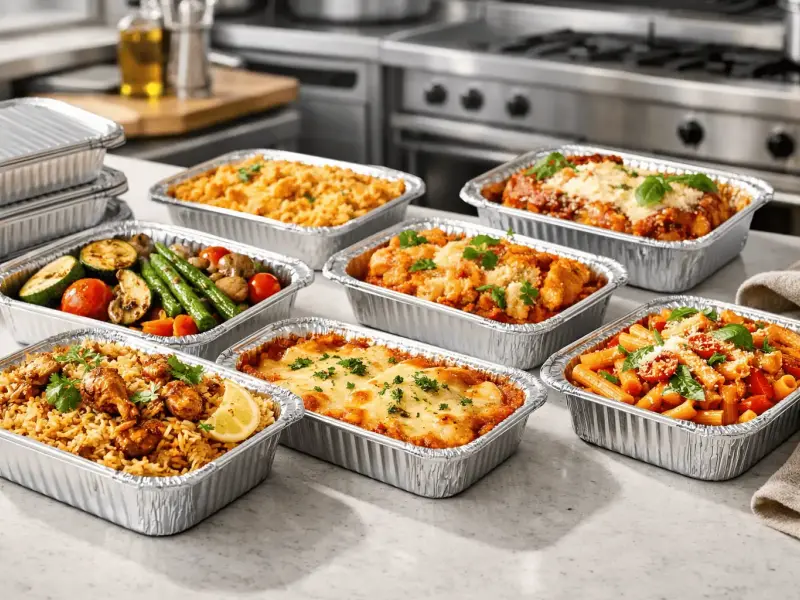
A simple thickness comparison can help customers make a faster decision.
| Thickness | Flexibility | Strength | Recommended Use |
|---|---|---|---|
| 0.008 mm | Very high | Low | Light wrapping |
| 0.012 mm | High | Moderate | Household use |
| 0.020 mm | Good | Good | Baking |
| 0.030 mm | Moderate | Higher | Roasting |
| 0.050 mm | Lower | High | Grilling |
| 0.080 mm | Lower | Very high | Heavy-duty use |
The actual suitable thickness depends on foil width, alloy, temper, and food weight.
8011 O Temper vs H18 Aluminum Foil
These two conditions are useful for showing how temper changes product performance.
| Feature | 8011 O | 8011 H18 |
|---|---|---|
| Hardness | Soft | Hard |
| Flexibility | Excellent | Lower |
| Forming | Easy | More difficult |
| Strength | Lower | Higher |
| Typical use | Wrapping | Stronger foil products |
For folding and wrapping, soft foil is usually easier to handle.
For applications requiring greater strength, a harder temper may be more suitable.
Aluminum Foil vs Plastic Food Wrap
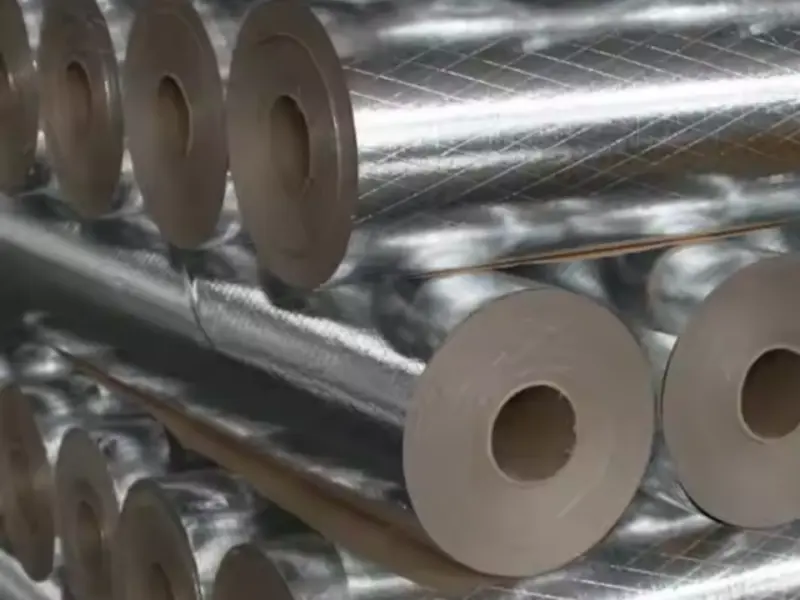
Both materials have uses for food wrapping, but they have different characteristics.
| Feature | Aluminum Foil | Plastic Wrap |
|---|---|---|
| Heat resistance | High | Material dependent |
| Light barrier | Excellent | Usually limited |
| Folding | Excellent | Flexible |
| Metallic barrier | Yes | No |
| Recycling potential | High in suitable systems | Material dependent |
| Grilling | Suitable for appropriate use | Generally unsuitable for direct high heat |
For cooking and heat-related applications, aluminum foil is often the more suitable material.
Aluminum Foil vs Parchment Paper
Parchment paper and foil serve different purposes.
| Feature | Aluminum Foil | Parchment Paper |
|---|---|---|
| Heat resistance | High | High within rated range |
| Moisture barrier | Excellent | Moderate |
| Light barrier | Excellent | Limited |
| Folding | Excellent | Good |
| Grilling | Suitable | Application dependent |
| Metallic barrier | Yes | No |
Many kitchens use both products depending on the food and cooking method.
How to Choose the Right Cooking Foil
A simple selection process can reduce purchasing mistakes.
Start With the Application
Ask:
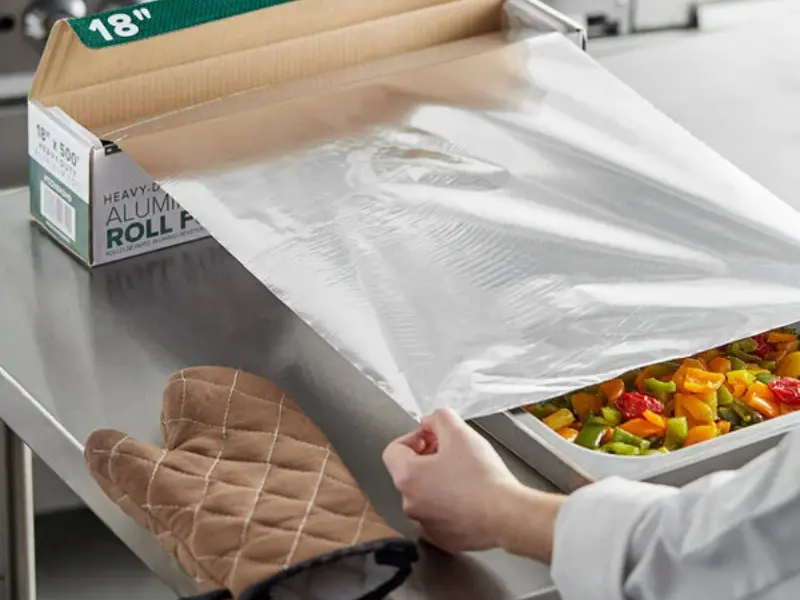
What will the foil do?
Wrapping → thin foil
Baking → medium foil
Roasting → medium/heavy foil
Grilling → heavy-duty foil
Commercial conversion → jumbo roll
Food packaging → confirm packaging structure and food-contact requirements
Choose the Thickness
Next, consider food weight and handling.
Light food → thinner foil
Heavy food → thicker foil
Frequent handling → stronger foil
Long-distance commercial handling → consider stronger specifications
Select the Alloy and Temper
For flexible products, 8011 O is a common option.
For stronger products, H14, H16, or H18 can be considered.
For special forming applications, alloy and temper has selected together with the forming process.
Manufacturing Quality of Cooking Foil
Good cooking foil should have a stable surface and consistent thickness.
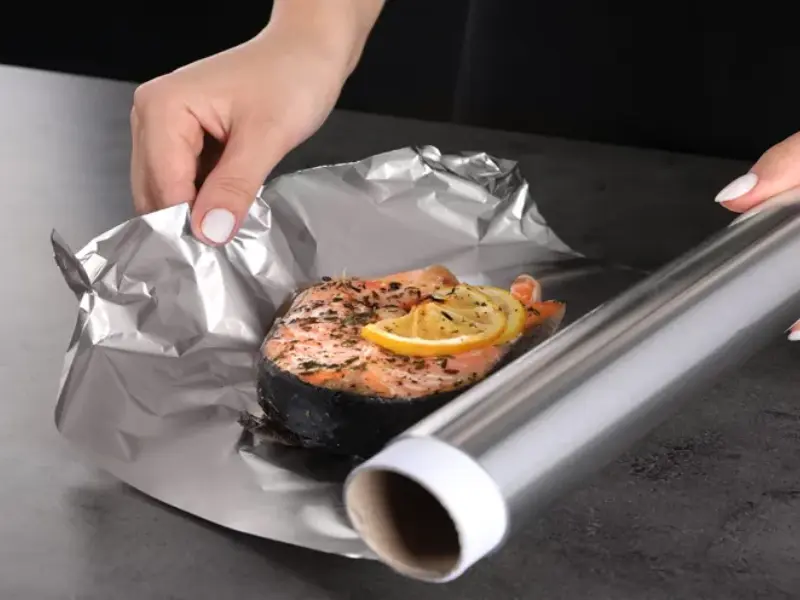
Important quality points include:
Winding quality
Thickness tolerance
Width tolerance
Surface cleanliness
Pinholes
Edge quality
Tensile strength
Elongation
Roll hardness
Core condition
Why Pinholes Matter
Very thin aluminum foil can contain tiny pinholes if the rolling process is not properly controlled.
For food-related foil, pinhole control is an important quality consideration.
A professional supplier should have suitable inspection procedures for thin foil products.
Packaging and Storage
Aluminum foil has properly packed during transportation.
Moisture and contamination should be avoided.
Recommended practices include:
- Waterproof outer packaging
- Strong carton or wooden protection where needed
- Suitable inner core
- Stable pallet packing
- Protection from rain
- Dry warehouse storage
- Avoid direct contact with water
For long-distance transportation, packaging becomes especially important.
What Affects the Price of Aluminum Foil?
The price is not determined by thickness alone.
Several factors can affect the final quotation:
| Factor | Price Influence |
|---|---|
| Aluminum alloy | Material cost |
| Thickness | Aluminum consumption |
| Width | Production requirements |
| Temper | Processing |
| Surface finish | Additional processing |
| Roll weight | Packaging and logistics |
| Core size | Converting requirements |
| Order quantity | Production efficiency |
| Packaging | Protection requirements |
| Delivery destination | Freight cost |
For wholesale buyers, comparing only price per roll may not give a complete picture.
It is better to compare alloy + thickness + width + net weight + packaging + delivery terms.
Wholesale Aluminum Foil for Cooking
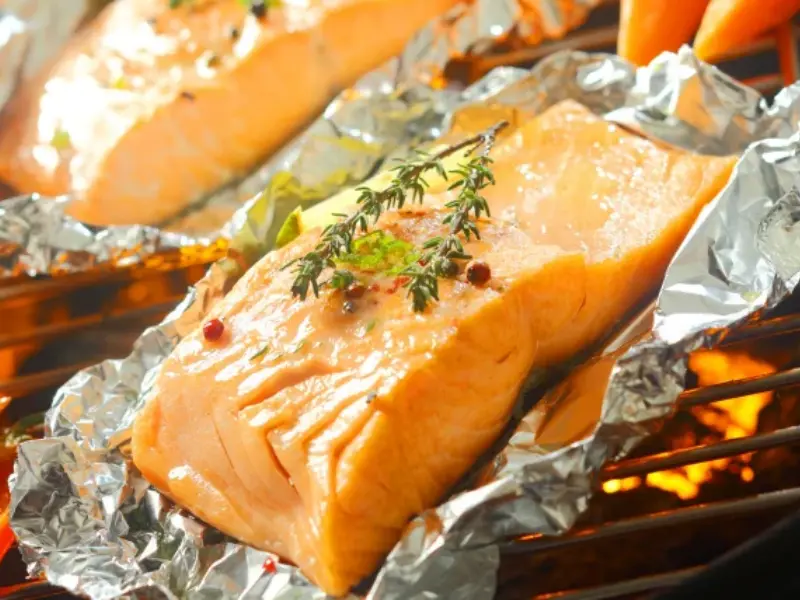
For distributors and importers, jumbo rolls can be an efficient purchasing option.
A supplier can provide different specifications for different converting machines.
Before Ordering, Confirm These Details
| Item | Customer Information |
|---|---|
| Alloy | 8011 / 1235 / 1100 / 3003 |
| Temper | O / H14 / H16 / H18 |
| Thickness | Required value |
| Width | Required value |
| Core ID | Machine requirement |
| Roll OD | Machine requirement |
| Surface | Bright / matte / plain |
| Packaging | Export or standard |
| Quantity | MT or rolls |
| Destination | Port or city |
This information helps the factory prepare a more accurate quotation.
Custom Aluminum Foil Solutions
Different markets may require different specifications.
A manufacturer can produce foil according to:
- Custom thickness
- Custom width
- Custom roll length
- Custom core diameter
- Custom packaging
- Custom labeling
- Jumbo rolls
- Small rolls
- Pre-cut sheets
For private-label products, packaging and roll dimensions can also be discussed before mass production.
Quick Product Selection Guide
For household wrapping
→ Choose thin, flexible foil
For baking
→ Choose medium-thickness foil
For grilling
→ Choose heavy-duty foil
For catering
→ Choose stronger and longer rolls
For repacking
→ Choose jumbo rolls
For food packaging
→ Confirm alloy, temper, surface, and food-contact requirements
For deep forming
→ Select alloy and temper according to forming depth
Common Questions About Aluminum Foil for Cooking
Is aluminum foil suitable for cooking?
Yes. Aluminum foil has uses for food wrapping, baking, roasting, grilling, and other kitchen applications. The foil should be selected according to the cooking method and intended use.
What is the best aluminum alloy for cooking foil?
8011 is a common choice for household and food-related foil. 1235 and 1100 have applications for suitable applications. The best alloy depends on the required thickness, flexibility, strength, and production process.
Is 8011 aluminum foil good for food packaging?
8011 has uses for various food-related foil products. For a specific food-contact application, the supplier and buyer should confirm the applicable material and regulatory requirements for the destination market.
What thickness is best for cooking aluminum foil?
There is no single thickness for every application. Thin foil is suitable for light wrapping, while thicker foil is better when higher strength is needed for grilling or heavy food.
What is the difference between O and H18 aluminum foil?
O temper is softer and more flexible. H18 is harder and stronger. O temper is generally easier to fold and form, while harder temper can provide better resistance to handling and tearing.
Can aluminum foil be supplied in jumbo rolls?
Yes. Jumbo rolls have commonly supplied to converters, wholesalers, and repacking companies. Width, thickness, core diameter, roll weight, and packaging can be customized.
Can cooking foil be customized?
Yes. A manufacturer can customize thickness, width, roll size, core diameter, surface finish, packaging, and other specifications according to production requirements.
What should I check before buying aluminum foil?
Check the alloy, temper, thickness, width, surface condition, roll weight, core size, packaging, quantity, and delivery terms. For food applications, also confirm the required food-contact specifications.
Is thicker aluminum foil always better?
Not necessarily. Thicker foil is stronger, but it also costs more and may be less flexible. The best thickness is the one that matches the application.
What is the difference between household foil and heavy-duty foil?
Household foil is normally thinner and more flexible. Heavy-duty foil is thicker and stronger, making it more suitable for grilling, roasting, large food portions, and commercial kitchens.
Why Buy Aluminum Foil Direct From a Manufacturer?
A direct factory can offer more options than a standard retail supplier.
Customers can discuss:
- Alloy selection
- Temper
- Thickness
- Width
- Jumbo roll size
- Core diameter
- Surface finish
- Packaging
- Private labeling
- Production quantity
Direct communication can also make it easier to develop a specification for a new market.
For importers and distributors, consistent quality is often more important than choosing the lowest initial price.
Final Thoughts
Aluminum foil for cooking is available in many thicknesses, alloys, tempers, roll sizes, and surface options. Thin foil is convenient for everyday wrapping, while thicker grades provide better strength for grilling, roasting, and commercial kitchen work.
For wholesale and manufacturing projects, 8011, 1235, 1100, and 3003 aluminum have considered according to the application. O temper is suitable when flexibility is important, while harder tempers can provide additional strength.
The best product is not always the thickest or strongest one. It should match the cooking method, food weight, converting equipment, packaging requirements, and target market.
Aluminum Foil for Cooking: A Practical Buying Checklist
Before placing an order, use this simple checklist:
Application → Alloy → Temper → Thickness → Width → Roll Size → Surface → Packaging → Quantity → Delivery
This sequence makes product selection easier.
A customer buying foil for household rolls may focus on flexibility and converting performance.
A restaurant may focus more on thickness and roll length.
A converter may focus on jumbo roll weight, winding quality, core size, and thickness tolerance.
The product specification should therefore follow the real application rather than using one standard specification for every customer.
Leave a Comment
You must be logged in to post a comment.