Aluminum Foil Cost
What Moves the Price Tag on a Roll?
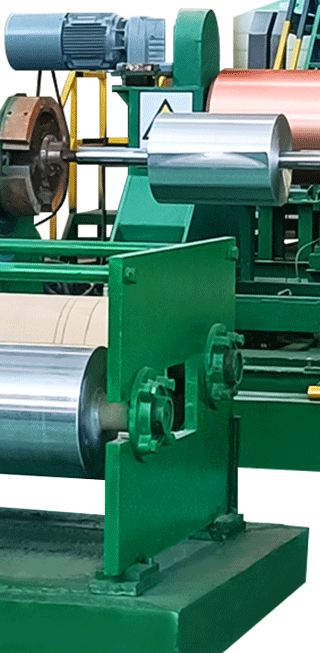
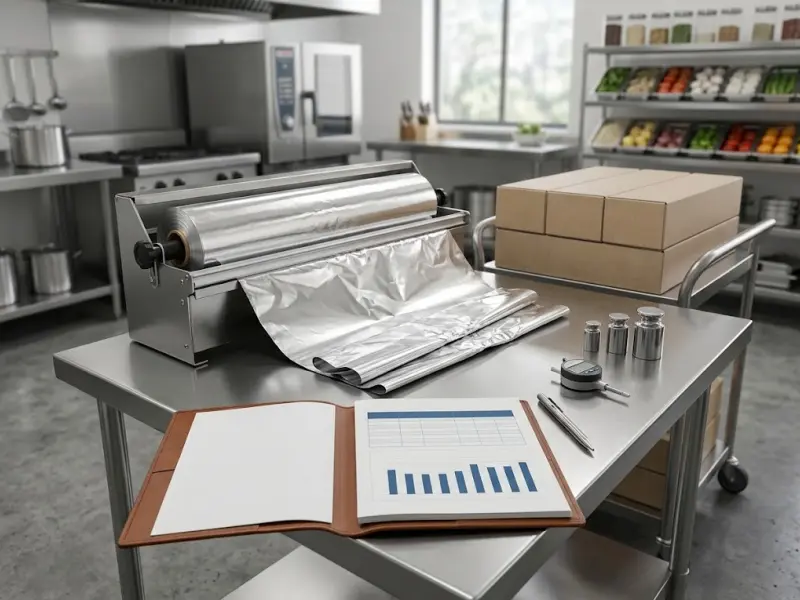
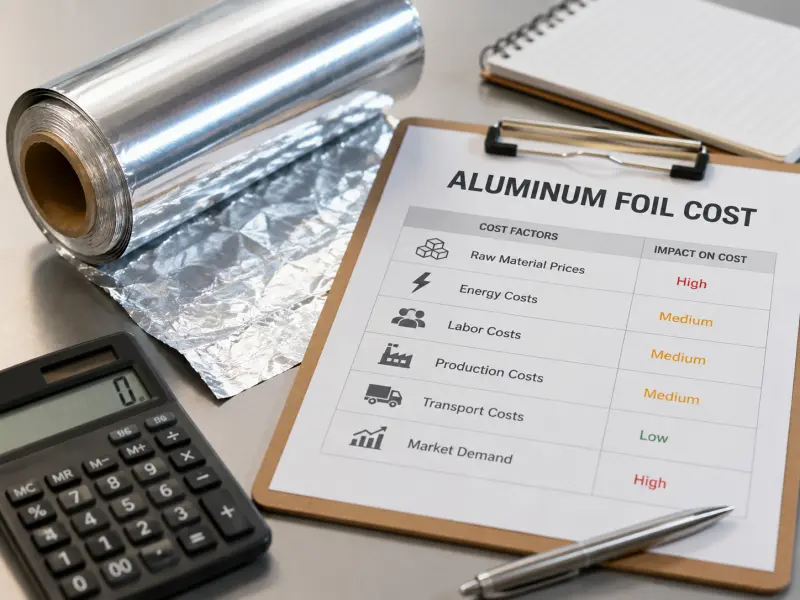
The aluminum foil cost you pay at checkout is not random. It ties back to the price of raw aluminum on the global market.
Then the mill adds charges for alloy, thickness, rolling, annealing, and packaging. Shipping and retailer markup stack on top. If you know which levers to pull, you can cut your foil bill without getting a weaker product.
Alloy Breakdown: The Hidden Cost Driver
Most buyers think all foil is the same metal. It is not. The alloy changes the recipe, and the recipe changes the price.
8011 Alloy: The Budget Workhorse
8011 contains iron and silicon. It is strong for its weight and easy to roll into thin sheets. This is the standard alloy for household food wrap, container foil, and general packaging. Because mills produce it in massive volumes, the aluminum foil cost for 8011 is the lowest per pound.
1235 Alloy: Purity Has a Price
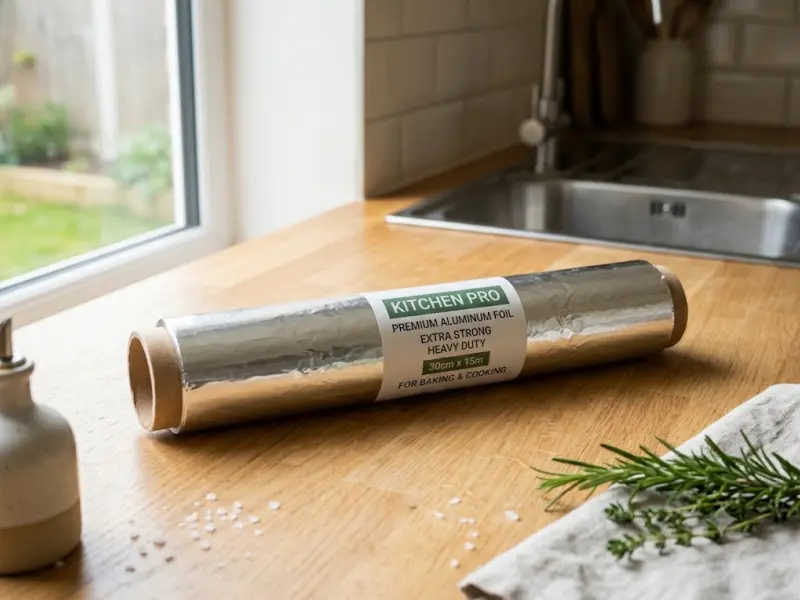
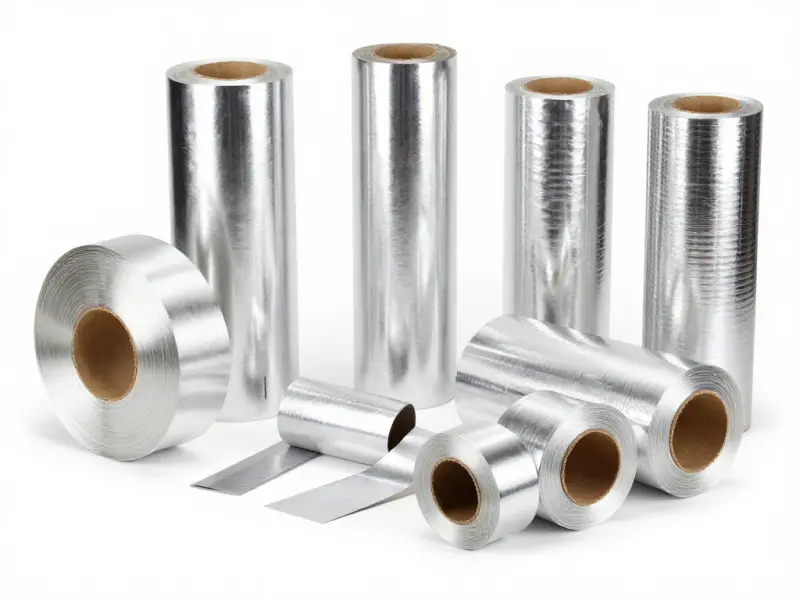
1235 is nearly pure aluminum. It is softer and more formable than 8011. High-end food wrap and lamination foil often use this alloy. The extra purity requires cleaner scrap and tighter process control. Expect to pay 5 to 15 percent more than 8011 for the same thickness.
1145 Alloy: Soft and Premium
1145 is another high-purity grade. It is slightly softer than 1235. You see it in chocolate wrapping, pharmaceutical blister packs, and decorative foil. The aluminum foil cost here jumps again because the metal must meet stricter cleanliness standards.
3003 Alloy: Strength for Trays
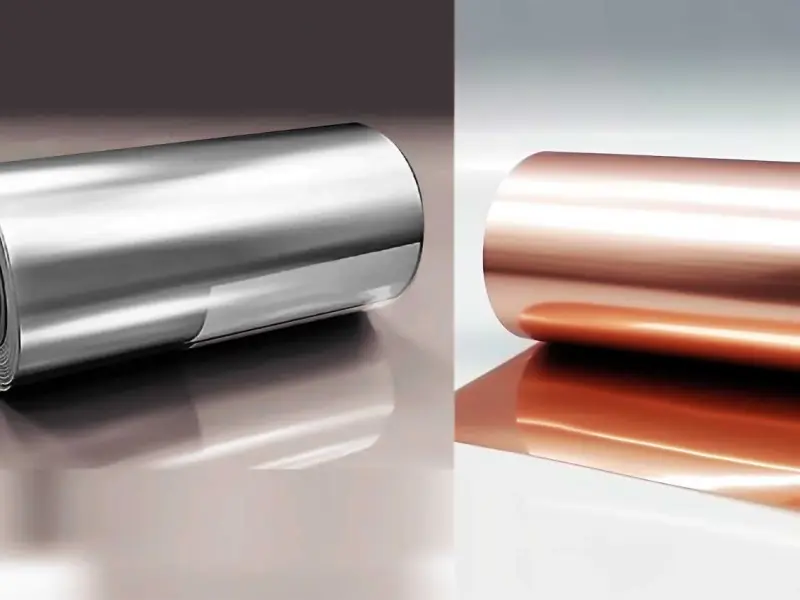
3003 adds manganese. It is much stiffer than the other three. It is not common for thin wrapping foil, but it is the go-to for rigid foil trays and heavy-duty pans. The extra strength means thicker starting stock and more rolling passes. That raises the price.
| Alloy | Purity Level | Strength | Typical Use | Cost Level |
|---|---|---|---|---|
| 8011 | 98.5% Al | Medium | Household wrap, containers | Lowest |
| 1235 | 99.35% Al | Lower | Lamination, premium wrap | Medium |
| 1145 | 99.45% Al | Lower | Candy wrap, pharma, decor | Medium-high |
| 3003 | 97% Al | Higher | Rigid trays, pans, heavy foil | Higher |
Thickness: Microns and Your Wallet
Thickness is the second biggest factor in aluminum foil cost. Thinner foil uses less metal. Thicker foil uses more. But thin foil tears and wastes food. Here is how the grades line up.
Standard Duty: 9 to 10 Microns
This is the thinnest practical grade. It covers bowls and wraps sandwiches. It tears if you look at it wrong. The cost per roll is low, but you may use double layers. That erases the savings.
Regular Duty: 11 to 12 Microns
This is the supermarket standard. It balances cost and strength. Most household rolls fall in this range. The aluminum foil cost per square foot is reasonable for daily use.
Heavy Duty: 14 to 18 Microns
Thicker metal resists punctures and stands up to grilling. You pay more per roll, but you use less because one layer does the job. For barbecue and freezer storage, this grade often saves money in the long run.
Extra Heavy Duty: 20 to 25 Microns
This is commercial-kitchen territory. It holds ribs, turkeys, and heavy roasts. The upfront cost is high, but waste is near zero.
| Thickness | Microns | Mils | Best For | Relative Cost per Sq Ft |
|---|---|---|---|---|
| Standard duty | 9–10 | 0.35–0.40 | Light covering, short storage | Lowest |
| Regular duty | 11–12 | 0.43–0.47 | General kitchen use | Low |
| Heavy duty | 14–18 | 0.55–0.71 | Grilling, freezing, roasting | Medium |
| Extra heavy | 20–25 | 0.79–0.98 | Commercial cooking, large meats | High |
Roll Size Math: Bigger Is Cheaper
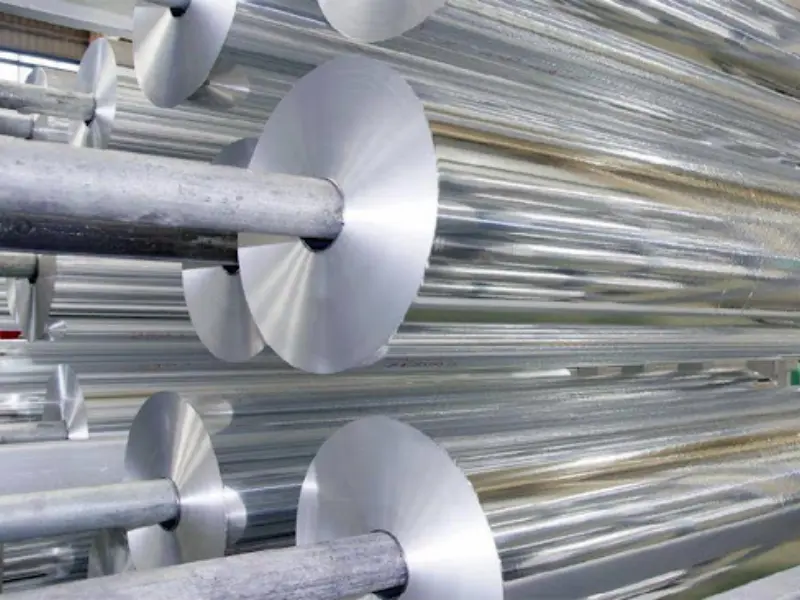
The size of the roll changes the aluminum foil cost more than buyers expect. Small retail rolls carry high packaging and marketing costs. Industrial jumbo rolls cut both.
| Roll Type | Length | Width | Typical Use | Cost per Sq Ft |
|---|---|---|---|---|
| Small retail | 25 ft | 12 in | Dorm rooms, occasional use | Highest |
| Standard retail | 75 ft | 12 in | Home kitchens | High |
| Large retail | 200 ft | 12 in | Big families, small restaurants | Medium |
| Food service | 500 ft | 18 in | Catering, delis | Low |
| Jumbo industrial | 5,000+ ft | 24–48 in | Converters, manufacturers | Lowest |
A 75-foot household roll may cost 4 to 6 cents per square foot. A 500-foot food service roll drops that to 2 to 3 cents. A jumbo mill roll can fall below 1.5 cents. If you have the storage space, buying larger rolls is the fastest way to cut aluminum foil cost.
Temper States: Soft vs Hard and What It Costs
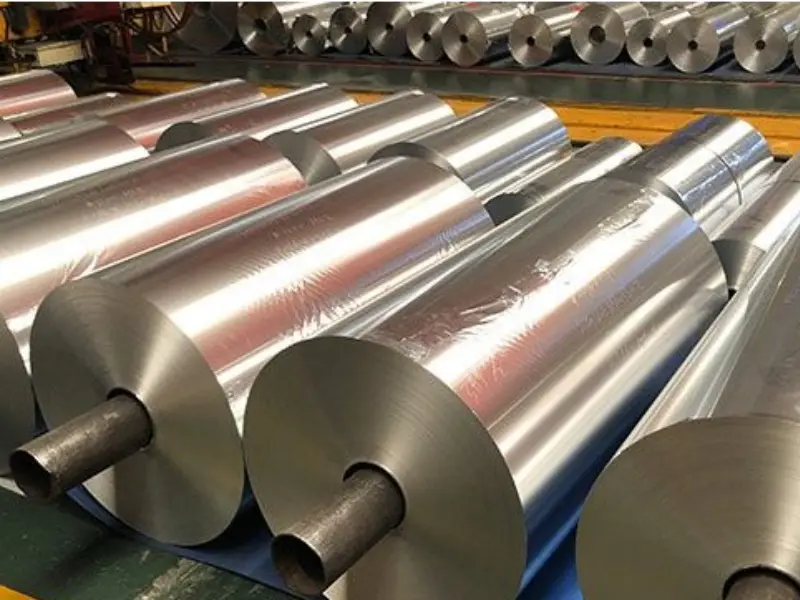
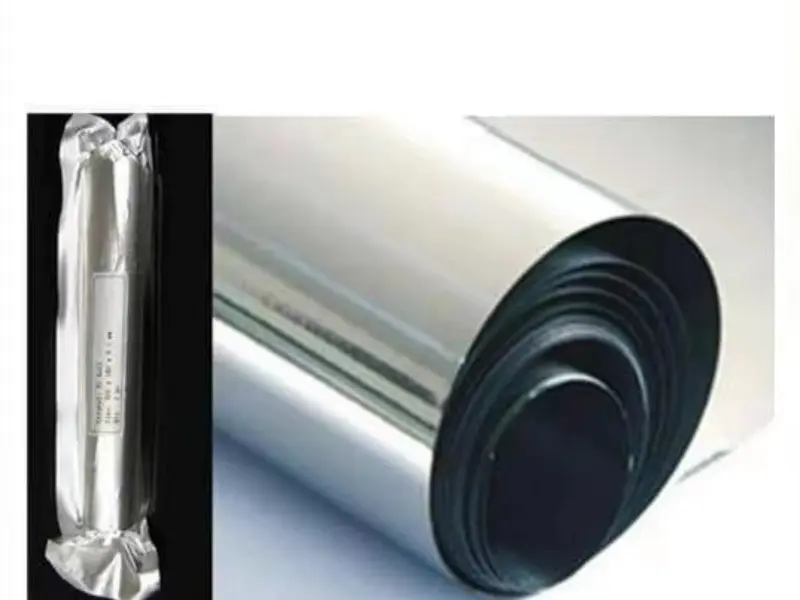
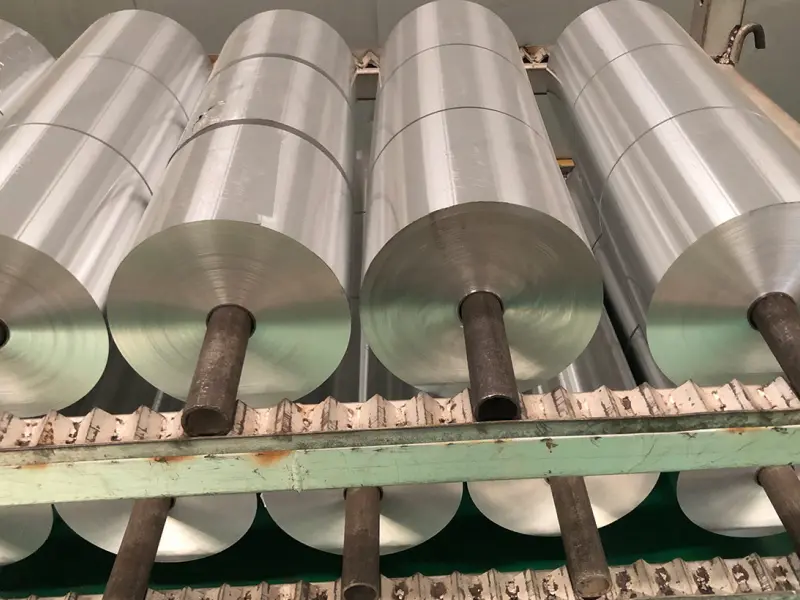
Temper describes how the foil was treated after rolling. It affects feel and price.
O Temper: Soft and Common
O temper is fully annealed. It is dead soft and clingy. Most household rolls are O temper. The process is standard, so the cost stays low.
H18 Temper: Work-Hardened
H18 foil is stiffer. It holds a crease and resists punctures. It takes extra rolling passes to reach this hardness. That adds a small premium to the aluminum foil cost. You see H18 in pre-formed trays and heavy pouches.
H14 and H24: The Middle Ground
These are partially hardened. They offer a balance between formability and strength. They cost slightly more than O temper but less than full H18.
| Temper | Hardness | Feel | Typical Use | Cost Impact |
|---|---|---|---|---|
| O | Very soft | Clingy, easy to tear | Household wrap, general use | Baseline |
| H14 | Half hard | Slightly stiffer | Light-duty containers | +5–10% |
| H24 | Half hard, stabilized | Less springback | Formed lids, shaped pans | +10–15% |
| H18 | Fully hard | Rigid, holds shape | Heavy trays, rigid packaging | +15–25% |
Household vs Industrial: Where the Money Goes
The same metal costs very different amounts depending on where you buy it.
Retail Packaging Costs
A retail roll pays for the cardboard box, the serrated cutter, the printed wrapper, the pallet display, and the supermarket shelf space. That can add 30 to 50 percent to the base metal cost.
Industrial Bulk Costs
Industrial buyers receive large rolls on simple cores. The packaging is a cardboard sleeve and stretch wrap. There is no advertising. There is no fancy cutter. The aluminum foil cost drops because you are paying for metal, not marketing.
| Cost Factor | Retail Roll | Industrial Roll |
|---|---|---|
| Metal content | 60% of price | 85% of price |
| Packaging | 15% of price | 5% of price |
| Shipping per lb | Higher | Lower |
| Marketing | 10% of price | 0% |
| Total premium over metal | 40–60% | 10–20% |
Specialty Foils: When to Pay Extra
Some jobs need more than plain silver wrap. Specialty coatings and shapes add cost but solve problems.
Non-Stick Coated Foil
A food-safe silicone layer on one side stops food from bonding. The coating adds 10 to 20 percent to the roll price. It is worth it for bakers and anyone cooking sticky marinades.
Color-Coated Foil
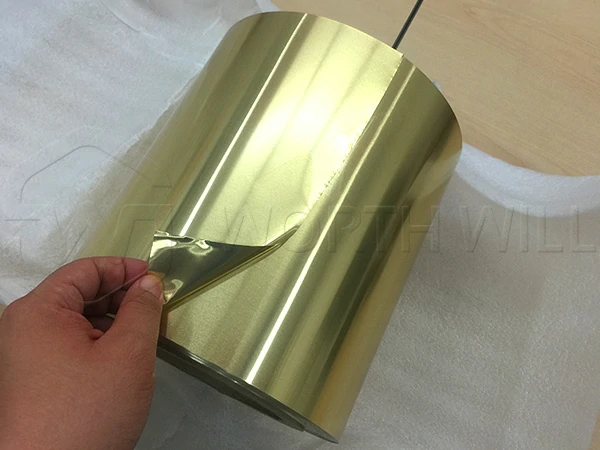
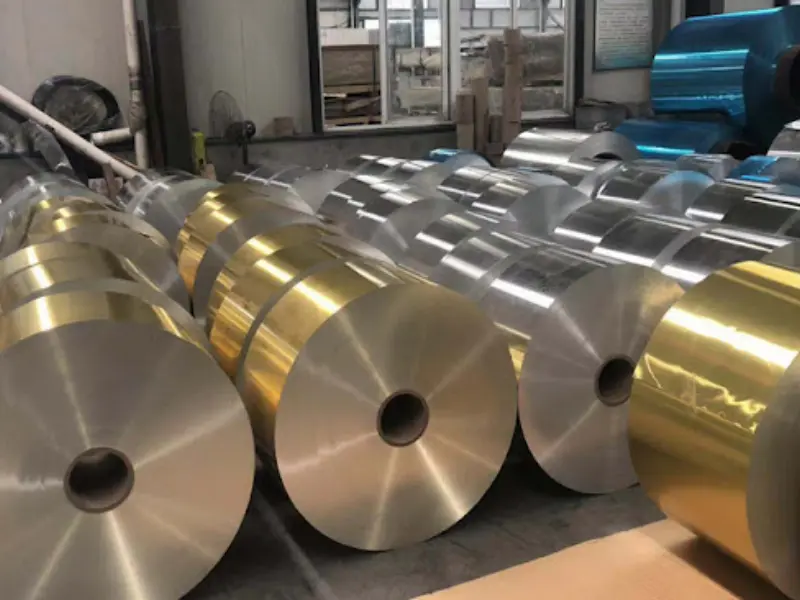
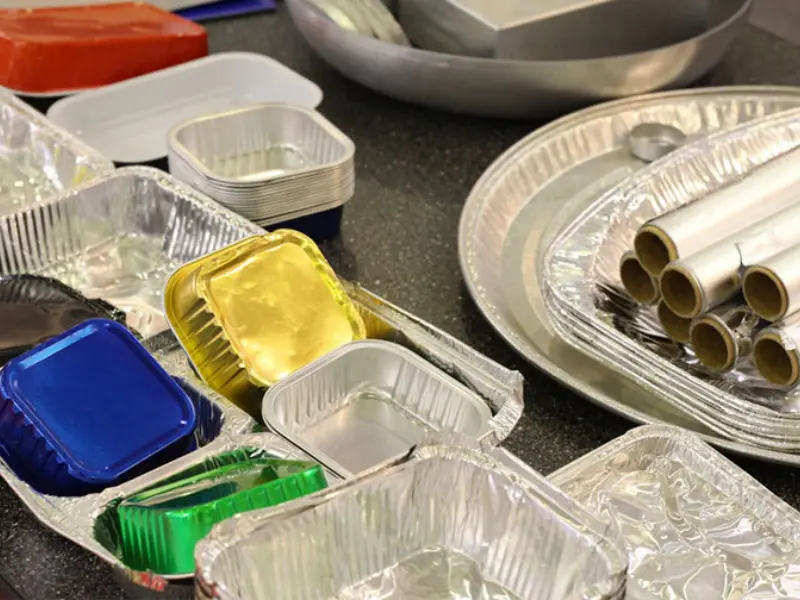
Gold, red, or custom-printed foil is popular for gift wrapping and premium food packaging. The paint or lacquer adds 20 to 40 percent. Minimum order quantities are often high.
Embossed Foil

Stucco or diamond patterns add stiffness and hide fingerprints. Embossing requires extra rolling gear. Expect a 10 to 15 percent bump in aluminum foil cost.
Perforated Foil
Laser or needle holes turn solid foil into a breathable sheet. The perforation step adds cost. It is common in air fryer liners and steam-cooking pouches.
Foil with Easy-Cut Box
The dispenser box with a slide cutter is convenient. It also adds 50 cents to 2 dollars per roll. If you already own a cutter, buy plain rolls and save.
| Specialty Type | Extra Cost | Best For |
|---|---|---|
| Non-stick coating | +10–20% | Baking, sticky foods |
| Color coated | +20–40% | Gifts, branding, holidays |
| Embossed | +10–15% | Rigid containers, insulation |
| Perforated | +15–25% | Air fryers, steaming |
| Dispenser box | +$0.50–$2.00 per roll | Home convenience |
Smart buyers match the foil grade to the job. Using heavy-duty foil to cover a salad bowl is waste. Using thin foil on a grill is frustration.
Applications: Getting the Most from Your Foil Budget
Art and craft projects – standard duty, colored rolls
Sandwich wrapping – standard duty 8011 O temper
Freezer storage – regular duty 11–12 micron, 1235 alloy for tight seal
Grilling and barbecue – heavy duty 14–18 micron, H18 if pre-formed
Baking cookies – non-stick coated 8011, 12–14 micron
Lining oven trays – heavy duty wide rolls, food service size
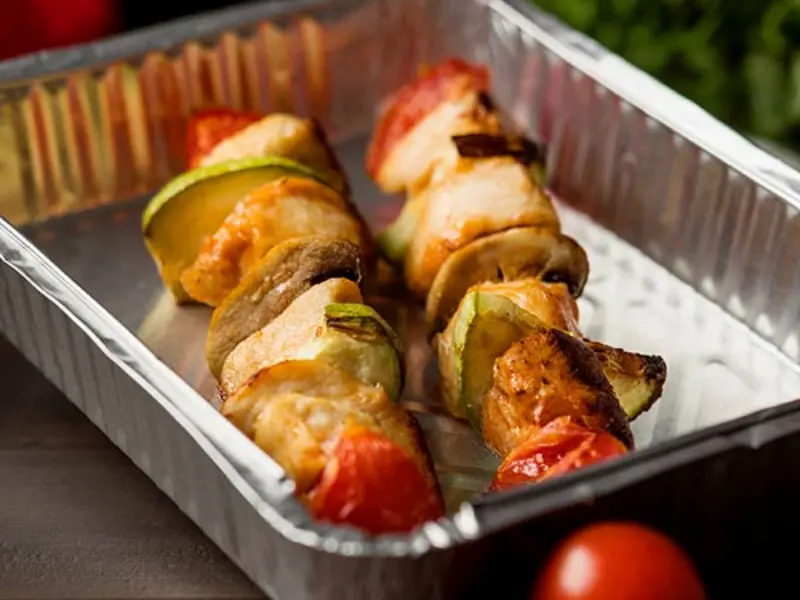
Restaurant food service – 500 ft rolls, 14 micron, 8011 or 3003 trays
Catering displays – embossed or colored foil for visual appeal
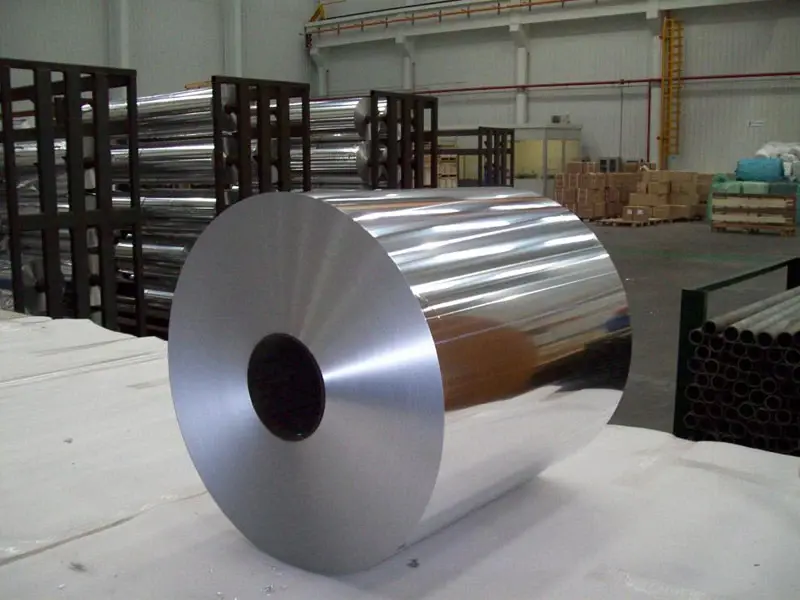
Insulation and HVAC – 18–25 micron, 1145 or 8011, wide rolls
Pharmaceutical packaging – 1235 or 1145, high purity, thin gauge
Electronics shielding – thick 25+ micron, 8011, specific widths
Hair coloring and salon use – pre-cut sheets, 9–11 micron
Price Trends: What Affects Foil Costs Over Time
Aluminum foil cost moves with the London Metal Exchange price for primary aluminum. When energy prices rise, smelters charge more. When shipping containers are scarce, freight adds a premium. Tariffs and trade duties also shift prices by 5 to 15 percent in some markets.
Buying during stable commodity periods locks in lower rates. Signing an annual supply contract with a distributor can buffer you from spikes.
Frequently Asked Questions
Why does the same size roll cost different amounts at two stores?
The alloy, thickness, and packaging differ. A 75-foot store-brand roll may be 9 microns thick. A name-brand roll may be 12 microns. The name-brand box may also include a better cutter. Always check the micron count, not just the length.
Is thicker foil always more expensive?
Usually yes, but not always per use. Heavy-duty foil costs more per roll, but you use fewer sheets because it does not tear. Over a month, a heavy-duty roll may last longer and cost less per meal than a thin roll.
What is the cheapest alloy for food-safe foil?
8011 is the lowest-cost food-grade alloy. It meets FDA and EU standards. Unless your application demands 99.35 percent purity, 8011 is the smart buy.
How much does coating add to the price?
A simple non-stick silicone coating adds 10 to 20 percent. Color coatings add 20 to 40 percent. Embossing adds 10 to 15 percent. For most home cooks, plain foil is the best value.
Should I buy jumbo rolls to save money?
If you have storage space and use foil weekly, yes. Jumbo rolls cut the cost per square foot by 50 percent or more compared to retail sizes. Just keep the roll dry and away from chemicals that could corrode the core.
Does temper affect cost?
Yes, but mildly. O temper is the baseline. H18 costs 15 to 25 percent more because of extra processing. For wrapping and covering, O temper is fine. For formed trays and rigid lids, the extra cost of H18 is worth it.
Why did foil prices go up this year?
Aluminum foil cost tracks the global aluminum price. Rising electricity costs, shipping rates, and demand from packaging and construction all push prices up. Buying on contract or in bulk can freeze your price.
Is recycled foil cheaper?
Sometimes. Recycled-content foil uses less energy to produce, which can lower the base cost. However, it is often marketed as eco-friendly, which adds a brand premium. Compare prices per square foot, not just the green label.
What is the most cost-effective way to buy foil for a restaurant?
Buy 500-foot food service rolls in case quantities. Choose 8011 alloy, 12 to 14 micron thickness, O temper. Skip printed boxes and buy a separate dispenser. This cuts the cost per use by half compared to retail grocery rolls.
Can I negotiate foil prices with a supplier?
Yes, if you buy in volume. Orders above one pallet usually open room for negotiation. Annual contracts often earn 5 to 10 percent discounts. Even small shops can negotiate if they commit to regular monthly orders.
Cost-Saving Tips That Actually Work
You do not need to buy cheap foil to spend less. You need to buy the right foil the right way.
Buy Longer Rolls
A 200-foot roll costs less per foot than a 75-foot roll. A 500-foot roll costs even less. If you use foil daily, upgrade your roll size.
Match Thickness to the Task
Do not buy heavy-duty foil for light covering. Do not buy standard duty for grilling. Using the wrong grade creates waste.
Buy in Case Quantities
Even at the retail level, a case of six rolls costs less per roll than singles. Restaurants should buy by the case or pallet.
Skip the Cutter Box
If you own a wall-mounted or slide cutter, buy bulk rolls without the fancy box. The box is a hidden cost.
Consider Alloy 8011 for General Use
For 90 percent of kitchen tasks, 8011 works fine. Only upgrade to 1235 or 1145 if you need extreme softness or food-contact purity rules.
Leave a Comment
You must be logged in to post a comment.