Difference between silver foil and aluminium foil
Silver foil and aluminium foil look similar at first. Both are thin metal sheets used for wrapping, decorating, or shielding. But silver foil and aluminium foil are different in material, cost, and use. This page explains the differences in simple words. It includes easy tables, clear specs, and use cases to help you choose the right foil.
What is silver foil?
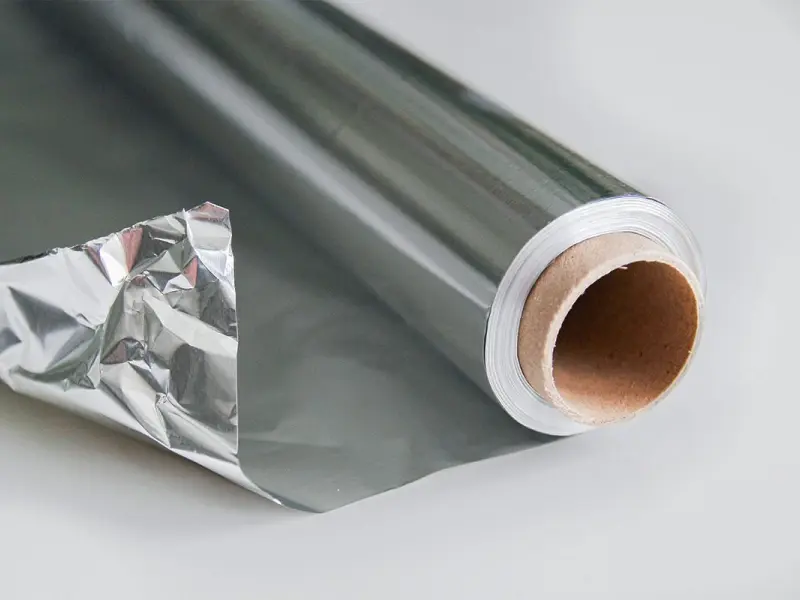
Silver foil usually means very thin sheets of silver metal. In crafts and food, people often call this “silver leaf.” There are two main types:
- Decorative silver leaf (used on frames, art, jewelry)
- Edible silver leaf (used on sweets and luxury food)
Silver foil is made of nearly pure silver (often 99%+). It is soft, very thin, and shiny. Because silver is a precious metal, silver foil is expensive.
Silver foil: typical specifications
| Type | Purity | Typical thickness | Common uses | Typical price level |
|---|---|---|---|---|
| Decorative silver leaf | 90–99% Ag | 0.08–0.3 µm (80–300 nm) | Gilding, art, furniture | High |
| Edible silver leaf (vark) | 99.9% Ag (food grade) | 0.1–0.2 µm | Sweets, confections, luxury dishes | High |
| Silver-on-paper sheets | Silver leaf sandwiched | 0.1–0.3 µm | Craft, gilding practice | Medium–High |
Note: Thickness is extremely small for silver leaf.
What is aluminium foil?
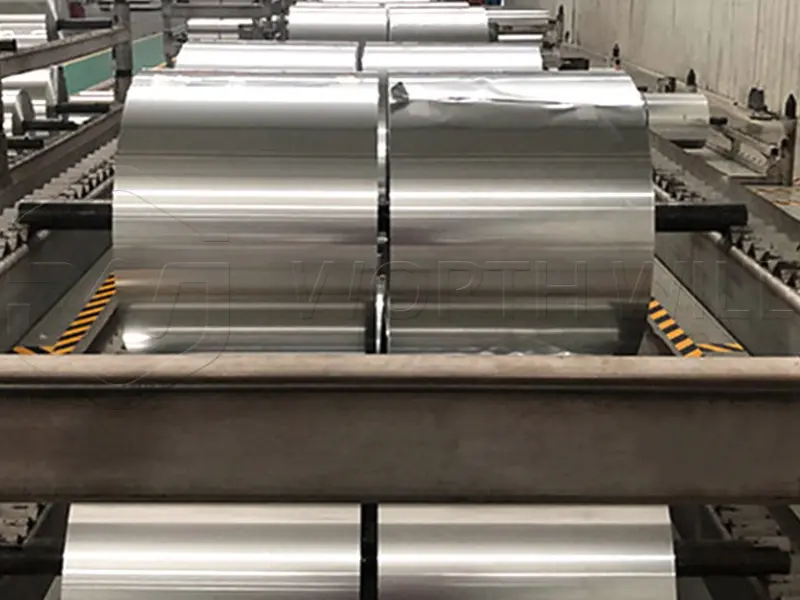
Aluminium foil is a thin sheet of aluminium metal. It is common in kitchens and industry. Aluminium foil is low cost and comes in many thicknesses and widths. It is used for cooking, wrapping, insulation, and many industrial applications.
Aluminium foil: typical specifications
| Grade / Type | Alloy (typical) | Thickness range | Common widths | Common uses |
|---|---|---|---|---|
| Household (standard) | 8011 / 1100 types | 6–12 µm | 30 cm, 45 cm | Food wrap, baking |
| Heavy-duty household | 8011 variants | 16–24 µm | 30–45 cm | Grill, heavy wrap |
| Industrial / packaging | 1000 / 3000 series | 25–200 µm | 100 mm–1500 mm | Beverage cans, insulation, barrier film |
| Aluminium leaf (decorative) | 99% Al | 0.2–2 µm | small sheets | Decorative, imitation silver |
Aluminium foil thickness is much larger than silver leaf. Aluminium is flexible and holds shape well.
Side-by-side comparison
| Feature | Silver foil | Aluminium foil |
|---|---|---|
| Material | Silver (Ag), precious metal | Aluminium (Al), lightweight metal |
| Appearance | Bright, shiny white, warm tone | Bright silver, slightly cooler tone |
| Typical thickness | 0.08–0.3 µm (leaf) | 6–200 µm (varies) |
| Thermal conductivity | Very high (~429 W/m·K) | High (~237 W/m·K) |
| Electrical conductivity | Very high (~63×10^6 S/m) | Good (~37.7×10^6 S/m) |
| Melting point | 961.8 °C | 660.3 °C |
| Corrosion | Tarnishes with sulfur (sulfides) | Forms protective oxide layer |
| Food use | Edible silver leaf safe in small amounts | Widely used for cooking/wrapping |
| Cost | High | Low |
| Recyclability | Recyclable, valuable to recycle | Widely recyclable, common |
Each line inserts the keywords “silver foil” and “aluminium foil” naturally. The table helps compare key properties at a glance.
Physical and visual differences (short list)
- Silver foil has a slightly warmer, richer shine than aluminium foil.
- Aluminium foil is more common and feels stronger at the same thickness.
- Silver leaf is extremely thin and tears easily; aluminium foil is thicker and tougher.
- Silver is heavier by density; aluminium is light and low density.
Applications and use cases
Below are common areas where silver foil and aluminium foil are used. This helps pick the right material.
Applications — quick bullet list
- Food: edible silver leaf (desserts), aluminium foil (cooking, storage)
- Decoration: silver leaf for gilding frames and signs; aluminium leaf for cheaper finishes
- Electronics: silver for high conductivity needs; aluminium for shields and thermal parts
- Packaging: aluminium foil for barrier films and pouches
- Crafts: both used, but silver leaf used for fine art gilding
Applications table: which foil to use
| Application | Preferred foil | Why |
|---|---|---|
| Luxury sweets and confections | Silver foil (edible leaf) | Traditional look and food-safe when pure |
| Baking, covering pans | Aluminium foil | Heat resistance, low cost |
| High-end gilding (frames, art) | Silver leaf | Authentic finish, bright luster |
| Insulation and vapor barrier | Aluminium foil | Reflective, barrier to moisture |
| Electrical contacts (special) | Silver foil/platings | Higher conductivity |
| Costume or stage props | Aluminium leaf | Cheaper imitation of silver |
Food safety and cooking
Both foils can touch food, but they are not the same.
- Edible silver leaf: Made to food grade. Avoid large continuous ingestion.
- Aluminium foil: Safe for most cooking. Acidic or salty foods can increase aluminium migration at high heat. Use care with very acidic recipes.
- Never use silver leaf meant for crafts on food; only buy food-grade edible silver for cooking.
Quick safety table
| Concern | Silver foil (edible) | Aluminium foil |
|---|---|---|
| Food-grade available? | Yes (vark, edible leaf) | Yes |
| Notable risk | Argyria only with massive ingestion (rare) | Minor aluminium migration with acidic food at high heat |
| Recommended use | Decoration, small amounts | Cooking, wrapping, storage |
How to choose: decision table
| Need | Use silver foil? | Use aluminium foil? |
|---|---|---|
| I want luxury food decoration | Yes | No |
| I need cheap cooking wrap | No | Yes |
| I need strong thermal conduction for electronics | Yes (if budget allows) | Maybe (good enough in many cases) |
| I need a barrier film for packaging | No | Yes |
| I need a decorative silver look cheaply | No (too costly) | Yes (aluminium leaf or plated foil) |
Checklist when choosing:
- What is the purpose? (food, craft, industry)
- Do you need food-grade material? (Yes — choose certified edible silver or food-grade aluminium)
- Is weight a concern? (Aluminium is much lighter)
- What is your budget? (Silver is costly)
- Do you need high conductivity? (Silver > Aluminium)
Handling and storage
Silver foil:
- Keep in sealed packets to avoid tarnish.
- Handle with soft tools (gilder’s tip, soft brush).
- Store away from sulfur sources (rubber, wool).
Aluminium foil:
- Store in dry place.
- Keep roll edges covered to avoid tearing.
- Heavy-duty foil lasts longer under heat and pressure.
Recycling and disposal
- Aluminium foil: widely recyclable if clean. Remove food residue before recycling.
- Silver foil: recyclable and valuable, but very thin leaf may be hard to collect.
Industrial specifications and numeric types
A short numeric table showing typical ranges for each material:
| Property | Silver foil (leaf) | Aluminium foil (household) |
|---|---|---|
| Thickness | 0.08–0.3 µm | 6–12 µm |
| Density | 10.49 g/cm³ | 2.70 g/cm³ |
| Thermal conductivity | ~429 W/m·K | ~237 W/m·K |
| Electrical conductivity | ~63×10^6 S/m | ~37.7×10^6 S/m |
| Melting point | 961.8 °C | 660.3 °C |
Use these numbers to evaluate heat or conductivity needs.
Decorative vs. functional use: practical tips
- For true silver finish in art, use silver leaf, not aluminium leaf. The look and aging differ.
- For budget props, aluminium leaf gives similar shine and is easier to handle.
- For food, only use certified edible silver leaf; never use decorative silver leaf not labeled food-grade.
Frequently asked questions (FAQ)
Q: Are silver foil and aluminium foil the same?
A: No. Silver foil is made of silver and is a precious metal. Aluminium foil is made of aluminium and is common and low cost.
Q: Can I use aluminium foil instead of silver foil for decoration?
A: You can use aluminium leaf for a similar look, but it will not match the exact color, feel, or value of real silver leaf.
Q: Is edible silver foil safe?
A: Edible silver leaf made to food-grade standards is used in many cuisines. Use only certified edible silver and consume small amounts as decoration.
Q: Is aluminium foil safe for cooking?
A: Yes. Aluminium foil is widely used in cooking. Avoid long contact with highly acidic foods at high heat if you want to minimize aluminium migration.
Q: Which foil conducts heat better?
A: Silver conducts heat better than aluminium. But aluminium still conducts heat well and is used widely.

Leave a Comment
You must be logged in to post a comment.