Kitchen Foil For Food Packaging Aluminium Foil
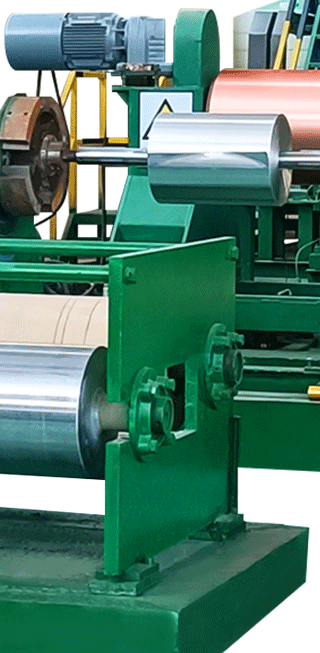
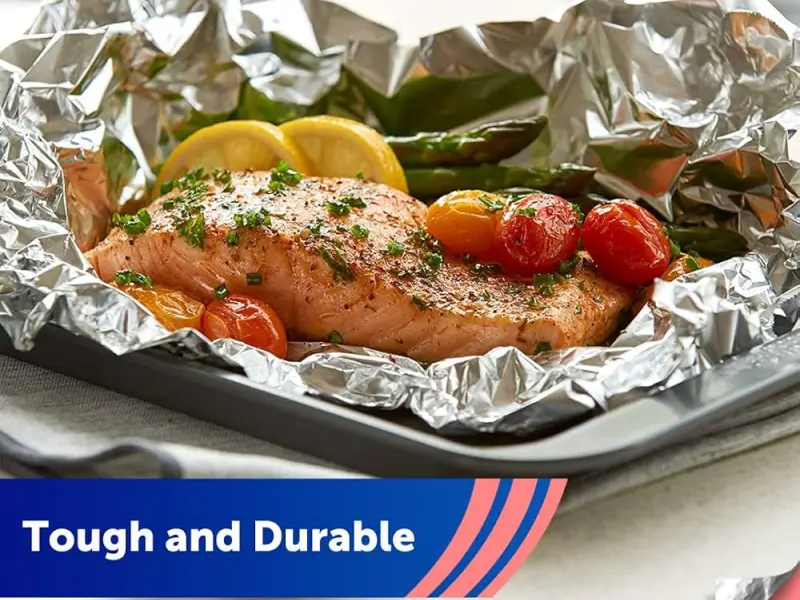
Kitchen Foil For Food Packaging Aluminium Foil, also known as aluminum foil, serves as a fundamental staple in food packaging, preservation, and culinary practices.
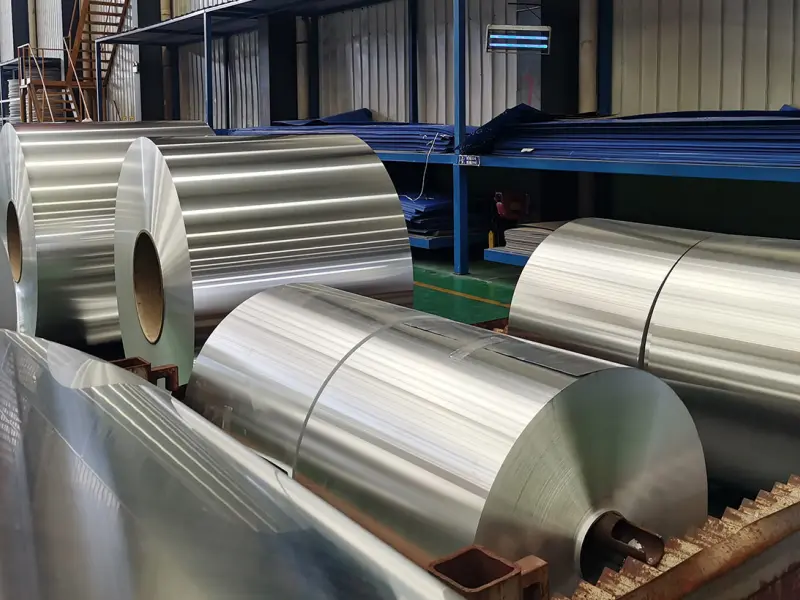
Renowned for its versatility, durability, and protective properties, kitchen foil plays a pivotal role in various aspects of food preparation, storage, and serving.
Application of Kitchen Foil For Food Packaging Aluminium Foil

Versatility in Food Packaging and Storage: Kitchen foil offers unparalleled versatility, accommodating a wide array of food packaging and storage needs. Its malleability allows it to conform to various shapes and sizes, making it ideal for wrapping, covering, or sealing food items.
Whether preserving leftovers, wrapping sandwiches, or covering dishes, its versatility makes it an indispensable tool in the kitchen.
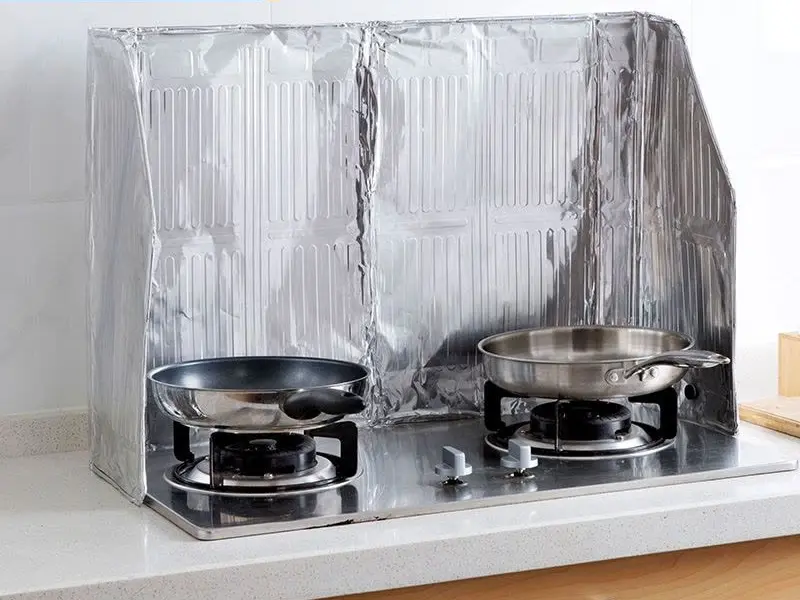
Excellent Barrier Properties: The primary function of kitchen foil lies in its exceptional barrier properties. It acts as a protective shield, effectively safeguarding food from moisture, light, odors, bacteria, and external contaminants.
This protective barrier extends the shelf life of perishable items, maintaining their freshness and flavors.

Thermal Conductivity and Cooking Aid: Kitchen foil’s outstanding thermal conductivity makes it a valuable asset in cooking and baking. It facilitates even heat distribution, ensuring consistent cooking results.
Whether used to wrap food for oven baking or grilling, its heat-retaining properties aid in retaining moisture and enhancing flavors.
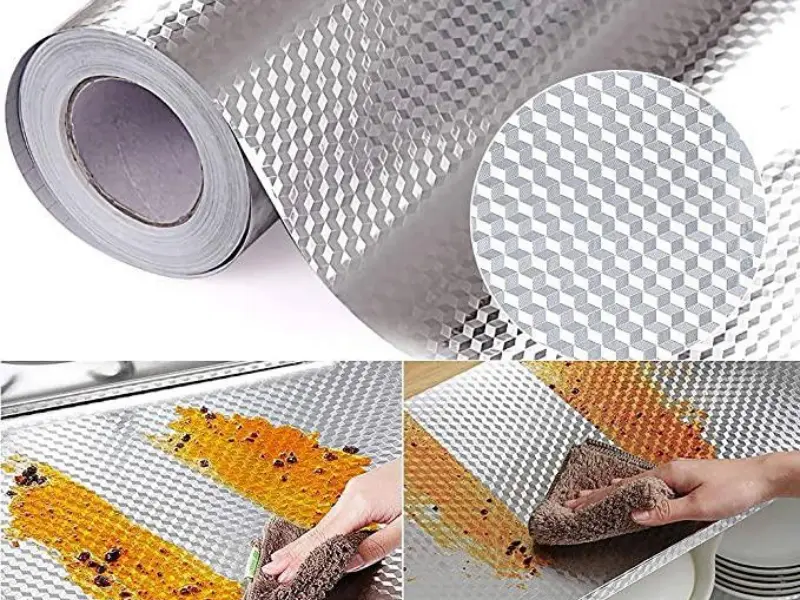
Convenience and Easy Handling: The ease of handling kitchen foil contributes to its widespread usage. Available in convenient rolls or pre-cut sheets, it offers hassle-free dispensing and usage, reducing preparation time in the kitchen.
Its pliability and tear-resistant nature ensure easy handling and application.
Hygienic Food Preparation: As a hygienic option for food preparation, kitchen foil provides a clean surface for various culinary tasks.
It’s commonly used to line baking trays, cover surfaces during food preparation, or create makeshift packets for steaming or roasting, ensuring a sanitary cooking environment.
Others of Kitchen Foil For Food Packaging Aluminium Foil
Recyclability and Environmental Considerations: Kitchen foil is recyclable, aligning with environmentally conscious practices. Choosing foil made from recyclable materials supports sustainability efforts, reducing waste and promoting recycling initiatives. Recycling aluminum foil requires less energy compared to manufacturing it from raw materials, making it an eco-friendly choice.
Diverse Culinary Uses: Beyond packaging and storage, kitchen foil finds diverse culinary applications. It’s used for grilling vegetables, wrapping meats for marination, creating pouches for steaming, lining oven racks or barbecue grills, and even assisting in shaping and protecting delicate food items during cooking.
Why To Choose Aluminum Kitchen Foil?

In conclusion, kitchen foil serves as an indispensable tool in the culinary world, catering to a multitude of food packaging, preservation, and cooking needs.
Its versatility, exceptional barrier properties, thermal conductivity, convenience, and recyclability make it an essential component in households and professional kitchens alike.
With ensuring the freshness, safety, and quality of stored and prepared food items.
Kitchen Foil For Food Packaging Aluminium Foil
Kitchen foil for food packaging is widely used in homes, restaurants, food factories, catering services, and packaging companies. It helps protect food from dust, moisture, light, and outside odors. It is also useful for wrapping, covering, cooking, freezing, and storing different types of food.
Aluminium foil is lightweight, flexible, and easy to cut. It can closely follow the shape of food containers and packages. Different thicknesses and alloy grades are available for different packaging needs.
For food packaging manufacturers and distributors, choosing the right aluminium foil is important. Thickness, alloy, temper, surface quality, and roll size all affect the final packaging performance.
What Is Kitchen Foil for Food Packaging?
Kitchen foil is a thin aluminium material used to wrap, cover, separate, and protect food. It is commonly supplied in rolls, sheets, and pre-cut pieces.
Food packaging aluminium foil has a natural metallic surface. It offers a useful barrier against light, moisture, oxygen, and external contamination when the package is properly designed and sealed.
It is suitable for many food applications, from household cooking to commercial food production.
Main Features of Aluminium Kitchen Foil
- Food packaging protection: Helps protect food from external contamination and environmental exposure.
- Moisture barrier: Reduces moisture transfer when used in a suitable package.
- Light barrier: Blocks light and helps protect light-sensitive food.
- Flexible material: Wraps around different food shapes.
- Heat resistance: Suitable for many cooking and food-heating applications within the product’s intended temperature limits.
- Cold storage: Can be used for wrapping food before refrigeration or freezing.
- Easy cutting: Can be converted into rolls, sheets, and customized sizes.
- Recyclability: Clean aluminium foil can be recycled where local collection systems accept it.
The actual barrier performance depends on foil thickness, pinholes, package structure, sealing quality, and storage conditions.
Aluminium Foil Specifications for Kitchen and Food Packaging
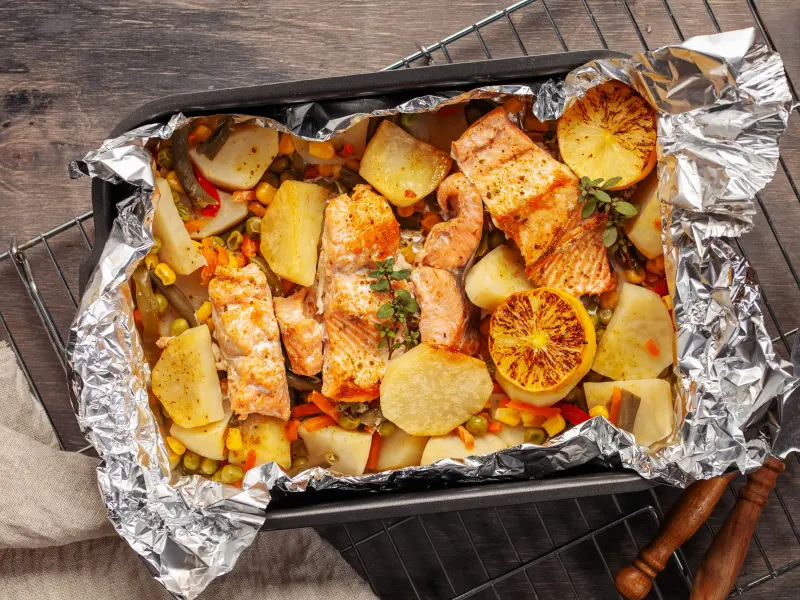
Different food products require different foil thicknesses and mechanical properties. Thin foil is often used for wrapping and household purposes. Thicker foil is more suitable for containers and applications that need greater stiffness.
Common Product Parameters
| Item | Typical Options |
|---|---|
| Product | Kitchen Foil / Food Packaging Aluminium Foil |
| Alloy | 8011, 1235, 8079, 1100, 3003 |
| Temper | O, H18, H22, H24 |
| Thickness | 0.006–0.20 mm |
| Width | 100–1,600 mm |
| Roll inner diameter | 25, 30, 38, 50, 75 mm or customized |
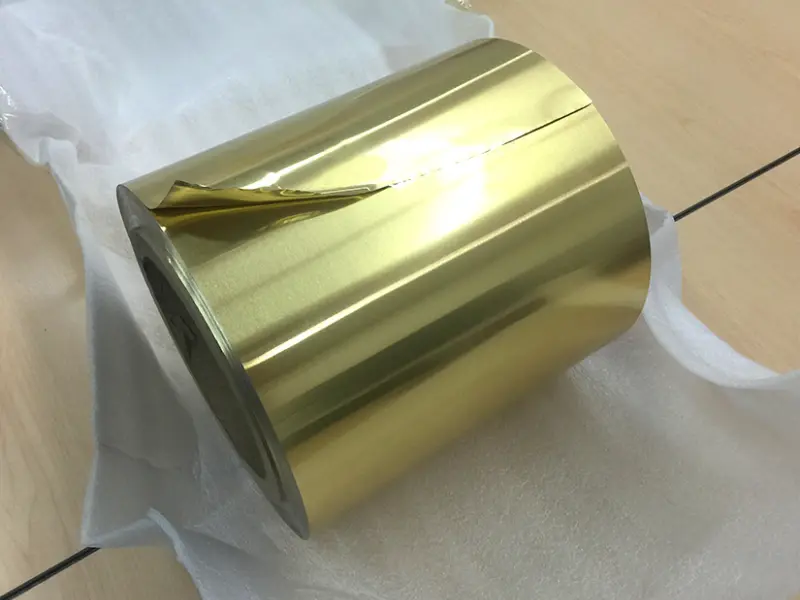
| Surface | One side bright, both sides bright, matte and bright |
| Type | Household roll, jumbo roll, pre-cut sheet, container foil |
| Edge | Mill edge or customized slitting |
| Packaging | Individual box, carton, export pallet |
| Standard | ASTM B373, EN 546, GB/T 3198, according to product requirements |
The available specifications depend on alloy, thickness, temper, and production requirements.
Common Aluminium Foil Thicknesses
| Thickness | Product Type | Typical Applications |
|---|---|---|
| 0.006–0.009 mm | Extra-thin foil | Flexible packaging structures |
| 0.010–0.012 mm | Thin foil | Food wrapping and laminated packaging |
| 0.013–0.015 mm | Household foil | Light food wrapping |
| 0.016–0.018 mm | Medium kitchen foil | General household and catering use |
| 0.020–0.025 mm | Heavy-duty kitchen foil | Roasting, grilling, and food covering |
| 0.030–0.040 mm | Heavy foil | Food trays and stronger packaging |
| 0.050–0.100 mm | Container and industrial foil | Semi-rigid containers and formed parts |
| 0.100–0.200 mm | Thick aluminium foil | Special packaging and industrial applications |
For household rolls, 10–20 microns are common commercial thickness ranges. The correct specification should be selected according to the food, package design, and required strength.
Which Aluminium Alloy Is Best for Food Packaging?
The alloy affects foil strength, flexibility, pinhole performance, and rolling characteristics. Several aluminium alloys are used in food packaging.
8011 Aluminium Foil
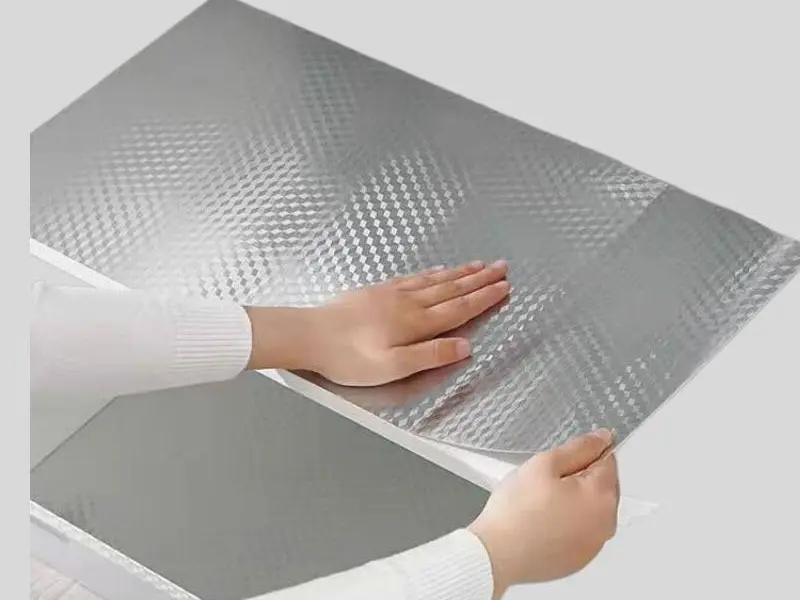
8011 is one of the commonly used alloys for household foil and food packaging. It offers a practical balance of strength, flexibility, and rolling performance.
It is suitable for different foil thicknesses and packaging formats.
Common applications:
- Household kitchen foil.
- Food wrapping rolls.
- Food container foil.
- Catering foil.
- Takeaway packaging.
- Food service sheets.
- Laminated food packaging.
8011 foil is available in O and different H tempers according to thickness and production requirements.
1235 Aluminium Foil

1235 aluminium foil has high aluminium content and good flexibility. It is often used in thin foil and flexible packaging structures.
Common applications:
- Flexible food packaging.
- Laminated packaging.
- Chocolate and confectionery packaging.
- Snack food packaging.
- Household foil products.
- Food sachet structures.
1235 is a useful option when thin foil and good barrier performance are important.
8079 Aluminium Foil
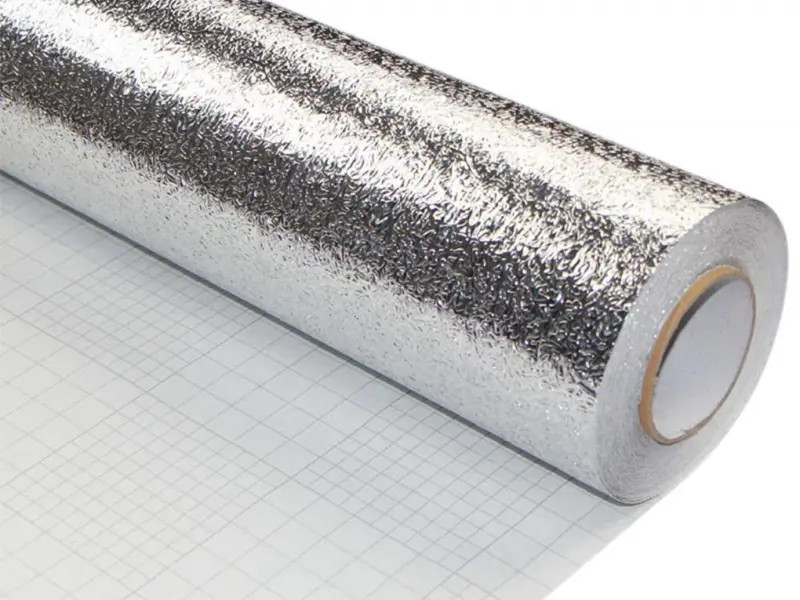
8079 aluminium foil has commonly used in flexible packaging. It offers good rolling performance and can be used in thin-gauge packaging materials.
Common applications:
- Food flexible packaging.
- Snack packaging.
- Coffee and dry food packaging.
- Retort pouch structures, subject to package design.
- Pharmaceutical and food-related laminated materials.
The final package usually combines aluminium foil with other layers. The complete structure must be tested for the intended processing and storage conditions.
1100 Aluminium Foil
1100 is a commercially pure aluminium alloy with good formability and corrosion resistance in suitable environments.
Common applications:
- General food packaging.
- Foil lids and covers.
- Formed foil products.
- Household and catering applications.
- General-purpose aluminium foil.
3003 Aluminium Foil

3003 contains manganese and generally offers higher strength than common 1xxx series alloys in comparable conditions.
It has considered for applications that require more rigidity or forming performance.
Common applications:
- Aluminium food containers.
- Formed packaging components.
- Catering trays.
- Food service containers.
- Semi-rigid packaging products.
Aluminium Foil Temper: O, H18, H22, and H24
Temper indicates the condition of the aluminium after processing. It affects hardness, flexibility, and strength.
| Temper | Material Condition | Typical Use |
|---|---|---|
| O | Fully annealed and soft | Flexible household foil |
| H18 | Fully hard | Applications requiring higher stiffness |
| H22 | Strain-hardened and partially annealed | Selected formed foil products |
| H24 | Strain-hardened and partially annealed | Semi-rigid and formed applications |
O Temper Aluminium Foil
O temper is soft and flexible. It has widely used in household foil and food wrapping products.
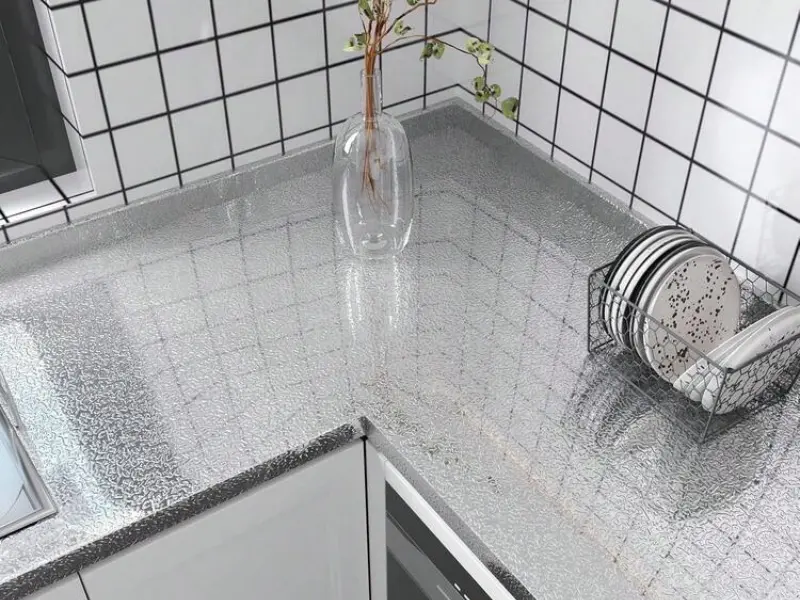
It can easily wrap around food, bowls, trays, and other shapes. It is suitable for applications where flexibility is more important than stiffness.
H18 Aluminium Foil
H18 is a harder temper. It provides greater stiffness than O temper at comparable specifications.
It has considered for products that need more shape retention. However, it is not always the best choice for wrapping irregular food shapes.
O Temper vs. H18 Temper
| Feature | O Temper | H18 Temper |
|---|---|---|
| Hardness | Soft | Hard |
| Flexibility | High | Lower |
| Forming | Easy to wrap | More difficult to wrap tightly |
| Shape retention | Lower | Higher |
| Common use | Kitchen foil and wrapping | Selected rigid or semi-rigid products |
For ordinary kitchen foil, O temper is generally the more suitable choice.
Different Types of Kitchen Foil for Food Packaging
Food packaging aluminium foil comes in several product forms. The correct format depends on how the food is packed, transported, and used.
Household Aluminium Foil Roll

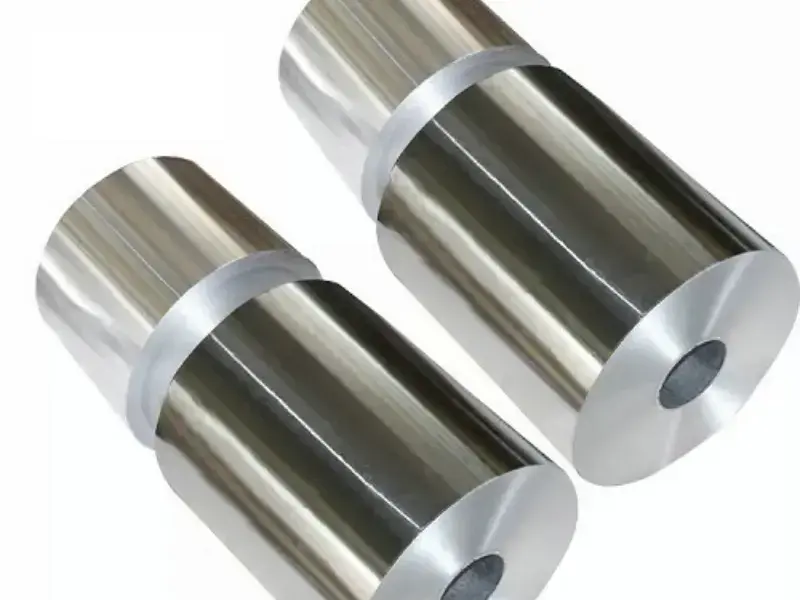
Household aluminium foil is supplied in rolls for daily kitchen use. Customers can cut the required length for wrapping, covering, cooking, and storage.
Common sizes include:
- 10 m × 300 mm.
- 15 m × 300 mm.
- 20 m × 300 mm.
- 30 m × 300 mm.
- 45 m × 300 mm.
- 50 m × 450 mm.
- 100 m × 450 mm.
The thickness has selected according to whether the product is designed for light wrapping or heavy-duty cooking.
Heavy-Duty Kitchen Foil
Heavy-duty foil is thicker and stronger than ordinary household foil. It is suitable for food that needs more support during cooking or storage.
Typical thicknesses include 0.020 mm, 0.025 mm, and 0.030 mm.
Applications:
- Wrapping large meat portions.
- Covering baking trays.
- Grilling and roasting.
- Catering kitchens.
- Restaurant food preparation.
- Freezer storage.
Aluminium Foil Sheets
Pre-cut aluminium foil sheets are ready to use. They have often supplied in boxes for restaurants, bakeries, takeaway businesses, and catering companies.
Common sheet sizes include:
| Sheet Size | Typical Use |
|---|---|
| 200 × 250 mm | Small food portions |
| 250 × 300 mm | Sandwiches and snacks |
| 300 × 300 mm | General food wrapping |
| 300 × 450 mm | Larger food portions |
| 450 × 600 mm | Catering and commercial use |
Custom dimensions are available according to the packaging machine or customer’s requirements.
Aluminium Foil for Food Containers
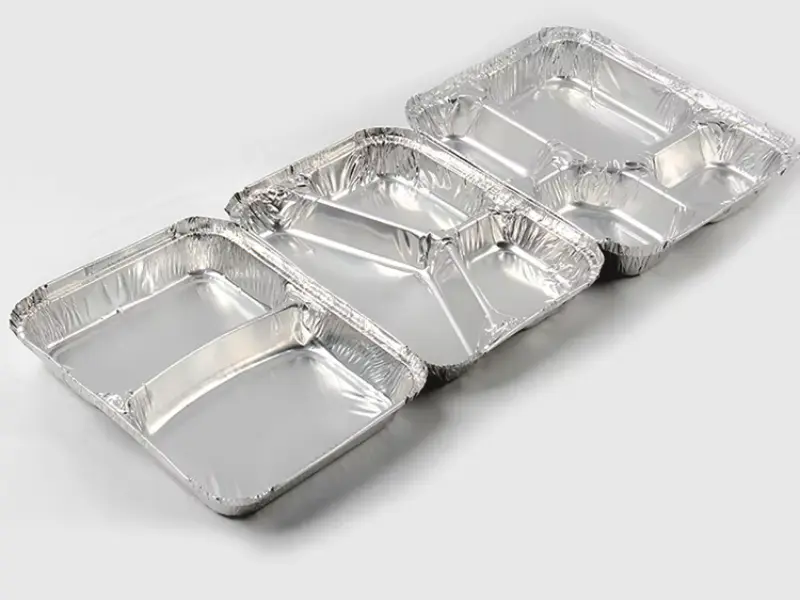
Container foil has designed for forming into trays, plates, and other food containers.
It usually requires more stiffness than ordinary household foil.
Common alloy options include 3003, 8011, and other suitable grades depending on the forming process.
Applications:
- Ready-meal trays.
- Takeaway food containers.
- Baking trays.
- Catering containers.
- Airline meal trays.
- Disposable food plates.
Aluminium Foil for Food Lids
Lidding foil has used to seal food containers and cups. It can help protect the product from leakage, moisture, and external contamination when combined with a suitable sealing layer.
Common applications include:
- Yogurt cups.
- Dairy product containers.
- Dessert cups.
- Sauce containers.
- Ready-to-eat food packaging.
- Coffee and beverage containers.
Lidding foil may use a lacquered or laminated surface. The sealing layer must match the container material.
Laminated Aluminium Foil for Flexible Packaging
Flexible packaging foil has often combined with plastic films or paper. The layers provide different functions.
| Layer | Main Function |
|---|---|
| Aluminium foil | Barrier against light, moisture, and gases |
| PET film | Strength and print surface |
| PE film | Heat sealing |
| Paper | Stiffness and printable surface |
Applications: of Kitchen Foil For Food Packaging Aluminium Foil
- Coffee packaging.
- Chocolate packaging.
- Snack food bags.
- Powdered food packaging.
- Seasoning sachets.
- Dry food packaging.
The correct laminate structure depends on the food, shelf-life target, filling process, and sealing requirements.
Food Packaging Applications Across Different Industries
Aluminium foil has used in household kitchens and large-scale food production. Its flexibility and barrier properties make it useful for many products.
Meat, Poultry, and Seafood Packaging
Aluminium foil has used to wrap and cover fresh, cooked, and prepared food.
Applications include:
- Wrapping cooked meat.
- Covering roasting trays.
- Packaging prepared poultry.
- Wrapping fish portions.
- Protecting food during cold storage.
- Catering and takeaway meals.
For direct contact with salty or acidic foods, select a suitable foil specification and follow recommended usage conditions.
Bakery and Confectionery Packaging
Foil widely used in bakery and confectionery products. It can protect food from light and external moisture.
Applications include:
- Chocolate wrappers.
- Butter packaging.
- Cake and pastry packaging.
- Bakery trays.
- Candy packaging.
- Dessert containers.
- Foil-wrapped snacks.
Thin foil has often used in laminated packaging, while thicker foil may be used for trays and formed products.
Dairy and Yogurt Packaging
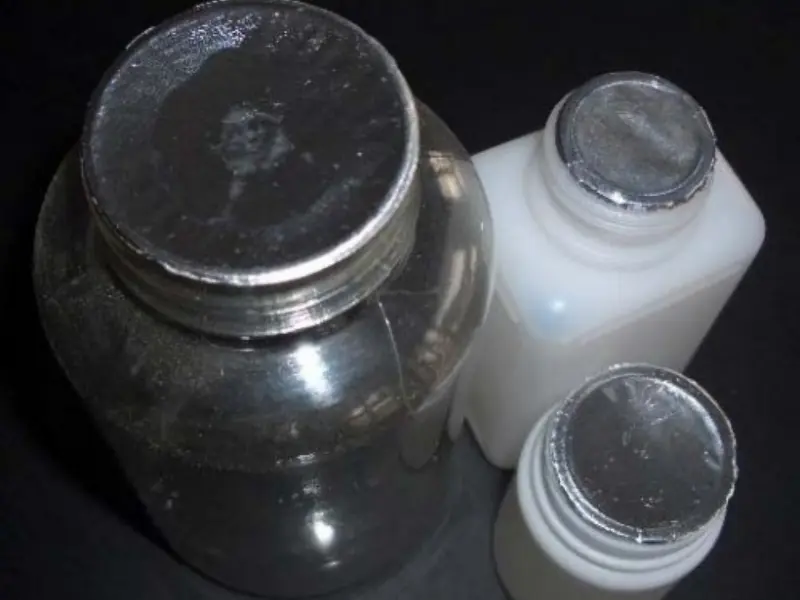
Aluminium foil has used in dairy packaging as lids, seals, and laminated structures.
Applications include:
- Yogurt cup lids.
- Cream packaging.
- Butter wrappers.
- Cheese packaging.
- Milk powder packaging.
- Dairy dessert containers.
Lidding products require suitable sealing performance. The coating or laminate should match the cup or container material.
Ready Meals and Takeaway Food
Restaurants and food delivery businesses use aluminium foil for food preparation and packaging.
Applications include:
- Takeaway meal trays.
- Roasting containers.
- Food covers.
- Prepared meal packaging.
- Catering portions.
- Airline food containers.
Foil containers are useful for food service because they are lightweight and can be made in different shapes and sizes.
Frozen Food Packaging
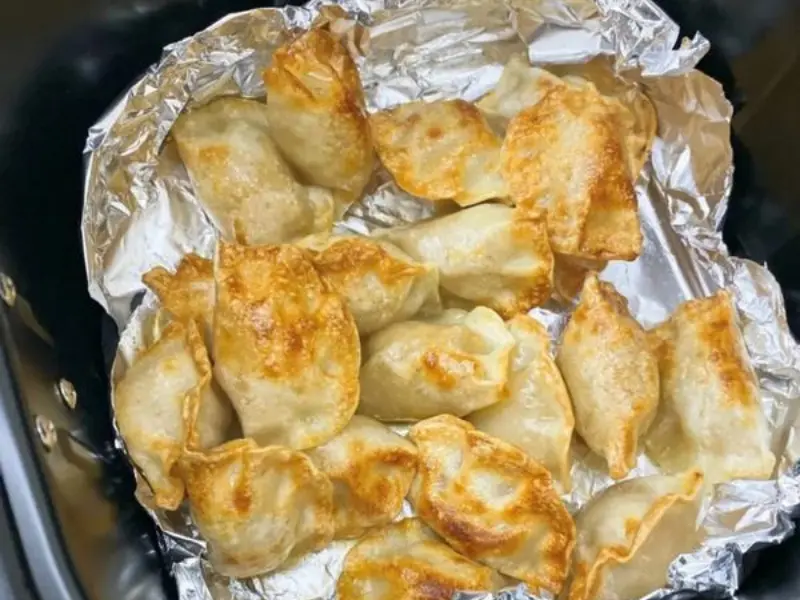
Aluminium foil has used in suitable packaging structures for frozen food. It helps block light and provides a barrier layer.
Applications include:
- Frozen meat.
- Frozen seafood.
- Ready meals.
- Frozen vegetables.
- Ice cream packaging.
- Frozen bakery products.
The complete packaging design should be suitable for freezing, storage, and the required sealing process.
Snacks and Dry Food Packaging
Thin aluminium foil has often used as a barrier layer in flexible packaging.
Applications include:
- Potato chips and snacks.
- Nuts and seeds.
- Biscuits.
- Coffee.
- Tea.
- Powdered milk.
- Seasoning products.
- Dried fruit.
The foil layer has usually laminated with other materials to create a package with the required strength and sealing performance.
Kitchen Foil vs. Other Food Packaging Materials

Different materials provide different levels of protection, flexibility, and cost. Aluminium foil has often selected when light and moisture barriers are important.
Aluminium Foil vs. Plastic Film
| Feature | Aluminium Foil | Plastic Film |
|---|---|---|
| Light barrier | Excellent | Depends on film |
| Moisture barrier | Good when intact | Depends on material |
| Flexibility | Good | Usually very flexible |
| Heat performance | Suitable for many cooking uses | Depends on polymer |
| Transparency | Opaque | Often transparent |
| Common use | Wrapping, barrier packaging | Bags, wraps, sealing films |
Plastic film is useful when visibility and flexibility are needed. Aluminium foil is a better option when a complete light barrier is required.
Aluminium Foil vs. Parchment Paper
| Feature | Aluminium Foil | Parchment Paper |
|---|---|---|
| Material | Aluminium | Treated paper |
| Light barrier | Yes | No |
| Moisture barrier | Good when intact | Depends on grade |
| Shape forming | Can be shaped around food | Less shapeable |
| Main use | Wrapping and covering | Baking and lining trays |
The two products serve different purposes. Parchment paper has often used to prevent sticking during baking, while foil is used for wrapping and covering.
Thin Foil vs. Heavy-Duty Foil

| Feature | Thin Kitchen Foil | Heavy-Duty Foil |
|---|---|---|
| Typical thickness | 0.010–0.015 mm | 0.020–0.030 mm |
| Weight | Lower | Higher |
| Flexibility | Very flexible | More resistant to tearing |
| Main use | Light wrapping | Roasting and heavy food portions |
| Material consumption | Lower | Higher |
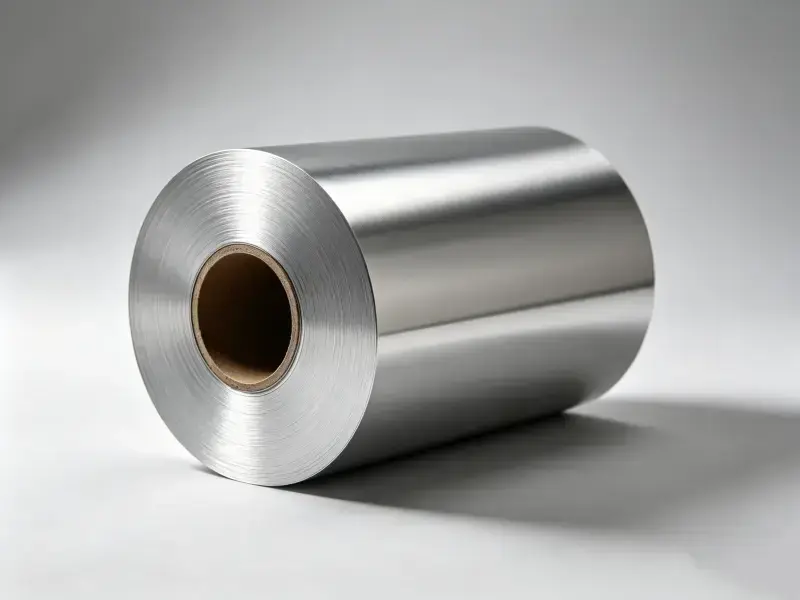
Thin foil is suitable for everyday use. Heavy-duty foil is useful when the package needs additional strength.
8011 vs. 1235 vs. 8079 Aluminium Foil

| Feature | 8011 | 1235 | 8079 |
|---|---|---|---|
| Alloy series | 8xxx | 1xxx | 8xxx |
| Common use | Household and food foil | Thin flexible packaging | Flexible packaging |
| Formability | Good | Good | Good |
| Typical product | Kitchen foil | Laminated foil | Packaging foil |
| Selection focus | General-purpose performance | Thin foil applications | Packaging structure requirements |
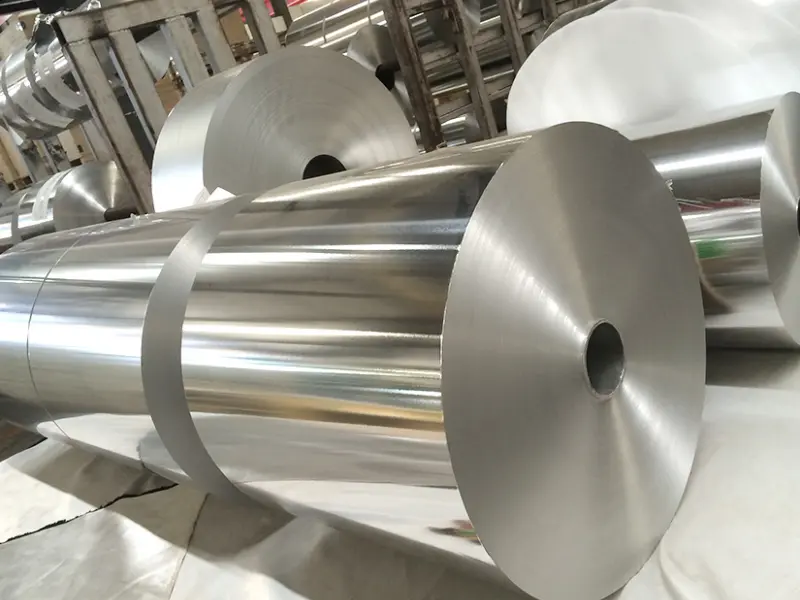
The final alloy has selected according to thickness, rolling performance, pinhole requirements, and the intended packaging structure.
How to Choose the Right Kitchen Foil
Choosing the correct aluminium foil can improve packaging performance and reduce material waste.
Match the Thickness to the Food
Start with the food type and packaging method.
- Light wrapping: consider 0.010–0.015 mm.
- General household cooking: consider 0.015–0.020 mm.
- Heavy-duty cooking: consider 0.020–0.030 mm.
- Formed food trays: select a thicker specification based on forming depth and container design.
- Flexible packaging: select foil thickness according to the laminate structure and barrier target.
These are indicative ranges. Testing has recommended before large-scale production.
Select the Right Alloy
| Packaging Requirement | Alloy to Consider |
|---|---|
| General kitchen foil | 8011 |
| Thin flexible packaging | 1235 |
| Laminated food packaging | 8079, 1235 |
| Food containers | 3003, 8011 |
| General-purpose formed foil | 1100, 3003 |
Always confirm the alloy against the customer’s technical specification and food-contact requirements.
Consider the Roll Width and Length
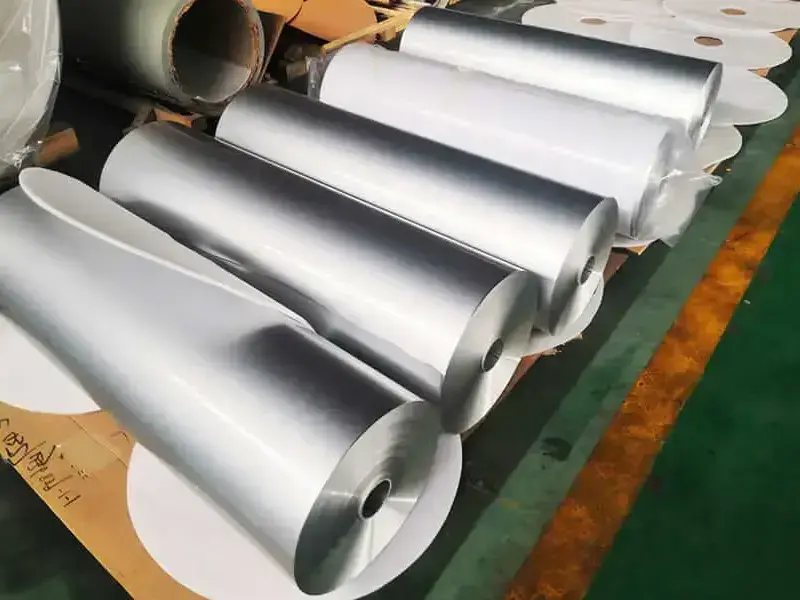
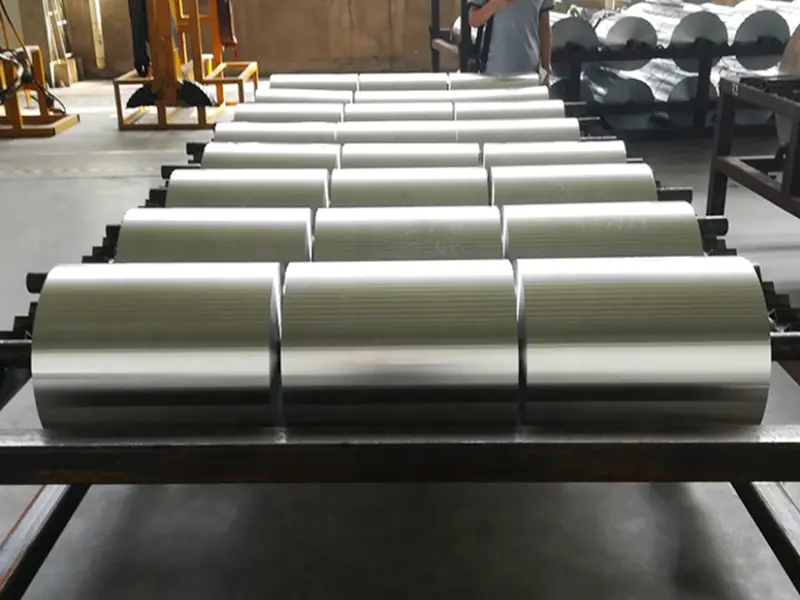
Household foil is commonly supplied in 300 mm or 450 mm widths. Commercial customers may need wider jumbo rolls for slitting and converting.
Before ordering, confirm:
- Finished roll width.
- Finished roll length.
- Core inner diameter.
- Outer roll diameter.
- Roll weight.
- Packaging method.
- Slitting tolerance.
Check Surface Quality and Pinhole Requirements
Food packaging foil should have a clean surface and consistent thickness.
Important quality points include:
- Thickness tolerance.
- Surface cleanliness.
- Pinhole level.
- Edge condition.
- Roll tension.
- Winding quality.
- Absence of excessive wrinkles and damage.
For laminated packaging, surface quality and compatibility with the next production process are also important.
Food Safety and Storage Considerations
Aluminium foil used for food contact should meet the relevant food-contact requirements in the target market.
Buyers should confirm the material declaration, applicable regulations, and any required migration or compliance testing. Coatings, inks, adhesives, and laminated layers also need to be suitable for the intended food and temperature conditions.
Practical Usage Advice of Kitchen Foil For Food Packaging Aluminium Foil
- Avoid using foil with strongly acidic or salty foods for prolonged contact unless the product has specifically designed for that use.
- Do not assume every foil product is suitable for microwave use.
- Follow the manufacturer’s instructions for oven and cooking applications.
- Keep unused foil clean and dry.
- Store rolls away from excessive moisture, chemicals, and physical damage.
- Use suitable packaging to prevent contamination during transport and storage.
What Affects the Price of Food Packaging Aluminium Foil?
The price of kitchen foil depends on material cost, thickness, width, processing, and order quantity.
| Factor | Effect on Price |
|---|---|
| Alloy | Different alloys have different material costs |
| Thickness | Thicker foil uses more aluminium per square meter |
| Width | Wider rolls require different production and slitting arrangements |
| Temper | Processing requirements may vary |
| Surface quality | Special requirements may increase production cost |
| Roll length | Affects finished roll weight and packaging |
| Core and box | Retail packaging adds material and converting costs |
| Order quantity | Larger orders may improve production efficiency |
| Delivery | Packing and freight affect the final landed cost |
How to Get an Accurate Quotation
When contacting a supplier, provide:
- Alloy, such as 8011, 1235, or 8079.
- Temper, such as O or H18.
- Thickness and width.
- Roll length or required weight.
- Surface requirements.
- Jumbo roll or finished retail roll.
- Core size and packaging details.
- Order quantity and destination.
If you are producing household foil rolls, also provide the retail box dimensions and required roll weight.
Frequently Asked Questions About Kitchen Foil For Food Packaging Aluminium Foil
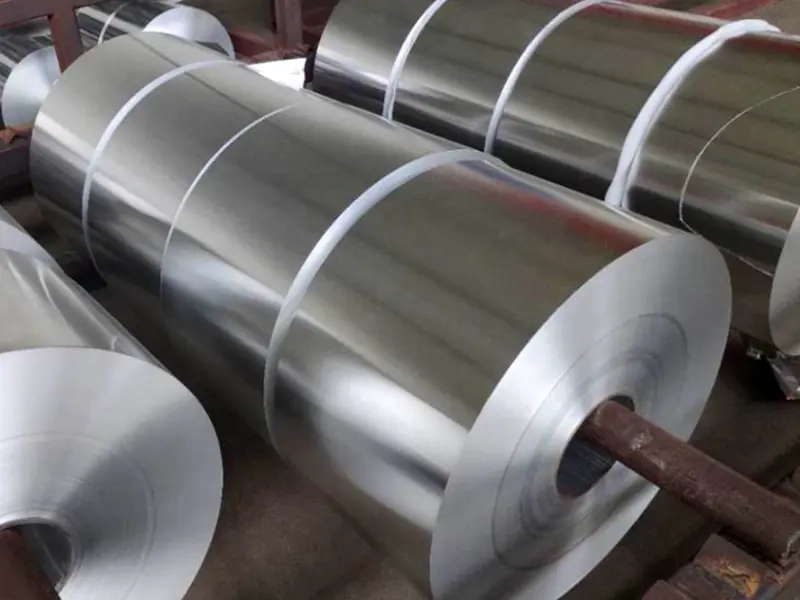
What is the best aluminium foil alloy for kitchen use?
8011 is a common choice for household kitchen foil because it offers a useful balance of strength, flexibility, and rolling performance. The final choice depends on thickness, product design, and customer requirements.
What thickness is commonly used for kitchen foil?
Common household foil thicknesses include approximately 0.010–0.020 mm. Heavy-duty products may use 0.020–0.030 mm or more. The right thickness depends on the intended use and required strength.
Is 8011 aluminium foil suitable for food packaging?
8011 is widely used in food packaging and household foil products. The finished product must still meet the applicable food-contact requirements for its intended market and application.
What is the difference between 8011 and 1235 aluminium foil?

8011 has commonly used for household foil and general food packaging. 1235 has often selected for thin flexible packaging structures. Their suitability depends on the required thickness, mechanical properties, and converting process.
Can aluminium foil be used in an oven?
Many kitchen foil products are suitable for conventional oven use within the manufacturer’s recommended conditions. Always follow the product instructions and avoid direct contact with heating elements.
Can aluminium foil be used in a microwave?
Ordinary aluminium foil should not be used in a microwave unless the microwave manufacturer and foil product instructions specifically allow it. Improper use may cause sparks or damage.
Is aluminium foil suitable for freezing food?
Yes. Suitable kitchen foil has used to wrap food before freezing. Use a tight wrap and suitable additional packaging when needed to protect food quality during long-term storage.
What is heavy-duty aluminium foil?
Heavy-duty foil is thicker than standard kitchen foil. It has designed for applications that need more strength, such as roasting, grilling, covering large trays, and wrapping larger food portions.
What is the difference between household foil and container foil?
Household foil is generally thin and flexible. Container foil is thicker and designed for forming into trays, plates, and other containers. Their alloy and temper requirements may also differ.
Can aluminium foil be customized?
Yes. Thickness, width, roll length, inner diameter, and packaging have customized according to production capability and order requirements.
What is the difference between one-side bright and two-side bright foil?
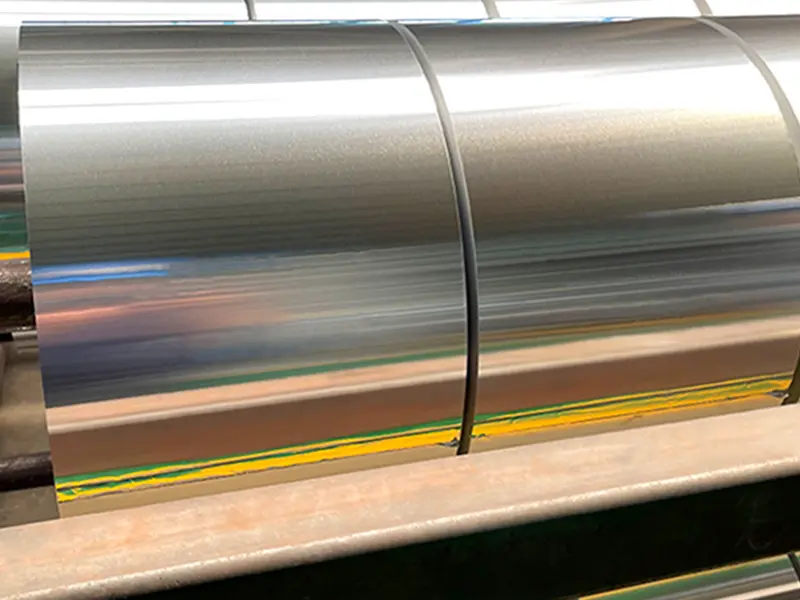
One-side bright foil has a bright surface on one side and a matte surface on the other. Two-side bright foil has a brighter appearance on both sides. The surface appearance depends on the rolling process and product specification.
Is aluminium foil recyclable?
Aluminium is recyclable. However, acceptance of used kitchen foil depends on local recycling facilities. Clean foil is generally easier to recycle than foil heavily contaminated with food.
Order Kitchen Foil for Food Packaging from a Reliable Supplier
Whether you need household aluminium foil rolls, heavy-duty kitchen foil, food container foil, or jumbo rolls for further processing, choosing the correct material specification is important.
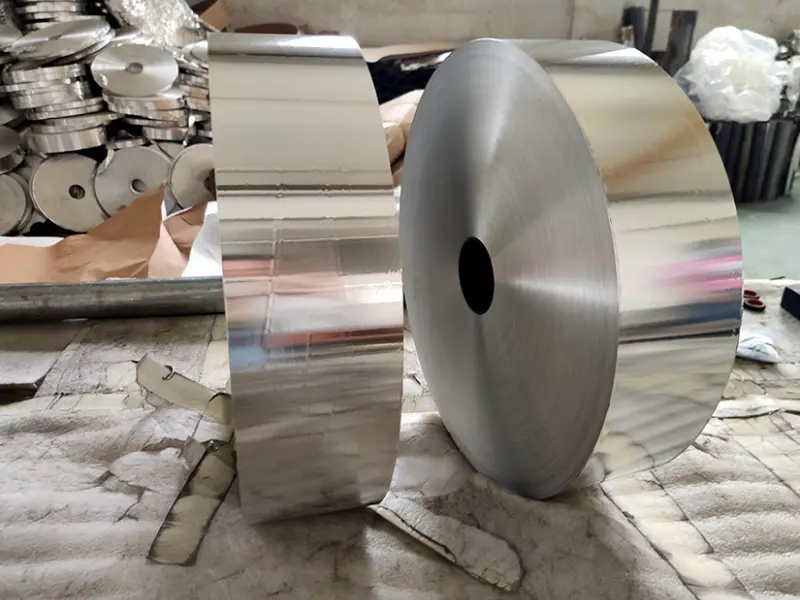
We supply aluminium foil in different alloys, tempers, thicknesses, and widths for food packaging and industrial converting applications.
Customers can request:
- 8011, 1235, 8079 and other suitable alloys.
- O and selected H tempers.
- Thin and heavy-duty foil.
- Jumbo rolls and customized widths.
- One-side bright and two-side bright surfaces.
- Customized roll dimensions and export packaging.
Send us your required thickness, width, alloy, temper, roll weight, and quantity. Our team can help check the suitable product and provide a quotation for your food packaging project.

Leave a Comment
You must be logged in to post a comment.